Posted by Admin on 21-07-2023 in Shiksha hub
ITI Weaving Technician introduction, Admission, Registration, Eligibility, Duration, Fees, Syllabus 2024
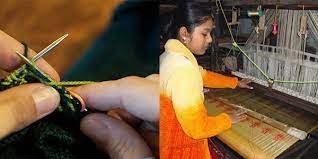
Introduction to ITI Weaving Technician
Industrial Training Institutes (ITIs) play a crucial role in imparting vocational skills and technical education. Among the various specialized courses offered by ITIs, one notable program is the ITI Weaving Technician course. This program is designed to equip individuals with the knowledge and skills required to excel in the field of weaving, a fundamental process in textile manufacturing.
Weaving technicians trained through ITIs are essential contributors to the textile industry, where they play a key role in transforming raw materials like yarn into woven fabrics. The course curriculum typically covers a wide range of topics, including the study of different types of looms, fabric structures, yarn properties, and the various weaving techniques employed in the industry.
Key aspects of the ITI Weaving Technician program may include:
Loom Operation: Students learn to operate and maintain different types of weaving looms, such as hand looms, power looms, and automatic looms. This involves understanding the intricacies of loom mechanisms and troubleshooting common issues.
Fabric Analysis: The course teaches students how to analyze fabrics for quality, durability, and other characteristics. This involves studying different fabric weaves and patterns to understand their applications in the textile industry.
Yarn Technology: Understanding the properties of different yarns is crucial in weaving. ITI Weaving Technician programs often cover aspects of yarn manufacturing, classification, and selection for specific weaving processes.
Textile Design: Some programs may include an introduction to textile design, where students learn to create patterns and designs suitable for weaving. This enhances their ability to contribute creatively to the production process.
Quality Control: Weaving technicians need to ensure the quality of woven fabrics. The course may include modules on quality control measures, testing methods, and standards in the textile industry.
Safety Procedures: As with any industrial setting, safety is paramount. ITI Weaving Technician programs often include training on safety protocols, machinery handling, and the use of personal protective equipment.
Upon successful completion of the ITI Weaving Technician course, graduates are equipped to pursue careers in textile mills, garment industries, and other related sectors. Their expertise in weaving technology makes them valuable assets in the production of a wide range of textile products, from clothing to industrial fabrics. The combination of practical skills and theoretical knowledge gained during the program prepares individuals to contribute effectively to the dynamic and ever-evolving field of weaving in the textile industry.
How can I apply for admission ITI WEAVING TECHNICIAN Program
To apply for admission to an ITI Weaving Technician program, follow these general steps:
Research ITIs: Start by researching Industrial Training Institutes (ITIs) that offer the Weaving Technician program. Look for reputable institutes with a strong track record in providing quality vocational education. You can find information on ITIs through official websites, local educational boards, or by contacting relevant authorities.
Check Eligibility Criteria: Review the eligibility criteria for the ITI Weaving Technician program. Typically, candidates are required to have completed a certain level of education (such as 10th grade or its equivalent). Ensure that you meet the specified eligibility requirements.
Application Form: Obtain the application form for the ITI Weaving Technician program. This can usually be done online through the official website of the ITI or by visiting the institute in person. Fill out the application form accurately and completely.
Submission of Documents: Prepare the necessary documents required for the application. Common documents include:
Mark sheets and certificates of the qualifying examination.
Proof of age (birth certificate, school leaving certificate, or other relevant documents).
Passport-sized photographs.
Any other documents specified by the ITI.
Application Fee: Pay the application fee, if applicable. Some ITIs may require a nominal fee to process your application. Check the official notification or brochure for details on the application fee and payment methods.
Submission of Application: Submit the completed application form along with the required documents to the ITI within the specified deadline. Ensure that all information provided is accurate and matches the supporting documents.
Admission Test/Interview (if applicable): Some ITIs may conduct an entrance test or interview as part of the admission process. Prepare for any such assessments by reviewing relevant subjects and topics.
Merit List and Admission: After the evaluation process, ITIs usually publish a merit list of selected candidates. If your name is on the list, follow the instructions provided to complete the admission process. This may involve paying the course fees, attending orientation programs, and fulfilling any additional requirements.
Attend Counselling (if required): In some cases, ITIs may conduct counseling sessions for selected candidates. Attend these sessions to receive information about the course structure, rules and regulations, and any other relevant details.
Commencement of Classes: Once you have successfully completed the admission process, attend the commencement of classes as per the schedule provided by the ITI.
What is the eligibility for ITI WEAVING TECHNICIAN
The eligibility criteria for ITI Weaving Technician programs may vary slightly depending on the specific institute and region. However, here is a general outline of the common eligibility requirements:
Educational Qualification:
Candidates should typically have completed at least 10th grade (secondary education) from a recognized educational board.
Some ITIs may specify a certain minimum percentage of marks in the qualifying examination.
Age Limit:
There is usually no upper age limit for ITI Weaving Technician programs.
The minimum age requirement may vary, but candidates are generally expected to be at least 14 to 16 years old.
Medical Fitness:
Applicants may be required to meet certain medical fitness standards to ensure that they can safely participate in practical training and operate machinery.
Specific Requirements (if any):
Some ITIs may have specific requirements, such as a background in science or mathematics, though this is not always mandatory.
Entrance Test (if applicable):
Certain ITIs may conduct an entrance test to assess the candidate's aptitude for the chosen trade. The syllabus for the entrance test, if applicable, is typically based on the subjects related to the Weaving Technician course.
How long does it takes to complete a ITI WEAVING TECHNICIAN program
The duration of an ITI (Industrial Training Institute) Weaving Technician program typically ranges from 1 to 2 years. The exact duration can vary based on factors such as the specific curriculum of the institute, the region or country in which the ITI is located, and whether the program follows a semester or annual system.
In general, ITI programs are designed to provide a comprehensive and hands-on training experience in a specific trade or vocational field, and the Weaving Technician program is no exception. During the course, students typically receive a combination of theoretical knowledge and practical training to develop the skills necessary for a career in weaving technology.
To determine the exact duration of the ITI Weaving Technician program you are interested in, it is advisable to refer to the official documentation provided by the specific ITI offering the course. This information can usually be found in the institute's prospectus, brochure, or on its official website. Additionally, contacting the admission office or the academic department of the ITI will provide you with accurate and up-to-date details regarding the duration and structure of the Weaving Technician program.
Internship opportunities after completing ITI WEAVING TECHNICIAN
After completing an ITI Weaving Technician program, individuals can explore various internship opportunities to gain practical experience and further enhance their skills in the field of weaving technology. Here are some potential internship opportunities:
Textile Mills and Factories: Internships in textile mills and factories allow Weaving Technicians to apply their skills in a real-world manufacturing environment. Tasks may include operating looms, quality control, and understanding the production processes.
Garment Industries: Interning in garment industries provides exposure to the entire textile value chain, from fabric production to garment manufacturing. Weaving Technicians can work on projects related to fabric selection, pattern making, and ensuring the compatibility of woven fabrics with garment designs.
Handloom Clusters: In regions known for handloom weaving, individuals can explore internships in handloom clusters. This experience offers insights into traditional weaving techniques, craftsmanship, and the production of unique handwoven textiles.
Research and Development Centers: Interning in research and development centers within the textile industry allows Weaving Technicians to be part of innovative projects. This could involve experimenting with new materials, exploring advanced weaving technologies, or contributing to the development of improved fabric properties.
Textile Design Studios: Internships in textile design studios provide opportunities to collaborate with designers and contribute to the creative aspects of weaving. Weaving Technicians may be involved in creating new patterns, experimenting with color combinations, and adapting traditional weaves for modern applications.
Quality Assurance Labs: Interning in quality assurance labs within textile companies allows Weaving Technicians to focus on ensuring the quality of woven fabrics. This includes conducting tests, analyzing fabric properties, and contributing to quality control processes.
Export-Import Companies: Companies involved in the export and import of textiles often require skilled Weaving Technicians. Interns may be involved in understanding international quality standards, coordinating shipments, and ensuring that woven products meet global requirements.
Textile Machinery Manufacturing Companies: Internships with companies that manufacture textile machinery provide insight into the technical aspects of loom manufacturing and maintenance. Weaving Technicians can learn about the latest advancements in weaving technology and gain hands-on experience with different types of looms.
Entrepreneurial Ventures: Some Weaving Technicians may choose to explore entrepreneurial opportunities by starting their own weaving units or collaborating with local artisans. Internships in this context involve gaining practical business experience in addition to weaving skills.
Scholarship and grants for ITI WEAVING TECHNICIAN
Scholarships and grants for ITI Weaving Technician programs can provide financial assistance to individuals pursuing vocational education in the field of weaving technology. While the availability of specific scholarships may vary based on factors such as region, institution, and government policies, here are some general sources to explore:
Government Schemes: Many governments have scholarship schemes for students pursuing vocational and technical education. Check with the relevant education department or vocational training authority in your region for information on government-sponsored scholarships for ITI programs.
Skill Development Initiatives: Some skill development initiatives and organizations collaborate with the government to offer scholarships for ITI courses. Look for programs that aim to enhance employability through vocational training, as they may provide financial support for Weaving Technician programs.
Corporate Sponsorships: Some textile companies or businesses in the weaving industry may offer scholarships or grants to individuals pursuing ITI Weaving Technician programs. Check with local textile manufacturers or industry associations for information on corporate-sponsored financial assistance.
Nonprofit Organizations: Nonprofit organizations and foundations focused on education and skill development may offer scholarships for vocational courses, including ITI Weaving Technician programs. Research organizations that support vocational training and inquire about available opportunities.
Community and Social Welfare Programs: Some community and social welfare programs provide financial aid to individuals pursuing vocational education. These programs may be administered by local governments, NGOs, or community groups.
Institute-Specific Scholarships: Check with the specific ITI where you plan to enroll for Weaving Technician training. Some institutes offer their own scholarships or financial aid programs for deserving students. Inquire about any such opportunities during the admission process.
State and Central Government Scholarships: Explore scholarship programs offered by state and central governments that are designed to support technical education. These scholarships may cover tuition fees, study materials, and other related expenses.
Skill Development Councils: Skill development councils and boards associated with the textile and weaving industry may offer financial support for individuals pursuing skill-based courses. Contact these organizations to inquire about available scholarships.
Online Scholarship Portals: Utilize online scholarship portals that aggregate information about various scholarship opportunities. Websites and platforms dedicated to education funding can help you identify relevant scholarships for ITI Weaving Technician programs.
Industry Associations: Textile industry associations or trade organizations may have scholarship programs to encourage skill development in the weaving sector. Check with these associations for information on available financial assistance.
Syllabus of ITI WEAVING TECHNICIAN
|
Semester |
Subjects |
Topics Covered |
|---|---|---|
|
1 |
Basics of Textiles |
Introduction to fibers, yarns, and fabrics |
|
1 |
Fundamentals of Weaving Technology |
Overview of weaving, types of looms, and basic operations |
|
1 |
Yarn Properties and Classification |
Understanding different yarn types and their characteristics |
|
1 |
Basics of Textile Design |
Introduction to textile design principles and concepts |
|
1 |
Handloom Weaving Techniques |
Practical training on handloom operation and basic weaving |
|
1 |
Workshop - Loom Operation |
Hands-on experience in operating weaving looms |
|
Semester |
Subjects |
Topics Covered |
|---|---|---|
|
2 |
Power Loom Technology |
In-depth study of power looms and their mechanisms |
|
2 |
Fabric Analysis and Quality Control |
Techniques for fabric analysis, quality standards, and control |
|
2 |
Fabric Structure and Patterns |
Understanding different fabric weaves and patterns |
|
2 |
Textile Testing Methods |
Laboratory techniques for testing fabric properties |
|
2 |
Industrial Loom Operation |
Practical training on operating industrial weaving machinery |
|
2 |
Workshop - Fabric Inspection and Quality Control |
Hands-on experience in fabric inspection and quality control |
|
Semester |
Subjects |
Topics Covered |
|---|---|---|
|
3 |
Advanced Loom Technology |
Study of automatic looms and advanced weaving technologies |
|
3 |
Jacquard Looms and Electronic Weaving |
Introduction to jacquard looms and electronic weaving systems |
|
3 |
Textile Design Software |
Training on software used in textile design |
|
3 |
Industrial Fabric Production |
Practical application of weaving skills in industrial settings |
|
3 |
Entrepreneurship in Weaving |
Basics of starting and managing a weaving-related business |
|
3 |
Workshop - Advanced Loom Operations |
Hands-on experience in operating advanced weaving machinery |
Conclusion
In conclusion, pursuing a career in ITI Weaving Technician offers a comprehensive and hands-on approach to learning the intricacies of weaving technology. The program equips individuals with the necessary skills to operate various looms, understand fabric structures, and contribute effectively to the textile industry. From basic weaving techniques to advanced industrial applications, the curriculum ensures a well-rounded education in textile manufacturing.
Graduates of ITI Weaving Technician programs are prepared to enter the workforce with practical experience and theoretical knowledge, making them valuable contributors to textile mills, garment industries, and other related sectors. The blend of technical expertise, fabric analysis, and design principles positions them for diverse roles within the ever-evolving field of weaving.
As technology continues to advance, Weaving Technicians play a vital role in implementing and adapting to new weaving technologies, ensuring the efficiency and quality of textile production. Whether operating traditional handlooms or advanced electronic weaving systems, these professionals contribute significantly to the growth and innovation of the textile industry.
FAQs
Q: What is the duration of the ITI Weaving Technician program?
A: The duration typically ranges from 1 to 2 years, depending on the specific institute and curriculum.
Q: What are the eligibility criteria for the ITI Weaving Technician program?
A: Candidates generally need to have completed at least 10th grade or its equivalent. Age limits may apply, and specific requirements can vary by institute.
Q: Are there internship opportunities after completing the ITI Weaving Technician program?
A: Yes, graduates can explore internships in textile mills, garment industries, research centers, and other relevant sectors to gain practical experience.
Q: Are there scholarships available for the ITI Weaving Technician program?
A: Scholarships may be available through government schemes, corporate sponsorships, nonprofit organizations, and specific institute-based programs. Eligibility criteria vary.
Q: What topics are covered in the ITI Weaving Technician program?
A: The curriculum typically includes subjects such as basics of textiles, weaving technology, fabric analysis, textile design, loom operation, and advanced weaving techniques.
Q: What are the career prospects for ITI Weaving Technician graduates?
A: Graduates can pursue careers in textile mills, garment industries, handloom clusters, research and development centers, and entrepreneurial ventures within the weaving sector.
How Shiksha Hub helps you in
-
 Student Counsellors
 -
 Career Counseling
 -
 Research
 -
 24/7 Support
 -
 Scholarships
 -
 Community