Posted by Admin on 21-07-2023 in Shiksha hub
Jewelry Retail Appraiser and Valuer Admission, Registration, Eligibility, Duration, Fees, Syllabus 2024
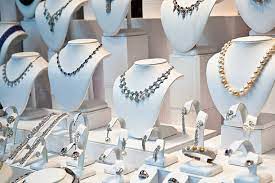
Introduction about Jewelry Retail Appraiser and Valuer
A Jewelry Retail Appraiser and Valuer plays a crucial role in the jewelry industry by assessing the value and authenticity of various types of jewelry. This professional combines a deep knowledge of gemology, metals, and craftsmanship with expertise in market trends and appraisal techniques. Their primary responsibility is to evaluate and appraise jewelry items for their worth, ensuring accuracy and fairness in the valuation process.
Key Responsibilities:
Appraisal Services: The Jewelry Retail Appraiser and Valuer determine the value of jewelry items, considering factors such as gemstone quality, metal content, craftsmanship, and overall design. They may appraise items for various purposes, including insurance coverage, estate valuation, resale, or legal matters.
Gemological Expertise: A strong understanding of gemology is essential. This includes knowledge of different gemstones, their characteristics, grading systems, and how these factors contribute to the overall value of a piece of jewelry.
Market Trends and Research: Staying abreast of market trends and industry developments is crucial. This enables the appraiser to provide accurate and up-to-date valuations that reflect the current market conditions.
Client Interaction: The appraiser often communicates directly with clients, explaining the valuation process, addressing any questions or concerns, and ensuring a transparent and trustworthy experience.
Documentation and Reporting: Detailed documentation of the appraisal process and the assessed value is a critical aspect of the job. This includes creating comprehensive reports that outline the characteristics of each item and the methodology used in determining its value.
Quality Control: Ensuring the accuracy and reliability of appraisals is paramount. This may involve implementing quality control measures within the appraisal process to uphold professional standards.
Ethical Conduct: Adhering to ethical standards is essential, especially when dealing with sensitive matters such as estate valuations or legal disputes. Maintaining impartiality and integrity is crucial for building trust with clients.
Qualifications:
Gemological Education: A strong educational background in gemology is typically required. This may involve obtaining certifications from recognized gemological institutions.
Industry Experience: Practical experience in the jewelry industry is valuable, as it provides insights into market dynamics, trends, and the nuances of different types of jewelry.
Continuous Learning: Given the evolving nature of the jewelry market, a commitment to continuous learning and staying updated on industry developments is essential.
How can I apply for admission JEWELLERY RETAIL APPRAISER AND VALUER Program
To apply for a Jewelry Retail Appraiser and Valuer program, you typically need to follow these general steps:
Research Programs: Start by researching institutions or organizations that offer Jewelry Retail Appraiser and Valuer programs. Look for reputable schools, gemological institutes, or industry-recognized organizations that provide comprehensive education in gemology and jewelry appraisal.
Check Admission Requirements: Review the admission requirements for the program you're interested in. Common prerequisites may include a high school diploma or equivalent, and some programs might have specific prerequisites related to gemology or the jewelry industry.
Prepare Required Documents: Gather all necessary documents for the application. This may include your academic transcripts, letters of recommendation, a resume, and a personal statement outlining your interest in the field and your career goals.
Gemological Certification (if required): Some programs may require or prefer applicants to have a basic gemological certification. If you don't already have one, consider enrolling in a basic gemology course and obtaining a certification before applying.
Submit Application: Complete the application form provided by the institution or organization offering the program. Ensure that all required documents are included with your application.
Pay Application Fees: Some programs may have an application fee. Make sure to pay this fee according to the instructions provided by the institution.
Interview (if required): Some programs may require an interview as part of the admission process. Be prepared to discuss your interest in the field, your relevant experiences, and your career aspirations.
Wait for Admission Decision: After submitting your application, you'll need to wait for the admission decision. This period can vary depending on the institution and the program.
Financial Aid and Scholarships: If you require financial aid, explore scholarship opportunities or inquire about available financial assistance programs offered by the institution.
Enroll in the Program: Once accepted, follow the enrollment instructions provided by the institution. This may include submitting additional documentation, paying tuition fees, and attending orientation sessions.
Stay Informed: Keep yourself informed about any pre-program requirements or recommended readings. Familiarize yourself with the program's curriculum and be prepared for the start of classes.
What is the eligibility for JEWELLERY RETAIL APPRAISER AND VALUER
The eligibility criteria for becoming a Jewelry Retail Appraiser and Valuer can vary depending on the specific program, certification, or institution you are considering. However, here are some general qualifications and requirements often associated with this field:
Educational Background:
A high school diploma or equivalent is typically the minimum educational requirement.
Some programs may have specific prerequisites related to gemology, jewelry, or a related field.
Gemological Certification:
Many Jewelry Retail Appraiser and Valuer programs or positions require a gemological certification. Common certifications include those from recognized gemological institutes such as the Gemological Institute of America (GIA) or the International Gem Society (IGS).
Industry Knowledge and Experience:
Practical experience in the jewelry industry is often valued. This may include work in retail, manufacturing, or other aspects of the jewelry trade.
Some programs may have a preference for candidates with a certain level of industry experience.
Interest in Gemology:
A genuine interest in gemstones, jewelry, and gemological sciences is important. Applicants should be motivated to learn about gemstone identification, grading, and the appraisal process.
Communication Skills:
Effective communication skills are crucial for Jewelry Retail Appraisers and Valuers. This includes the ability to convey complex information about gemstones and jewelry to clients in a clear and understandable manner.
Ethical Conduct:
Since appraisers deal with assessing the value of valuable items, ethical conduct is paramount. Programs may look for candidates who demonstrate integrity and honesty in their professional practices.
Continuing Education:
A commitment to continuous learning and staying updated on industry trends and advancements is often expected. The jewelry industry evolves, and professionals need to stay informed about new gemological developments.
Specific Program Requirements:
Each program or certification may have its own set of requirements. These could include specific coursework, exams, or practical assessments.
How long does it takes to complete a JEWELLERY RETAIL APPRAISER AND VALUER program
The duration of a Jewelry Retail Appraiser and Valuer program can vary depending on the specific type of program and the institution offering it. Generally, these programs can range from a few weeks to several months. Here are some common scenarios:
Short Courses or Workshops:
Some institutions offer short courses or workshops focused on specific aspects of jewelry appraisal. These may last anywhere from a few days to a few weeks.
Certificate Programs:
Certificate programs in jewelry appraisal often span a few months, typically ranging from 3 to 6 months. These programs provide a more in-depth and comprehensive education compared to short courses.
Diploma Programs:
Diploma programs in gemology and jewelry appraisal may take around 6 months to a year to complete. These programs cover a broader range of topics and may include practical training in addition to classroom learning.
Degree Programs:
Some universities offer degree programs in gemology or related fields that include courses in jewelry appraisal. These programs can take two years for an associate degree or up to four years for a bachelor's degree.
Professional Certification Programs:
Gemological institutes, such as the Gemological Institute of America (GIA), offer professional certification programs. These programs may vary in duration, with some intensive courses lasting a few weeks and others spread out over several months.
It's important to note that the time required to complete a program may also depend on whether you are studying on a full-time or part-time basis. Additionally, some programs may offer flexible scheduling options to accommodate working professionals.
Internship opportunities after completing JEWELLERY RETAIL APPRAISER AND VALUER
After completing a Jewelry Retail Appraiser and Valuer program, there are various internship opportunities that can enhance your practical skills and provide valuable real-world experience in the field. Here are some potential internship opportunities:
Jewelry Retailers:
Many jewelry retailers offer internships in their appraisal departments. This provides hands-on experience in appraising a variety of jewelry items, working with customers, and understanding the retail aspect of the business.
Jewelry Appraisal Firms:
Specialized jewelry appraisal firms often take on interns to assist with the appraisal process. This could involve conducting assessments, preparing documentation, and learning about the business side of jewelry appraisal services.
Auction Houses:
Auction houses that deal with jewelry often have departments dedicated to appraising and valuing items. Interning at an auction house can provide exposure to a wide range of valuable pieces and the dynamics of the auction industry.
Gemological Laboratories:
Gemological laboratories, such as the Gemological Institute of America (GIA), may offer internship opportunities. Interns can gain experience in gemstone identification, grading, and the overall gemological process.
Estate Planning and Legal Firms:
Interning with estate planning or legal firms that deal with jewelry appraisals can provide insight into the legal aspects of the profession. This may include appraising jewelry for estate planning, divorce settlements, or legal disputes.
Museum Collections:
Museums with jewelry collections may offer internships for individuals interested in the historical and cultural aspects of jewelry. Interns may be involved in cataloging, researching, and appraising pieces within the museum's collection.
Independent Appraisers:
Some individuals work independently as jewelry appraisers. Interning with an independent appraiser allows you to experience the entrepreneurial side of the profession and gain exposure to a diverse range of clients and jewelry items.
Networking and Professional Organizations:
Joining industry-specific professional organizations and attending networking events can lead to internship opportunities. These organizations may have connections with businesses and professionals in need of interns.
Scholarship and grants for JEWELLERY RETAIL APPRAISER AND VALUER
Finding scholarships and grants specifically tailored for Jewelry Retail Appraiser and Valuer programs may be a bit challenging, as these programs are often specialized and may not have as many dedicated funding opportunities. However, you can explore general scholarship and grant options related to gemology, jewelry studies, or business that could be applicable to your educational pursuits. Here are some avenues to explore:
Gemological Institute of America (GIA) Scholarships:
GIA, a renowned gemological institute, offers various scholarships for students pursuing gemology and jewelry studies. These scholarships may cover tuition or provide financial assistance.
Jewelry Industry Associations:
Check with jewelry industry associations, such as the Jewelers of America or the International Gem Society, to see if they offer scholarships or grants for individuals pursuing education in the field.
Educational Institutions:
The institution where you plan to enroll in the Jewelry Retail Appraiser and Valuer program may have its own scholarship programs. Contact the financial aid office or browse the institution's website for information on available scholarships.
Industry-Specific Foundations:
Explore foundations or organizations dedicated to supporting education in gemology, jewelry, or related fields. Some foundations may provide grants or scholarships for students pursuing specialized studies.
Professional Organizations:
Joining professional organizations related to jewelry appraisal and gemology may open up opportunities for financial support. These organizations sometimes offer scholarships to students entering the field.
Corporate Sponsorships:
Some jewelry companies or retailers may have sponsorship programs or grants for students pursuing education in jewelry appraisal. Check with companies that align with your career goals.
Government Grants and Scholarships:
Investigate government-sponsored grants or scholarships that support students in fields related to gemology and jewelry. These may be available at the national, state, or local levels.
Online Scholarship Databases:
Utilize online scholarship databases such as Fastweb, Scholarship.com, or College Board's Scholarship Search. While they may not have specific scholarships for jewelry appraisal, you can find opportunities related to gemology, business, or relevant fields.
Conclusion:
Becoming a Jewelry Retail Appraiser and Valuer involves a combination of education, practical experience, and a genuine passion for gemology and jewelry. By completing a relevant program, gaining hands-on experience through internships, and actively seeking financial support through scholarships and grants, individuals can embark on a rewarding career in assessing and valuing valuable jewelry items. Continuous learning, ethical conduct, and staying abreast of industry trends are key elements that contribute to success in this dynamic and specialized field. Whether working in retail, for appraisal firms, or independently, professionals in this role play a vital part in ensuring transparency and accuracy in valuing precious and cherished possessions.
Frequently Asked Questions (FAQ)
What is a Jewelry Retail Appraiser and Valuer?
A Jewelry Retail Appraiser and Valuer assess the value and authenticity of various jewelry items. They combine knowledge of gemology, metals, and craftsmanship to provide accurate appraisals for purposes such as insurance, resale, or legal matters.
What qualifications are needed to become a Jewelry Retail Appraiser and Valuer?
Qualifications typically include a high school diploma, gemological education, and possibly industry experience. Many professionals also pursue certifications from recognized gemological institutes.
How long does it take to complete a Jewelry Retail Appraiser and Valuer program?
Program durations vary, ranging from short courses of a few weeks to more comprehensive diploma or degree programs that may take several months to a few years, depending on the type of program.
Are there internship opportunities after completing the program?
Yes, internships are available in various sectors, including jewelry retail, appraisal firms, auction houses, and gemological laboratories. Internships provide practical experience and enhance professional skills.
What scholarship and grant opportunities are available for aspiring Jewelry Retail Appraisers and Valuers?
While specific scholarships for this field may be limited, aspiring professionals can explore general opportunities related to gemology, jewelry studies, and business. Consider sources such as gemological institutes, industry associations, educational institutions, and professional organizations.
How Shiksha Hub helps you in
-
 Student Counsellors
 -
 Career Counseling
 -
 Research
 -
 24/7 Support
 -
 Scholarships
 -
 Community