Posted by Admin on 20-07-2023 in Shiksha hub
Junior Rubber Technician or Assistant introduction, Admission, Registration, Eligibility, Duration, Fees, Syllabus 2024
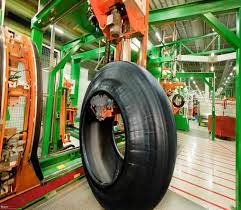
Introduction about Junior Rubber Technician or Assistant
A Junior Rubber Technician or Assistant is a professional in the field of rubber technology who plays a crucial role in the production and quality control processes related to rubber products. This entry-level position typically involves working under the guidance of more experienced technicians or engineers within the rubber industry.
The primary responsibilities of a Junior Rubber Technician may include assisting in the formulation of rubber compounds, conducting tests on raw materials, monitoring manufacturing processes, and ensuring that final products meet quality standards. They often work closely with senior technicians to learn and apply various techniques for optimizing rubber properties, such as elasticity, durability, and resistance to environmental factors.
Junior Rubber Technicians also contribute to troubleshooting and problem-solving activities in the production line. They may be involved in identifying and addressing issues related to material quality, process efficiency, or product defects. Attention to detail and a strong understanding of the principles of rubber chemistry are essential for success in this role.
In addition to hands-on tasks, Junior Rubber Technicians may be responsible for maintaining accurate records of test results, compiling data for analysis, and collaborating with other team members to improve overall product quality. This role serves as a foundation for individuals aspiring to advance in their careers within the rubber industry, with opportunities to specialize in areas such as compound development, process engineering, or quality assurance.
Overall, a Junior Rubber Technician or Assistant is a vital member of the rubber manufacturing team, contributing to the production of high-quality rubber products through a combination of practical skills, technical knowledge, and a commitment to maintaining industry standards.
How can I apply for admission JUNIOR RUBBER TECHNICIAN / ASSISTANT Program
To apply for a Junior Rubber Technician or Assistant program, follow these general steps:
Research Programs: Start by researching educational institutions or training centers that offer programs in rubber technology or related fields. Look for programs that specifically mention training for Junior Rubber Technicians or Assistants.
Check Admission Requirements: Review the admission requirements for the program you are interested in. Typical requirements may include a high school diploma or equivalent. Some programs may have additional prerequisites or specific coursework recommendations.
Prepare Application Materials: Gather the necessary application materials, which may include:
Completed application form
Transcripts from previous education
Resume or curriculum vitae (CV)
Letter of intent or personal statement explaining your interest in the program
Letters of recommendation (if required)
Submit Application: Complete the application process by submitting all required materials to the admissions office of the institution offering the program. This may be done online or through a physical application, depending on the institution's procedures.
Pay Application Fees: Some institutions may require an application fee. Make sure to check the program's application fee policy and submit the required payment if applicable.
Attend Interviews or Examinations (if required): Some programs may conduct interviews or examinations as part of the admission process. Be prepared to participate in these assessments if they are a requirement for the program you are applying to.
Financial Aid and Scholarships: Explore any available financial aid options or scholarships that may be offered by the institution or external organizations. Check the program's website or contact the admissions office for information on available financial support.
Follow Up: After submitting your application, follow up with the admissions office to ensure that all your materials have been received and to inquire about the status of your application. Be attentive to any additional steps or information they may require.
Acceptance and Enrollment: If you receive an acceptance letter, carefully review the details and follow the instructions for enrollment. This may include submitting additional documentation, paying tuition fees, and attending orientation sessions.
Prepare for the Program: Once accepted, prepare for the program by obtaining any required materials or textbooks and familiarizing yourself with the program's curriculum and schedule.
What is the eligibility for JUNIOR RUBBER TECHNICIAN / ASSISTANT
The specific eligibility criteria for a Junior Rubber Technician or Assistant program may vary depending on the educational institution or training center offering the program. However, here are some general eligibility requirements that are commonly associated with such programs:
Educational Background:
A high school diploma or equivalent (such as a GED) is typically the minimum educational requirement for entry into a Junior Rubber Technician or Assistant program.
Basic Science and Mathematics Skills:
Proficiency in basic science and mathematics is often required, as these skills are essential for understanding the principles of rubber technology, chemistry, and related subjects.
Interest in Rubber Technology:
Demonstrated interest in the field of rubber technology, either through coursework, projects, or relevant work experience, is often considered favorably during the application process.
Communication Skills:
Strong communication skills, both written and verbal, are important as Junior Rubber Technicians may need to document their work, collaborate with team members, and communicate effectively with supervisors.
Attention to Detail:
Given the precision and quality control aspects of rubber technology, applicants should have good attention to detail to ensure accurate testing and adherence to standards.
Problem-Solving Abilities:
A willingness and ability to engage in problem-solving activities are valuable attributes. Junior Rubber Technicians often participate in identifying and addressing issues related to materials or processes.
Physical Stamina:
Depending on the specific responsibilities of the role, physical stamina may be required for tasks that involve manual handling of materials or standing for extended periods.
Computer Skills:
Basic computer skills may be necessary for tasks such as data entry, report generation, and the use of specialized software related to rubber technology.
Compliance with Additional Requirements:
Some programs may have additional requirements, such as health screenings, background checks, or specific vaccinations, to ensure the safety and well-being of students in laboratory or manufacturing environments.
How long does it takes to complete a JUNIOR RUBBER TECHNICIAN / ASSISTANT program
The duration of a Junior Rubber Technician or Assistant program can vary depending on the institution offering the program and the specific curriculum in place. In general, these programs are often designed to be completed in a relatively short timeframe compared to more advanced degrees.
Typically, a Junior Rubber Technician or Assistant program may last anywhere from a few weeks to several months. Some programs may be structured as short-term, intensive training courses, while others may follow a more traditional semester-based schedule. The exact length can also depend on whether the program is full-time or part-time.
Here are some factors that can influence the duration of the program:
Intensity of Training:
Programs that are more intensive, with a higher number of hours per week dedicated to coursework and hands-on training, may be shorter in duration.
Curriculum Complexity:
The complexity of the curriculum, including the range of topics covered and the depth of technical knowledge provided, can impact the duration of the program.
Practical Training Requirements:
Programs that include a significant amount of practical training, such as hands-on work in laboratories or manufacturing facilities, may have a longer duration to ensure sufficient skill development.
Part-Time vs. Full-Time Enrollment:
Some programs may offer flexibility in terms of part-time or full-time enrollment. Part-time options typically result in a longer overall duration.
Institutional Policies:
Institutional policies and academic calendars can also influence program duration. Some institutions may offer accelerated programs, while others follow a more traditional academic timeline.
Internship opportunities after completing JUNIOR RUBBER TECHNICIAN / ASSISTANT
Completing a Junior Rubber Technician or Assistant program can open up various internship opportunities in the rubber industry. Internships provide valuable hands-on experience, allowing individuals to apply the knowledge and skills gained during their training in real-world settings. Here are some potential internship opportunities for those who have completed a Junior Rubber Technician or Assistant program:
Rubber Manufacturing Intern:
Interns may work in manufacturing facilities, assisting in the production of rubber products. This could involve hands-on experience with machinery, quality control procedures, and adherence to safety protocols.
Quality Control Intern:
Interns may be involved in quality assurance processes, conducting tests on raw materials and finished products to ensure they meet industry standards. This could include testing for elasticity, hardness, and other material properties.
Research and Development Intern:
Interns may work in R&D departments, contributing to the development of new rubber compounds, formulations, or processes. This could involve experimentation, data analysis, and collaboration with experienced researchers.
Process Engineering Intern:
Interns in process engineering roles may focus on optimizing manufacturing processes, identifying areas for improvement, and implementing changes to enhance efficiency and quality.
Materials Testing Intern:
Interns may specialize in materials testing, gaining experience in conducting various tests to evaluate the performance and characteristics of rubber materials under different conditions.
Environmental and Safety Compliance Intern:
Interns may work on ensuring that manufacturing processes comply with environmental and safety regulations. This could involve monitoring and implementing best practices to minimize environmental impact and enhance workplace safety.
Supply Chain and Logistics Intern:
Interns may gain experience in the logistical aspects of the rubber industry, including inventory management, procurement of raw materials, and coordination of shipments.
Technical Sales Support Intern:
Interns may work in roles that provide technical support to sales teams. This could involve communicating technical details to customers, addressing inquiries, and collaborating with both technical and non-technical teams.
Rubber Testing Laboratory Intern:
Interns may work in laboratories specializing in rubber testing, gaining experience in conducting various tests and analyses to assess the performance and quality of rubber materials.
Product Development Intern:
Interns may contribute to the development of new rubber products, working closely with product design and engineering teams to bring innovative concepts to fruition.
Scholarship and grants for JUNIOR RUBBER TECHNICIAN / ASSISTANT
Scholarships and grants for Junior Rubber Technician or Assistant programs may be available from various sources, including educational institutions, industry associations, private foundations, and government agencies. Here are some potential avenues to explore for financial assistance:
Institutional Scholarships:
Many educational institutions that offer Junior Rubber Technician or Assistant programs have their own scholarship programs. These scholarships may be based on academic achievement, financial need, or a combination of factors. Contact the admissions or financial aid office of the specific institution for information on available scholarships.
Industry Associations and Organizations:
Explore whether there are industry-specific associations or organizations related to rubber technology that offer scholarships or grants. These groups may support students pursuing education and careers in the rubber industry.
Government Grants and Aid Programs:
Depending on your location, there may be government-sponsored grants or financial aid programs to support individuals pursuing technical education. Check with relevant government agencies or educational departments for information on available programs.
Corporate Sponsorships:
Some companies in the rubber industry may have scholarship or sponsorship programs to support individuals entering the field. Research companies that are actively involved in rubber manufacturing or related industries and inquire about potential scholarship opportunities.
Nonprofit Foundations:
Explore nonprofit foundations that focus on education and vocational training. Some foundations may offer scholarships to individuals pursuing careers in technical fields, including rubber technology.
Online Scholarship Databases:
Utilize online scholarship databases and platforms that aggregate information on scholarships and grants. Websites like Fastweb, Scholarship.com, or Chegg Scholarships allow you to search for opportunities based on your field of study.
Community and Civic Organizations:
Local community organizations, Rotary Clubs, and other civic groups may offer scholarships to support individuals pursuing vocational or technical education. Check with organizations in your community for potential opportunities.
Employer Tuition Assistance:
If you are already employed or plan to work while pursuing your Junior Rubber Technician or Assistant program, inquire with your employer about tuition assistance or reimbursement programs. Some employers provide financial support for employees seeking further education.
Financial Aid Offices:
Contact the financial aid offices of educational institutions for information on general financial aid programs, including grants and loans. They can provide guidance on available resources and application processes.
Syllabus of JUNIOR RUBBER TECHNICIAN / ASSISTANT
|
Course Title |
Topics Covered |
|---|---|
|
Introduction to Rubber Technology |
Basics of rubber manufacturing, industry overview, and safety protocols. |
|
Basic Chemistry for Rubber Technology |
Fundamental principles of chemistry relevant to rubber technology. |
|
Mathematics for Technicians |
Basic mathematical concepts and applications. |
|
Materials Science |
Properties of rubber and other materials used in the industry. |
|
Workshop Practices |
Introduction to tools, equipment, and basic manufacturing processes. |
|
Course Title |
Topics Covered |
|---|---|
|
Rubber Compounding |
Formulation of rubber compounds and understanding of ingredients. |
|
Quality Control in Rubber Manufacturing |
Testing methods, quality assurance, and industry standards. |
|
Rubber Processing Technology |
Overview of processing techniques such as extrusion, molding, and calendaring. |
|
Basic Engineering Drawing |
Introduction to technical drawing and interpreting engineering diagrams. |
|
Computer Applications for Technicians |
Basic computer skills and relevant software for rubber technology. |
|
Course Title |
Topics Covered |
|---|---|
|
Rubber Testing Techniques |
In-depth study of testing methods for physical and chemical properties. |
|
Process Optimization |
Techniques for improving manufacturing efficiency and product quality. |
|
Environmental and Safety Practices |
Compliance with environmental regulations and workplace safety. |
|
Technical Communication |
Developing effective communication skills for the industry. |
|
Internship/Practical Training |
Hands-on experience in a manufacturing or laboratory setting. |
|
Course Title |
Topics Covered |
|---|---|
|
Advanced Rubber Compounding |
Specialized formulations, additives, and advanced compounding techniques. |
|
Process Troubleshooting |
Identifying and addressing issues in rubber manufacturing processes. |
|
Rubber Industry Trends and Innovations |
Exploration of emerging technologies and trends in the rubber industry. |
|
Professional Ethics and Conduct |
Ethical considerations and professionalism in the workplace. |
|
Project Work and Presentation |
Individual or group projects demonstrating acquired skills and knowledge. |
Conclusion
In conclusion, the Junior Rubber Technician or Assistant program provides a comprehensive foundation in rubber technology, equipping individuals with the skills and knowledge needed for entry-level positions in the rubber industry. With a blend of theoretical and practical coursework, graduates are prepared to contribute to the manufacturing, quality control, and development of rubber products. Internship opportunities further enhance practical skills, and scholarships may provide financial support for aspiring technicians. As the rubber industry continues to evolve, Junior Rubber Technicians are well-positioned to be integral contributors to its growth and innovation. For specific details on programs and opportunities, individuals are encouraged to contact educational institutions and industry organizations directly.
Frequently Asked Questions (FAQ)
Q1: What is the role of a Junior Rubber Technician or Assistant?
A1: A Junior Rubber Technician or Assistant plays a crucial role in the rubber industry, assisting in the formulation of rubber compounds, conducting tests, monitoring manufacturing processes, and ensuring product quality.
Q2: What are the eligibility criteria for a Junior Rubber Technician program?
A2: Typically, eligibility criteria include a high school diploma or equivalent, basic science and mathematics skills, an interest in rubber technology, and good communication and problem-solving abilities.
Q3: How long does it take to complete a Junior Rubber Technician program?
A3: The duration varies, but it's often completed in a few weeks to several months, depending on the intensity of training, curriculum complexity, and practical training requirements.
Q4: Are there internship opportunities after completing a Junior Rubber Technician program?
A4: Yes, completing the program can lead to internship opportunities in rubber manufacturing, quality control, research and development, process engineering, and more.
Q5: Are there scholarships available for Junior Rubber Technician programs?
A5: Scholarships may be available from educational institutions, industry associations, government programs, and corporate sponsors. Applicants should explore various sources for financial assistance.
Meta Tag: "Junior Rubber Technician, Rubber Industry Careers, Rubber Technology Training, Entry-Level Rubber Jobs"
Keywords: Junior Rubber Technician, Rubber Technology, Assistant in Rubber Industry, Rubber Manufacturing, Entry-Level Rubber Jobs, Rubber Technology Training, Rubber Industry Skills
Meta Description: "Discover the exciting world of rubber technology with our blog on Junior Rubber Technicians. Learn about the training programs, responsibilities, and potential career paths for entry-level positions in the dynamic rubber industry. Explore the essential skills needed, find out about internship opportunities, and set yourself on a rewarding journey in rubber manufacturing."
Note: The effectiveness of meta tags and keywords can depend on the platform you are using and its specific requirements. Adjustments may be needed based on the platform's character limits and guidelines.
How Shiksha Hub helps you in
-
 Student Counsellors
 -
 Career Counseling
 -
 Research
 -
 24/7 Support
 -
 Scholarships
 -
 Community