Posted by Admin on 20-07-2023 in Shiksha hub
Laboratory Assistant/Chemist Admission, Registration, Eligibility, Duration, Fees, Syllabus 2024
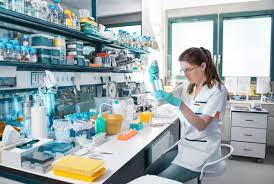
Introduction about Laboratory Assistant/Chemist
A laboratory assistant or chemist plays a crucial role in scientific research, industry, and healthcare by providing essential support in laboratory settings. These professionals are skilled in conducting experiments, analyzing data, and ensuring the smooth operation of the laboratory. Their work is integral to advancements in various fields, including chemistry, biology, medicine, and environmental science.
Roles and Responsibilities:
Experimentation: Laboratory assistants are involved in setting up and conducting experiments based on the requirements of researchers or scientists. They follow established protocols and procedures to ensure the accuracy and reliability of results.
Instrumentation: Operating and maintaining laboratory equipment is a key responsibility. This includes tools such as spectrometers, chromatographs, and various analytical instruments. Chemists are adept at troubleshooting and calibrating these instruments to ensure their proper functioning.
Data Analysis: After conducting experiments, laboratory assistants analyze and interpret the results. They use statistical methods and software to process data, draw conclusions, and contribute to the overall understanding of the scientific phenomena under investigation.
Record Keeping: Accurate record-keeping is crucial in a laboratory setting. Chemists maintain detailed records of experimental procedures, observations, and outcomes. This documentation is essential for reproducibility, analysis, and future reference.
Safety Protocols: Ensuring a safe working environment is paramount. Laboratory assistants follow strict safety protocols, including the proper handling and disposal of chemicals, wearing protective gear, and implementing emergency procedures when necessary.
Collaboration: Laboratory assistants often collaborate with scientists, researchers, and other professionals. Effective communication and teamwork are essential for the success of scientific projects.
Quality Control: In industrial settings, chemists may be involved in quality control processes, ensuring that products meet specific standards and regulatory requirements.
Education and Skills:
Typically, laboratory assistants and chemists have at least a bachelor's degree in chemistry, biochemistry, or a related field. Some positions may require advanced degrees for more specialized research roles. Strong analytical skills, attention to detail, and a solid understanding of scientific principles are essential.
How can I apply for admission to Laboratory Assistant/Chemist program
Applying for admission to a Laboratory Assistant or Chemist program involves several steps. Here is a general guide to help you through the process:
1. Research Programs: Start by researching universities, colleges, or technical institutes that offer Laboratory Assistant or Chemist programs. Look for institutions with a strong reputation in the field and programs that align with your career goals.
2. Admission Requirements: Review the admission requirements for the specific program you are interested in. These requirements may include educational background, prerequisite courses, standardized test scores, letters of recommendation, and a personal statement.
3. Educational Background: Ensure that you meet the educational prerequisites for the program. Most Laboratory Assistant or Chemist programs require a high school diploma or equivalent. Some may have specific coursework prerequisites, so make sure you have completed the necessary classes.
4. Standardized Tests: Some programs may require standardized test scores, such as the SAT or ACT. Check the admission requirements to see if you need to take any of these exams and plan accordingly.
5. Prepare Application Materials: Gather all necessary application materials, which typically include:
Completed application form
Transcripts from high school or previous college education
Letters of recommendation
Personal statement or essay
Resume or curriculum vitae (CV)
6. Personal Statement: Write a compelling personal statement that highlights your interest in the field, relevant experiences, and career goals. Tailor it to demonstrate why you are a good fit for the program.
7. Letters of Recommendation: Request letters of recommendation from teachers, employers, or professionals who can speak to your academic abilities and potential as a Laboratory Assistant or Chemist.
8. Submit Application: Complete and submit your application by the specified deadline. Ensure that all required materials, including transcripts and letters of recommendation, are included in your application package.
9. Financial Aid and Scholarships: Explore financial aid options and scholarships offered by the institution or external organizations. Submit any required financial aid forms along with your application.
10. Follow Up: After submitting your application, follow up with the admissions office to confirm that they have received all your materials. Be prepared for potential interviews or additional requirements.
11. Stay Informed: Stay informed about the application review process and any updates from the admissions office. Some programs may have specific timelines for admissions decisions.
12. Acceptance and Enrollment: Once you receive an acceptance letter, carefully review the terms and conditions. Follow the instructions for enrollment, including submitting any required deposits.
Remember to check the specific requirements and deadlines for the program you are interested in, as they may vary between institutions. Good luck with your application!
What is the eligibility for Laboratory Assistant/Chemist
The eligibility criteria for becoming a Laboratory Assistant or Chemist can vary depending on the specific program, institution, or employer. However, here are some general guidelines:
1. Education:
Laboratory Assistant: Typically, a high school diploma or equivalent is the minimum educational requirement. Some positions may require additional coursework in biology, chemistry, or a related field.
Chemist: A bachelor's degree in chemistry, biochemistry, or a closely related scientific field is often required. Advanced positions or research roles may require a master's or doctoral degree.
2. Coursework:
Laboratory Assistant positions may require a basic understanding of science, especially in areas such as chemistry or biology.
Chemists should have completed coursework in chemistry, including classes in organic chemistry, physical chemistry, and analytical chemistry.
3. Skills:
Laboratory Assistant: Strong organizational skills, attention to detail, and the ability to follow protocols and procedures are essential. Basic laboratory skills and knowledge of common laboratory equipment are often required.
Chemist: Analytical skills, critical thinking, and a deep understanding of scientific principles are crucial. Chemists should be proficient in using laboratory instruments and analytical techniques.
4. Experience:
Laboratory Assistant positions may not always require previous experience, but any relevant laboratory or scientific experience can be an asset.
Chemists may benefit from laboratory experience gained during their undergraduate or graduate studies. Research experience is often valued, especially for advanced positions.
5. Certifications:
While not always mandatory, some Laboratory Assistant positions may require or prefer candidates with relevant certifications, such as those in laboratory safety or specific laboratory techniques.
Chemists may choose to obtain certifications related to their specialization or industry, such as certifications in environmental analysis or quality control.
6. Additional Requirements:
Some positions may require specific technical skills or knowledge, such as proficiency in certain laboratory software or experience with industry-specific regulations.
Certain employers or programs may have additional requirements, so it's important to carefully review the specific eligibility criteria for each position or educational program.
It's crucial to check the specific requirements outlined by the institution, employer, or program you are interested in, as eligibility criteria can vary. Always refer to the official documentation or contact the admissions office or employer directly for the most accurate and up-to-date information.
How long does it take to complete a Laboratory Assistant/Chemist program
The duration of a Laboratory Assistant or Chemist program can vary depending on the level of education and the specific program or degree pursued. Here are general guidelines for the time it takes to complete these programs:
1. Laboratory Assistant Program:
Certificate Programs: Some institutions offer certificate programs for laboratory assistants, which can typically be completed in a few months to a year. These programs focus on providing fundamental laboratory skills and knowledge.
Associate's Degree Programs: An associate's degree in laboratory technology or a related field usually takes about two years of full-time study. This degree provides a more comprehensive education and may include additional coursework in science and laboratory techniques.
2. Chemist Program:
Bachelor's Degree Programs: A bachelor's degree in chemistry or a related field generally takes about four years of full-time study. This includes completing general education requirements, core chemistry courses, and possibly a research or internship component.
Master's Degree Programs: A master's degree in chemistry typically takes an additional two years beyond the bachelor's degree. This includes coursework, research, and the completion of a master's thesis.
Doctoral (Ph.D.) Programs: A Ph.D. in chemistry is the highest level of academic achievement and can take around 4 to 6 years or more beyond the bachelor's degree. Ph.D. programs involve extensive research, coursework, and the completion of a doctoral dissertation.
3. Additional Considerations:
The duration of part-time programs may vary, and completion times could be longer than those mentioned for full-time programs.
Accelerated programs or programs with summer sessions may allow students to complete their studies more quickly.
Professional experience, internships, or research projects may extend the time needed to complete a program, especially at the undergraduate and graduate levels.
4. Certification Programs:
Some specialized certifications for Laboratory Assistants may be completed in a shorter time frame, ranging from a few weeks to several months. These programs often focus on specific laboratory techniques or safety protocols.
It's important to note that these are general timeframes, and the actual duration can vary based on factors such as individual pace, program structure, and any breaks taken during the course of study. Additionally, online or part-time options may offer more flexibility in completion times. Prospective students should check the specific program requirements and structures of the institutions they are interested in for the most accurate information.
What are potential career opportunities after Laboratory Assistant/Chemist
Completing a Laboratory Assistant or Chemist program opens up a range of career opportunities in various industries. The specific career paths available will depend on the level of education attained, the focus of the program, and individual interests. Here are potential career opportunities for individuals with qualifications in laboratory assistance or chemistry:
1. Laboratory Assistant:
Laboratory Technician: Perform routine tasks in a laboratory setting, assist with experiments, and operate laboratory equipment.
Research Assistant: Work alongside scientists and researchers to conduct experiments, collect data, and contribute to research projects.
Quality Control Technician: Ensure that products or processes meet quality standards through testing and analysis.
2. Chemist:
Analytical Chemist: Specialize in analyzing substances to determine their composition and properties, often working in industries such as pharmaceuticals or environmental science.
Research Scientist: Conduct original research, design experiments, and contribute to the development of scientific knowledge in academia, industry, or government institutions.
Environmental Chemist: Study the impact of chemicals on the environment, assess pollution levels, and develop strategies for environmental management.
Pharmaceutical Chemist: Work in the development, testing, and production of pharmaceuticals, ensuring their safety and efficacy.
Forensic Scientist: Analyze evidence from crime scenes, such as blood or DNA samples, to assist in criminal investigations.
Materials Scientist: Study the properties and applications of various materials, contributing to advancements in fields such as nanotechnology or materials engineering.
Quality Assurance Manager: Oversee quality control processes within a company, ensuring that products meet regulatory standards and specifications.
3. Further Opportunities:
Teaching and Education: With advanced degrees, individuals can pursue careers in academia, teaching at the high school or college level.
Management Roles: With experience, chemists may move into management positions, overseeing research teams or laboratory operations.
Consulting: Offer expertise as a consultant to businesses or government agencies in areas such as environmental regulation compliance or product development.
4. Industry Sectors:
Opportunities exist in a variety of sectors, including pharmaceuticals, biotechnology, healthcare, environmental science, food and beverage, materials science, and petrochemicals.
5. Professional Organizations:
Joining professional organizations, such as the American Chemical Society (ACS) or the Royal Society of Chemistry (RSC), can provide networking opportunities and access to job postings.
As technology and scientific research continue to advance, the demand for skilled laboratory professionals and chemists remains strong. Career paths can be diverse and may involve a combination of laboratory work, research, and managerial responsibilities based on individual preferences and expertise.
Syllabus for Laboratory Assistant/Chemist
The syllabus for Laboratory Assistant or Chemist programs can vary depending on the specific institution and the level of education (certificate, associate's degree, bachelor's degree, etc.). Additionally, the focus of the program, whether it's more oriented towards laboratory techniques, analytical chemistry, or a specific field within chemistry, will influence the course content. Below is a general outline of topics that may be covered in Laboratory Assistant and Chemist programs:
Laboratory Assistant Program:
Introduction to Laboratory Techniques:
Safety protocols in the laboratory
Proper handling and disposal of chemicals
Use of basic laboratory equipment
Laboratory hygiene and cleanliness
Basic Science Courses:
Fundamental principles of chemistry and biology
Basic mathematics for laboratory measurements
Laboratory Skills:
Sample preparation and handling
Data recording and documentation
Introduction to common laboratory instruments
Quality Control and Assurance:
Understanding and implementing quality control measures
Ensuring accuracy and precision in laboratory work
Introduction to Research:
Assisting in experimental design and execution
Basic data analysis techniques
Chemist Program (Bachelor's Degree):
Inorganic Chemistry:
Study of inorganic compounds and elements
Organic Chemistry:
Structure, properties, and reactions of organic compounds
Analytical Chemistry:
Techniques for analyzing chemical substances
Instrumental methods of analysis
Physical Chemistry:
Understanding the physical properties and behavior of matter
Biochemistry:
Study of the chemical processes within and related to living organisms
Instrumental Analysis:
Operation and maintenance of advanced laboratory instruments
Spectroscopy, chromatography, and other analytical techniques
Quantitative Analysis:
Mathematical methods for analyzing and interpreting experimental data
Research Methods:
Experimental design and execution
Literature review and data interpretation
Environmental Chemistry:
Study of chemical processes in the environment
Analysis of environmental samples
Laboratory Management:
Laboratory organization and administration
Quality assurance and regulatory compliance
Advanced Studies (Master's and Ph.D. Programs):
Advanced Research Topics:
Specialized coursework in the chosen field of study
Thesis/Dissertation Research:
Independent research under the guidance of a faculty advisor
Advanced Instrumentation:
Mastery of sophisticated laboratory techniques and instruments
Teaching and Professional Development:
Opportunities for teaching undergraduate courses
Professional development and engagement in the scientific community
It's important to note that the actual syllabus may vary between institutions, and some programs may allow for specialization in specific areas of chemistry or laboratory science. Students should refer to the official syllabus provided by the institution offering the program for the most accurate and up-to-date information.
How long does it take to complete a Laboratory Assistant/Chemist program
The duration of a Laboratory Assistant or Chemist program can vary based on the level of education and the specific program's structure. Here's a general overview of the time it might take to complete these programs:
Laboratory Assistant Program:
Certificate Programs: These programs may be completed in a few months to a year, depending on the curriculum and the intensity of study.
Associate's Degree Programs: An associate's degree in laboratory technology or a related field typically takes about two years of full-time study.
Chemist Program:
Bachelor's Degree Programs: A bachelor's degree in chemistry or a related field usually takes around four years of full-time study. This includes completing general education requirements and core chemistry courses.
Master's Degree Programs: A master's degree in chemistry typically takes an additional two years beyond the bachelor's degree. This includes coursework, research, and the completion of a master's thesis.
Doctoral (Ph.D.) Programs: Pursuing a Ph.D. in chemistry can take approximately 4 to 6 years or more beyond the bachelor's degree. Ph.D. programs involve extensive research, coursework, and the completion of a doctoral dissertation.
Additional Considerations:
Part-time programs may have longer completion times compared to full-time programs.
Accelerated programs or those with summer sessions might allow students to finish their studies more quickly.
The duration of a program can be influenced by the individual pace of the student, the specific program requirements, and any breaks taken during the course of study.
Online or distance education options may offer more flexibility in terms of completion times.
It's essential to check the specific program requirements and structure of the institutions you're interested in for the most accurate information. Additionally, some programs may offer flexibility for students to complete coursework at their own pace, while others may have a fixed schedule of classes and laboratory work.
Scholarship and Grants for Laboratory Assistant/Chemist
Scholarships and grants are valuable financial resources that can help individuals pursuing a career as a Laboratory Assistant or Chemist offset the costs of education. Here are some potential avenues for scholarships and grants:
1. Institutional Scholarships:
Many universities and colleges offer scholarships specifically for students studying laboratory sciences or chemistry. These awards may be based on academic achievement, financial need, or a combination of factors.
2. Professional Organizations:
Professional organizations related to chemistry or laboratory sciences often provide scholarships to support students pursuing careers in these fields. Examples include:
American Chemical Society (ACS)
Royal Society of Chemistry (RSC)
Association of Clinical Biochemists (ACB)
3. Industry-Specific Scholarships:
Industries that heavily rely on laboratory professionals and chemists, such as pharmaceutical companies, environmental organizations, or biotechnology firms, may offer scholarships to students interested in working in those sectors.
4. Government Grants:
Government agencies, such as the National Institutes of Health (NIH) or the National Science Foundation (NSF), may provide grants and fellowships to support students in laboratory sciences and chemistry.
5. Research Grants:
Some organizations and foundations offer research grants to students conducting innovative research in chemistry or related fields. These grants can help fund specific research projects.
6. Nonprofit Organizations:
Nonprofit organizations with a focus on education or scientific advancement may offer scholarships to students pursuing careers in laboratory sciences or chemistry.
7. Diversity and Inclusion Scholarships:
Some scholarships are specifically designated for students from underrepresented groups in the sciences, including women and individuals from minority backgrounds.
8. Employer Tuition Assistance:
If you are currently employed or plan to work for an organization related to your field of study, inquire about tuition assistance or reimbursement programs that your employer may offer.
9. Online Resources:
Use online scholarship databases and search engines to find additional opportunities that match your profile and academic/career goals.
10. Local Foundations and Community Organizations:
Explore scholarships provided by local foundations, community organizations, or businesses that have an interest in supporting education and professional development in the sciences.
Tips for Applying:
Read the eligibility criteria carefully and ensure that you meet all the requirements.
Prepare a strong application, including a well-written personal statement and any required documentation.
Submit applications before the deadlines and keep track of all required materials.
Explore multiple scholarship opportunities to increase your chances of receiving financial support.
It's important to conduct thorough research to identify and apply for scholarships and grants that align with your academic and career goals. Additionally, check with the financial aid office at your institution for guidance and assistance in finding relevant opportunities.
Conclusion:
Laboratory assistants and chemists play a vital role in advancing scientific knowledge, driving innovation, and contributing to various industries. Their work is foundational to the discoveries and breakthroughs that shape our understanding of the natural world and improve our quality of life.
FAQ’s
1. What is the role of a Laboratory Assistant?
Laboratory Assistants support scientists and researchers by performing routine tasks in a laboratory, including preparing and handling samples, conducting experiments, and maintaining equipment.
2. What education is required to become a Laboratory Assistant?
Typically, a high school diploma or equivalent is the minimum requirement. Some positions may require additional coursework or a certificate in laboratory technology.
3. What does a Chemist do?
Chemists study the composition, properties, and reactions of substances. They may work in research and development, quality control, environmental analysis, or other specialized areas.
4. What education is needed to become a Chemist?
A bachelor's degree in chemistry or a related field is generally required. Advanced positions or research roles may require a master's or doctoral degree.
5. How long does it take to become a Chemist?
The duration depends on the level of education pursued. A bachelor's degree typically takes about four years, a master's degree an additional two years, and a Ph.D. an additional 4 to 6 years.
6. What skills are important for Laboratory Assistants and Chemists?
Strong analytical skills, attention to detail, proficiency in laboratory techniques, good communication, and problem-solving abilities are essential.
7. Can I specialize in a particular area as a Chemist?
Yes, Chemists can specialize in various areas such as analytical chemistry, organic chemistry, environmental chemistry, medicinal chemistry, and more, depending on their interests and career goals.
8. Are there opportunities for advancement in these careers?
Yes, both Laboratory Assistants and Chemists can advance in their careers. Laboratory Assistants may move into roles with more responsibilities, while Chemists can take on managerial positions, engage in research, or pursue teaching and academia.
9. Are there professional organizations for Laboratory Assistants and Chemists?
Yes, there are professional organizations like the American Chemical Society (ACS) and the Royal Society of Chemistry (RSC) that offer networking opportunities, resources, and support for professionals in the field.
10. What types of industries employ Laboratory Assistants and Chemists? - They are employed in a wide range of industries, including pharmaceuticals, healthcare, environmental science, food and beverage, materials science, and academia.
11. How do I find scholarships or grants for my education in these fields? - Research scholarships offered by universities, professional organizations, industry associations, and government agencies. Online scholarship databases and financial aid offices can also provide information.
12. Are there opportunities for international work in these careers? - Yes, there are opportunities for international work, particularly in research, development, and environmental analysis. International collaborations and partnerships are common in scientific fields.
How Shiksha Hub helps you in
-
 Student Counsellors
 -
 Career Counseling
 -
 Research
 -
 24/7 Support
 -
 Scholarships
 -
 Community