Posted by Admin on 19-07-2023 in Shiksha hub
Machining and Quality Technician Introduction,Admission, Registration, Eligibility, Duration, Fees, Syllabus 2024
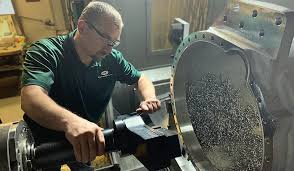
Introduction about Machining and Quality Technician
A Machining and Quality Technician plays a crucial role in the manufacturing industry, contributing to the production of high-quality precision components. This professional is adept at operating and maintaining various machining tools and equipment while ensuring that the manufactured parts meet strict quality standards.
Machining: Machining involves the controlled removal of material from a workpiece to achieve desired shapes, dimensions, and surface finishes. Machinists use a variety of tools, such as lathes, milling machines, grinders, and CNC (Computer Numerical Control) machines, to cut, shape, and finish raw materials like metal, plastic, or composite materials. Precision and accuracy are paramount in machining, as the final products often serve as critical components in larger systems or machinery.
Quality Technician: The Quality Technician aspect of the role emphasizes a commitment to maintaining high standards throughout the manufacturing process. Quality Technicians are responsible for inspecting and testing machined components to ensure they meet specifications and comply with industry standards. They employ various measurement tools and testing equipment to verify dimensions, tolerances, and material properties. Additionally, they may conduct statistical analysis to identify trends, address deviations, and implement corrective actions to enhance overall product quality.
Key Responsibilities of a Machining and Quality Technician:
Setup and Operation: Proficiently set up and operate machining equipment, ensuring proper tooling and machining parameters.
Precision Machining: Execute precision machining processes to meet design specifications and tolerances.
Quality Control: Perform inspections and quality checks at different stages of the manufacturing process to identify and rectify deviations promptly.
Testing and Measurement: Use a range of tools and equipment, including calipers, micrometers, gauges, and coordinate measuring machines (CMMs), to verify part dimensions and characteristics.
Documentation: Maintain accurate records of machining processes, inspections, and quality control activities.
Problem-solving: Collaborate with engineering and production teams to troubleshoot issues and implement corrective actions to improve overall product quality.
Adherence to Standards: Ensure compliance with industry regulations and quality standards to meet customer requirements.
Skills and Qualities:
Technical proficiency in machining operations and equipment.
Attention to detail and precision.
Knowledge of measurement tools and quality control techniques.
Analytical and problem-solving skills.
Ability to interpret technical drawings and specifications.
Effective communication and collaboration with cross-functional teams.
How can I apply for admission to Machining and Quality Technician program
To apply for admission to a Machining and Quality Technician program, you typically need to follow a series of steps. The specific requirements may vary depending on the educational institution and the program, but the following general guidelines should help you get started:
Research Programs: Start by researching institutions that offer Machining and Quality Technician programs. Look for colleges, technical schools, or vocational training centers that provide comprehensive training in machining, quality control, and related skills.
Admission Requirements: Check the admission requirements for the specific program you are interested in. Requirements may include a high school diploma or equivalent, transcripts, letters of recommendation, and possibly a personal statement or essay.
Prerequisites: Some programs may have prerequisites, such as a background in mathematics, physics, or other related subjects. Make sure you meet these requirements or be prepared to complete any necessary prerequisites.
Application Process: Follow the application process outlined by the institution. This usually involves completing an online or paper application form. Be prepared to provide personal information, educational history, and details about any relevant work experience.
Transcripts: Submit your high school transcripts or equivalent academic records. Some programs may also consider post-secondary education transcripts if applicable.
Letters of Recommendation: If required, obtain letters of recommendation from teachers, employers, or other individuals who can speak to your abilities and potential success in the program.
Entrance Exams: Some programs may require you to take entrance exams or assessments to evaluate your proficiency in relevant subjects. Prepare for these exams as needed.
Interviews or Portfolios: In some cases, you may be asked to participate in an interview or submit a portfolio showcasing relevant skills or projects. Be prepared to discuss your interest in the field and your motivation for pursuing the program.
Financial Aid: Explore financial aid options, scholarships, or grants that may be available to help fund your education. Check with the institution's financial aid office for guidance.
Submit Application Fee: Pay any required application fees. These fees may vary between institutions.
Application Deadline: Be mindful of application deadlines. Submit your application well before the deadline to ensure it is considered for the upcoming academic term.
Follow Up: After submitting your application, follow up with the admissions office to confirm that all required materials have been received. This ensures that your application is complete and ready for review.
What is the eligibility for Machining and Quality Technician
The eligibility criteria for Machining and Quality Technician programs can vary between institutions, but here are common requirements that you might encounter when considering admission to such programs:
Educational Background:
High School Diploma or Equivalent: Most programs require applicants to have a high school diploma or an equivalent qualification, such as a General Education Development (GED) certificate.
Specific Course Prerequisites: Some programs may have specific course prerequisites, especially in mathematics and physics. Make sure to check if there are any subject requirements.
Age and Legal Requirements:
Age Limit: There is typically no specific age limit for entry into Machining and Quality Technician programs.
Legal Requirements: Ensure that you meet any legal requirements for education and training in your region.
Transcripts:
High School Transcripts: Submit official transcripts from your high school or the equivalent educational institution.
Post-Secondary Transcripts (if applicable): If you have attended any post-secondary institutions, provide transcripts if required.
Letters of Recommendation:
Some programs may request letters of recommendation from teachers, employers, or other individuals who can speak to your qualifications and readiness for the program.
Entrance Exams:
Some institutions may require applicants to take entrance exams or assessments to evaluate their proficiency in relevant subjects. Check if there are any specific exams you need to complete.
Interviews or Portfolios:
Certain programs may require applicants to participate in interviews or submit portfolios showcasing relevant skills, projects, or experiences.
Work Experience (Optional):
While not always mandatory, having relevant work experience in machining or a related field may enhance your application. Check if the program considers work experience as a factor.
Language Proficiency:
For non-native English speakers, proof of English language proficiency may be required. This is often demonstrated through standardized tests such as the TOEFL or IELTS.
Application Fee:
Most institutions charge an application fee. Ensure that you pay the required fee when submitting your application.
Health and Safety Requirements:
Some programs may have health and safety requirements, such as immunizations or physical exams, especially if the coursework involves hands-on activities in a workshop or laboratory setting.
Background Checks:
Depending on the program and industry standards, there may be background check requirements.
How long does it take to complete a Master of Vocation in Software Development program
As of my last knowledge update in January 2022, the term "Master of Vocation in Software Development" is not a standard or widely recognized academic degree title. Traditional master's degrees related to software development are typically referred to as Master of Science (MSc) in Computer Science, Master of Computer Applications (MCA), or similar titles.
However, educational programs and degree titles can evolve, and new programs may be introduced. To obtain accurate and up-to-date information about the duration of a "Master of Vocation in Software Development" program, I recommend checking with the specific educational institution offering the program.
In general, traditional master's programs in software development or computer science typically take approximately 1.5 to 2 years to complete on a full-time basis. Part-time options may be available, extending the duration accordingly.
To get the most accurate information, visit the official website of the institution offering the program or contact the admissions office directly. They can provide details about the curriculum, credit requirements, and the expected duration of the program.
What are potential career opportunities after Machining and Quality Technician
Completing a Machining and Quality Technician program opens up various career opportunities in the manufacturing and engineering sectors. Here are some potential career paths and job opportunities:
Machinist:
As a machinist, you would operate machine tools such as lathes, milling machines, and CNC machines to produce precision parts according to engineering specifications.
CNC Programmer:
CNC programmers create and optimize programs that control CNC machines. This role involves understanding machining processes, interpreting technical drawings, and translating that information into code for computer-controlled machines.
Quality Control Inspector:
Quality control inspectors are responsible for ensuring that manufactured products meet quality standards. They inspect, test, and measure parts to verify adherence to specifications, identifying any defects or deviations.
Quality Assurance Technician:
Quality assurance technicians work to improve and maintain the overall quality of products. This role involves developing and implementing quality control procedures, conducting audits, and collaborating with production teams to address quality issues.
Manufacturing Engineer:
Manufacturing engineers focus on optimizing production processes. They may work on improving efficiency, reducing costs, and ensuring that products are manufactured with the highest quality standards.
Process Improvement Specialist:
Process improvement specialists analyze manufacturing processes to identify areas for improvement. They implement changes to enhance efficiency, reduce waste, and increase overall productivity.
Tool and Die Maker:
Tool and die makers create and repair tools, dies, and molds used in the manufacturing process. This role requires precision machining skills and the ability to work with a variety of materials.
Production Supervisor:
Production supervisors oversee the day-to-day operations on the shop floor, ensuring that production schedules are met, quality standards are maintained, and safety protocols are followed.
Materials Inspector:
Materials inspectors assess the quality and integrity of raw materials used in the manufacturing process. They may conduct tests and inspections to ensure that materials meet specified standards.
Metrology Technician:
Metrology technicians specialize in the measurement and calibration of tools and equipment used in manufacturing. They ensure that measurement instruments are accurate and that products are produced within specified tolerances.
Maintenance Technician:
Maintenance technicians are responsible for the upkeep and repair of machinery and equipment in a manufacturing setting. They play a crucial role in minimizing downtime and ensuring the continuous operation of production facilities.
These career paths highlight the diverse opportunities available to individuals with skills and training in machining and quality technology. The specific roles may vary based on the industry, company size, and the individual's specialization within the field. Continuous learning and staying updated on industry trends can further enhance career growth in this dynamic field.
Syllabus for Machining and Quality Technician
The syllabus for a Machining and Quality Technician program can vary depending on the specific institution and the level of the program (e.g., certificate, diploma, associate degree). However, I can provide a general overview of the topics and courses that are commonly included in such programs. Keep in mind that the actual syllabus may include specific details, projects, and hands-on components. Here's a broad outline:
Introduction to Machining Technology:
Overview of machining processes and technologies
Introduction to machine tools and equipment
Safety procedures in machining environments
Blueprint Reading and Technical Drawings:
Interpretation of engineering drawings and blueprints
Understanding geometric dimensioning and tolerancing (GD&T)
Machine Tool Operations:
Hands-on training in operating various machine tools, including lathes and milling machines
CNC machine operation and programming basics
Metrology and Measurement:
Use of measurement tools such as calipers, micrometers, and gauges
Introduction to coordinate measuring machines (CMMs)
Statistical process control (SPC) principles
Materials and Manufacturing Processes:
Study of materials used in manufacturing
Overview of different manufacturing processes, including casting, forging, and molding
Quality Control and Inspection Techniques:
Inspection methods and techniques for machined parts
Application of quality control standards
Root cause analysis and problem-solving
Computer-Aided Design (CAD) and Computer-Aided Manufacturing (CAM):
Introduction to CAD software for designing components
Basics of CAM for generating toolpaths for CNC machines
Tooling and Fixturing:
Understanding and designing tooling and fixtures for machining processes
Workplace Communication and Documentation:
Effective communication in a manufacturing environment
Documentation of machining processes and quality control procedures
Occupational Health and Safety:
Adherence to safety regulations and best practices in a machining setting
Professional Development and Ethics:
Professionalism in the workplace
Ethical considerations in manufacturing and quality control
Internship or Capstone Project:
Practical application of skills and knowledge in a real-world setting
Integration of machining and quality control concepts
Keep in mind that this is a general outline, and specific programs may have additional or unique components based on the institution's curriculum and industry partnerships. It's advisable to check with the specific educational institution offering the Machining and Quality Technician program for the most accurate and detailed syllabus.
Internship opportunities after completing Machining and Quality Technician
Completing a Machining and Quality Technician program opens up valuable opportunities for internships, allowing students to gain practical experience in real-world manufacturing settings. Internships provide hands-on exposure to the industry, enhance technical skills, and offer a chance to apply classroom knowledge in a professional environment. Here are some potential internship opportunities for individuals who have completed a Machining and Quality Technician program:
Manufacturing Companies:
Internships with manufacturing companies that specialize in producing precision components. This could involve working on the shop floor, operating machines, and participating in quality control activities.
Aerospace Industry:
Internships with aerospace companies that manufacture components for aircraft and spacecraft. This could include exposure to high-precision machining and stringent quality standards.
Automotive Manufacturing:
Opportunities with automotive manufacturers to gain experience in machining and quality control related to the production of vehicle components.
Medical Device Manufacturing:
Internships in the medical device industry, where precision machining is crucial for producing components used in medical equipment.
Tool and Die Shops:
Internships with tool and die shops that design and produce tools, molds, and dies. This provides exposure to the design and fabrication aspects of machining.
CNC Programming and Operations:
Internships focused on CNC programming and operations, allowing individuals to work with computer-controlled machining equipment.
Quality Control and Inspection Services:
Internships with companies specializing in quality control and inspection services. This could involve learning advanced inspection techniques and using sophisticated measurement equipment.
Research and Development (R&D):
Internships with companies engaged in R&D, where individuals can contribute to the development of new machining processes or the improvement of existing technologies.
Government Agencies and Defense Contractors:
Opportunities with government agencies or defense contractors involved in the production of precision components for military applications.
Engineering and Consulting Firms:
Internships with engineering or consulting firms that provide services to manufacturing industries. This could involve project work related to process improvement or quality enhancement.
Energy Sector:
Internships with companies in the energy sector, such as those involved in the production of components for renewable energy technologies or traditional power generation.
Networking and Professional Associations:
Explore internship opportunities through networking at industry events, job fairs, and by joining professional associations related to machining and quality control.
When seeking internships, it's important to actively engage with career services at the educational institution, explore online job platforms, and reach out to potential employers directly. Internships not only provide practical experience but also serve as a pathway for potential full-time employment in the industry after completing the Machining and Quality Technician program.
Scholarship and Grants for Machining and Quality Technician
Finding scholarships and grants for a Machining and Quality Technician program can significantly ease the financial burden of education. While specific opportunities may vary, here are some general avenues to explore:
Institutional Scholarships:
Many educational institutions offer scholarships based on academic achievement, leadership, or specific criteria. Check with the financial aid office of the institution offering the Machining and Quality Technician program for available opportunities.
Industry-Specific Scholarships:
Some industries or professional organizations related to machining and manufacturing may offer scholarships to support students pursuing careers in these fields. Explore associations such as the Society of Manufacturing Engineers (SME) or local industry groups for potential opportunities.
Corporate Sponsorships:
Companies in the manufacturing sector may offer sponsorships or scholarships to students pursuing education in machining and quality technology. Check with companies that align with your career goals.
Government Grants and Scholarships:
Government agencies at the local, state, or national level may offer grants or scholarships for students in technical fields. Explore government education websites or financial aid portals for relevant opportunities.
Foundation Grants:
Some private foundations and nonprofit organizations provide grants and scholarships for students pursuing technical education. Research foundations that support education and workforce development.
Professional Associations:
Explore scholarships offered by professional associations in the machining and manufacturing field. These associations may have specific programs to support students entering the industry.
Community and Vocational Organizations:
Local community organizations and vocational training centers may have scholarship programs for students pursuing technical education. Check with organizations in your community for potential opportunities.
Online Scholarship Databases:
Utilize online scholarship databases and platforms to search for opportunities related to technical education. Websites like Fastweb, Chegg, and College Board Scholarship Search can help you identify potential sources of financial aid.
Employer Tuition Assistance:
If you are already employed or plan to work part-time while studying, inquire about tuition assistance programs offered by your employer. Some companies provide financial support for employees pursuing relevant education.
Minority and Diversity Scholarships:
Explore scholarships designed to support underrepresented groups in technical fields. Some organizations focus on promoting diversity and inclusion in STEM (science, technology, engineering, and mathematics) disciplines.
Military and Veteran Benefits:
If you have a military background or are a veteran, explore educational benefits offered by the military, such as the GI Bill, which may cover tuition and other education-related expenses.
Conclusion
In conclusion, a career as a Machining and Quality Technician offers a dynamic and rewarding path in the manufacturing and engineering sectors. These professionals play a vital role in the production of precision components, ensuring that they meet stringent quality standards. With a strong foundation in machining operations, blueprint reading, and quality control techniques, Machining and Quality Technicians contribute to the efficiency and reliability of manufacturing processes.
FAQ’s
1. What is a Machining and Quality Technician?
A Machining and Quality Technician is a professional trained in the operation of machining tools and equipment to produce precision components. They are also skilled in quality control and inspection processes to ensure manufactured parts meet specified standards.
2. What does a Machining and Quality Technician do?
Machining and Quality Technicians operate and maintain machine tools, interpret technical drawings, conduct quality control inspections, and ensure that machined components meet design specifications and tolerances.
3. What industries employ Machining and Quality Technicians?
Machining and Quality Technicians can find employment in various industries, including manufacturing, aerospace, automotive, electronics, medical device manufacturing, and more.
4. What skills are essential for a Machining and Quality Technician?
Essential skills include proficiency in machining operations, knowledge of measurement tools, the ability to read technical drawings, attention to detail, problem-solving, and effective communication.
5. How long does it take to become a Machining and Quality Technician?
The duration can vary, but training programs for Machining and Quality Technicians often range from several months to two years, depending on the level of education (certificate, diploma, associate degree).
6. What educational qualifications are required to become a Machining and Quality Technician?
Typically, a high school diploma or equivalent is the minimum requirement. Completing a specialized training program or earning an associate degree in machining or a related field enhances job prospects.
7. Are internships available for Machining and Quality Technician students?
Yes, internships are commonly available and highly recommended. They provide hands-on experience, exposure to real-world manufacturing environments, and opportunities to apply classroom knowledge.
8. What career paths can Machining and Quality Technicians pursue?
Career paths include roles such as machinist, CNC programmer, quality control inspector, manufacturing engineer, and more. The specific path may depend on individual interests and specialization.
9. Are there certifications for Machining and Quality Technicians?
Yes, there are certifications available, such as those offered by the National Institute for Metalworking Skills (NIMS) or the American Society for Quality (ASQ). These certifications validate specific skills and knowledge in the field.
10. How can I find job opportunities as a Machining and Quality Technician? - Job opportunities can be found through online job boards, company websites, industry associations, and networking events. Additionally, reaching out to career services at educational institutions and participating in job fairs can be beneficial.
How Shiksha Hub helps you in
-
 Student Counsellors
 -
 Career Counseling
 -
 Research
 -
 24/7 Support
 -
 Scholarships
 -
 Community