Posted by Admin on 19-07-2023 in Shiksha hub
Manufacturing Of Jute Bags, Door Mats, Table Mats Introduction, Admission, Registration, Eligibility, Duration, Fees, Syllabus 2024
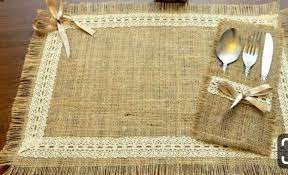
Introduction about Manufacturing Of Jute Bags, Door Mats, Table Mats
Manufacturing jute bags, door mats, and table mats involves the utilization of one of the oldest and most versatile natural fibers – jute. Jute, a plant fiber derived from the Corchorus genus, is known for its eco-friendly and biodegradable properties. The manufacturing process of jute products, such as bags, door mats, and table mats, typically encompasses several key stages.
1. Harvesting and Retting: The process begins with the harvesting of mature jute plants. After harvesting, the jute fibers are extracted from the stalks through a process known as retting. Retting involves immersing the jute stems in water to facilitate the separation of fibers from the non-fibrous material.
2. Fiber Extraction: Once retted, the jute fibers are extracted and left to dry. This step is crucial in ensuring the quality and strength of the fibers. The dried fibers are then bundled for further processing.
3. Spinning: The jute fibers are spun into yarn through a spinning process. This yarn serves as the basic building block for the production of various jute products. The thickness and quality of the yarn can be adjusted to meet the specific requirements of different products.
4. Weaving: The jute yarn is woven into fabric using traditional weaving techniques. This fabric serves as the base material for manufacturing bags, door mats, and table mats. The weaving process can vary in complexity, resulting in different patterns and textures.
5. Dyeing and Printing: To enhance the visual appeal of the final products, the jute fabric may undergo dyeing and printing processes. Dyes and prints not only add color but also allow for creative designs and customization based on market demands.
6. Cutting and Stitching: The dyed and printed jute fabric is cut into specific patterns for each product – bags, door mats, or table mats. Skilled artisans then stitch the cut pieces together using sewing machines or hand stitching techniques, ensuring the durability and longevity of the end products.
7. Finishing touches: The final stage involves adding finishing touches, such as handles for bags or anti-slip backing for mats. Quality control measures are implemented to ensure that the products meet the desired standards in terms of strength, appearance, and functionality.
8. Packaging and Distribution: Once the products pass quality checks, they are packaged and prepared for distribution. The eco-friendly nature of jute products aligns with the growing global demand for sustainable alternatives, making them popular choices for environmentally conscious consumers.
How can I apply for admission to Manufacturing Of Jute Bags, Door Mats, Table Mats program
To apply for admission to a program focused on the manufacturing of jute bags, door mats, and table mats, you typically need to follow a standard application process. Here are the general steps you might take:
Research Programs: Begin by researching universities, colleges, or vocational institutions that offer programs related to textile manufacturing or specifically focus on jute product manufacturing. Look for institutions with a strong reputation in this field.
Check Admission Requirements: Review the admission requirements for the specific program you are interested in. This may include educational qualifications, prerequisite courses, and any additional criteria set by the institution.
Prepare Required Documents: Gather all the necessary documents for the application. Common documents include:
High school or previous education transcripts
Letters of recommendation
Statement of purpose or personal statement
Resume or curriculum vitae (CV)
Any standardized test scores required by the institution
Application Form: Complete the application form provided by the institution. This may be available online or in a physical format, depending on the institution's application process.
Application Fee: Pay the application fee, if applicable. Some institutions charge a fee to process your application, so be sure to check and make the necessary payment.
Submit Application: Submit your completed application along with all required documents to the admissions office of the institution. Ensure that you meet the application deadlines.
Interviews or Tests: Some programs may require interviews or specific tests as part of the application process. Prepare for these if they are a requirement.
Financial Aid and Scholarships: If you need financial assistance, explore available scholarships, grants, or financial aid options. Check with the institution's financial aid office for guidance.
Wait for Admission Decision: After submitting your application, patiently wait for the admission decision. This process may take some time, so stay informed about any updates from the institution.
Acceptance and Enrollment: If you receive an offer of admission, carefully review the acceptance letter and follow the instructions for enrollment. This may involve confirming your intention to attend, paying any enrollment deposits, and registering for classes.
Orientation: Attend any orientation sessions provided by the institution to familiarize yourself with the program, facilities, and other important information.
What is the eligibility for Manufacturing Of Jute Bags, Door Mats, Table Mats
The eligibility criteria for a program in the manufacturing of jute bags, door mats, and table mats can vary depending on the specific institution and the level of the program (e.g., diploma, undergraduate, or postgraduate). However, here are some common eligibility factors:
Educational Qualifications:
For a diploma program, you may need a high school diploma or equivalent qualification.
For an undergraduate program, a higher secondary education certificate or its equivalent is typically required.
For a postgraduate program, a bachelor's degree in a relevant field is usually necessary.
Specific Course Prerequisites:
Some programs may have specific prerequisite courses or subjects related to textiles, manufacturing, or a similar field. Check the program requirements for details.
Minimum GPA:
Institutions may have a minimum grade point average (GPA) requirement for admission. This requirement can vary, so review the specific criteria set by the institution.
Language Proficiency:
If the program is offered in a language other than your native language, you may need to demonstrate proficiency in that language through standardized tests such as the TOEFL or IELTS.
Letters of Recommendation:
Some programs may require letters of recommendation from teachers, professors, or employers. These letters should speak to your academic or professional qualifications and potential for success in the program.
Statement of Purpose (SOP) or Personal Statement:
Many institutions require applicants to submit a statement of purpose or personal statement. This document typically outlines your motivation for pursuing the program and your career goals.
Work Experience (if applicable):
Certain programs, especially at the postgraduate level, may prefer or require applicants to have relevant work experience in the field.
Portfolio (if applicable):
For creative programs, such as those focused on design, a portfolio showcasing your work may be required. This could include samples of jute bags, door mats, or table mats you have created, if applicable.
Entrance Exams (if applicable):
Some institutions may require applicants to take specific entrance exams related to the field of study. Check whether the program you're interested in has such requirements.
Interview (if applicable):
In some cases, applicants may be required to attend an interview as part of the admission process. This interview may assess your suitability for the program.
How long does it take to complete a Manufacturing Of Jute Bags, Door Mats, Table Mats program
The duration of a program focused on the manufacturing of jute bags, door mats, and table mats can vary depending on the level of the program and the educational institution offering it. Here are general guidelines for different levels of programs:
Diploma Program:
A diploma program in manufacturing of jute products typically takes around 6 months to 1 year to complete. These programs are often designed to provide practical skills and hands-on training.
Undergraduate Program:
A bachelor's degree program in a related field, such as textile engineering or industrial design with a focus on jute products, usually takes around 3 to 4 years to complete. This duration may vary based on the structure of the curriculum and the institution.
Postgraduate Program:
A master's degree program in the manufacturing of jute products or a related field generally takes 1 to 2 years to complete. The duration may depend on factors such as whether the program is thesis-based or course-based.
It's important to note that these are general estimates, and the actual duration can vary based on factors such as the specific curriculum of the program, the institution's academic calendar, and whether the program is offered on a full-time or part-time basis.
Additionally, some institutions may offer shorter-term certificate programs or workshops that focus specifically on jute product manufacturing techniques. These shorter programs may range from a few weeks to a few months, providing participants with targeted skills in a condensed timeframe.
What are potential career opportunities after Manufacturing Of Jute Bags, Door Mats, Table Mats
Graduates of a program in the manufacturing of jute bags, door mats, and table mats can explore various career opportunities in the textile and manufacturing industries. Here are some potential career paths:
Product Designer:
Work on designing new and innovative jute products, including bags, door mats, and table mats. This role involves combining creativity with an understanding of manufacturing processes to create aesthetically pleasing and functional products.
Production Manager:
Oversee the manufacturing process of jute products. Responsibilities may include managing production schedules, ensuring quality control, and optimizing manufacturing efficiency.
Quality Control Inspector:
Inspect finished jute products to ensure they meet quality standards. This role involves conducting thorough checks on materials, dimensions, and overall product quality.
Supply Chain Manager:
Manage the logistics and distribution of jute products, ensuring a smooth flow from production to delivery. This role involves coordinating with suppliers, manufacturers, and distributors to optimize the supply chain.
Entrepreneur/Small Business Owner:
Start your own business specializing in the manufacturing and sale of jute products. This could involve establishing a brand, designing unique products, and managing the entire production and sales process.
Marketing and Sales:
Work in marketing and sales roles for companies that manufacture jute products. This involves promoting products, identifying market trends, and developing strategies to increase sales.
Sustainability Consultant:
With a growing focus on sustainable and eco-friendly products, professionals in this role advise companies on incorporating sustainable practices into their jute product manufacturing processes.
Research and Development Specialist:
Conduct research to improve manufacturing techniques, develop new materials, or enhance the functionality of jute products. This role involves staying updated on industry trends and technological advancements.
Textile Technologist:
Apply knowledge of textile engineering to improve the manufacturing processes of jute products. This role may involve troubleshooting production issues, optimizing machinery, and ensuring the use of efficient technologies.
Export-Import Manager:
Manage international trade of jute products, coordinating the export and import processes. This role involves understanding international regulations, logistics, and market trends.
Educator/Trainer:
Share your expertise by becoming an educator or trainer in institutions or workshops that focus on textile manufacturing. This role allows you to contribute to the education and skill development of future professionals in the field.
Syllabus for Manufacturing Of Jute Bags, Door Mats, Table Mats
The specific syllabus for a program in the manufacturing of jute bags, door mats, and table mats can vary depending on the educational institution, the level of the program (diploma, undergraduate, postgraduate), and the specific focus of the curriculum. However, here's a general outline that may be applicable to such a program:
Diploma Program:
1. Introduction to Textile Materials:
Basics of jute fiber and its properties.
Understanding different types of textiles used in manufacturing.
2. Jute Processing and Manufacturing Techniques:
Harvesting and retting processes.
Fiber extraction and spinning techniques.
Weaving and fabric production.
3. Design Principles:
Introduction to design concepts relevant to jute products.
Developing patterns for bags, door mats, and table mats.
4. Dyeing and Printing:
Techniques of dyeing jute fibers and fabrics.
Printing methods for adding visual appeal to the products.
5. Cutting and Stitching:
Techniques for cutting jute fabric efficiently.
Stitching methods for durability and aesthetic appeal.
6. Quality Control in Manufacturing:
Inspection and quality assurance processes.
Addressing common issues in jute product manufacturing.
7. Environmental and Sustainability Aspects:
Understanding the eco-friendly nature of jute.
Sustainable practices in manufacturing.
8. Project Work:
Practical application of learned skills in creating jute products.
Undergraduate Program:
In addition to the above, an undergraduate program may include:
9. Textile Technology:
In-depth study of textile engineering principles.
Machinery used in textile manufacturing.
10. Business and Marketing: - Basics of business management. - Marketing strategies for jute products.
11. Advanced Design and Innovation: - Advanced design techniques for jute products. - Incorporating innovation into product design.
12. Industrial Training: - Practical training in manufacturing settings.
Postgraduate Program:
In addition to the above, a postgraduate program may include:
13. Research Methods: - Research methodologies applicable to the textile industry. - Design and implementation of research projects.
14. Advanced Manufacturing Techniques: - Advanced machinery and automation in jute product manufacturing. - Optimization of production processes.
15. Global Trends in Textiles: - Understanding international markets and trends. - Export-import considerations in the textile industry.
16. Thesis or Project: - In-depth research or a practical project related to jute product manufacturing.
Internship opportunities after completing Manufacturing Of Jute Bags, Door Mats, Table Mats
After completing a program in the manufacturing of jute bags, door mats, and table mats, securing an internship can be a valuable step towards gaining practical experience in the field. Here are some potential internship opportunities that graduates might explore:
Jute Product Manufacturing Companies:
Internships with companies specializing in the production of jute products, including bags, door mats, and table mats. This could involve hands-on experience in the manufacturing process, quality control, and design aspects.
Textile Design Studios:
Interning with textile design studios that focus on eco-friendly and sustainable materials. This experience can provide exposure to creative design processes and collaboration with designers.
Export-Import Companies:
Internships with companies involved in the export and import of jute products. This can offer insights into the global supply chain, market trends, and trade regulations related to jute-based goods.
Sustainability Organizations:
Interning with organizations that focus on sustainable practices in the textile industry. This experience can provide a broader understanding of environmentally conscious manufacturing and its importance in the market.
Quality Assurance and Testing Labs:
Internships with laboratories specializing in quality assurance and testing of textiles. This hands-on experience can involve conducting tests on jute materials to ensure they meet industry standards.
Marketing and Sales Roles:
Internships with companies involved in the marketing and sales of jute products. This could include tasks related to market research, promotional activities, and understanding consumer preferences.
Research and Development Centers:
Interning at research and development centers focused on textiles. This experience may involve participating in projects aimed at improving manufacturing processes, developing new materials, or enhancing product functionality.
Entrepreneurial Ventures:
Internships with entrepreneurs or small businesses specializing in jute product manufacturing. This hands-on experience can provide insights into the challenges and rewards of running a business in this niche.
Government or Non-Governmental Organizations (NGOs):
Interning with government bodies or NGOs involved in promoting sustainable practices in the textile industry. This experience may include contributing to initiatives related to promoting jute as an eco-friendly material.
Trade Associations:
Internships with trade associations related to the textile and jute industry. This can provide exposure to industry events, networking opportunities, and staying informed about the latest developments in the field.
Scholarship and Grants for Manufacturing Of Jute Bags, Door Mats, Table Mats
Scholarships and grants for programs related to the manufacturing of jute bags, door mats, and table mats may be available from various sources, including educational institutions, government bodies, and private organizations. Here are some potential avenues to explore for financial assistance:
Educational Institutions:
Many universities and colleges offer scholarships to students pursuing programs in textile engineering, design, or related fields. Check with the financial aid office of the institution you plan to attend for information on available scholarships.
Government Scholarships:
Government agencies at the national, state, or regional levels may provide scholarships for students in the field of textiles and manufacturing. Research government scholarship programs in your country to identify potential opportunities.
Industry Associations and Organizations:
Textile and jute industry associations may offer scholarships or grants to support students entering the field. Explore organizations such as the International Jute Study Group (IJSG) or local textile industry associations.
Corporate Sponsorships:
Some companies involved in jute product manufacturing or related industries may sponsor scholarships for students pursuing relevant programs. Check with companies that align with your career interests.
Nonprofit Organizations:
Nonprofit organizations focused on sustainable practices, environmental conservation, or the promotion of eco-friendly materials may provide scholarships for students studying jute product manufacturing.
Research Grants:
Look for research grants offered by institutions or organizations interested in supporting innovative projects related to jute product manufacturing. These grants may be available at the national or international level.
Textile Design Competitions:
Participating in textile design competitions can sometimes lead to scholarship opportunities. Winning or demonstrating exceptional skills in these competitions may attract the attention of sponsors.
Online Scholarship Databases:
Explore online scholarship databases and platforms that aggregate scholarship opportunities. Websites like Scholarship.com, Fastweb, or Chegg may have listings relevant to your field of study.
Professional Associations:
Professional associations related to textiles, design, or manufacturing may offer scholarships to students pursuing careers in these fields. Examples include the Textile Institute or the Industrial Fabrics Association International (IFAI).
Community Foundations:
Local or regional community foundations may provide scholarships to support students from specific areas or pursuing particular fields of study. Check with foundations in your community for potential opportunities.
Conclusion
In conclusion, the manufacturing of jute bags, door mats, and table mats represents not only a craft but a commitment to sustainability and eco-friendly living. The journey from the cultivation of jute fibers to the creation of these functional and stylish products is a testament to the versatility and environmental benefits of this natural material.
FAQ’s
Q1: What is the significance of jute in manufacturing bags, door mats, and table mats?
A1: Jute is a natural fiber known for its eco-friendly and biodegradable properties. It is sustainable, durable, and has a unique texture, making it an ideal material for manufacturing environmentally conscious products like bags, door mats, and table mats.
Q2: How can I pursue a career in manufacturing jute products?
A2: To pursue a career in manufacturing jute products, consider enrolling in a relevant educational program such as textile engineering, design, or a specialized course in jute product manufacturing. Gain hands-on experience through internships and explore job opportunities in the textile industry.
Q3: What skills are essential for success in the manufacturing of jute products?
A3: Key skills include a good understanding of textile manufacturing processes, design skills for creating aesthetically pleasing products, knowledge of sustainable practices, quality control expertise, and the ability to adapt to evolving industry trends.
Q4: Are there specific certifications for jute product manufacturing?
A4: While there may not be specific certifications solely for jute product manufacturing, relevant certifications in textile engineering, design, or sustainable practices can enhance your qualifications in this field.
Q5: What are the environmental benefits of using jute products?
A5: Jute is a renewable resource that requires minimal pesticides and fertilizers for cultivation. Products made from jute are biodegradable and contribute to reducing environmental impact compared to synthetic alternatives.
Q6: Can I start my own business in manufacturing jute products?
A6: Yes, starting a business in manufacturing jute products is a viable option. It involves understanding market demand, developing unique designs, ensuring quality production, and considering sustainability factors. Entrepreneurial skills and industry knowledge are crucial.
Q7: Are there international opportunities in the jute product manufacturing industry?
A7: Yes, the demand for eco-friendly products has created international opportunities in the jute product manufacturing industry. Explore export-import possibilities, collaborate with global partners, and stay informed about international market trends.
Q8: How can I stay updated on advancements in jute product manufacturing?
A8: Stay connected with industry publications, attend conferences and trade shows, join relevant professional associations, and participate in online forums. Networking with professionals and staying informed about technological advancements will keep you updated.
Q9: Are there research opportunities in the field of jute product manufacturing?
A9: Yes, there are research opportunities in areas such as improving manufacturing processes, developing new jute blends, and exploring innovative design techniques. Look for research grants, collaborations with research institutions, and industry-sponsored projects.
Q10: What are the trends in consumer preferences for jute products?
A10: Current trends indicate a growing preference for sustainable and eco-friendly products. Consumers value unique designs, durability, and the use of natural materials. Stay attuned to consumer preferences to create products that align with market demands.
How Shiksha Hub helps you in
-
 Student Counsellors
 -
 Career Counseling
 -
 Research
 -
 24/7 Support
 -
 Scholarships
 -
 Community