Posted by Admin on 19-07-2023 in Shiksha hub
Master of Vocation in Medical Imaging Technology Introduction, Admission, Registration, Eligibility, Duration, Fees, Syllabus 2024
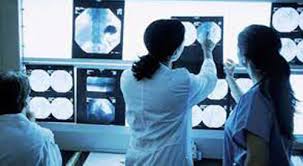
Introduction about Master of Vocation in Medical Imaging Technology
The Master of Vocation in Medical Imaging Technology (MVSc in MIT) is an advanced and specialized postgraduate program designed to equip students with the necessary skills and knowledge in the field of medical imaging. This program integrates both theoretical learning and practical training to produce professionals who are adept at using cutting-edge imaging technologies for diagnostic and therapeutic purposes.
Medical Imaging Technology encompasses a range of techniques used to create visual representations of the interior of a body for clinical analysis and medical intervention. The Master of Vocation in MIT program is structured to provide a comprehensive understanding of various imaging modalities such as X-ray, computed tomography (CT), magnetic resonance imaging (MRI), ultrasound, and nuclear medicine. Students also delve into emerging technologies and advancements in the field.
The curriculum typically covers anatomy, physiology, pathology, and the principles underlying different imaging modalities. Students are trained to operate and interpret imaging equipment accurately, ensuring precision in diagnostic procedures. Additionally, they gain insights into patient care, safety protocols, and ethical considerations relevant to medical imaging.
The program places a significant emphasis on hands-on experience through clinical rotations and internships, allowing students to apply their knowledge in real-world medical settings. This practical exposure not only hones technical skills but also fosters effective communication and collaboration with healthcare professionals.
Graduates of the Master of Vocation in Medical Imaging Technology are well-prepared for diverse career opportunities in hospitals, diagnostic imaging centers, research institutions, and other healthcare settings. They play a crucial role in supporting physicians and healthcare teams by providing essential diagnostic information for accurate treatment planning.
How can I apply for admission to Master of Vocation in Medical Imaging Technology program
To apply for admission to a Master of Vocation in Medical Imaging Technology (MVSc in MIT) program, you typically need to follow a set of application procedures outlined by the educational institution offering the program. Here is a general guide on how you can apply:
Research Programs: Start by researching universities or institutions that offer the Master of Vocation in Medical Imaging Technology program. Look for reputable institutions known for their quality education and strong programs in medical imaging.
Check Admission Requirements: Review the admission requirements for the specific program you are interested in. Requirements may include a relevant bachelor's degree, prerequisite courses, a minimum GPA, and, in some cases, relevant work experience.
Prepare Application Materials: Gather the necessary application materials. This typically includes:
Completed application form: Obtain the application form from the university's official website or admissions office.
Academic transcripts: Provide transcripts from your previous educational institutions.
Letters of recommendation: Include letters from professors, employers, or professionals who can attest to your academic and professional abilities.
Statement of purpose: Write a statement outlining your academic and career goals, and why you want to pursue the Master of Vocation in MIT.
Resume/CV: Highlight relevant education, work experience, and skills.
Standardized test scores: Some programs may require GRE or other relevant test scores.
Application Fee: Pay the required application fee, if applicable. This fee is often non-refundable and covers the cost of processing your application.
Submit Application: Submit your completed application and all required materials by the specified deadline. Most universities have an online application system where you can upload your documents. Ensure that you have provided all the necessary information accurately.
Interview (if required): Some programs may require an interview as part of the admission process. Be prepared to discuss your academic and career goals, as well as your interest in the program.
Financial Aid and Scholarships: If you need financial assistance, explore scholarship and financial aid opportunities offered by the university. Check the application deadlines for these opportunities and submit any additional materials required.
Wait for Admission Decision: After submitting your application, wait for the admission decision. This may take several weeks, so be patient. If you are accepted, you will receive an official admission letter.
Acceptance and Enrollment: If admitted, follow the instructions provided in your acceptance letter to secure your spot in the program. This may involve submitting a confirmation of enrollment and paying any required deposits.
What is the eligibility for Master of Vocation in Medical Imaging Technology
The eligibility criteria for a Master of Vocation in Medical Imaging Technology (MVSc in MIT) program may vary depending on the specific requirements of the institution offering the program. However, here are some common eligibility criteria that you might encounter:
Educational Qualifications:
A bachelor's degree in a relevant field such as Radiography, Medical Imaging Technology, Medical Laboratory Technology, or a related discipline.
The bachelor's degree should be from a recognized university or educational institution.
Minimum GPA or Percentage:
Many institutions set a minimum GPA or percentage requirement for admission. This requirement may vary, so it's essential to check the specific criteria of the program you are interested in.
Prerequisite Courses:
Some programs may have specific prerequisite courses that applicants are required to have completed during their undergraduate studies. These courses may include anatomy, physiology, physics, or others related to medical imaging.
Entrance Exams:
Some institutions may require applicants to submit scores from relevant entrance exams, such as the Graduate Record Examination (GRE) or other standardized tests. Check the program's admission requirements to see if any entrance exams are necessary.
Work Experience (if applicable):
Some programs may prefer or require applicants to have relevant work experience in the field of medical imaging. This could include experience as a radiologic technologist or in a related role.
Letters of Recommendation:
Submission of letters of recommendation from professors, employers, or professionals who can attest to the applicant's academic and professional abilities.
Statement of Purpose:
A well-written statement of purpose that outlines the applicant's academic and career goals, as well as their motivation for pursuing the Master of Vocation in Medical Imaging Technology.
Interview (if required):
Some institutions may conduct interviews as part of the admission process. This allows the admissions committee to assess the applicant's communication skills, motivation, and suitability for the program.
How long does it take to complete a program Master of Vocation in Medical Imaging Technology
The duration of a Master of Vocation in Medical Imaging Technology (MVSc in MIT) program can vary depending on the country, the educational institution, and the specific structure of the program. However, in general, a Master's program in Medical Imaging Technology typically takes about 2 years to complete.
Here's a breakdown of the typical duration:
Full-Time Program:
Many Master's programs in Medical Imaging Technology are designed to be completed on a full-time basis. In a full-time program, students typically take a set number of courses each semester, engage in clinical rotations, and may also complete a research project or thesis.
The full-time program usually spans four semesters, with each semester lasting around 15 to 16 weeks.
Part-Time Options:
Some institutions may offer part-time options for students who are working or have other commitments. Part-time programs may have a more extended duration, often allowing students to spread their coursework over a longer period.
Internship or Clinical Rotations:
Master's programs in Medical Imaging Technology often include a significant practical component, such as clinical rotations or internships. The duration of these hands-on experiences can vary but is typically integrated into the overall program timeline.
Thesis or Research Project:
Some programs may require students to complete a thesis or research project, which can contribute to the overall program duration. The time dedicated to research may vary based on the program's requirements.
What are potential career opportunities after Master of Vocation in Medical Imaging Technology
A Master of Vocation in Medical Imaging Technology opens up a range of rewarding career opportunities in the field of medical imaging and diagnostic healthcare. Graduates with this qualification are well-equipped to work with advanced imaging technologies and play a crucial role in the diagnosis and treatment of various medical conditions. Here are some potential career opportunities:
Radiologic Technologist:
Operating X-ray, CT, MRI, and other imaging equipment to produce medical images for diagnosis.
Collaborating with healthcare professionals to ensure accurate and high-quality imaging.
MRI Technologist:
Specializing in magnetic resonance imaging (MRI) technology to create detailed images of internal body structures.
Conducting scans and assisting in the interpretation of results.
CT Technologist:
Focusing on computed tomography (CT) scanning to produce cross-sectional images of the body.
Performing CT procedures and ensuring patient safety.
Ultrasound Technologist:
Using ultrasound technology to create images of organs, tissues, and blood flow.
Conducting ultrasound examinations and working closely with physicians.
Nuclear Medicine Technologist:
Administering radioactive substances for imaging and therapeutic purposes.
Operating gamma cameras and other specialized equipment.
Radiation Therapy Technologist:
Administering radiation therapy to treat cancer and other medical conditions.
Collaborating with oncologists and other healthcare professionals.
Medical Imaging Manager or Supervisor:
Overseeing the daily operations of a medical imaging department.
Managing staff, budgets, and ensuring compliance with regulatory standards.
Clinical Educator or Instructor:
Training and educating new technologists or students in medical imaging programs.
Developing and delivering educational programs.
Medical Imaging Researcher:
Engaging in research related to advancements in medical imaging technology.
Contributing to the development of new imaging techniques and technologies.
PACS (Picture Archiving and Communication System) Administrator:
Managing and maintaining the digital imaging database and systems.
Ensuring the secure storage and retrieval of medical images.
Healthcare IT Specialist:
Applying expertise in medical imaging technology to support and optimize healthcare information systems.
Collaborating with IT teams to integrate imaging technologies with electronic health records.
Syllabus for Master of Vocation in Medical Imaging Technology
The specific syllabus for a Master of Vocation in Medical Imaging Technology (MVSc in MIT) can vary between universities and programs. However, I can provide you with a general overview of the topics that are often covered in such programs. Keep in mind that the actual syllabus may include additional courses, electives, and practical components. It's advisable to check the curriculum of the specific institution offering the program for the most accurate and up-to-date information. Here is a typical outline of the syllabus:
Core Courses:
Medical Imaging Physics: Principles of physics as applied to medical imaging technologies, including X-ray, MRI, CT, ultrasound, and nuclear medicine.
Anatomy and Physiology: In-depth study of human anatomy and physiology relevant to medical imaging.
Advanced Imaging Modalities:
Radiographic Imaging: Techniques and procedures related to X-ray and fluoroscopy imaging.
Computed Tomography (CT): Principles, applications, and protocols for CT imaging.
Magnetic Resonance Imaging (MRI): Theory, techniques, and interpretation of MRI scans.
Ultrasound Imaging: Principles of ultrasound, instrumentation, and image interpretation.
Nuclear Medicine: Radiopharmaceuticals, imaging procedures, and interpretation in nuclear medicine.
Radiation Safety and Protection:
Radiation Biology: Biological effects of ionizing radiation on living tissues.
Radiation Safety and Protection: Principles and practices for ensuring the safety of patients and healthcare professionals.
Clinical Training and Internship:
Clinical Practicum: Hands-on training in medical imaging procedures and techniques.
Internship/Rotation: Clinical rotations in various imaging departments to gain practical experience.
Research Methodology:
Research Techniques in Medical Imaging: Introduction to research methods, study design, and data analysis.
Professional Development:
Ethics in Medical Imaging: Ethical considerations and professional conduct in the field.
Communication Skills: Effective communication with patients and healthcare teams.
Elective Courses:
Advanced Topics in Medical Imaging: Specialized courses on emerging technologies or specific imaging modalities.
Healthcare Management: Principles of healthcare administration and management.
Seminar and Capstone Project/Thesis:
Seminar Series: Discussions on current issues, research findings, and advancements in medical imaging.
Capstone Project/Thesis: Independent research project or thesis on a relevant topic in medical imaging.
Internship opportunities after completing Master of Vocation in Medical Imaging Technology
After completing a Master of Vocation in Medical Imaging Technology, graduates often have various internship and job opportunities in the field of medical imaging. Internships provide valuable hands-on experience, allowing individuals to apply their theoretical knowledge in real-world clinical settings. Here are some potential internship opportunities:
Clinical Internship:
Many programs include a clinical internship as part of the curriculum. This involves working in a hospital or medical imaging center under the supervision of experienced technologists.
Tasks may include conducting imaging procedures, working with patients, and collaborating with healthcare professionals.
Specialized Imaging Modality Internship:
Graduates may pursue internships that focus on a specific imaging modality such as MRI, CT, ultrasound, or nuclear medicine.
These internships provide in-depth training and experience in the chosen specialty.
Hospital-Based Internship:
Internships within hospital settings allow individuals to gain exposure to a wide range of medical conditions and patient populations.
Interns may rotate through different departments, gaining experience in various imaging procedures.
Private Imaging Centers:
Private imaging centers often offer internships for graduates to gain experience in a non-hospital setting.
Interns may work with cutting-edge equipment and technologies used in diagnostic imaging.
Research Internship:
Some graduates may choose to pursue research internships, collaborating with researchers and scientists in medical imaging.
This type of internship may involve working on projects related to advancements in imaging technology.
Teaching Internship:
Individuals interested in education and training may seek internships in academic institutions or training centers.
Interns may assist in teaching, curriculum development, and hands-on training for students.
Industry Internships:
Companies that manufacture medical imaging equipment or develop imaging software may offer internships.
Interns may be involved in product development, testing, or providing technical support.
Global Health Internships:
Some graduates may choose internships in international settings, contributing to healthcare initiatives or medical missions.
This experience can provide exposure to diverse healthcare systems and challenges.
Healthcare Administration Internship:
Internships in healthcare administration or management may be suitable for those interested in the organizational aspects of medical imaging departments.
Tasks may include project management, quality assurance, and process improvement initiatives.
Continuing Education Internship:
Internships with organizations focused on continuing education and professional development in medical imaging.
Involvement in the creation of educational materials, workshops, or online courses.
Scholarship and Grants for Master of Vocation in Medical Imaging Technology
Scholarships and grants for a Master of Vocation in Medical Imaging Technology (MVSc in MIT) can be available from various sources, including universities, government programs, private organizations, and professional associations. Here are some potential avenues for financial support:
University Scholarships:
Many universities offer scholarships or merit-based financial aid for graduate students. These may be based on academic achievement, leadership qualities, or specific criteria set by the institution.
Check with the university's financial aid office or the department offering the Medical Imaging Technology program for information on available scholarships.
Government Scholarships and Grants:
Government agencies at the national or regional level may provide scholarships or grants for students pursuing advanced degrees in healthcare fields.
Explore government websites, scholarship databases, and relevant healthcare departments for information on available funding.
Professional Associations:
Professional organizations related to medical imaging, radiology, or healthcare technology often offer scholarships or grants to support the education of students in the field.
Examples include the American Society of Radiologic Technologists (ASRT) or the Radiological Society of North America (RSNA).
Industry-Specific Scholarships:
Companies in the healthcare and medical imaging industry may have scholarship programs to support students pursuing advanced degrees.
Check with major medical equipment manufacturers, pharmaceutical companies, or imaging technology firms for potential opportunities.
Nonprofit Organizations:
Nonprofit organizations focused on healthcare, education, or medical research may offer scholarships or grants for students pursuing studies in Medical Imaging Technology.
Research nonprofit organizations that align with your field of study and career goals.
Community Foundations:
Local community foundations and charitable organizations may have scholarship programs for students in the region.
Explore opportunities provided by foundations in your community or the community where you plan to study.
Diversity and Inclusion Scholarships:
Some scholarships are specifically designated for underrepresented groups or individuals from diverse backgrounds.
Explore scholarships that promote diversity and inclusion in the healthcare field.
Research Grants:
If you are interested in research within medical imaging, consider applying for research grants offered by governmental agencies, private foundations, or research institutions.
Fulbright Program:
The Fulbright Program offers scholarships for international students to study in the United States and vice versa. Explore whether your country participates in the Fulbright Program.
Online Scholarship Databases:
Use online scholarship databases to search for opportunities that match your criteria. Websites like Scholarship.com, Fastweb, and Chegg can be valuable resources.
Conclusion
In conclusion, the Master of Vocation in Medical Imaging Technology (MVSc in MIT) is a dynamic and specialized program that equips graduates with advanced knowledge and practical skills in various diagnostic imaging modalities. This comprehensive curriculum covers essential aspects of medical imaging, including X-ray, MRI, CT, ultrasound, and nuclear medicine, providing a well-rounded understanding of the field.
FAQ’s
What is a Master of Vocation in Medical Imaging Technology (MVSc in MIT)?
The MVSc in MIT is an advanced postgraduate program that focuses on providing in-depth knowledge and skills in medical imaging technologies such as X-ray, MRI, CT, ultrasound, and nuclear medicine.
What are the eligibility criteria for the program?
Eligibility criteria can vary, but typically include a relevant bachelor's degree, minimum GPA requirements, and possibly work experience. Specific requirements depend on the institution offering the program.
How long does it take to complete the Master of Vocation in MIT?
The program generally takes around 2 years to complete, but the duration may vary based on the structure of the program and whether it is pursued on a full-time or part-time basis.
What career opportunities are available after completing the program?
Graduates can pursue careers as radiologic technologists, MRI technologists, CT technologists, ultrasound technologists, nuclear medicine technologists, and more. They may work in hospitals, imaging centers, research institutions, or take on roles in education and management.
Is there a clinical internship component in the program?
Many programs include a clinical internship or practicum component where students gain hands-on experience in medical imaging procedures. This practical training is essential for applying theoretical knowledge in a clinical setting.
Are there scholarships available for Master of Vocation in MIT students?
Yes, various scholarships and grants may be available from universities, government programs, professional associations, and industry-specific organizations. Students are encouraged to explore and apply for these opportunities.
What is the difference between Medical Imaging Technology and Radiologic Technology?
While there is some overlap, Medical Imaging Technology is a broader term that encompasses various imaging modalities, including X-ray, MRI, CT, ultrasound, and nuclear medicine. Radiologic Technology specifically focuses on the use of X-ray and other ionizing radiation for medical imaging.
Can international students apply for the Master of Vocation in MIT program?
Yes, many programs welcome international students. Prospective international students should check specific admission requirements, language proficiency criteria, and any additional documentation needed for the application.
Is it possible to specialize in a specific imaging modality during the program?
Some programs may offer the option to specialize in a particular imaging modality such as MRI, CT, or ultrasound. Specialization often involves taking advanced courses and clinical rotations in the chosen area.
What is the importance of ethical considerations in Medical Imaging Technology?
Ethical considerations are crucial in ensuring patient safety, confidentiality, and professional conduct. Students are typically taught ethical principles and the importance of maintaining high ethical standards in their practice.
How Shiksha Hub helps you in
-
 Student Counsellors
 -
 Career Counseling
 -
 Research
 -
 24/7 Support
 -
 Scholarships
 -
 Community