Posted by Admin on 20-09-2023 in Shiksha hub
M.COM. Business Administration Admission, Registration, Eligibility, Duration, Fees, Syllabus 2024
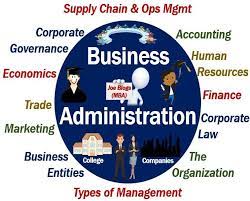
Introduction about M.COM. BUSINESS ADMINISTRATION:
Masters in Commerce (M.COM.) in Business Administration is a prestigious academic program that equips students with a profound understanding of the principles and practices that govern the business world. In this article, we'll delve into the nuances of M.COM. Business Administration, exploring its historical roots, the evolution of the field, career prospects, academic requirements, and much more.
The Importance of Business Administration
Business administration plays a pivotal role in the global economy. It is the driving force behind the efficient functioning of organizations, both in the public and private sectors. Understanding the significance of business administration is vital for anyone looking to excel in the business world.
Historical Background
To grasp the essence of M.COM. Business Administration, one must first travel back in time. Business administration as a field of study has its roots in early commerce and trade. It has evolved over centuries, adapting to the changing needs of businesses.
The Evolution of M.COM. Business Administration
Over the years, M.COM. Business Administration has transformed into a comprehensive program that integrates various disciplines, including finance, marketing, human resources, and operations. This evolution has made it a versatile degree with a broad range of applications.
Career Opportunities
Graduates in M.COM. Business Administration have a plethora of career options at their disposal. They can choose from roles like financial analysts, marketing managers, HR specialists, or even entrepreneurs. The adaptability of this degree opens doors to diverse opportunities.
Academic Requirements
To embark on the journey of M.COM. Business Administration, candidates usually need a bachelor's degree in commerce or a related field. The eligibility criteria may vary from one institution to another.
Core Subjects
The curriculum for M.COM. Business Administration typically includes core subjects such as financial management, marketing strategies, organizational behavior, and business ethics. These subjects form the foundation of the program.
Specializations
Students often have the flexibility to specialize in a particular area, such as finance, marketing, or human resources. These specializations allow them to tailor their education to their career goals.
Industry Relevance
M.COM. Business Administration graduates are highly sought after by industries worldwide. Their well-rounded knowledge and problem-solving skills make them assets to any organization.
Skills and Competencies
This program hones skills such as critical thinking, decision-making, and communication. Graduates are equipped to tackle real-world challenges in the corporate landscape.
Advantages of Pursuing M.COM. Business Administration
The advantages of pursuing this degree are multifaceted. Graduates often enjoy higher earning potential, job security, and the ability to lead in a competitive business environment.
Challenges in the Field
No profession is without its challenges. M.COM. Business Administration graduates may encounter stiff competition in the job market and face the responsibility of making crucial business decisions.
Notable Alumni
Many accomplished individuals have graduated with a degree in M.COM. Business Administration. Notable alumni include business tycoons, CEOs of multinational corporations, and successful entrepreneurs.
How can I apply for admission to M.COM. BUSINESS ADMINISTRATION Program:
To apply for admission to an M.COM. Business Administration program, you need to follow a set of steps. Here's a general guide on how to go about it:
Research and Choose the Right Program: First, research and identify the universities or institutions that offer an M.COM. Business Administration program. Consider factors such as location, accreditation, faculty, and specialization options.
Meet Eligibility Requirements: Check the specific admission requirements for each institution. Typically, you will need a bachelor's degree in commerce or a related field. Ensure you meet any minimum GPA or standardized test score requirements.
Gather Required Documents: Prepare the necessary documents for your application, which may include:
Transcripts: Provide transcripts of your previous academic qualifications.
Letters of Recommendation: Request letters from professors or professionals who can vouch for your qualifications.
Statement of Purpose: Write a compelling essay outlining your academic and career goals.
Resume/CV: Detail your work experience, extracurricular activities, and relevant skills.
Standardized Test Scores: Some institutions may require GRE or GMAT scores.
Passport-sized Photos: Provide recent passport-sized photos as specified by the institution.
Complete the Application Form: Fill out the application form for your chosen institution. This can often be done online through the university's website. Be sure to complete all sections accurately.
Pay Application Fees: Pay the application fees, if applicable. Different universities have varying fee structures, so make sure to check the specific costs for each application.
Submit Your Application: Submit your completed application, along with all the required documents, to the university by the specified deadline. Keep copies of all documents and receipts for your records.
Interview (if required): Some universities may require an interview as part of the admission process. Prepare for this interview by researching common questions and practicing your responses.
Wait for Admission Decision: After submitting your application, you'll need to wait for the admission committee to review your materials. The time it takes to receive a decision can vary from one institution to another.
Acceptance and Enrollment: If you're accepted into the program, you'll receive an acceptance letter. Follow the instructions in the letter to confirm your enrollment and pay any required fees to secure your spot.
Visa and Financial Planning: If you're an international student, you'll need to apply for a student visa and plan your finances for tuition and living expenses.
Remember that the specific admission process and requirements can vary from one university to another, so it's crucial to carefully review the admission guidelines provided by the institution of your choice. Good luck with your application to the M.COM. Business Administration program!
What is the eligibility for M.COM. BUSINESS ADMINISTRATION:
The eligibility criteria for an M.COM. Business Administration program may vary from one institution to another, but I can provide a general overview of common requirements:
Educational Background: Typically, candidates should have a bachelor's degree in commerce or a related field from a recognized university. Some universities may accept degrees in business, economics, or finance as well. Your undergraduate degree should be relevant to the M.COM. Business Administration program you intend to pursue.
Minimum GPA: Many institutions require applicants to have a minimum Grade Point Average (GPA) in their undergraduate studies. The specific GPA requirement may vary, but it's often in the range of 2.5 to 3.0 on a 4.0 scale.
Entrance Exams: Some universities may require applicants to submit scores from standardized tests such as the Graduate Record Examination (GRE) or the Graduate Management Admission Test (GMAT). However, not all institutions mandate these tests, so it's essential to check the specific requirements of the programs you are interested in.
Letters of Recommendation: Applicants may need to provide letters of recommendation from professors, employers, or other individuals who can vouch for their academic and professional abilities.
Statement of Purpose (SOP): A well-written statement of purpose is often required. This is an essay in which you explain your academic and career goals, why you want to pursue an M.COM. in Business Administration, and how the program aligns with your aspirations.
Resume/CV: Many universities ask for a detailed resume or curriculum vitae (CV) that highlights your educational and professional background, including work experience, internships, and extracurricular activities.
Language Proficiency: If you are a non-native English speaker, you may be required to demonstrate your English language proficiency through standardized tests like the TOEFL (Test of English as a Foreign Language) or IELTS (International English Language Testing System).
Interview (if applicable): Some institutions may conduct interviews as part of the admission process to assess a candidate's suitability for the program.
It's important to note that these eligibility requirements can vary from one university to another, and some institutions may have additional prerequisites or specific criteria for admission. Therefore, it is advisable to carefully review the admission guidelines provided by the university or universities to which you plan to apply.
Always reach out to the admissions department of the specific institution for the most accurate and up-to-date information regarding their M.COM. Business Administration program's eligibility criteria and admission process.
How long does it takes to complete a M.COM. BUSINESS ADMINISTRATION program:
The duration of an M.COM. Business Administration program typically depends on several factors, including the specific university or institution offering the program, the country in which it's offered, and whether you choose to study full-time or part-time. However, I can provide a general guideline for the time it takes to complete an M.COM. Business Administration program:
Full-Time Program: In most cases, a full-time M.COM. Business Administration program is designed to be completed in approximately two years. This typically includes four semesters or two academic years. Full-time students can expect to take a regular course load each semester.
Part-Time Program: If you choose to pursue your M.COM. Business Administration on a part-time basis, the program duration will be longer. Part-time programs are often designed to accommodate working professionals or those with other commitments. They may take around three to four years to complete.
Accelerated or Intensive Programs: Some universities offer accelerated or intensive M.COM. Business Administration programs, which are designed to be completed in a shorter time frame. These programs may last 12-18 months and often involve a more rigorous and concentrated curriculum.
Online or Distance Learning: Online M.COM. Business Administration programs may offer flexible scheduling, allowing students to pace their studies according to their needs. The duration can vary, but many online programs can be completed in a similar time frame to full-time programs.
It's important to note that the above timeframes are general estimates, and actual program durations can vary from one institution to another. Additionally, some universities may offer options for students to extend or shorten their program based on their progress and individual circumstances.
When considering an M.COM. Business Administration program, it's essential to review the specific program details provided by the university or institution of your choice. They will outline the exact duration, course structure, and any available options for program completion.
What are potential career opportunities after M.COM. BUSINESS ADMINISTRATION:
Graduating with an M.COM. in Business Administration opens up a wide range of career opportunities in various sectors. Here are some potential career paths that you can pursue after completing your M.COM. in Business Administration:
Financial Analyst: Financial analysts evaluate financial data, study market trends, and provide investment advice to individuals and organizations. They play a crucial role in financial planning and investment decision-making.
Marketing Manager: Marketing managers oversee marketing strategies, advertising campaigns, and promotions for companies. They work to increase brand awareness and drive sales by identifying target markets and developing effective marketing plans.
Human Resources Manager: HR managers are responsible for managing the workforce within an organization. They handle recruitment, employee relations, training, and development, ensuring that the organization's human capital is effectively utilized.
Management Consultant: Management consultants provide expert advice to organizations seeking solutions to complex business problems. They analyze company operations, offer recommendations, and help implement strategies for improvement.
Business Development Manager: Business development managers focus on identifying growth opportunities and expanding a company's market presence. They establish partnerships, negotiate deals, and explore new markets to increase revenue.
Entrepreneur: Graduates with an entrepreneurial spirit can start and manage their own businesses. An M.COM. in Business Administration provides a strong foundation in business principles and management, making it an ideal choice for aspiring entrepreneurs.
Financial Manager: Financial managers are responsible for a company's financial health. They manage financial reports, investments, and financial planning to ensure the organization's long-term stability and profitability.
Supply Chain Manager: Supply chain managers oversee the production and distribution of goods or services. They aim to optimize the supply chain to reduce costs and enhance efficiency.
Accountant: Accountants handle financial records, including taxes, audits, and financial statements. They ensure that an organization complies with financial regulations and maintains accurate financial records.
Data Analyst: Data analysts gather and analyze data to provide insights that inform business decisions. They play a critical role in helping organizations make data-driven choices.
Operations Manager: Operations managers are responsible for overseeing day-to-day activities in an organization. They ensure that processes run smoothly and efficiently to meet the company's goals.
Risk Analyst: Risk analysts assess potential risks and uncertainties that may impact an organization. They develop strategies to mitigate these risks and ensure business continuity.
Project Manager: Project managers lead and oversee specific projects within an organization. They are responsible for planning, execution, and successful completion of projects.
Sales Manager: Sales managers are in charge of the sales team. They set sales targets, develop sales strategies, and monitor the team's performance.
Nonprofit Manager: For those interested in the nonprofit sector, an M.COM. in Business Administration can lead to managerial roles in nonprofit organizations, where you can make a difference while applying business acumen.
These are just a few examples of the career opportunities available to graduates with an M.COM. in Business Administration. The degree equips you with a versatile skill set that is highly valued in the business world, allowing you to pursue diverse and rewarding career paths based on your interests and aspirations.
Syllabus of M.COM. BUSINESS ADMINISTRATION:
The specific syllabus for an M.COM. Business Administration program can vary significantly from one university or institution to another. However, I can provide a general overview of the subjects and topics that are commonly covered in a semester-wise M.COM. Business Administration program:
First Semester:
-
Management Principles and Practices: An introduction to fundamental management concepts and principles.
-
Organizational Behavior: Study of human behavior within organizations, including motivation, leadership, and teamwork.
-
Managerial Economics: Analysis of economic concepts and principles relevant to managerial decision-making.
-
Business Communication: Development of effective communication skills for business professionals.
-
Financial Accounting: Principles of financial accounting, including financial statements and reporting.
Second Semester:
-
Marketing Management: Exploration of marketing strategies, consumer behavior, and market analysis.
-
Financial Management: Study of financial planning, budgeting, and capital structure.
-
Operations Management: Principles of operations management, including process optimization and quality control.
-
Human Resource Management: Topics include HR planning, recruitment, training, and employee relations.
-
Quantitative Techniques for Management: Application of statistical and quantitative methods in managerial decision-making.
Third Semester:
-
International Business: Understanding global business environments, international trade, and strategies for international expansion.
-
Business Ethics and Corporate Social Responsibility: Exploration of ethical issues in business and the role of corporations in society.
-
E-Business and E-Commerce: Examination of electronic business and online commerce models.
-
Strategic Management: Development of strategic planning and analysis skills.
-
Elective Course 1: Specialization-specific subject based on the chosen field of study (e.g., finance, marketing, or HR).
Fourth Semester:
-
Entrepreneurship and Small Business Management: Study of entrepreneurship, business planning, and small business management.
-
Management Information Systems: Understanding the role of information systems in business operations and decision-making.
-
Elective Course 2: Another specialization-specific subject.
-
Research Methodology and Project Work: Introduction to research methods and completion of a research project.
-
Dissertation/Thesis: In some programs, students are required to submit a dissertation or thesis based on their research.
Internship opportunities after completing M.COM. BUSINESS ADMINISTRATION:
Completing an M.COM. in Business Administration opens up a range of internship opportunities that can provide valuable hands-on experience in the business world. Internships are an excellent way to apply the theoretical knowledge gained during your studies and develop practical skills. Here are some potential internship opportunities:
Finance Internship: Work as a financial analyst or intern in a financial institution, investment firm, or corporate finance department. You'll gain experience in financial analysis, budgeting, and investment strategies.
Marketing Internship: Join a marketing team to assist with market research, digital marketing, advertising campaigns, and brand management. Marketing internships can be found in various industries.
Human Resources Internship: Gain experience in HR functions, such as recruitment, employee relations, training and development, and performance management, by interning with a company's HR department.
Operations Internship: Work in the operations department of a company, focusing on process optimization, supply chain management, and quality control.
Management Consulting Internship: Intern with a management consulting firm to work on real client projects. This is an excellent opportunity to apply problem-solving and analytical skills.
Nonprofit Internship: Consider interning with a nonprofit organization in roles related to administration, finance, marketing, or program management. Nonprofits often value business acumen in their staff.
E-Commerce Internship: Explore internship opportunities with e-commerce companies to gain insights into online retail, digital marketing, and e-commerce strategy.
Entrepreneurial Internship: If you aspire to start your own business, consider interning with startups or entrepreneurial ventures. This can provide you with a firsthand view of business development and innovation.
Supply Chain and Logistics Internship: Intern with a logistics company or a business with a significant supply chain to learn about logistics management, inventory control, and supply chain optimization.
Data Analysis and Business Intelligence Internship: With the increasing importance of data in decision-making, internships in data analysis and business intelligence can be highly valuable.
Corporate Social Responsibility (CSR) Internship: Work with companies that have CSR initiatives, assisting in sustainability, philanthropy, and ethical business practices.
Project Management Internship: Gain experience in project management by interning with companies that manage complex projects. This can be particularly relevant if you're interested in a career as a project manager.
Financial Services Internship: Explore opportunities with banks, financial advisory firms, or insurance companies to learn about banking, financial planning, and risk management.
Sales and Business Development Internship: Work in sales or business development roles to develop your selling and negotiation skills.
Government or Public Sector Internship: Many government agencies offer internships in areas such as public administration, policy analysis, or regulatory affairs.
When searching for internships, consider using job search websites, university career centers, and networking opportunities. Internships can be an essential stepping stone to a successful career after completing your M.COM. in Business Administration.
Scholorship and grants for M.COM. BUSINESS ADMINISTRATION:
Pursuing an M.COM. in Business Administration can be a significant financial commitment, but there are various scholarship and grant opportunities available to help offset the costs. These financial aid options can help ease the burden of tuition and related expenses. Here are some common types of scholarships and grants for M.COM. Business Administration programs:
University Scholarships: Many universities offer merit-based scholarships to exceptional students. These scholarships are often awarded based on academic performance, standardized test scores, and other achievements. Check with the universities where you plan to apply for information on their scholarship programs.
Departmental Scholarships: Within a university, specific academic departments or schools may offer scholarships to students pursuing M.COM. Business Administration. These scholarships are typically related to academic excellence and departmental involvement.
Government Scholarships: Depending on your country of residence, government agencies or ministries may offer scholarships or grants for postgraduate studies, including M.COM. programs. Check with your government's educational and scholarship agencies for available opportunities.
Corporate Scholarships: Some companies and corporations offer scholarships to students pursuing degrees in business-related fields. These scholarships may come with the requirement of future employment with the sponsoring company.
Nonprofit Organizations: Various nonprofit organizations and foundations offer scholarships and grants for higher education. Research and apply to organizations that align with your academic and career goals.
Professional Associations: Business and finance-related professional associations often provide scholarships or grants to students in the field. Joining these associations and participating in their activities can make you eligible for such opportunities.
Diversity Scholarships: Some scholarships are specifically designed to support students from underrepresented or diverse backgrounds. These scholarships aim to promote diversity and inclusion in business education.
Need-Based Financial Aid: Universities may offer need-based financial aid, including grants and work-study opportunities, to students who demonstrate financial need. The Free Application for Federal Student Aid (FAFSA) is a common application for need-based financial aid in the United States.
International Scholarships: If you are an international student, explore scholarships offered by universities, governments, and international organizations to support your studies abroad.
Alumni Scholarships: Some universities provide scholarships exclusively to their alumni or the children of alumni. Check if your alma mater offers such opportunities.
Research and Teaching Assistantships: Many universities offer assistantship positions for graduate students. These positions involve working as a research or teaching assistant in exchange for tuition remission and a stipend.
Essay and Contest Scholarships: Participate in essay competitions or contests related to business or finance, which may offer monetary prizes or scholarships as rewards.
To find scholarship and grant opportunities, start your search well in advance of your intended start date for your M.COM. Business Administration program. Research multiple sources, review eligibility criteria, and ensure you meet application deadlines. It's also a good idea to contact the financial aid office at your chosen university for guidance and assistance in finding financial aid opportunities.
FAQ,s:
What is M.COM. Business Administration?
M.COM. Business Administration is a postgraduate degree program that focuses on various aspects of business and management, including finance, marketing, human resources, and operations. It equips students with advanced knowledge and skills to excel in the business world.
How long does it take to complete an M.COM. Business Administration program?
The duration of an M.COM. Business Administration program typically ranges from two to four years, depending on whether you study full-time or part-time and the specific curriculum of the university.
What are the career opportunities after completing M.COM. Business Administration?
Graduates can pursue a wide range of careers, including roles in finance, marketing, human resources, management, entrepreneurship, consulting, and more. The degree offers versatility in the business world.
What are the admission requirements for M.COM. Business Administration?
Admission requirements can vary, but typically include a bachelor's degree in a related field, a minimum GPA, letters of recommendation, a statement of purpose, and, in some cases, standardized test scores like the GRE or GMAT.
Are there scholarships available for M.COM. Business Administration students?
Yes, many universities and organizations offer scholarships and grants to support students pursuing M.COM. Business Administration. These scholarships can be merit-based, need-based, or related to specific criteria.
Can I pursue M.COM. Business Administration as an international student?
Yes, M.COM. Business Administration programs often accept international students. You may need to demonstrate English language proficiency through tests like TOEFL or IELTS and meet specific admission requirements.
What specializations can I choose within M.COM. Business Administration?
Specializations can include finance, marketing, human resources, entrepreneurship, and more. The specific specializations offered may vary from one university to another.
Is an M.COM. Business Administration degree valuable for entrepreneurs?
Yes, the degree can be valuable for entrepreneurs, as it provides a strong foundation in business principles and management, which are crucial for launching and managing a successful business.
Can I work while pursuing an M.COM. Business Administration program?
Many students work part-time or have internships while pursuing their M.COM. Business Administration degree. It's important to manage your time effectively to balance work and studies.
How can I find internship opportunities related to M.COM. Business Administration?
You can find internship opportunities through university career centers, job search websites, networking, and by reaching out to companies directly. Internships are valuable for gaining practical experience in your field of study.
Are there online M.COM. Business Administration programs available?
Yes, many universities offer online M.COM. Business Administration programs, which provide flexibility for students who may have work or other commitments.
What is the typical structure of an M.COM. Business Administration curriculum?
The curriculum usually includes core courses in management, finance, marketing, and other business-related subjects. Students may also have the option to choose electives or specializations.
What are the research opportunities for M.COM. Business Administration students?
Research opportunities may be available in the form of thesis or dissertation projects. These research experiences can enhance your analytical and problem-solving skills.
Can I apply for M.COM. Business Administration if my undergraduate degree is not in business?
Yes, many M.COM. programs accept students from diverse academic backgrounds, provided they meet the eligibility criteria. Some universities offer bridging courses to help students bridge the knowledge gap.
What are the benefits of earning an M.COM. Business Administration degree?
Benefits include advanced knowledge, improved career prospects, higher earning potential, and the ability to take on leadership roles in various business sectors.
Conclusion:
In conclusion, M.COM. Business Administration is a versatile and rewarding program that opens doors to diverse career opportunities. It equips graduates with the knowledge and skills required to thrive in the ever-evolving world of business.
How Shiksha Hub helps you in
-
 Student Counsellors
 -
 Career Counseling
 -
 Research
 -
 24/7 Support
 -
 Scholarships
 -
 Community