Posted by Admin on 26-09-2023 in Shiksha hub
MDS In Conservative Dentistry & Endodontics Introduction, Admission, Registration, Eligibility, Duration, Fees, Syllabus 2024
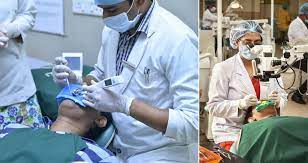
Introduction to MDS in Conservative Dentistry & Endodontics:
The Master of Dental Surgery (MDS) program in Conservative Dentistry & Endodontics is a specialized postgraduate course designed to train dental professionals in advanced techniques related to the preservation and restoration of teeth. This field of dentistry focuses on the diagnosis, prevention, and treatment of diseases and injuries that affect the tooth's structure, especially the dental pulp and surrounding tissues.
Conservative dentistry primarily deals with the prevention and treatment of dental caries (commonly known as tooth decay) and the restoration of damaged or decayed teeth using various restorative materials. Endodontics, on the other hand, is a specialized branch that focuses on the diagnosis and treatment of diseases of the dental pulp, commonly known as the root canal.
Key Components of the Program
Advanced Diagnostic Techniques
MDS students in Conservative Dentistry & Endodontics learn to use advanced diagnostic tools and technologies to assess the condition of a patient's teeth and surrounding structures accurately.
Restorative Dentistry
This module covers various techniques for restoring damaged teeth. Students learn about different restorative materials, such as composites, amalgam, and ceramics, and their applications in dental procedures.
Endodontic Procedures
The program provides comprehensive training in endodontic procedures, including root canal treatments, apexification, and surgical endodontics. Students gain expertise in treating complex cases involving the dental pulp.
Microscopic Endodontics
Utilizing advanced tools like dental microscopes, students are trained in performing intricate endodontic procedures with precision and accuracy.
Clinical Training and Practice
Hands-on clinical training is an integral part of the program. Students work under the guidance of experienced faculty, gaining practical experience in treating patients.
Research and Case Studies
MDS candidates often engage in research activities, which may include case studies, literature reviews, and clinical trials. This helps in advancing knowledge and techniques in the field.
Seminars and Workshops
Regular seminars and workshops provide a platform for students to interact with experts, discuss challenging cases, and stay updated with the latest advancements in conservative dentistry and endodontics.
Publications and Presentations
Some programs encourage students to publish their research findings or present them at national or international conferences, contributing to the academic and professional growth of the field.
Career Opportunities
Upon completion of the MDS program in Conservative Dentistry & Endodontics, graduates have various career options, including:
Consultant Endodontist: Working in private or corporate dental clinics, specializing in endodontic procedures.
Academician: Teaching and mentoring students in dental colleges and universities.
Researcher: Contributing to advancements in dental science through research and development.
Public Health Dentist: Working in government health departments, focusing on oral health awareness and preventive measures.
Clinical Practice: Establishing a private dental clinic with a focus on conservative dentistry and endodontics.
Overall, the MDS program in Conservative Dentistry & Endodontics equips dental professionals with specialized knowledge and skills, enabling them to provide advanced care for patients with complex dental issues.
How can I Apply for admission to MDS IN CONSERVATIVE DENTISTRY & ENDODONTIC:
To apply for admission to the MDS program in Conservative Dentistry & Endodontics, follow these general steps:
Research Institutes:
Start by researching dental institutions or universities that offer MDS programs in Conservative Dentistry & Endodontics. Look for reputed institutions that align with your preferences in terms of location, curriculum, faculty, and facilities.
Check Eligibility Criteria:
Review the specific eligibility criteria for the program at the institutes you're interested in. This may include educational qualifications, internship requirements, and sometimes even specific subjects at the undergraduate level.
Prepare Necessary Documents:
Gather all required documents, which may include:
Bachelor of Dental Surgery (BDS) degree certificate and transcripts
Proof of completion of internship (if required)
Identity proof (like Aadhar card or passport)
Passport-sized photographs
Any specific forms or applications provided by the institute
Entrance Exams (if applicable):
Some institutes may conduct entrance exams for MDS admissions. Research and prepare for the specific exams required by the institutes you're applying to. This may include national-level exams like NEET MDS (National Eligibility cum Entrance Test for Masters of Dental Surgery).
Fill Out Application Form:
Visit the official website of the chosen institute and locate the admissions section. There, you'll find the application form. Fill it out with accurate and complete information.
Upload Documents:
Scan and upload all the required documents, such as your BDS degree certificates, internship completion certificate, identity proof, and passport-sized photographs. Ensure they meet the specifications mentioned in the application guidelines.
Pay Application Fee:
Pay the application fee, if applicable. This fee covers the cost of processing your application and can vary from institute to institute.
Portfolio (if applicable):
Some institutes may ask for a portfolio showcasing your work or experiences related to dentistry. This could include any research work, case studies, or specialized procedures you've been involved in.
Attend Interviews or Admission Tests (if applicable):
Some institutes may conduct personal interviews or admission tests to assess your suitability for the program. Be prepared for these evaluations if they are part of the admission process.
Wait for Results:
After the admission process is complete, institutes will release results. This could be in the form of a merit list, emails, or notifications on their official website.
Confirmation of Admission:
If you receive an offer of admission, carefully read and follow the instructions provided by the institute for confirming your seat. This may involve paying a deposit or additional fees.
What is the eligibility for MDS IN CONSERVATIVE DENTISTRY & ENDODONTIC:
Eligibility for MDS in Conservative Dentistry & Endodontics
The eligibility criteria for admission to the Master of Dental Surgery (MDS) program in Conservative Dentistry & Endodontics typically include the following:
Educational Qualification:
Candidates must have completed a Bachelor of Dental Surgery (BDS) program from a recognized dental college or university. This is the basic educational requirement for pursuing an MDS.
Internship Completion:
It is usually mandatory for candidates to have completed a one-year rotating internship after obtaining their BDS degree. This internship provides practical experience in various dental specialties.
Registration with Dental Council:
Candidates must be registered with the respective State Dental Council or the Dental Council of India. This registration is a prerequisite for admission.
Minimum Aggregate Marks:
Most institutions require candidates to have secured a minimum aggregate of 50% or more in their BDS program. However, specific institutions may have different percentage requirements.
Qualifying in National or State-Level Entrance Exams (if applicable):
In some countries, candidates may need to qualify in national or state-level entrance exams for admission to MDS programs. For example, in India, candidates may need to qualify in the NEET MDS (National Eligibility cum Entrance Test for Masters of Dental Surgery) exam.
Specific Subject Requirements (if any):
Some institutions may have specific subject prerequisites or additional qualifications, particularly in related fields of dentistry.
Experience (if required):
Certain institutions may prefer candidates with prior clinical experience or specialized training in conservative dentistry and endodontics.
Language Proficiency (if applicable):
For programs conducted in English, candidates might need to demonstrate proficiency in the language, especially if it is not their first language.
It's important to note that eligibility criteria may vary from one institution to another and may be subject to change. Therefore, candidates should always refer to the specific admission guidelines provided by the institution they are interested in for the most accurate and up-to-date information.
How long does it takes to complete a MDS IN CONSERVATIVE DENTISTRY & ENDODONTIC program:
Duration of MDS in Conservative Dentistry & Endodontics Program
The Master of Dental Surgery (MDS) program in Conservative Dentistry & Endodontics typically takes a duration of three years to complete. This duration is standard for most MDS programs worldwide, including those specializing in Conservative Dentistry & Endodontics.
During these three years, students undergo comprehensive training in the diagnosis, prevention, and treatment of dental diseases related to tooth structure, particularly focusing on the dental pulp and its surrounding tissues. The program encompasses both theoretical coursework and hands-on clinical practice, allowing students to develop advanced skills in restorative dentistry and endodontic procedures.
In addition to the core curriculum, MDS students in Conservative Dentistry & Endodontics often engage in research activities, seminars, case studies, and clinical rotations. This well-rounded approach equips them with the necessary expertise to excel in their field and contribute to advancements in dental science.
It's important to note that the duration may vary slightly depending on the specific curriculum and requirements of the institution offering the program. Therefore, candidates considering the MDS in Conservative Dentistry & Endodontics should refer to the official program details provided by the respective institutions for precise information on the duration of the program.
What are potential career opportunities after MDS IN CONSERVATIVE DENTISTRY & ENDODONTIC:
Career Opportunities after MDS in Conservative Dentistry & Endodontics
Graduates of the Master of Dental Surgery (MDS) program in Conservative Dentistry & Endodontics have a wide range of career opportunities available to them. Here are some potential career paths:
1. Consultant Endodontist:
As a Consultant Endodontist, you'll specialize in diagnosing and treating diseases of the dental pulp and surrounding tissues. You may work in private practices, dental clinics, or hospitals.
2. Academician/Professor:
With an MDS degree, you can pursue a career in academia. This involves teaching and mentoring dental students in universities, dental colleges, or specialized institutes.
3. Researcher:
Engage in research activities focused on dental health, conservative dentistry, and endodontics. This can lead to advancements in dental science and improvements in treatment techniques.
4. Public Health Dentist:
Work in government health departments or non-profit organizations, focusing on community dental health programs, preventive dentistry, and oral health awareness campaigns.
5. Hospital Dentist:
Join a hospital as a specialized dentist, where you may handle complex cases related to conservative dentistry and endodontics. This can be in both public and private healthcare settings.
6. Private Practice:
Establish your own dental practice, specializing in conservative dentistry and endodontics. This allows you to provide specialized care to patients in a private setting.
7. Dental Consultant for Corporates or Insurance Companies:
Work as a consultant for corporations or insurance companies, providing expertise on dental policies, claims, and dental health programs.
8. Dental Product Development and Marketing:
Explore opportunities in the development and marketing of dental products, including restorative materials, endodontic instruments, and dental equipment.
9. Dental Education and Training:
Work with dental educational institutions, organizations, or companies that provide training and workshops for dental professionals.
10. International Opportunities:
Some graduates may explore opportunities to work abroad, either in clinical practice, academia, or research in the field of conservative dentistry and endodontics.
11. Continuing Education and Specialization:
Pursue further education or specialization in areas like maxillofacial surgery, prosthodontics, or periodontology to broaden your expertise and career prospects.
Syllabus of MDS IN CONSERVATIVE DENTISTRY & ENDODONTIC :
Semester-wise Syllabus for MDS in Conservative Dentistry & Endodontics
The Master of Dental Surgery (MDS) program in Conservative Dentistry & Endodontics is typically structured over three years and is divided into six semesters. Below is a general outline of the syllabus, organized by semester:
|
Semester |
Subjects |
|
Semester 1 |
Advanced Dental Anatomy, Embryology, and Histology |
|
|
Oral Microbiology and Immunology |
|
|
Applied Dental Materials |
|
|
Clinical Diagnosis and Treatment Planning |
|
|
Research Methodology and Biostatistics |
|
Semester 2 |
Advanced Oral Pathology and Oral Medicine |
|
|
Advanced Conservative Dentistry |
|
|
Advanced Endodontics |
|
|
Pharmacology and Therapeutics in Dentistry |
|
Semester 3 |
Microscopic Endodontics |
|
|
Recent Advances in Conservative Dentistry and Endodontics |
|
|
Clinical Training in Conservative Dentistry & Endodontics |
|
Semester 4 |
Research Project |
|
Semester 5 |
Dissertation and Case Presentation |
|
Semester 6 |
Clinical Position |
Internship Opportunities after completing MDS IN CONSERVATIVE DENTISTRY & ENDODONTIC :
Internship Opportunities after Completing MDS in Conservative Dentistry & Endodontics
After successfully completing the Master of Dental Surgery (MDS) program in Conservative Dentistry & Endodontics, graduates have a wide range of internship opportunities available to them. Here are some potential options:
1. Hospital Internship:
Many graduates choose to undergo an internship in a hospital setting. This provides exposure to a diverse range of cases and allows for further hands-on experience in treating patients with various dental conditions.
2. Private Practice Internship:
Some graduates opt to intern in a private dental clinic, especially if they plan to establish their own practice in the future. This internship allows them to refine their clinical skills and gain experience in managing a private practice.
3. Dental Clinics and Specialized Practices:
Interning in specialized dental clinics or practices that focus on conservative dentistry and endodontics provides an opportunity to work closely with experienced professionals in the field.
4. Academic Institutions:
Joining an academic institution as an intern allows graduates to assist in teaching and mentoring dental students. This experience can be valuable for those interested in pursuing a career in academia.
5. Research Institutes or Dental Labs:
Interning in a research institute or dental laboratory offers the opportunity to engage in research projects, clinical trials, or the development of new dental materials and techniques.
6. Public Health Internship:
Working in public health departments or community health centers allows graduates to contribute to oral health awareness programs, preventive dentistry initiatives, and community dental health campaigns.
7. Dental Product Development Companies:
Interning in companies involved in dental product development and manufacturing provides exposure to the industry side of dentistry. This can include working on product testing, quality control, and research.
8. Dental Associations and Organizations:
Some graduates choose to intern with dental associations or professional organizations. This may involve involvement in organizing dental conferences, workshops, and seminars.
9. Maxillofacial Surgery Centers:
Interning in maxillofacial surgery centers allows graduates to gain experience in more complex cases, particularly those involving surgical interventions related to conservative dentistry and endodontics.
10. Continuing Education and Training Centers:
Interning in centers that provide continuing education and training for dental professionals allows graduates to assist in workshops and courses, contributing to the professional development of other dentists.
Scholarship and grants for MDS IN CONSERVATIVE DENTISTRY & ENDODONTIC:
Scholarships and Grants for MDS in Conservative Dentistry & Endodontics
Pursuing a Master of Dental Surgery (MDS) program in Conservative Dentistry & Endodontics can be financially demanding. However, there are various scholarships and grants available to help students offset the costs of their education. Here are some potential sources of financial assistance:
Government Scholarships:
Many governments offer scholarships for postgraduate studies in healthcare fields, including dentistry. These scholarships may be provided by ministries of health, education, or specific healthcare departments.
University-Specific Scholarships:
Some universities and dental colleges offer scholarships specifically for MDS students. These scholarships may be based on academic merit, financial need, or a combination of both.
Professional Organizations:
Dental associations and professional organizations often provide scholarships and grants for dental students pursuing advanced degrees. These organizations may have specific funds earmarked for endodontics and conservative dentistry.
Research Grants:
Students engaged in research activities during their MDS program may be eligible for research grants from government agencies, private foundations, or research institutions.
Private Foundations and Trusts:
Various private foundations, trusts, and non-profit organizations offer scholarships and grants to support students pursuing higher education in healthcare professions.
Corporate Sponsorships:
Some dental companies and industry partners provide financial support to promising students in dentistry. These sponsorships may include tuition assistance, research grants, or internships.
Fellowships and Residency Programs:
Some fellowship and residency programs offer stipends or financial support in addition to training opportunities. These programs may be affiliated with academic institutions or dental clinics.
International Scholarships:
Students pursuing MDS in Conservative Dentistry & Endodontics in a foreign country may be eligible for scholarships offered by international organizations, government agencies, or educational institutions.
Minority and Underrepresented Groups Scholarships:
Certain scholarships are targeted towards minority or underrepresented groups in the field of dentistry. These scholarships aim to promote diversity and inclusivity in healthcare professions.
Need-Based Financial Aid:
Some institutions offer need-based financial aid packages that may include grants, scholarships, and work-study opportunities for students who demonstrate financial need.
Military Scholarships and Service Commitments:
Some countries offer scholarships for dental students in exchange for a commitment to serve in the military as a dental officer after graduation.
FAQ:
What is MDS in Conservative Dentistry & Endodontics?
The MDS in Conservative Dentistry & Endodontics is a specialized postgraduate program that focuses on advanced techniques in preserving and restoring teeth. It includes in-depth training in the diagnosis, prevention, and treatment of dental diseases, particularly related to the dental pulp and surrounding tissues.
How long does it take to complete the MDS program in Conservative Dentistry & Endodontics?
The MDS program in Conservative Dentistry & Endodontics typically takes three years to complete. This duration may vary slightly depending on the specific curriculum of the institution.
What are the eligibility criteria for admission to MDS in Conservative Dentistry & Endodontics?
Candidates must have completed a Bachelor of Dental Surgery (BDS) program from a recognized dental college or university. They should also have completed a one-year rotating internship and be registered with the respective State Dental Council or the Dental Council of India.
Are there any entrance exams for admission to MDS in Conservative Dentistry & Endodontics?
Some institutions may require candidates to qualify in national or state-level entrance exams for admission. For example, in India, candidates may need to qualify in the NEET MDS (National Eligibility cum Entrance Test for Masters of Dental Surgery) exam.
What are the career opportunities after completing MDS in Conservative Dentistry & Endodontics?
Graduates can pursue careers as Consultant Endodontists, academicians, researchers, public health dentists, hospital dentists, and more. They can also establish their own private practices or explore opportunities in dental product development and marketing.
Are there any scholarships or grants available for MDS students in Conservative Dentistry & Endodontics?
Yes, there are various scholarships and grants available from government sources, universities, professional organizations, private foundations, and corporate sponsors. These financial aids can help offset the costs of education.
Can MDS graduates in Conservative Dentistry & Endodontics work internationally?
Yes, MDS graduates in Conservative Dentistry & Endodontics can explore opportunities to work internationally. However, specific requirements and licensing procedures may vary from country to country, so it's important to research and fulfill the necessary criteria.
Can I specialize further after completing MDS in Conservative Dentistry & Endodontics?
Yes, after completing MDS, graduates have the option to pursue further specialization in areas such as maxillofacial surgery, prosthodontics, periodontology, or other dental specialties through fellowship programs or additional postgraduate courses.
How can I find internship opportunities after completing MDS in Conservative Dentistry & Endodontics?
Graduates can explore internship opportunities in hospitals, private practices, dental clinics, academic institutions, research institutes, public health departments, and specialized dental practices. Networking, contacting institutions directly, and staying updated with industry trends can help identify suitable internships.
Is it possible to continue academic research after completing MDS in Conservative Dentistry & Endodontics?
Yes, graduates can pursue further research in dental sciences and contribute to advancements in the field. They can engage in research projects, publish papers, and participate in conferences and seminars to further their academic and research careers.
How Shiksha Hub helps you in
-
 Student Counsellors
 -
 Career Counseling
 -
 Research
 -
 24/7 Support
 -
 Scholarships
 -
 Community