Posted by Admin on 26-09-2023 in Shiksha hub
MDS Oral and Maxillofacial Pathology Introduction, Admission, Registration, Eligibility, Duration, Fees, Syllabus 2024
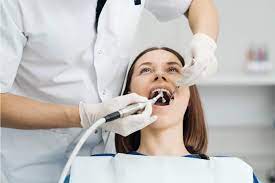
Introduction about M.D.S. ORAL AND MAXILLOFACIAL PATHOLOGY:
What is M.D.S. Oral and Maxillofacial Pathology?
M.D.S. Oral and Maxillofacial Pathology, a specialized branch of dentistry, focuses on the study, diagnosis, and treatment of diseases and disorders that affect the mouth, jaws, and related structures. Oral and Maxillofacial Pathologists are dental professionals with advanced training and expertise in understanding the intricacies of oral diseases.
The Significance of Oral and Maxillofacial Pathology
Oral and Maxillofacial Pathology is vital in identifying and managing various conditions, ranging from common dental problems to severe diseases. This field plays a pivotal role in oral health care, as it provides insights into the causes, progression, and potential treatments for oral and maxillofacial conditions.
Educational Journey to Become an Oral and Maxillofacial Pathologist
To become an Oral and Maxillofacial Pathologist, one must complete their dental education, followed by specialized training in pathology. This educational journey is rigorous and requires a deep understanding of both dentistry and pathology.
Oral and Maxillofacial Pathology in Clinical Practice
Oral and Maxillofacial Pathologists work closely with dentists and other healthcare professionals to diagnose and treat a wide range of oral conditions. Their expertise is essential in providing accurate and effective patient care.
Common Conditions Diagnosed by Oral and Maxillofacial Pathologists
Oral and Maxillofacial Pathologists are responsible for diagnosing conditions such as oral cancer, precancerous lesions, infections, autoimmune disorders, and developmental anomalies. Their work is instrumental in ensuring timely and accurate diagnoses.
The Diagnostic Process
The diagnostic process in oral and maxillofacial pathology involves a combination of clinical examination, laboratory tests, and microscopic analysis. This comprehensive approach allows for precise diagnosis and treatment planning.
Treatment Options and Patient Care
Once a diagnosis is established, Oral and Maxillofacial Pathologists collaborate with other specialists to develop treatment plans tailored to the patient's needs. Patient care is at the forefront of their practice.
Research in Oral and Maxillofacial Pathology
Continuous research is a hallmark of this field, as it strives to enhance diagnostic techniques and treatment modalities. Ongoing research helps improve patient outcomes and advance the field of oral and maxillofacial pathology.
Oral and Maxillofacial Pathology and Dentistry
Oral and Maxillofacial Pathology is closely intertwined with dentistry. It provides the knowledge necessary for dentists to recognize and manage oral diseases effectively.
The Role of Oral and Maxillofacial Pathologists in Oral Health
Oral and Maxillofacial Pathologists contribute significantly to maintaining good oral health by diagnosing and treating oral diseases early, preventing complications.
The Advancements in Oral and Maxillofacial Pathology
Technological advancements, such as digital imaging and molecular diagnostics, have revolutionized the field of oral and maxillofacial pathology. These innovations have improved the accuracy and speed of diagnoses.
Career Opportunities in Oral and Maxillofacial Pathology
A career in oral and maxillofacial pathology offers diverse opportunities, including academia, clinical practice, and research. Professionals in this field are in high demand due to their specialized knowledge.
Challenges and Ethical Considerations in the Field
Oral and Maxillofacial Pathologists face challenges related to the ethical aspects of their work, such as patient confidentiality and delivering difficult diagnoses.
The Future of M.D.S. Oral and Maxillofacial Pathology
The future of this field looks promising, with continued advancements in diagnostics and treatment modalities. Oral and Maxillofacial Pathologists will play a crucial role in ensuring the well-being of patient
How can I apply for admission to M.D.S. ORAL AND MAXILLOFACIAL PATHOLOGY program:
Applying for admission to an M.D.S. Oral and Maxillofacial Pathology program involves several steps. Here's a comprehensive guide on how to do it:
Research Programs and Institutions:
Start by researching universities and institutions that offer M.D.S. Oral and Maxillofacial Pathology programs. Look for institutions known for their dental and medical programs.
Check Admission Requirements:
Review the admission requirements for the program of your choice. These requirements may vary from one institution to another but generally include:
A Bachelor's degree in Dental Surgery (BDS) or equivalent.
A valid dental license.
Completion of a one-year internship.
Qualifying scores in relevant entrance exams, if applicable.
Prepare Required Documents:
Gather the necessary documents, which typically include:
Transcripts from your BDS program.
Proof of dental license.
Internship completion certificate.
Passport-sized photographs.
Letters of recommendation from professors or dental professionals.
Statement of Purpose (SOP) outlining your reasons for pursuing M.D.S. Oral and Maxillofacial Pathology.
Entrance Exams (if required):
If the program requires entrance exams, such as the NEET MDS (National Eligibility cum Entrance Test for Master of Dental Surgery), make sure to register for and excel in these exams.
Application Process:
Complete the online application form provided by the institution of your choice. Make sure to fill it out accurately and provide all required information.
Application Fee:
Pay the application fee as specified by the institution. This fee varies among institutions.
Submission of Application:
Submit your application online or by the method specified by the institution. Ensure that you meet the application deadline.
Attend Interviews and Counselling:
If your application is shortlisted, you may be invited for an interview and counseling session. Be well-prepared and confident during these interactions.
Merit List and Admission:
After the interview and counseling process, institutions will publish merit lists of selected candidates. If you are on the list, you will receive an admission offer.
Acceptance and Enrollment:
If you receive an admission offer, follow the instructions provided by the institution to confirm your acceptance and complete the enrollment process.
Financial Planning:
Consider your financial options, including scholarships, loans, and other forms of financial aid.
Orientation and Commencement:
Attend the orientation program provided by the institution and prepare to commence your M.D.S. Oral and Maxillofacial Pathology program.
It's crucial to check the specific requirements and procedures of the institution you are interested in, as they may have unique criteria and deadlines. Additionally, stay updated on any changes in admission procedures and requirements by regularly visiting the institution's official website and communicating with their admissions office. Good luck with your application!
What is the eligibility for M.D.S. ORAL AND MAXILLOFACIAL PATHOLOGY:
The eligibility criteria for pursuing an M.D.S. (Master of Dental Surgery) in Oral and Maxillofacial Pathology may vary slightly from one institution to another. However, there are some common prerequisites that are typically required for admission to this program. Here are the general eligibility criteria:
Educational Background:
You must have successfully completed a Bachelor of Dental Surgery (BDS) or an equivalent degree from a recognized dental institution or university. BDS is typically a 4-5 year undergraduate program in dentistry.
Dental License:
You need to hold a valid dental license, which allows you to practice as a dentist. This license is usually issued by the relevant dental council or authority in your country.
Completion of Internship:
Many institutions require candidates to have completed a one-year mandatory internship or house surgency in a recognized dental college or hospital. This internship should include clinical exposure to various dental procedures.
Entrance Exam (if applicable):
In some countries, you may need to qualify for a national or state-level entrance exam, such as the NEET MDS (National Eligibility cum Entrance Test for Master of Dental Surgery), to be eligible for admission to M.D.S. programs.
Minimum Marks:
Some institutions may specify a minimum aggregate score in BDS or a qualifying examination.
Letters of Recommendation:
You may be required to provide letters of recommendation from professors or dental professionals who can vouch for your academic and clinical capabilities.
Statement of Purpose (SOP):
Writing a Statement of Purpose (SOP) outlining your motivations for pursuing M.D.S. Oral and Maxillofacial Pathology and your career goals is often part of the application process.
Interview (if required):
Some institutions may conduct interviews or counseling sessions as part of the admission process to assess your suitability for the program.
It's important to note that eligibility criteria can change over time and may vary by institution and country. Therefore, it's advisable to check with the specific institutions where you intend to apply for the most up-to-date eligibility requirements and admission procedures.
Additionally, be aware that M.D.S. programs are highly competitive, and meeting the minimum eligibility criteria does not guarantee admission. It's essential to prepare well for any required entrance exams and present a strong application that highlights your qualifications and motivation to pursue a career in Oral and Maxillofacial Pathology.
How long does it takes to complete a M.D.S. ORAL AND MAXILLOFACIAL PATHOLOGY program:
The duration to complete an M.D.S. (Master of Dental Surgery) program in Oral and Maxillofacial Pathology typically varies from country to country and may also depend on the specific curriculum and regulations of the institution offering the program. However, in general, an M.D.S. program in Oral and Maxillofacial Pathology takes around 3 years to complete. Here's a breakdown of the typical timeline:
Academic Period: The core academic period of the M.D.S. program usually spans 2 to 2.5 years. During this time, students receive in-depth education and training in the field of Oral and Maxillofacial Pathology. They cover various topics, including oral histology, pathology, and the diagnosis of oral diseases. This period also involves clinical training and hands-on experience.
Clinical Training: A significant portion of the program is dedicated to clinical training, where students work with patients to diagnose and treat oral and maxillofacial conditions under the supervision of experienced faculty members. This practical training is essential to gain real-world experience.
Research and Thesis: In many M.D.S. programs, students are required to conduct research and complete a thesis related to Oral and Maxillofacial Pathology. This research phase can take several months to a year, depending on the complexity of the research project and the program's requirements.
Examinations and Evaluations: Throughout the program, students must pass examinations and assessments to demonstrate their knowledge and competence in Oral and Maxillofacial Pathology.
Internship and Residency (if applicable): In some cases, students may be required to complete a one-year internship or residency after the academic and clinical portions of the program. This additional year is often essential for hands-on experience in treating patients and gaining exposure to a variety of oral conditions.
It's important to note that the specific duration of an M.D.S. program can vary, and some institutions may offer programs that are shorter or longer than the typical 3-year timeframe. Additionally, the curriculum and requirements may differ between institutions and countries, so it's crucial to check with the specific institution where you plan to pursue your M.D.S. in Oral and Maxillofacial Pathology for the most accurate and up-to-date information regarding program duration.
What are potential career opportunities after M.D.S. ORAL AND MAXILLOFACIAL PATHOLOGY:
An M.D.S. (Master of Dental Surgery) in Oral and Maxillofacial Pathology opens up various career opportunities for graduates. Here are some potential career paths you can pursue after completing this program:
Oral and Maxillofacial Pathologist:
As a specialized Oral and Maxillofacial Pathologist, you can work in diagnostic laboratories, hospitals, or private practice. Your primary role is to diagnose and manage diseases and disorders affecting the oral and maxillofacial region. This may involve interpreting biopsies, conducting research, and collaborating with other healthcare professionals.
Academia and Teaching:
You can opt for a career in academia, teaching oral and maxillofacial pathology to dental students. Many universities and dental colleges offer teaching positions, allowing you to share your knowledge and expertise with the next generation of dentists.
Researcher:
With an M.D.S. degree, you can pursue a career in research, focusing on oral and maxillofacial pathology. Research opportunities are available in universities, research institutions, and healthcare organizations. Your research can contribute to advancements in diagnostic techniques, treatment modalities, and the understanding of oral diseases.
Hospital Dentist:
Some graduates choose to work in hospital settings, where they provide specialized diagnostic services and treatment for patients with complex oral and maxillofacial conditions. Hospital dentists often collaborate with surgical teams to provide comprehensive care.
Private Practice:
You have the option to establish your private practice as an Oral and Maxillofacial Pathologist, offering diagnostic and consultative services to patients. This path allows for independence and flexibility in managing your clinical practice.
Dental Clinician:
Your expertise in oral and maxillofacial pathology can be valuable in general dental practice. You can work as a dental clinician, providing comprehensive care to patients, with a strong foundation in diagnosing and managing oral diseases.
Consultant and Specialist:
You can become a consultant or specialist in oral and maxillofacial pathology, providing expert opinions and diagnostics to other dentists, healthcare institutions, and legal or insurance entities.
Public Health Dentist:
Graduates can pursue a career in public health, working with government agencies or non-profit organizations to address public health issues related to oral diseases and promote preventive measures.
Forensic Odontologist:
Some M.D.S. graduates specialize in forensic odontology, helping in the identification of human remains through dental records, bite mark analysis, and other oral and dental evidence.
Continuing Education and Training:
You can engage in continuing education and training to keep up with the latest developments in oral and maxillofacial pathology, which is crucial for staying at the forefront of the field.
The career opportunities after completing an M.D.S. in Oral and Maxillofacial Pathology are diverse, offering a range of choices in clinical practice, research, teaching, and specialized areas. Your career path can be tailored to your interests and goals, making it a rewarding and dynamic field to work in.
MDS Oral and Maxillofacial Pathology: Syllabus :
Here is the common syllabus for Master of Dental Surgery [MDS] (Oral and Maxillofacial Pathology) that is studied in almost every MDS program.
|
Semester I |
Semester II |
|
Applied Anatomy and Histology |
Principles of Biostatistics |
|
Applied Oral Anatomy |
Principles of Research Methodology. |
|
Oral history |
Basis of Fundamental Research |
|
Applied General and Oral Physiology and Biochemistry |
Quantification Research Methodology. |
|
Applied Pharmacology |
Biostatics |
|
Applied General and Oral Pathology and Microbiology. |
Applied Gross Anatomy of Head and Neck including History. |
|
Microbiology |
Physiology (General and Oral) |
|
Semester III |
Semester IV |
|
Cleft Biology |
Basic Molecular Biology and Techniques. |
|
General History |
Basic histo techniques and microscopy |
|
Biochemistry |
Biostatistics and Research Methodology |
|
General Microbiology |
Applied Gross Anatomy of Head and Neck |
|
Basic Immunology |
Genetics |
|
Systemic Microbiology / Applied Microbiology. |
Physiology ( General and Oral) |
|
Oral Biology (Oral and Dental History) |
Cell Biology |
|
Semester V |
Semester VI |
|
General Histology |
Basic History Techniques and Microscopy |
|
Biochemistry |
Oral Pathology |
|
General Pathology |
Clinical Pathology |
|
General Microbiology |
Recording of case history and clinic pathological discussions. |
|
Applied Microbiology |
Dermatology |
|
Oral Biology (Oral and Dental Histology) |
Oral Oncology |
|
Basic Molecular Techniques |
Forensic Odontology |
Internship opportunities after completing M.D.S. ORAL AND MAXILLOFACIAL PATHOLOGY:
After completing an M.D.S. (Master of Dental Surgery) program in Oral and Maxillofacial Pathology, there are several internship and job opportunities available for graduates to gain further experience and specialization. Here are some internship opportunities that you can explore:
Clinical Residency:
Many graduates choose to undertake a clinical residency program in a hospital or dental clinic. This residency provides hands-on experience in diagnosing and managing oral and maxillofacial diseases. It allows you to work closely with patients and collaborate with other healthcare professionals, including oral surgeons and oncologists.
Research Fellowships:
If you have a keen interest in research, you can pursue research fellowships in academic institutions or research organizations. These positions offer the opportunity to engage in cutting-edge research related to oral and maxillofacial pathology, contributing to advancements in the field.
Teaching Assistantships:
Universities and dental colleges often hire recent M.D.S. graduates as teaching assistants. In this role, you assist faculty members in teaching, conducting practical sessions, and guiding dental students in their academic and clinical work.
Government Health Departments:
Many government health departments and agencies offer internship positions for oral and maxillofacial pathologists. You can be involved in public health programs, disease surveillance, and oral health initiatives.
Forensic Odontology Internship:
If you have an interest in forensic odontology, you can seek internships or fellowships with forensic organizations or agencies. These positions involve assisting in the identification of human remains, bite mark analysis, and providing dental expertise in forensic investigations.
Industry and Dental Labs:
Dental laboratories and dental product manufacturing companies often hire M.D.S. graduates for research and development roles. This provides the opportunity to work on innovations in dental and oral pathology products and technologies.
International Fellowships:
Some graduates opt for international fellowships or collaborations with institutions abroad. These experiences can offer exposure to different healthcare systems, research methodologies, and a diverse range of oral and maxillofacial conditions.
Private Practice or Consultation:
Graduates can also choose to work in private practice, providing consultation services to dentists, oral surgeons, and healthcare facilities. This allows you to apply your expertise in real-world clinical scenarios.
Non-Governmental Organizations (NGOs):
NGOs working in healthcare and oral health may offer internships or positions for oral and maxillofacial pathologists to contribute to community outreach programs and public health initiatives.
Scholorship and grants for M.D.S. ORAL AND MAXILLOFACIAL PATHOLOGY:
Several scholarships and grants are available to support students pursuing an M.D.S. (Master of Dental Surgery) in Oral and Maxillofacial Pathology. These financial aids can help cover tuition fees, living expenses, research costs, and other educational expenses. Here are some common scholarship and grant options you can explore:
University Scholarships:
Many universities and dental colleges offer merit-based scholarships and financial aid to exceptional students enrolled in their M.D.S. programs. These scholarships may be based on academic achievements, research potential, or other criteria set by the institution.
Government Scholarships:
Various government-funded scholarships and grants are available for students pursuing higher education in the field of dentistry. These scholarships may be offered by government agencies, departments of health, or education ministries, and they often have specific eligibility criteria and application procedures.
Professional Association Grants:
Professional associations related to dentistry and oral pathology may provide grants and scholarships to support students and researchers in the field. These associations aim to encourage academic excellence and promote advancements in oral and maxillofacial pathology.
Research Grants:
Many research organizations, foundations, and government agencies offer research grants for students conducting research in the field of oral and maxillofacial pathology. These grants support research projects, studies, and clinical trials that contribute to the understanding and treatment of oral diseases.
Corporate and Private Foundations:
Several corporate and private foundations offer scholarships and grants to support students pursuing higher education in dentistry. These foundations may have specific focus areas, such as oral health research, community dentistry, or public health initiatives.
International Scholarships:
Some organizations and institutions offer international scholarships for students pursuing M.D.S. programs abroad. These scholarships may cover tuition fees, accommodation, and other living expenses for students studying in a foreign country.
Fellowship Programs:
Fellowship programs provided by research institutions, dental schools, and healthcare organizations offer financial support, along with valuable research and clinical training opportunities for students interested in advancing their careers in oral and maxillofacial pathology.
Community and Nonprofit Organizations:
Community-based organizations and nonprofit groups may offer scholarships and grants to students committed to serving underserved communities or contributing to oral health awareness and education initiatives.
FAQ,s:
What is M.D.S. Oral and Maxillofacial Pathology?
M.D.S. Oral and Maxillofacial Pathology is a specialized postgraduate dental program that focuses on the study, diagnosis, and treatment of diseases and disorders affecting the mouth, jaws, and related structures. It plays a crucial role in oral health care.
What are the eligibility criteria for M.D.S. Oral and Maxillofacial Pathology?
Eligibility typically includes a Bachelor's degree in Dental Surgery (BDS) or its equivalent, a valid dental license, completion of a one-year internship, and qualifying scores in relevant entrance exams, if applicable.
How long does it take to complete an M.D.S. Oral and Maxillofacial Pathology program?
The program usually takes around 3 years to complete. This includes academic coursework, clinical training, and, in some cases, research and thesis work.
What are the career opportunities after completing M.D.S. Oral and Maxillofacial Pathology?
Graduates can work as Oral and Maxillofacial Pathologists, educators, researchers, or in various clinical and non-clinical roles in dentistry, public health, and forensic odontology.
Are there internship opportunities for M.D.S. Oral and Maxillofacial Pathology graduates?
Yes, graduates can pursue internships in clinical residency, research fellowships, teaching assistantships, and various other areas related to oral and maxillofacial pathology.
Are scholarships and grants available for M.D.S. Oral and Maxillofacial Pathology students?
Yes, there are scholarships and grants offered by universities, government agencies, professional associations, research organizations, and private foundations to support students pursuing this program.
What is the role of Oral and Maxillofacial Pathologists in dentistry?
Oral and Maxillofacial Pathologists provide crucial expertise in diagnosing and managing oral diseases, supporting dentists in delivering effective patient care and preventive measures.
Can M.D.S. Oral and Maxillofacial Pathologists work in private practice?
Yes, graduates can establish their private practice, providing diagnostic and consultative services to patients and collaborating with other healthcare professionals.
What is the future outlook for M.D.S. Oral and Maxillofacial Pathology?
The future looks promising, with ongoing advancements in diagnostics and treatment methods, ensuring better oral health care for patients.
How can I apply for admission to an M.D.S. Oral and Maxillofacial Pathology program? - The application process typically involves researching programs, checking eligibility requirements, preparing required documents, taking entrance exams (if required), completing the application, and attending interviews or counseling sessions.
How Shiksha Hub helps you in
-
 Student Counsellors
 -
 Career Counseling
 -
 Research
 -
 24/7 Support
 -
 Scholarships
 -
 Community