Posted by Admin on 26-09-2023 in Shiksha hub
M.D.S. Oral Medicine and Radiology Introduction, Admission, Registration, Eligibility, Duration, Fees, Syllabus 2024
Introduction about M.D.S. ORAL MEDICINE AND RADIOLOGY:
M.D.S. in Oral Medicine and Radiology is a specialized postgraduate dental program that combines the fields of oral medicine and radiology to provide comprehensive diagnostic and management skills for oral and maxillofacial conditions. This program equips dental professionals with the knowledge and expertise required to diagnose oral diseases, disorders, and conditions, utilizing radiographic and imaging techniques. Here's an introduction to M.D.S. in Oral Medicine and Radiology:
Introduction: M.D.S. in Oral Medicine and Radiology is a unique and vital discipline within the field of dentistry that focuses on the non-surgical management and diagnosis of various oral and maxillofacial diseases. It combines the expertise of oral medicine, which deals with the diagnosis and management of oral conditions, and oral and maxillofacial radiology, which involves the use of imaging techniques for diagnostic purposes.
Key Components:
Oral Diagnosis: This program equips students with the skills to identify and diagnose a wide range of oral conditions, including oral cancers, precancerous lesions, oral ulcers, and autoimmune diseases affecting the oral cavity.
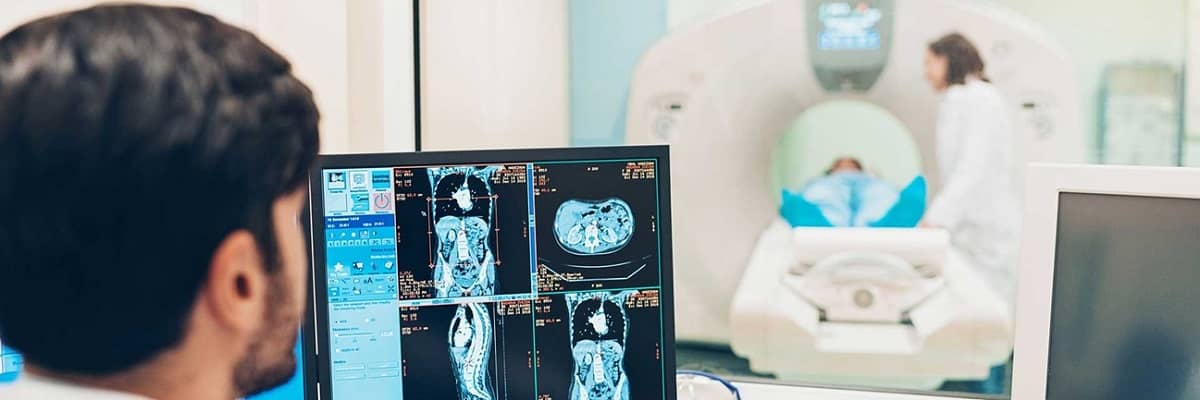
Radiographic Imaging: Radiology plays a significant role in oral medicine and radiology. Students learn to use various imaging modalities such as X-rays, CBCT (cone-beam computed tomography), and MRI (magnetic resonance imaging) to visualize oral and maxillofacial structures for diagnostic purposes.
Dental and Medical Interface: Students in this field often serve as a bridge between dentistry and medicine, as they encounter various medical conditions that manifest in the oral cavity. They are trained to recognize and refer patients with systemic illnesses.
Treatment Planning: The program emphasizes treatment planning for patients with complex oral health issues. Students learn to develop comprehensive treatment strategies and collaborate with other dental specialists when necessary.
Career Opportunities: Graduates of M.D.S. in Oral Medicine and Radiology find a wide range of career opportunities, including:
Clinical practitioners specializing in oral diagnosis.
Radiologists in dental clinics and hospitals.
Academicians and educators in dental schools.
Researchers in the field of oral medicine and radiology.
Consultants for oral health programs and public health organizations.
How can I Apply for admission to M.D.S. ORAL MEDICINE AND RADIOLOGY:
To apply for admission to an M.D.S. (Master of Dental Surgery) program in Oral Medicine and Radiology, you should follow a series of steps that typically involve meeting eligibility criteria, submitting an application, and participating in an admission process. Here's how you can apply:
Eligibility Criteria:
Ensure that you meet the eligibility criteria set by the dental school or university offering the M.D.S. program. Common requirements include having a Bachelor of Dental Surgery (BDS) degree and being registered with the dental council.
Research and Choose Institutions:
Research dental schools or universities that offer M.D.S. programs in Oral Medicine and Radiology. Consider factors like location, faculty, facilities, and reputation.
Prepare Required Documents:
Gather the necessary documents, which typically include:
Completed application form (online or offline).
Academic transcripts from BDS or equivalent qualification.
Proof of dental council registration.
Letters of recommendation (usually from professors or practicing dentists).
Statement of purpose (SOP) or a personal statement explaining your interest in the program.
Passport-sized photographs.
Any other documents required by the specific institution.
Entrance Exams (if required):
Some institutions may require you to take a national or university-specific entrance exam. Be prepared to register and appear for the necessary exams if applicable.
Application Submission:
Submit your application along with the required documents by the deadline specified by the institution. Many institutions offer online application portals for your convenience.
Attend Interviews and Counselling (if required):
Some institutions conduct interviews or counseling sessions as part of the admission process. If you are invited, make sure to attend these sessions.
Admission Selection:
Once the application period closes, the admissions committee reviews applications, conducts interviews (if necessary), and assesses candidates based on their academic records, recommendations, and other factors.
Admission Offer:
If you are selected for admission, you will receive an admission offer from the institution. This offer will include details about the program, fee structure, and other relevant information.
Confirm Admission:
To secure your seat, follow the instructions provided in the admission offer, including paying the necessary fees and confirming your acceptance.
Commence the Program:
Upon confirmation, you can start your M.D.S. program in Oral Medicine and Radiology as per the academic calendar of the institution.
What is the eligibility for M.D.S. ORAL MEDICINE AND RADIOLOGY:
The eligibility criteria for pursuing an M.D.S. (Master of Dental Surgery) program in Oral Medicine and Radiology may vary slightly between dental schools and universities, but here are the typical eligibility requirements:
Educational Qualification:
Candidates should have a Bachelor of Dental Surgery (BDS) degree from a recognized dental college or university. This is the foundational dental degree that qualifies individuals to pursue postgraduate dental studies.
Dental Council Registration:
It's usually a mandatory requirement to be registered with the respective dental council or authority in your country. This registration demonstrates your eligibility to practice as a dentist and is a prerequisite for M.D.S. programs.
Internship Completion:
In many cases, candidates must have completed a one-year mandatory internship in a recognized dental institution after obtaining their BDS degree. This internship provides practical clinical exposure and is a vital part of the dental education process.
Minimum Marks/Grade:
There might be minimum academic requirements in terms of marks or grades in your BDS degree. Most programs require a specific minimum aggregate score in your dental studies.
Entrance Exam (if applicable):
Some institutions and universities conduct national or university-level entrance exams for admission to M.D.S. programs. You'll need to qualify in these exams to be eligible for admission.
Work Experience (if required):
Some institutions may require candidates to have a specified period of work experience as a practicing dentist before applying for M.D.S. programs. This requirement can vary.
Other Requirements:
Specific institutions may have additional requirements such as letters of recommendation, personal statements, and interviews as part of their admission process.
How long does it takes to complete a M.D.S. ORAL MEDICINE AND RADIOLOGY program:
The duration to complete an M.D.S. (Master of Dental Surgery) program in Oral Medicine and Radiology typically spans a period of three years. This is a postgraduate dental program designed to provide in-depth knowledge and expertise in the fields of oral medicine and radiology. During these three years, students undertake coursework, clinical training, research, and practical experiences to prepare them for a career in oral diagnosis and radiographic imaging. Upon successful completion of the program, graduates are equipped with the skills to diagnose and manage a wide range of oral and maxillofacial conditions, utilizing advanced imaging techniques and oral medicine principles.
What are potential career opportunities after M.D.S. ORAL MEDICINE AND RADIOLOGY:
After completing an M.D.S. (Master of Dental Surgery) program in Oral Medicine and Radiology, graduates have a variety of career opportunities available to them. This specialized field equips dental professionals with the knowledge and skills to diagnose and manage oral and maxillofacial conditions using radiographic and imaging techniques, making them valuable assets in the field of dentistry and healthcare. Here are some potential career opportunities:
Oral Medicine Practitioner: Graduates can work as oral medicine specialists, focusing on the diagnosis and non-surgical management of oral diseases, including oral cancers, precancerous lesions, autoimmune diseases affecting the oral cavity, and more.
Oral Radiologist: They can pursue a career as oral radiologists, specializing in radiographic and imaging interpretation, aiding in the diagnosis of dental and maxillofacial conditions. They work in dental clinics, hospitals, and diagnostic imaging centers.
Academicians and Educators: Some graduates choose a career in academia and education, becoming professors or instructors in dental schools and universities. They educate the next generation of dental professionals.
Researchers: Graduates can contribute to dental research by conducting studies related to oral medicine, radiology, and dental health. They may work in research institutions, universities, or dental laboratories.
Dental Consultants: Some opt to work as consultants, offering expertise to dental practices, healthcare facilities, and public health programs, especially in the early diagnosis of oral conditions.
Interdisciplinary Collaboration: Given their knowledge of oral manifestations of systemic diseases, oral medicine and radiology specialists often collaborate with medical professionals to identify and manage systemic conditions that present symptoms in the oral cavity.
Hospital Dentists: They can work as hospital dentists, providing oral healthcare services in hospital settings, especially for patients with complex medical conditions or those needing specialized radiological assessments.
Public Health Dentists: Graduates may contribute to public health initiatives, conducting screenings and outreach programs, and working in government or non-government organizations to promote oral health.
Dental Administrators: Some graduates take on administrative roles in dental clinics, hospitals, or dental institutions, overseeing clinical operations and ensuring quality patient care.
Private Practice: While this program often leads to specialized roles, some professionals choose to establish their private dental practice with a focus on oral medicine and radiology services.
The field of oral medicine and radiology plays a crucial role in early disease detection, patient care, and interdisciplinary collaboration between dentistry and medicine. Graduates have the opportunity to make a significant impact on oral healthcare and contribute to advancements in the field.
Syllabus :
The syllabus of an M.D.S. (Master of Dental Surgery) program in Oral Medicine and Radiology is typically structured over a period of three years, divided into multiple semesters. The program combines theoretical coursework, clinical training, and research components to equip students with the knowledge and practical skills needed to excel in the field of oral medicine and radiology. Below is a broad overview of the syllabus, organized by semesters:
|
First Year: |
|
Semester I: |
|
Oral Medicine I: |
|
Basic principles of oral medicine |
|
Clinical examination and diagnosis of oral diseases |
|
Soft tissue lesions and their management |
|
Dental Anatomy and Oral Histology: |
|
Study of dental tissues |
|
Oral histology |
|
Oral embryology |
|
General Pathology: |
|
Principles of general pathology |
|
Study of cellular adaptations, inflammation, and repair |
|
Applied Anatomy: |
|
Detailed study of oral and maxillofacial anatomy |
|
Radiological anatomy |
|
Semester II: |
|
Oral Radiology I: |
|
Introduction to radiology |
|
Principles of radiation and radiographic techniques |
|
Radiographic interpretation |
|
Oral Medicine II: |
|
Oral mucosal disorders |
|
Diagnosis and management of oral infections |
|
Diagnosis of oral precancerous and cancerous lesions |
|
General Medicine: |
|
Basics of general medicine |
|
Systemic diseases and their oral manifestations |
|
Medical emergencies in dentistry |
|
|
|
Second Year: |
|
Semester III: |
|
Oral Radiology II: |
|
Advanced radiographic techniques |
|
Radiology in maxillofacial trauma |
|
Cone-beam computed tomography (CBCT) |
|
Oral Medicine III: |
|
Immunological disorders affecting the oral cavity |
|
Diagnosis and management of autoimmune diseases |
|
Oral manifestations of systemic diseases |
|
Oral Histopathology: |
|
Oral tissue pathology |
|
Histopathological techniques |
|
Oral biopsy and reporting |
|
Semester IV: |
|
Research Methodology and Biostatistics: |
|
Introduction to research |
|
Study design and data analysis |
|
Oral Radiology III: |
|
Advanced radiographic interpretation |
|
Radiology in orofacial pain management |
|
Magnetic resonance imaging (MRI) in dentistry |
|
|
|
Third Year: |
|
Semester V: |
|
Clinical Case Presentations: |
|
Clinical case discussions and presentations |
|
Radiological case studies |
|
Multidisciplinary approach in patient care |
|
Dissertation Work: |
|
Conducting research on a specific topic in oral medicine and radiology |
|
Dissertation preparation |
|
Semester VI: |
|
Clinical Training: |
|
Rotations in clinical settings |
|
Hands-on experience in oral diagnosis, radiology, and patient management |
|
Practical Examinations: |
|
Clinical and theoretical assessments |
|
Dissertation defense |
Internship Opportunities after completing M.D.S. ORAL MEDICINE AND RADIOLOGY:
After completing an M.D.S. (Master of Dental Surgery) program in Oral Medicine and Radiology, graduates have several opportunities for internships and career advancement in various sectors. These internships provide practical experience and help further develop expertise in oral medicine and radiology. Here are some potential internship opportunities:
Hospital Internship: Many graduates choose to work in hospitals, especially in the radiology departments or oral medicine clinics. These internships involve diagnosing and managing oral and maxillofacial conditions, interpreting radiographic images, and working closely with other healthcare professionals.
Dental Clinics: Graduates can intern or work in private dental clinics specializing in oral medicine and radiology services. In such settings, they diagnose and treat patients with various oral conditions and perform radiographic examinations.
Academic Institutions: Some graduates choose to intern at dental colleges and universities. This can involve assisting in teaching, conducting research, and gaining valuable experience in academia.
Research Institutes: Interning in dental research institutes or laboratories allows graduates to engage in cutting-edge research related to oral medicine, radiology, and oral health. They may contribute to ongoing research projects or initiate their own.
Government Health Departments: Graduates can work as interns in government health departments that focus on oral health and public health initiatives. This may involve conducting oral health surveys, screenings, and awareness programs.
Specialized Clinics: Specialized clinics that deal with conditions such as oral cancer or oral manifestations of systemic diseases may offer internship opportunities for graduates to gain expertise in these areas.
Interdisciplinary Collaborations: Internships in multidisciplinary settings, collaborating with medical professionals and other specialists, can provide a broader understanding of the role of oral medicine and radiology in overall healthcare.
International Opportunities: Some graduates seek internships or fellowships abroad to gain exposure to different healthcare systems and research initiatives.
Internships in oral medicine and radiology typically provide a combination of clinical training, radiological interpretation, and patient management experience. These internships are essential for building practical skills, applying knowledge gained during the M.D.S. program, and preparing for a successful career in the field. Depending on the institution and location, internship opportunities may vary, so graduates should explore options that align with their career goals and interests.
Scholarship and grants for M.D.S. ORAL MEDICINE AND RADIOLOGY:
Scholarships and grants for M.D.S. (Master of Dental Surgery) programs in Oral Medicine and Radiology can be beneficial in easing the financial burden of education. While specific scholarships and grants may vary by institution and region, here are some common sources to explore:
University Scholarships: Many universities and dental colleges offer merit-based scholarships to exceptional students. These scholarships are often awarded based on academic achievements, and the eligibility criteria can vary.
Government Scholarships: Government agencies, both at the national and state levels, may offer scholarships for dental postgraduate programs. These scholarships can be need-based or merit-based. Check with the relevant government education department or dental council for information on available scholarships.
Dental Associations: Professional dental associations and organizations may provide scholarships, grants, or financial aid to dental students pursuing postgraduate studies. These scholarships often have specific eligibility criteria, so be sure to review the requirements.
Corporate Scholarships: Dental equipment and pharmaceutical companies sometimes offer scholarships to dental students. These scholarships may come with commitments such as conducting research related to their products.
Research Grants: If you plan to engage in research during your M.D.S. program, you can explore research grants offered by dental and healthcare research institutions. These grants can provide funding for your research projects.
Fellowships: Some institutions and organizations offer fellowships, which include financial support along with opportunities for advanced training and research in the field of oral medicine and radiology.
Diversity and Inclusion Scholarships: Scholarships may be available to underrepresented minority students in dentistry, as well as those with a commitment to serving underserved communities.
International Scholarships: If you're considering studying abroad, you can explore scholarships for international students, which may cover tuition fees, living expenses, or research expenses.
Endowments and Foundations: Various foundations and endowments may offer scholarships to dental students pursuing postgraduate studies. These sources can provide financial assistance for education and research.
Work-Study Opportunities: Some institutions offer work-study programs that allow students to work part-time within the university in roles such as teaching assistants or research assistants, which can help cover educational expenses.
FAQs:
Certainly! Here are some frequently asked questions (FAQs) about M.D.S. (Master of Dental Surgery) in Oral Medicine and Radiology:
What is M.D.S. in Oral Medicine and Radiology?
M.D.S. in Oral Medicine and Radiology is a postgraduate dental program that focuses on the diagnosis and management of oral and maxillofacial diseases using clinical examination and radiographic imaging techniques.
What does an Oral Medicine and Radiology specialist do?
These specialists diagnose and manage a wide range of oral conditions, including precancerous and cancerous lesions, autoimmune diseases, infections, and orofacial pain. They also interpret radiographic images for accurate diagnosis.
How long does the M.D.S. program take to complete?
The M.D.S. program in Oral Medicine and Radiology typically takes three years to complete.
What are the eligibility criteria for M.D.S. in Oral Medicine and Radiology?
Eligibility criteria may vary by institution, but generally, candidates must have a Bachelor of Dental Surgery (BDS) degree, complete a one-year internship, and qualify in the National Eligibility-cum-Entrance Test (NEET) for M.D.S.
What are the career opportunities after M.D.S. in Oral Medicine and Radiology?
Graduates can work as oral medicine practitioners, radiologists, educators, researchers, consultants, or in hospital dentistry. They can also collaborate with other healthcare professionals.
Is there any scope for research in this field?
Yes, research is an integral part of this field. Graduates often engage in research related to oral health, radiology, or oral medicine, contributing to advancements in the field.
Are there any specific skills required for this program?
Strong diagnostic skills, a deep understanding of oral anatomy and histology, proficiency in radiographic image interpretation, and effective patient communication are essential.
Can I pursue this program internationally?
Yes, many countries offer M.D.S. programs in Oral Medicine and Radiology. You can explore international universities for opportunities.
Are there any scholarships available for M.D.S. students?
Yes, scholarships and grants are available for M.D.S. students. You can seek financial assistance from universities, government agencies, dental associations, and private organizations.
How can I prepare for the entrance exam (NEET MDS) for this program?
To prepare for the NEET MDS entrance exam, consider enrolling in coaching programs, practicing with sample papers, and focusing on subjects such as oral medicine, radiology, dental anatomy, and general medicine.
How Shiksha Hub helps you in
-
 Student Counsellors
 -
 Career Counseling
 -
 Research
 -
 24/7 Support
 -
 Scholarships
 -
 Community