Posted by Admin on 26-09-2023 in Shiksha hub
MDS Oral Pathology & Microbiology Introduction, Admission, Registration, Eligibility, Duration, Fees, Syllabus 2024
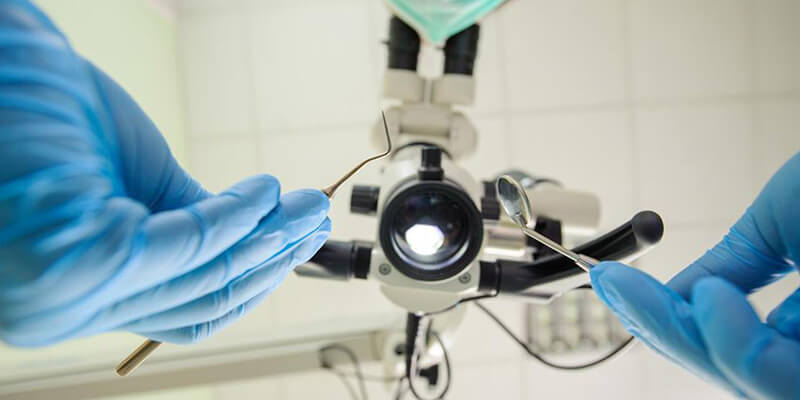
Introduction about M.D.S. ORAL PATHOLOGY AND MICROBIOLOGY:
M.D.S. in Oral Pathology and Microbiology is a specialized postgraduate dental program that focuses on the study of diseases affecting the oral and maxillofacial regions, as well as the microscopic organisms responsible for these diseases. This field plays a critical role in understanding, diagnosing, and managing various oral and dental conditions.
During this program, students delve into the following aspects:
Oral Pathology: This involves the study of diseases, disorders, and conditions that affect the oral and maxillofacial regions. It covers a wide range of topics, including the pathology of the teeth, gums, jaws, salivary glands, and oral mucosa. Students learn to diagnose and understand the causes, progression, and treatment of oral diseases.
Oral Microbiology: In this aspect, students explore the world of microorganisms, particularly bacteria and fungi, and their role in oral health and disease. They examine how microorganisms can lead to conditions like dental caries, periodontal diseases, and oral infections.
Histopathology: Students gain expertise in examining tissue samples under the microscope to identify abnormalities and diseases in oral tissues. This is crucial for accurate diagnosis and treatment planning.
Clinical Training: M.D.S. students receive hands-on clinical training, allowing them to work with patients and gain practical experience in diagnosing oral diseases. They may also be involved in the management of biopsies and other diagnostic procedures.
Research: Research plays a significant role in this program. Students are often required to complete a research thesis on a topic related to oral pathology or microbiology, contributing to the body of knowledge in this field.
Graduates of M.D.S. in Oral Pathology and Microbiology go on to become specialists in this field. They are equipped to work in various healthcare settings, including dental schools, hospitals, private dental clinics, and research institutions. Their expertise is invaluable in the early diagnosis, prevention, and management of oral diseases, ultimately improving oral health and patient well-being.
How can I Apply for admission to M.D.S. ORAL PATHOLOGY AND MICROBIOLOGY :
To apply for admission to an M.D.S. (Master of Dental Surgery) program in Oral Pathology and Microbiology, you typically need to follow a set of steps and meet specific eligibility criteria. Here's a general guide on how to apply:
Meet Eligibility Requirements:
Ensure you meet the eligibility criteria, which usually include:
A Bachelor's Degree in Dental Surgery (BDS) from a recognized dental college or university.
Completion of a rotatory internship as mandated by your dental council.
Registration with the appropriate dental council.
Research Dental Schools/Institutions:
Identify dental schools or institutions that offer the M.D.S. program in Oral Pathology and Microbiology. Research their admission requirements, application deadlines, and any entrance exams that may be required.
Prepare Required Documents:
Gather the necessary documents, which typically include:
Academic transcripts from BDS and internship.
BDS degree certificate.
Internship completion certificate.
Dental council registration certificate.
Passport-sized photographs.
Any other documents specified by the institution.
Entrance Exam (if applicable):
Some institutions may require you to take a relevant entrance exam, such as the National Eligibility-cum-Entrance Test for Postgraduates (NEET-PG) in India. Prepare and register for the exam according to the institution's guidelines.
Application Form:
Obtain the application form from the institution where you wish to apply. This may be available online or in hard copy. Fill out the form with accurate information.
Application Fee:
Pay the application fee, if required, as per the institution's instructions. Keep the payment receipt as proof.
Submit Application:
Submit your completed application form along with all the required documents, including academic records and any exam scorecards, to the designated address or through the online application portal.
Attend Interviews or Counseling (if required):
Some institutions may conduct interviews or counseling sessions as part of the admission process. Attend these sessions if requested.
Wait for Admission Notification:
After the application deadline, wait for the institution's admission committee to review your application. You will receive an admission offer or rejection based on their evaluation.
Complete Admission Formalities: - If you receive an admission offer, follow the instructions provided to complete the admission formalities, such as fee payment and registration.
Commence M.D.S. Program: - Once you have successfully completed the admission process, you can begin your M.D.S. in Oral Pathology and Microbiology program.
It's crucial to check the specific admission requirements and processes of the institution you intend to apply to, as they can vary. Additionally, be sure to keep track of application deadlines and follow the guidelines provided by the institution throughout the application process.
What is the eligibility for M.D.S. ORAL PATHOLOGY AND MICROBIOLOGY:
The eligibility criteria for M.D.S. (Master of Dental Surgery) in Oral Pathology and Microbiology typically include the following requirements:
Educational Qualifications:
A Bachelor's Degree in Dental Surgery (BDS) from a dental college or university recognized by the relevant dental council or authority. The BDS degree should be obtained after completing a minimum of four years of study.
Rotatory Internship:
Successful completion of a rotatory internship program as mandated by the dental council or authority in your country. The internship is usually a one-year program that provides hands-on clinical training in different dental specialties.
Dental Council Registration:
Registration with the appropriate dental council or dental board in your country, which allows you to practice dentistry legally. You must have a valid dental registration certificate.
Minimum Marks:
Meeting the minimum academic requirements specified by the institution offering the M.D.S. program. This may include achieving a certain percentage or grade in your BDS coursework.
Entrance Exams (if applicable):
Some institutions or countries may require you to take a standardized entrance exam, such as the National Eligibility-cum-Entrance Test for Postgraduates (NEET-PG) in India. Ensure you meet the exam eligibility criteria and perform well in the required exam.
It's essential to verify the specific eligibility criteria for the M.D.S. program in Oral Pathology and Microbiology with the institution or university where you plan to apply. Different institutions may have variations in their admission requirements, and they often publish detailed information about eligibility on their official websites or admission brochures. Always make sure to check the latest admission guidelines and updates from your chosen institution to ensure compliance with their specific requirements.
How long does it takes to complete a M.D.S. ORAL PATHOLOGY AND MICROBIOLOGY program:
The duration to complete an M.D.S. (Master of Dental Surgery) program in Oral Pathology and Microbiology typically spans a period of three years. During these three years, students undergo a comprehensive and specialized curriculum that encompasses the study of oral diseases, their pathology, and the role of microorganisms in dental and oral health.
Here is a general breakdown of the typical duration:
Coursework: The first year of the program is primarily focused on coursework. Students cover subjects related to oral pathology, oral microbiology, histopathology, diagnostic techniques, and research methodology. The curriculum aims to build a strong theoretical foundation in these areas.
Clinical Training: In the second and third years, students shift their focus to clinical training and research. They gain hands-on experience in diagnosing oral diseases, conducting biopsies, and interpreting histopathological findings. Research projects and thesis work are often a significant component of the program during this period.
Internship: Some M.D.S. programs may also include an internship component, which can extend the program duration. The internship provides practical experience in diagnosing and managing oral diseases under the guidance of experienced faculty.
Thesis (if applicable): If a thesis is required, students typically work on their research project throughout the program, with a significant portion of it completed in the final year.
It's important to note that the duration of M.D.S. programs can vary by country and institution. Some programs may offer options for part-time study or extended research, which can affect the overall program length. Therefore, it's advisable to check the specific program details with the dental school or university where you plan to enroll for the most accurate information on the duration of their M.D.S. in Oral Pathology and Microbiology program.
What are potential career opportunities after M.D.S. ORAL PATHOLOGY AND MICROBIOLOGY:
After completing an M.D.S. (Master of Dental Surgery) program in Oral Pathology and Microbiology, graduates have a range of potential career opportunities in the field of oral healthcare and dental research. Here are some of the career paths you can pursue:
Oral Pathologist: As an oral pathologist, you specialize in diagnosing oral and maxillofacial diseases, including oral cancers, through the examination of tissue samples and microscopic analysis. You work closely with dentists, oral surgeons, and other healthcare professionals to provide accurate diagnoses.
Oral Microbiologist: Oral microbiologists study the microorganisms (bacteria, fungi, etc.) present in the oral cavity and their role in oral health and diseases. They may work in research, clinical settings, or academia, conducting studies on oral microbiota and developing strategies for managing oral infections.
Dental Educator: You can pursue a career in dental education by becoming a faculty member at a dental school or university. As an educator, you would teach oral pathology and microbiology to dental students and contribute to the training of future dentists.
Dental Researcher: Many M.D.S. graduates choose to engage in dental research, either in academic institutions or research organizations. They conduct studies on various aspects of oral health, diseases, and microbiology, contributing to advancements in dental science.
Hospital Dentist: Some M.D.S. graduates opt to work in hospital settings, where they provide specialized diagnostic services and collaborate with other healthcare professionals to manage complex oral diseases.
Consultant or Private Practice: You may establish a consultancy practice, offering expertise in oral pathology and microbiology. Dentists and dental clinics may seek your services for second opinions or specialized diagnostics.
Public Health Dentist: With expertise in oral health and disease, you can contribute to public health initiatives, such as oral health promotion, community health programs, and epidemiological studies.
Government Dental Officer: In some regions, government dental departments employ specialists in oral pathology and microbiology to oversee public dental health programs, dental labs, and dental research.
Pharmaceutical and Dental Product Industry: You can work for pharmaceutical companies, dental product manufacturers, or dental laboratories, contributing to product development, quality control, or research and development.
Forensic Odontologist: For those with an interest in forensics, you can specialize in forensic odontology, using your expertise to identify human remains and assist in forensic investigations.
Dental Healthcare Administration: Some graduates choose to pursue careers in dental healthcare administration, managing dental clinics, laboratories, or dental research organizations.
These career opportunities allow you to apply your expertise in oral pathology and microbiology to improve oral health, advance dental science, and contribute to patient well-being. The specific career path you choose may depend on your interests, additional training, and regional opportunities.
Syllabus of M.D.S. ORAL PATHOLOGY AND MICROBIOLOGY"
The syllabus of an M.D.S. (Master of Dental Surgery) program in Oral Pathology and Microbiology is typically structured over a period of three years and covers a wide range of subjects related to oral health, oral diseases, microbiology, and research. Below is a general overview of the semester-wise syllabus:
|
First Year: |
|
Semester I: |
|
General Pathology and Oral Manifestations: Introduction to general pathology principles and their relevance to oral diseases. Study of oral manifestations of systemic diseases. |
|
Dental Anatomy and Embryology: In-depth examination of dental anatomy and embryological development of the oral and maxillofacial regions. |
|
Research Methodology and Biostatistics: Introduction to research methods and statistical tools used in dental research. |
|
Oral Histology and Embryology: Detailed study of oral histology, including oral tissues and cellular structure. |
|
Semester II: |
|
Oral Pathology: Comprehensive study of oral diseases, their classification, etiology, clinical features, and diagnostic methods. |
|
Oral Microbiology and Immunology: Examination of oral microorganisms, their role in health and disease, and principles of immunology relevant to oral health. |
|
Oral Cytology and Histopathology: Study of oral cytology and tissue changes in oral diseases, including the interpretation of histopathological slides. |
|
|
|
Second Year: |
|
Semester III: |
|
Dental Radiology and Imaging: Understanding dental radiographic techniques, interpretation of dental X-rays, and imaging modalities used in oral diagnosis. |
|
Oral Medicine and Radiology: In-depth study of oral medicine, including oral manifestations of systemic diseases, and advanced topics in radiology. |
|
Semester IV: |
|
Clinical Oral Pathology: Practical application of oral pathology concepts in diagnosing and managing oral diseases. Clinical training begins. |
|
Oral Cancer and Precancer: Detailed examination of oral cancer, precancerous lesions, and their management. |
|
|
|
Third Year: |
|
Semester V: |
|
Dissertation/Thesis: Students typically start working on their research dissertation or thesis during this semester. |
|
Oral and Maxillofacial Surgery Pathology: Study of pathological conditions associated with oral and maxillofacial surgery. |
|
Semester VI: |
|
Clinical Oral Microbiology: Practical experience in clinical oral microbiology, diagnosis, and management of oral infections. |
|
Forensic Odontology: Introduction to forensic odontology, dental identification techniques, and forensic investigations. |
|
|
|
Semester VII: |
|
Advanced Research Project: Continued research work on the dissertation or thesis. |
|
Semester VIII: |
|
Oral Pathology Seminar: Presentation of research findings and seminar on oral pathology topics. |
Internship Opportunities after completing M.D.S. ORAL PATHOLOGY AND MICROBIOLOGY:
After completing an M.D.S. (Master of Dental Surgery) program in Oral Pathology and Microbiology, there are several internship opportunities available to gain practical experience and further specialize in the field. Here are some potential internship opportunities:
Clinical Practice: Graduates can work in clinical settings, specializing in oral pathology and microbiology. They may diagnose and manage complex cases of oral diseases, collaborate with dentists, oral surgeons, and other specialists, and conduct biopsies and histopathological examinations.
Dental Hospital Internship: Many dental hospitals offer internship programs where M.D.S. graduates can gain hands-on experience in diagnosing and managing oral diseases. This experience is invaluable for building clinical expertise.
Academic Institutions: Some M.D.S. graduates choose to intern or work as faculty members in academic institutions. They can teach oral pathology and microbiology to dental students and engage in research projects.
Research Internships: Graduates interested in research can pursue internships in dental research organizations, universities, or laboratories. This allows them to conduct studies related to oral diseases, microbiology, and diagnostics.
Government Health Departments: Some government health departments hire oral pathologists and microbiologists to work in public health programs. This can involve disease surveillance, epidemiological studies, and oral health promotion.
Private Practice: Graduates may establish their private practice specializing in oral pathology and microbiology, offering diagnostic services, second opinions, and expert consultations to dental clinics and patients.
Forensic Odontology Internship: Those interested in forensic odontology can seek internships in forensic science departments, assisting in dental identification and forensic investigations.
Pharmaceutical and Dental Product Industry: The pharmaceutical and dental product industry offers internship opportunities in research and development, quality control, and product testing.
Hospital Dentistry: Graduates can work as hospital dentists in multidisciplinary healthcare settings, focusing on oral pathology and microbiology.
Public Health: Internships in public health agencies and organizations can involve public health research, disease prevention, and oral health promotion.
Scholarship and grants for M.D.S. ORAL PATHOLOGY AND MICROBIOLOGY:
Scholarships and grants for pursuing an M.D.S. (Master of Dental Surgery) in Oral Pathology and Microbiology may be available from various sources, including government institutions, universities, dental associations, and private organizations. Here are some potential options to explore:
University Scholarships: Many universities offer scholarships and financial aid to dental postgraduate students, including those specializing in oral pathology and microbiology. Check with the specific dental schools or universities where you plan to apply for information on scholarships they may offer.
Government Scholarships: In some countries, government agencies or ministries of health may provide scholarships or financial support to dental students pursuing postgraduate studies in dental specialties. Contact your country's healthcare or education authorities for details.
Dental Associations: Dental associations, such as the American Dental Association (ADA) or the British Dental Association (BDA), offer scholarships and grants to support dental students in their studies. Explore the options available through these associations.
Research Grants: If your program includes a research component, you can apply for research grants from organizations or foundations that fund dental research. These grants can help cover research expenses and tuition.
Fellowships: Some organizations and institutions offer fellowships to postgraduate dental students, which provide financial support and opportunities for additional training in their specialty.
Merit-Based Scholarships: Universities may offer merit-based scholarships to students with exceptional academic records and achievements. These scholarships are often competitive, so maintaining a high GPA and demonstrating excellence in your field is important.
Diversity Scholarships: Some institutions and organizations offer scholarships to students from underrepresented or minority backgrounds to promote diversity in the dental profession.
International Scholarships: If you are an international student, explore scholarships for international candidates offered by universities, governments, or international organizations.
Private Organizations and Foundations: There are numerous private organizations and foundations that provide scholarships and grants for healthcare professionals, including dentists. Conduct research to identify organizations that align with your career goals and seek their support.
Loan Forgiveness Programs: In some regions, there are loan forgiveness programs for healthcare professionals who commit to working in underserved or rural areas for a certain period after completing their education. These programs can help with educational debt repayment.
Faq on M.D.S. ORAL PATHOLOGY AND MICROBIOLOGY:
Certainly, here are some frequently asked questions (FAQs) about M.D.S. (Master of Dental Surgery) in Oral Pathology and Microbiology:
What is M.D.S. in Oral Pathology and Microbiology?
M.D.S. in Oral Pathology and Microbiology is a postgraduate dental program that focuses on the study of oral diseases, their pathology, and the role of microorganisms in oral health and disease.
What are the eligibility criteria for M.D.S. in Oral Pathology and Microbiology?
Eligibility criteria may vary by institution, but typically, candidates must have a Bachelor of Dental Surgery (BDS) degree, be registered with the dental council, and meet specific academic requirements.
What is the duration of the program?
The program generally spans three years and includes coursework, clinical training, and research components.
What does the curriculum cover?
The curriculum includes subjects like oral pathology, oral microbiology, oral medicine, dental radiology, and research methodology. It also covers clinical aspects of diagnosing and managing oral diseases.
What are the career opportunities after completing M.D.S. in Oral Pathology and Microbiology?
Graduates can work as oral pathologists, oral microbiologists, educators, researchers, hospital dentists, or in various roles related to oral healthcare, public health, and academia.
Are there scholarship options for M.D.S. students?
Scholarships may be available from universities, government agencies, dental associations, and private organizations. Students should research and apply for relevant scholarships and grants.
Can international students apply for this program?
Yes, international students can apply for M.D.S. programs. They should check the specific admission requirements and application procedures for international candidates.
Is clinical training a part of the program?
Yes, clinical training is a significant component of the program, allowing students to diagnose and manage oral diseases, conduct biopsies, and gain practical experience.
Is a research dissertation or thesis required?
Many programs require students to complete a research dissertation or thesis, which is a significant component of the program.
How can I apply for M.D.S. in Oral Pathology and Microbiology?
To apply, you need to check the admission requirements of the institution where you wish to study. Typically, you'll need to submit an application, academic transcripts, letters of recommendation, and meet specific criteria.
What is the scope of oral pathology and microbiology in dentistry?
Oral pathology and microbiology play a crucial role in diagnosing and managing oral diseases, contributing to patient well-being, dental research, and the dental healthcare system.
Can M.D.S. graduates practice as general dentists?
M.D.S. graduates are specialists in their chosen field, so they typically practice in their specialty. However, they may choose to practice as general dentists if they have a BDS degree.
How Shiksha Hub helps you in
-
 Student Counsellors
 -
 Career Counseling
 -
 Research
 -
 24/7 Support
 -
 Scholarships
 -
 Community