Posted by Admin on 26-09-2023 in Shiksha hub
M.D.S. Pediatric Dentistry Introduction, Admission, Registration, Eligibility, Duration, Fees, Syllabus 2024
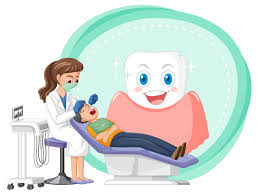
Introduction about M.D.S. PEDIATRIC DENTISTRY:
M.D.S. in Pediatric Dentistry is a specialized postgraduate dental program that focuses on the oral health and dental care of infants, children, and adolescents. This field of dentistry is dedicated to addressing the unique dental needs and concerns of young patients, ensuring that they develop and maintain healthy smiles from an early age.
Pediatric dentists, often referred to as pedodontists, play a crucial role in providing comprehensive dental care to children. Their responsibilities include diagnosing and treating dental issues specific to young patients, as well as emphasizing preventive measures to protect children's teeth and gums.
The M.D.S. program in Pediatric Dentistry equips students with the knowledge and clinical skills needed to excel in this field. It covers a wide range of topics, including dental anatomy, child psychology, behavior management, oral surgery for children, and orthodontic interventions. Graduates of this program are well-prepared to provide expert dental care to children, creating a positive and stress-free dental experience that fosters a lifetime of good oral health. Pediatric dentistry is not just about treating dental problems but also educating children and their parents on proper oral hygiene practices, making it an essential part of overall healthcare for young patients.
How can I Apply for admission to M.D.S. PEDIATRIC DENTISTRY:
To apply for admission to an M.D.S. (Master of Dental Surgery) program in Pediatric Dentistry, you typically need to follow a series of steps. Please note that the application process may vary by institution and country, so it's essential to check the specific requirements of the dental schools where you plan to apply. However, here's a general guideline on how to apply for admission:
Check Eligibility:
Ensure that you meet the eligibility criteria, which typically include having a BDS (Bachelor of Dental Surgery) degree or its equivalent from a recognized institution. You may also need to have completed a compulsory rotatory internship.
Research Institutions:
Research dental schools and institutions that offer M.D.S. programs in Pediatric Dentistry. Consider factors like the institution's reputation, faculty expertise, facilities, location, and any specific program features.
Prepare Required Documents:
Gather the necessary documents, which commonly include:
Academic transcripts and certificates (BDS degree)
Internship completion certificate
Entrance exam scores (if required)
Letters of recommendation (usually from professors or dental professionals)
Statement of purpose (SOP) or personal statement
Passport-sized photographs
Identity and address proof
Any other documents specified by the institution
Entrance Exams (if applicable):
Some institutions may require you to take a national or institution-specific entrance exam. For example, in India, the NEET MDS (National Eligibility cum Entrance Test for Master of Dental Surgery) is commonly used for admissions to M.D.S. programs.
Online Application:
Most institutions have an online application process. Visit the official website of the dental school or institution and complete the online application form. You may need to create an account or register on the admission portal.
Application Fee:
Pay the application fee, if applicable. The fee amount varies by institution and is usually non-refundable.
Submission Deadline:
Be aware of the application deadline, and make sure to submit your application and all required documents before the specified date.
Interview (if required):
Some institutions may conduct interviews as part of the admission process. If you are selected, prepare for the interview by familiarizing yourself with common interview questions related to your field of study.
Wait for Notification:
After submitting your application, wait for the institution's response. You will receive notification of your admission status, which may include an offer letter if you are accepted.
Acceptance and Enrollment:
If you are accepted, follow the instructions provided in your offer letter for enrollment. This typically involves paying fees, attending an orientation program, and completing any additional paperwork.
Remember that the application process can be competitive, so it's important to prepare a strong application that highlights your academic achievements, relevant experience, and passion for pediatric dentistry. Always double-check the specific requirements and deadlines of the institutions you are interested in to ensure a smooth application process.
What is the eligibility for M.D.S. PEDIATRIC DENTISTRY:
The eligibility criteria for M.D.S. (Master of Dental Surgery) in Pediatric Dentistry typically include the following requirements, though it's important to note that these criteria may vary by institution and country:
BDS Degree: You must have a BDS (Bachelor of Dental Surgery) degree from a recognized dental institution. This is typically a prerequisite for pursuing postgraduate dental programs.
Rotatory Internship Completion: In many cases, you are required to have completed a compulsory rotatory internship after obtaining your BDS degree. The internship provides hands-on clinical experience in different dental specialties.
Qualifying Entrance Exam: Some countries, such as India, require candidates to qualify in a national or institution-specific entrance exam for M.D.S. admissions. The specific entrance exam and qualifying scores can vary, so you should research and prepare accordingly.
Minimum Academic Performance: Dental schools may have minimum academic performance criteria, such as a specified minimum GPA (Grade Point Average) in your BDS program. Meeting or exceeding these academic standards is essential for eligibility.
Letters of Recommendation: You may need to provide letters of recommendation from professors, dental professionals, or individuals who can attest to your qualifications and potential for success in the M.D.S. program.
Statement of Purpose (SOP): Most institutions require a well-written statement of purpose or personal statement that outlines your motivations for pursuing an M.D.S. in Pediatric Dentistry, your career goals, and how the program aligns with your aspirations.
Passport-Sized Photographs: Prepare passport-sized photographs, as these are often required for the application and admission process.
Identity and Address Proof: You may need to provide valid identity and address proof documents as part of the admission process.
Application Fee: Be prepared to pay the application fee, which is usually non-refundable. The fee amount can vary from one institution to another.
How long does it takes to complete a M.D.S. PEDIATRIC DENTISTRY program:
The duration of an M.D.S. (Master of Dental Surgery) program in Pediatric Dentistry typically spans a period of three years. During these three years, students receive comprehensive education and training in the field of pediatric dentistry, which is dedicated to the oral health and dental care of infants, children, and adolescents.
This three-year program includes both academic coursework and clinical training. Students learn about child psychology, pediatric oral pathology, dental anatomy, behavior management, and orthodontic interventions, among other relevant topics. Additionally, they gain hands-on experience by providing dental care to young patients, diagnosing and treating dental issues specific to children, and emphasizing preventive measures to maintain children's oral health.
Upon successful completion of the M.D.S. program in Pediatric Dentistry, graduates are well-prepared to become skilled pediatric dentists, providing expert dental care to children and adolescents and promoting a lifetime of healthy smiles.
MDS Pediatric Dentistry: Syllabus:
The syllabus of both theoretical and clinical subjects in MDS in Pediatric Dentistry is almost the same in most of the dental colleges. The various subjects and topics taught during the course are tabulated below:
|
Applied Anatomy and genetics |
Applied Physiology |
Applied Pathology |
|
Nutrition and Dietetics |
Growth & Development |
Child Psychology |
|
Behavior Management |
Child Abuse & Dental Neglect |
Conscious Sedation, General Anesthesia, Deep Sedation & in Pediatric Dentistry |
|
Preventive Periodontics Dental Plaque |
Microbiology & Immunology as related to Oral Diseases in Children |
Gingival & Periodontal diseases in Children |
|
Pediatric Operative Dentistry |
Pediatric Endodontics |
Prosthetic consideration in Pediatric Dentistry |
|
Traumatic Injuries in Children |
Interceptive Orthodontics |
Oral Habits in Children |
|
Dental care of Children with special needs |
Systemic Condition of Oral manifestations in Children & their Management |
Management of Minor Oral |
|
Surgical Procedures in Children |
Dental Radiology as related to Pediatric Dentistry |
Cariology |
|
Pediatric Oral Medicine & Clinical Pathology |
Congenital Abnormalities in Children |
Dental Emergencies in Children and their Management. |
|
Dental Materials used in Pediatric Dentistry |
Preventive Dentistry |
School Dental Health Programs and Dental Health Education |
|
Dental health concepts, Effects of civilization and environment, Dental Health |
Fluorides |
Medicolegal aspects in Pediatric Dentistry with emphasis on informed consent |
|
Counseling in Pediatric Dentistry |
Case History Recording, Outline of principles of examination, diagnosis & treatment |
Epidemiology |
|
Comprehensive Infant Oral Health Care |
Principles of Biostatistics & Research Methodology & Understanding of Computers and Photography |
Comprehensive cleft care management with emphasis on counseling, feeding, nasoalveolar bone remodeling, speech rehabilitation |
|
Preventive Dentistry Clinic and Setting up of Periodontics |
Emerging concept in Pediatric Dentistry of scope of laser/ minimum invasion. |
Setting up of Pedodontics & Preventive Dentis |
What are potential career opportunities after M.D.S. Pediatric:
Potential Career Opportunities after M.D.S. in Pediatric
In the world of medicine and healthcare, the pursuit of a Master of Dental Surgery (M.D.S.) in Pediatrics can open up a world of potential career opportunities. Pediatric dentistry is a specialized field that is dedicated to providing dental care to children from infancy through adolescence. This article will delve into the significance of an M.D.S. in Pediatrics and explore various career paths available to those who hold this prestigious degree.
Career Opportunities After M.D.S. in Pediatrics
Pediatric Dentist
Becoming a pediatric dentist is the most direct and common career path for individuals with an M.D.S. in Pediatrics. These dental professionals work exclusively with children, providing routine check-ups, preventive care, and treatments for various dental conditions. Pediatric dentists create a friendly and welcoming environment for young patients, helping them develop healthy dental habits from a young age.
Researcher and Educator
For those passionate about advancing the field of pediatric dentistry, a career in research and education can be incredibly rewarding. Many dental schools and academic institutions seek professionals with M.D.S. qualifications to teach and conduct research in the field of pediatric dentistry. These educators help shape the future of dentistry and contribute to the growth of knowledge in the profession.
Hospital Administrator
M.D.S. in Pediatrics graduates can also explore opportunities in hospital administration. They can take on roles as dental department heads or administrators in healthcare facilities, ensuring that pediatric dental care is efficiently provided to patients. This career path allows individuals to blend their dental expertise with management skills.
Public Health Official
Public health is an increasingly important aspect of healthcare. Pediatric dentists with an M.D.S. can work with government agencies and non-profit organizations to improve oral health at a community level. They can develop and implement dental health programs, raise awareness, and advocate for policies that benefit children's dental health.
Steps to Pursue a Career After M.D.S. in Pediatrics
Specialization
Choosing a specialization within pediatric dentistry is an important step. Specializations may include orthodontics, oral surgery, or pediatric dental anesthesia. Specialized skills can enhance career prospects and open up more job opportunities.
Networking and Professional Development
Building a professional network within the dental community is vital. Attending conferences, workshops, and joining dental associations can help individuals stay updated on the latest advancements in the field and connect with potential employers or collaborators.
Licensure and Certification
Licensing and certification requirements may vary by location, so it's crucial to research and fulfill the necessary qualifications to practice as a pediatric dentist. This ensures that professionals meet the standards and regulations set by relevant authorities.
Salary Expectations
Salaries for pediatric dentists with an M.D.S. in Pediatrics can vary depending on factors such as location, experience, and specialization. On average, pediatric dentists in the United States earn a competitive salary, often exceeding $150,000 per year, making it a financially rewarding career choice.
Challenges and Rewards
Working with children in a dental setting can be challenging, as it requires a high level of patience, communication skills, and the ability to ease the fears of young patients. However, the rewards are immense, as pediatric dentists play a vital role in ensuring the oral health of future generations.
Internship opportunities after completing M.D.S. Pediatric:
After successfully completing your M.D.S. in Pediatric, the next step is often securing an internship to gain practical experience and further hone your skills. Internships are essential in the medical field, as they provide hands-on training and exposure to real-world scenarios. Here, we'll explore the various internship opportunities available to M.D.S. in Pediatric graduates.
Residency Programs
Residency programs are a common choice for recent M.D.S. in Pediatric graduates. These programs offer intensive training and clinical experience in a hospital or dental clinic. They can last anywhere from one to two years and are designed to provide a comprehensive understanding of pediatric dentistry. During a residency, you will work closely with experienced pediatric dentists, treat patients, and gain exposure to a wide range of cases.
Government Healthcare Institutions
Many government healthcare institutions offer internship opportunities for pediatric dentists. These internships often focus on providing dental care to underserved populations, which can be a highly rewarding experience. Working in government healthcare facilities allows you to make a significant impact on the oral health of communities in need.
Private Dental Clinics
Some graduates choose to intern at private dental clinics. This option provides exposure to the business aspects of pediatric dentistry, such as managing appointments, billing, and building a patient base. It's an excellent opportunity for those who aspire to open their private practice in the future.
Research Internships
If you have a passion for research and academics, consider internships at research institutions or dental schools. These internships focus on conducting research in the field of pediatric dentistry. You may have the opportunity to work on research projects, publish papers, and contribute to the advancement of dental science.
Nonprofit and Humanitarian Organizations
For those who want to make a difference in underserved or remote areas, internships with nonprofit and humanitarian organizations can be fulfilling. These organizations often run dental outreach programs and missions to provide dental care to children in need. It's a chance to apply your skills while giving back to society.
Dental Product Companies
Some graduates choose to intern with dental product companies that manufacture pediatric dental equipment, supplies, or oral care products. These internships provide insights into product development, marketing, and sales within the dental industry.
Continuing Education and Fellowship Programs
Internships are not limited to clinical practice. Continuing education and fellowship programs are also available for further specialization. These programs allow you to delve deeper into areas like pediatric oral surgery, orthodontics, or dental anesthesia.
Pediatric Dental Associations
Pediatric dental associations may offer internships that focus on community outreach, education, or advocacy. These internships allow you to be involved in initiatives that promote pediatric dental health and raise awareness about the importance of oral care for children.
International Opportunities
If you're open to global experiences, consider international internships. Many organizations and NGOs offer internships that involve providing dental care in different countries. It's an opportunity to learn about diverse healthcare systems and work with diverse patient populations.
In conclusion, there is a wide array of internship opportunities available to those who have completed their M.D.S. in Pediatric. The choice of internship should align with your career goals and aspirations. It's an essential step in your professional journey, as it equips you with the practical skills and experience necessary to excel in the field of pediatric dentistry.
Scholarship and grants for M.D.S. Pediatri:
Pursuing a Master of Dental Surgery (M.D.S.) in Pediatric can be a rewarding but financially demanding endeavor. Scholarships and grants can significantly ease the financial burden and make it more accessible for aspiring pediatric dentists. Here, we'll explore various scholarship and grant opportunities available to students pursuing an M.D.S. in Pediatric.
University Scholarships
Many universities and dental schools offer scholarships to outstanding students pursuing advanced degrees in dentistry. These scholarships are typically based on academic merit, and the eligibility criteria and award amounts may vary. Be sure to check with your university's financial aid office for information on available scholarships.
Government Scholarships
In some countries, government agencies provide scholarships for students pursuing healthcare-related degrees, including M.D.S. programs. These scholarships often come with a service commitment to work in underserved areas upon graduation. Research your country's government scholarship programs for potential opportunities.
Professional Organizations
Professional dental organizations, such as the American Academy of Pediatric Dentistry (AAPD) and the International Association of Paediatric Dentistry (IAPD), offer scholarships to students interested in pediatric dentistry. These scholarships aim to support future leaders in the field.
Private Foundations
Several private foundations and nonprofit organizations provide scholarships for healthcare professionals. These foundations may have specific scholarship programs for pediatric dentistry students. Examples include the ADA Foundation, Delta Dental, and the Healthy Smiles, Healthy Children Foundation.
Dental Industry Scholarships
Companies within the dental industry, including dental product manufacturers and suppliers, sometimes offer scholarships to students pursuing advanced dental degrees. These scholarships may require students to have an interest in using or promoting specific dental products.
Minority Scholarships
Scholarships designed to support underrepresented minority students in the field of dentistry are also available. These scholarships aim to increase diversity within the profession. The National Dental Association and various regional minority dental associations offer such scholarships.
Community and Service-Based Scholarships
Some scholarships are awarded to students who have a strong commitment to community service. If you have a history of volunteering or providing dental care to underserved communities, you may be eligible for these scholarships.
International Scholarships
If you plan to study abroad, explore scholarship opportunities for international students. Many universities and organizations offer scholarships to foreign students pursuing healthcare degrees, including M.D.S. in Pediatric programs.
Research Grants
For students interested in pursuing a career in dental research, research grants can be a valuable source of financial support. These grants can fund research projects and cover tuition and living expenses.
Specialized Grants for Pediatric Dentistry
Some organizations specifically offer grants to support pediatric dentistry students. These grants may be intended to advance the field or address oral health disparities in children.
To apply for scholarships and grants, it's important to research the specific eligibility criteria, application deadlines, and required documents for each opportunity. Additionally, consider reaching out to your university's financial aid office for guidance and support in finding suitable scholarship and grant options.
Scholarships and grants not only help reduce the financial burden of pursuing an M.D.S. in Pediatric but also recognize and support students who are dedicated to making a positive impact in the field of pediatric dentistry.
FAQ,s:
What is M.D.S. in Pediatric? M.D.S. in Pediatric, or Master of Dental Surgery in Pediatric Dentistry, is a specialized postgraduate program that focuses on the diagnosis, treatment, and prevention of dental issues in children and adolescents.
How long does it take to complete an M.D.S. in Pediatric program? The duration of an M.D.S. program in Pediatric Dentistry typically ranges from 2 to 3 years, depending on the university and country.
What are the career opportunities after completing M.D.S. in Pediatric? Graduates can pursue careers as pediatric dentists, educators, researchers, hospital administrators, public health officials, and more.
Is pediatric dentistry limited to treating young children, or does it include teenagers as well? Pediatric dentists are trained to provide dental care to patients from infancy through adolescence, so their practice includes treating teenagers.
What are the challenges and rewards of working in pediatric dentistry? Challenges include dealing with anxious young patients, but the rewards are immense, as you play a vital role in ensuring the oral health of future generations.
Are there scholarship opportunities for M.D.S. in Pediatric students? Yes, there are various scholarships and grants available to support students pursuing an M.D.S. in Pediatric. These scholarships can help ease the financial burden of education.
What are the options for internships after completing M.D.S. in Pediatric? Internship options include residency programs, government healthcare institutions, private dental clinics, research internships, nonprofit and humanitarian organizations, dental product companies, and more.
Can I specialize further in pediatric dentistry after completing the M.D.S. program? Yes, you can pursue specialization in areas such as orthodontics, oral surgery, or dental anesthesia through postgraduate courses or fellowship programs.
Do pediatric dentists earn a competitive salary? Pediatric dentists typically earn competitive salaries, with the average income often exceeding $150,000 per year in the United States.
How can I become a member of professional organizations in pediatric dentistry? You can become a member of organizations like the American Academy of Pediatric Dentistry (AAPD) or the International Association of Paediatric Dentistry (IAPD) by meeting their membership criteria and applying through their respective websites.
Conclusion:
An M.D.S. in Pediatrics is a gateway to a multitude of career opportunities in the field of pediatric dentistry. Whether you choose to become a pediatric dentist, researcher, educator, hospital administrator, or public health official, this specialized degree equips you with the knowledge and skills needed to make a significant impact on children's oral health.
How Shiksha Hub helps you in
-
 Student Counsellors
 -
 Career Counseling
 -
 Research
 -
 24/7 Support
 -
 Scholarships
 -
 Community