Posted by Admin on 26-09-2023 in Shiksha hub
MDS Pedodontics & Preventive Dentistry Introduction, Admission, Registration, Eligibility, Duration, Fees, Syllabus 2024
Introduction to Pediatric and Preventive Dentistry (MDS):
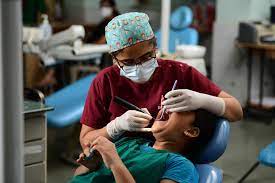
Pediatric and Preventive Dentistry is a specialized field within the realm of dentistry that focuses on the oral health and dental care of children, from infants to adolescents. It plays a crucial role in ensuring that children develop and maintain healthy teeth and gums, as well as promoting habits that will support lifelong oral health. This branch of dentistry is often pursued at a postgraduate level through a Master of Dental Surgery (MDS) program, which equips dentists with advanced knowledge and skills in dealing with the unique dental needs of young patients.
The primary objectives of Pediatric and Preventive Dentistry are:
Prevention: To educate children and their parents or guardians about the importance of oral hygiene and preventive measures, such as regular dental check-ups, fluoride treatments, and dental sealants. These interventions aim to minimize the risk of dental problems like cavities and gum disease.
Early Detection and Intervention: Identifying dental issues in their earliest stages is essential to prevent them from progressing into more significant problems. Pediatric dentists are trained to diagnose and treat conditions like malocclusion, tooth decay, and developmental abnormalities at an early age.
Child-Friendly Environment: Creating a welcoming and non-threatening atmosphere in the dental office is vital to build trust and ensure a positive experience for young patients. Pediatric dentists often have specialized training in child psychology and communication to establish rapport and alleviate anxiety.
Specialized Treatments: Pediatric dentists are well-versed in administering treatments tailored to children's needs, such as pulp therapy, space maintainers, and orthodontic interventions. These procedures are designed to address issues specific to growing teeth and jaws.
Oral Health Education: Providing parents and caregivers with guidance on maintaining their child's oral health is a significant aspect of this field. This education includes proper brushing and flossing techniques, dietary recommendations, and age-appropriate oral care routines.
How can I apply for admission to MDS. PAEDIATRIC AND PREVENTIVE DENTISTRY:
Applying for admission to an MDS (Master of Dental Surgery) program in Pediatric and Preventive Dentistry typically involves a series of steps. Here's a general outline of the process:
Research and Choose a University/Institution: First, research universities or dental institutions that offer MDS programs in Pediatric and Preventive Dentistry. Look for institutions with a good reputation in dental education, faculty expertise, and available resources.
Check Eligibility Requirements: Review the admission eligibility criteria for the specific MDS program you're interested in. These criteria may include academic qualifications, prior dental education, and sometimes even entrance exams.
Academic Qualifications: Ensure that you meet the minimum academic qualifications, such as a Bachelor of Dental Surgery (BDS) or its equivalent from a recognized dental college or university. Some programs may have additional requirements, such as a certain percentage of marks in your BDS.
Entrance Exams: Some institutions or universities may require you to take a dental entrance exam as part of the admission process. The specific exam and its format can vary by institution, so check with the university for details.
Prepare Required Documents:
Transcripts: Gather your academic transcripts from your BDS program.
Letters of Recommendation: Obtain strong letters of recommendation from professors or dental professionals who are familiar with your work.
Statement of Purpose: Write a compelling statement of purpose outlining your reasons for pursuing an MDS in Pediatric and Preventive Dentistry and your career goals.
CV/Resume: Prepare a detailed CV or resume highlighting your academic and professional achievements.
Application Form: Complete the application form provided by the university or institution. This form typically includes personal information, academic history, and any other required details.
Application Fee: Pay the application fee, which varies by institution. Ensure that you meet the deadlines for submitting your application and fee.
Interview: Some institutions may require an interview as part of the admission process. Be prepared to discuss your qualifications, aspirations, and reasons for choosing this specialty.
Selection Process: The selection process often involves a competitive evaluation of your academic records, entrance exam scores (if applicable), letters of recommendation, and interview performance.
Wait for Admission Results: After submitting your application and going through the selection process, wait for the admission results. If you're accepted, you'll receive an admission offer.
Acceptance and Enrollment: If you receive an admission offer, follow the instructions provided by the university for accepting the offer and enrolling in the program.
Financial Aid: Explore scholarships, grants, or financial aid opportunities that may be available to support your MDS studies.
What is the eligibility for MDS. PAEDIATRIC AND PREVENTIVE DENTISTRY:
The eligibility criteria for admission to an MDS (Master of Dental Surgery) program in Pediatric and Preventive Dentistry may vary from one institution to another, but there are some common requirements that are typically expected. Here is a general overview of the eligibility criteria:
Educational Qualifications:
You should have successfully completed a Bachelor of Dental Surgery (BDS) program from a recognized dental college or university.
A BDS degree is typically a prerequisite for pursuing an MDS program in any dental specialty, including Pediatric and Preventive Dentistry.
You need to have passed all the required BDS examinations and obtained your BDS degree.
Minimum Marks: Many MDS programs have a minimum percentage requirement in your BDS program. The specific percentage may vary by institution, but it is often in the range of 50% to 55% or higher. Be sure to check the eligibility criteria of the institution you're interested in for the exact percentage requirement.
Internship Completion: In some cases, institutions may require you to have completed a compulsory rotatory internship after your BDS. The duration and specific internship requirements can vary, so check the institution's guidelines for this.
Entrance Exam: Some universities or dental colleges conduct entrance exams for MDS programs. You may need to qualify in such exams to be eligible for admission. The entrance exam details, including syllabus and scoring criteria, can vary by institution, so check with the university for specific requirements.
Registration with Dental Council: It's usually required that you are registered with the Dental Council of your country or region, as applicable. This ensures that you have the necessary credentials and permissions to practice dentistry.
Letters of Recommendation: Some institutions may ask for letters of recommendation from professors or dental professionals who are familiar with your academic and clinical performance.
Statement of Purpose (SOP): Prepare a well-written SOP that outlines your motivations for pursuing an MDS in Pediatric and Preventive Dentistry and your career goals.
Interview (if applicable): Be prepared for an interview as part of the admission process in some institutions. This is an opportunity for you to discuss your qualifications, aspirations, and reasons for choosing this specialty.
How long does it takes to complete a MDS. PAEDIATRIC AND PREVENTIVE DENTISTRY:
The duration of an MDS (Master of Dental Surgery) program in Pediatric and Preventive Dentistry can vary from one institution to another and may also depend on the specific curriculum and regulations of the country where you are pursuing the program. However, MDS programs in Pediatric and Preventive Dentistry are generally designed to be completed in a span of 3 years in many countries. Here's a breakdown of the typical duration:
First Year: The first year of the MDS program often includes a combination of didactic coursework, seminars, and clinical training. During this year, students focus on building a solid foundation in pediatric and preventive dentistry, including topics like child psychology, oral health education, and the diagnosis and treatment of dental issues in children.
Second Year: In the second year, students delve deeper into the specialty, with a continued emphasis on clinical training and exposure to a wide range of pediatric dental cases. They may also start working on research projects or theses during this year.
Third Year: The third year typically involves more advanced clinical training, specialization in specific areas within pediatric and preventive dentistry, and the completion of research projects or theses. Students gain a comprehensive understanding of the field and become proficient in addressing complex pediatric dental cases.
It's important to note that the exact curriculum and structure of the MDS program can vary by institution. Additionally, some programs may offer part-time or flexible options, which could extend the duration of the program. It's essential to check with the specific university or dental college where you plan to pursue your MDS in Pediatric and Preventive Dentistry for precise information regarding the program's duration and structure.
Furthermore, some countries may have variations in the duration of MDS programs, so it's advisable to verify the requirements and guidelines in your region. Typically, upon successful completion of the program, graduates are well-prepared to practice as specialists in pediatric and preventive dentistry, focusing on the oral health needs of children and adolescents.
What are potential career opportunities after MDS. PAEDIATRIC AND PREVENTIVE DENTISTRY:
After completing an MDS (Master of Dental Surgery) program in Pediatric and Preventive Dentistry, you'll have various career opportunities in this specialized field. Here are some potential career paths and opportunities:
Pediatric Dentist: As an MDS graduate in Pediatric and Preventive Dentistry, you can work as a pediatric dentist. You'll specialize in providing comprehensive dental care to children, from infancy through adolescence. This includes preventive care, restorative procedures, orthodontics, and addressing developmental and behavioral aspects of pediatric oral health.
Private Practice: Many pediatric dentists establish their private practices, where they provide dental services exclusively for children. This can involve routine check-ups, cleanings, treatments for dental issues, and educating young patients and their parents on oral health maintenance.
Academic and Research Positions: If you have a strong interest in research and education, you can pursue academic positions in dental schools or universities. These roles involve teaching, supervising students, and conducting research in the field of pediatric and preventive dentistry.
Hospital Dentistry: Pediatric dentists may also work in hospitals or healthcare institutions, where they address the dental needs of children with complex medical conditions or special needs. They collaborate with other healthcare professionals to provide comprehensive care.
Public Health Dentistry: You can contribute to public health initiatives by working with government health agencies or non-profit organizations. Pediatric dentists in public health may focus on community-based programs, school dental health programs, and initiatives to improve the oral health of underserved populations.
Consulting: Some MDS graduates choose to work as dental consultants, offering expert advice to other dentists, organizations, or insurance companies on matters related to pediatric and preventive dentistry.
Orthodontics: With additional training or a dual specialization, you can become an orthodontist specializing in the correction of misaligned teeth and jaws in children. This may involve providing orthodontic treatment, such as braces or aligners, to pediatric patients.
Researcher or Scientist: You can pursue a career in dental research or as a scientist in oral health. This involves conducting research to advance knowledge in the field and develop new treatments or preventive methods.
Dental Public Policy: Some MDS graduates become involved in shaping dental public policy. They work with governmental bodies or advocacy groups to influence legislation and regulations related to pediatric dental care.
International Aid Organizations: If you have a passion for humanitarian work, you can join international aid organizations and participate in dental missions, providing oral health care to children in underserved and disaster-affected areas around the world.
Syllabus of MDS. PAEDIATRIC AND PREVENTIVE DENTISTRY:
The syllabus for an MDS (Master of Dental Surgery) program in Pediatric and Preventive Dentistry is designed to provide students with comprehensive knowledge and practical skills in this specialized field. The specific curriculum can vary by institution, and it may be divided into semesters or years. Below is a general overview of the syllabus for MDS in Pediatric and Preventive Dentistry, organized semester-wise:
|
First Year |
Semester 1 |
Semester 2 |
|
Child Growth and Development |
Pediatric Oral Pathology and Radiology |
Pediatric Oral Pathology and Radiology |
|
Pediatric Oral Anatomy and Histology |
Clinical Pediatric Dentistry II (Clinical Procedures and Techniques) |
Clinical Pediatric Dentistry II (Clinical Procedures and Techniques) |
|
Clinical Pediatric Dentistry I (Clinical Diagnosis and Treatment Planning) |
Preventive and Community Dentistry in Pediatrics |
Preventive and Community Dentistry in Pediatrics |
|
Dental Materials in Pediatric Dentistry |
Behavior Management and Sedation Techniques |
Behavior Management and Sedation Techniques |
|
Biostatistics and Research Methodology |
Dental Public Health |
Dental Public Health |
|
Second Year |
Semester 3 |
Semester 4 |
|
Pediatric Orthodontics |
Pediatric Prosthodontics |
Pediatric Prosthodontics |
|
Pediatric Endodontics |
Pediatric Oral Surgery |
Pediatric Oral Surgery |
|
Pediatric Periodontics |
Pediatric Restorative Dentistry |
Pediatric Restorative Dentistry |
|
Special Care Dentistry |
Pediatric Oral Medicine and Diagnosis |
Pediatric Oral Medicine and Diagnosis |
|
Ethics and Jurisprudence in Pediatric Dentistry |
Thesis Research and Data Analysis |
Thesis Research and Data Analysis |
|
Third Year |
Semester 5 |
Semester 6 |
|
Advanced Pediatric and Preventive Dentistry Concepts |
Clinical Pediatric Dentistry III (Advanced Clinical Procedures) |
Clinical Pediatric Dentistry III (Advanced Clinical Procedures) |
|
Advanced Pediatric Radiology and Imaging |
Pediatric Dentistry Research |
Pediatric Dentistry Research |
|
Current Trends in Pediatric Dentistry |
Pediatric Dental Emergencies and Trauma Management |
Pediatric Dental Emergencies and Trauma Management |
|
Practice Management and Dental Ethics |
Pediatric Dentistry Seminar and Journal Club |
Pediatric Dentistry Seminar and Journal Club |
|
Clinical Case Presentations |
|
|
Internship opportunities after completing MDS. PAEDIATRIC AND PREVENTIVE DENTISTRY:
After completing an MDS (Master of Dental Surgery) program in Pediatric and Preventive Dentistry, you have several internship opportunities that can help you gain valuable clinical experience, enhance your skills, and further your career in this specialized field. Here are some internship opportunities to consider:
Hospital-Based Internships:
Many hospitals, especially those with dedicated pediatric departments, offer internships for MDS graduates in Pediatric and Preventive Dentistry. These internships typically involve providing dental care to children with various medical conditions and special needs.
Private Practice Internships:
You can seek internships or associate positions in established private pediatric dental practices. This allows you to work with experienced pediatric dentists, gain exposure to a variety of cases, and learn about the practical aspects of running a pediatric dental clinic.
Dental Schools and Universities:
Some dental schools and universities offer internships or teaching assistant positions in their pediatric dentistry departments. These roles may involve clinical supervision of dental students, conducting research, or assisting in teaching pediatric dentistry courses.
Public Health Internships:
Government health departments or non-profit organizations often have internships related to pediatric and preventive dentistry. These positions may involve working on community dental health programs, school-based dental care, or public health initiatives focused on children's oral health.
Research and Academic Internships:
If you have a strong interest in dental research or academia, you can pursue internships with research institutions or universities. These internships may involve conducting research in pediatric dentistry or assisting faculty members in teaching and research activities.
Orthodontic Internships:
If you've developed an interest in pediatric orthodontics during your MDS program, you can seek internships with orthodontic specialists. This experience can provide you with additional skills and knowledge in the orthodontic treatment of children and adolescents.
International Outreach Programs:
Many organizations and NGOs run international outreach programs to provide dental care to children in underserved or developing regions. Participating in such programs as an intern allows you to make a meaningful impact on children's oral health globally.
Pharmaceutical and Dental Product Companies:
Some pharmaceutical and dental product companies hire dental professionals for positions related to product development, clinical trials, or educational outreach. These roles can be a unique way to apply your knowledge in pediatric and preventive dentistry.
Scholorship and grants for MDS. PAEDIATRIC AND PREVENTIVE DENTISTRY:
Scholarships and grants can be invaluable resources to help you fund your MDS (Master of Dental Surgery) program in Pediatric and Preventive Dentistry. Here are some potential sources of financial assistance:
University Scholarships: Many universities or dental colleges offering MDS programs have scholarship programs for both domestic and international students. These scholarships are often merit-based, so you need to demonstrate outstanding academic and clinical achievements. Check the specific institution's website or contact their financial aid office for information on available scholarships.
Government Scholarships: Depending on your country of study, government scholarship programs may be available for students pursuing postgraduate dental degrees. These programs may have specific eligibility criteria and application procedures. Research government scholarship opportunities in your chosen study destination.
Professional Associations: Dental associations and organizations related to pediatric and preventive dentistry may offer scholarships or grants to students pursuing MDS in this field. Examples include the American Academy of Pediatric Dentistry (AAPD) or similar organizations in your country.
Fellowships: Some institutions or dental associations offer fellowship programs for postgraduate students. These fellowships often include financial support as well as opportunities for research or clinical experience.
Dental Industry Scholarships: Dental product companies or pharmaceutical companies may offer scholarships or grants to students pursuing advanced dental degrees. These opportunities might be related to research, product development, or educational outreach.
International Scholarships: If you are an international student, consider looking for scholarships and grants offered by international organizations, foundations, or the government of your home country to support your studies abroad.
Research Grants: If you plan to conduct research during your MDS program, look for research grants or funding opportunities related to pediatric and preventive dentistry. Research grants can help cover the costs of research materials and projects.
Institutional Aid: Some universities offer need-based financial aid to students who demonstrate financial hardship. Contact the university's financial aid office to inquire about such assistance.
Assistantships: Some universities may offer teaching or research assistantships to MDS students. These positions often come with a stipend and can help cover tuition and living expenses.
Nonprofit Organizations: Certain nonprofit organizations or foundations may offer scholarships or grants to students pursuing advanced dental degrees, especially if they align with the organization's mission or objectives.
Online Scholarship Databases: Explore online scholarship databases and search engines, such as Scholarship.com, Fastweb, or the College Board Scholarship Search. These resources can help you find scholarships and grants that match your qualifications and interests.
How Shiksha Hub helps you in
-
 Student Counsellors
 -
 Career Counseling
 -
 Research
 -
 24/7 Support
 -
 Scholarships
 -
 Community