Posted by Admin on 26-09-2023 in Shiksha hub
M.D.S. Pedodontics and Preventive Dentistry Introduction, Admission, Registration, Eligibility, Duration, Fees, Syllabus 2024
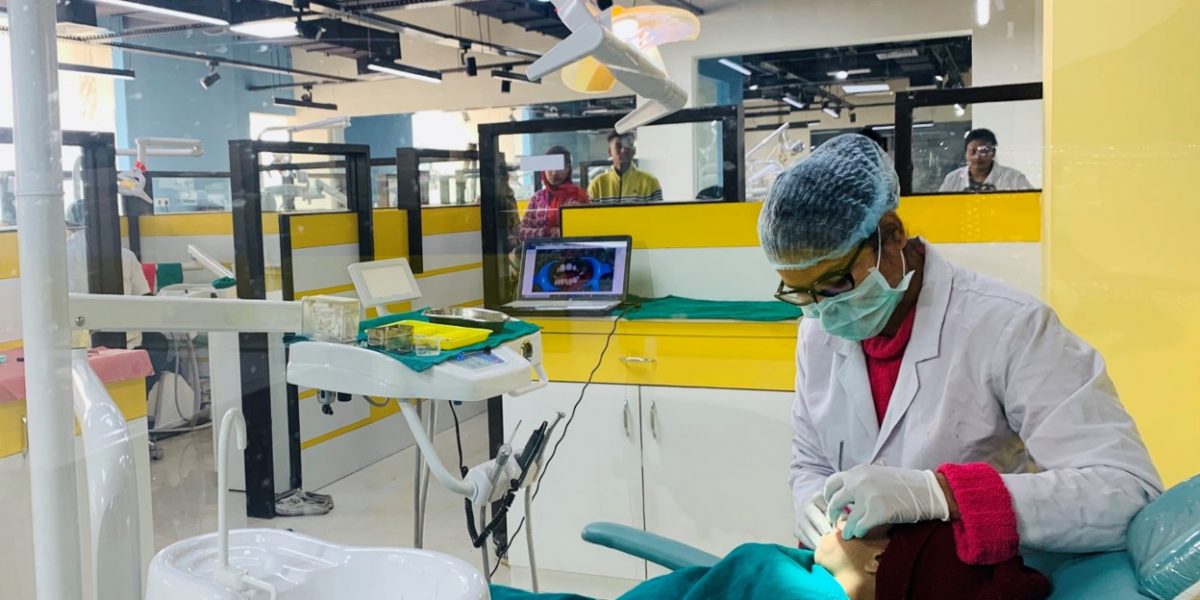
Introduction about M.D.S. PEDODONTICS AND PREVENTIVE DENTISTRY:
MDS in Pedodontics and Preventive Dentistry, often referred to as Pediatric Dentistry, is a specialized postgraduate dental program that focuses on the oral health and dental care of infants, children, and adolescents. The field is dedicated to preventing, diagnosing, and treating dental issues in young patients, as well as promoting oral hygiene and dental education. Here's an introduction to MDS in Pedodontics and Preventive Dentistry:
Program Overview:
MDS in Pedodontics and Preventive Dentistry is designed to equip dental professionals with the knowledge and skills required to address the unique dental needs of children and teenagers. It emphasizes not only the treatment of dental problems but also the prevention of oral diseases through patient education and preventive measures.
Key Areas of Focus:
Pediatric Dental Care: This program delves into the specialized techniques and approaches necessary to provide dental care to children, who often have different needs and concerns compared to adults.
Preventive Dentistry: The prevention of dental problems is a central theme. This includes teaching children and their parents about proper oral hygiene, diet, and habits to maintain healthy teeth.
Diagnosis and Treatment: Students learn to diagnose and treat various dental issues in children, including cavities, developmental problems, and injuries. The focus is on child-friendly treatment approaches.
Behavior Management: Understanding child psychology and behavior management is vital for a successful practice in pediatric dentistry. This program teaches techniques for creating a comfortable and reassuring dental experience for children.
Dental Radiology: Pediatric dentists learn how to use dental X-rays safely to diagnose dental problems and assess oral health in children.
Special Healthcare Needs: The program covers the treatment of children with special healthcare needs, such as those with developmental disabilities or complex medical conditions.
Orthodontic and Orthopedic Treatment: Understanding the early orthodontic and orthopedic needs of children is an important aspect of the curriculum.
Career Opportunities:
After completing MDS in Pedodontics and Preventive Dentistry, graduates have a variety of career opportunities, including:
Pediatric Dentist: The primary career path is to work as a pediatric dentist, providing dental care to children in private practice, clinics, or hospitals.
Academic and Research Roles: Many graduates choose academic careers, teaching pediatric dentistry in dental schools and conducting research to advance the field.
Hospital Dentistry: Some pediatric dentists work in hospitals, particularly in cases involving children with special healthcare needs or complex oral conditions.
Community Health: Opportunities exist in community health programs, addressing the oral health needs of children in underserved areas.
Orthodontics: Some graduates may choose to specialize further in pediatric orthodontics, focusing on early orthodontic intervention.
Consultant and Advisory Roles: Pediatric dentists can serve as consultants to healthcare organizations, government agencies, or dental insurance companies, providing expertise in pediatric oral health.
How can I Apply for admission to M.D.S. PEDODONTICS AND PREVENTIVE DENTISTRY:
Applying for admission to an MDS (Master of Dental Surgery) program in Pedodontics and Preventive Dentistry typically involves several steps. The specific process may vary depending on the institution and country, but here is a general guide on how to apply for admission:
Research and Choose a Program:
Start by researching universities, dental colleges, or institutions that offer MDS programs in Pedodontics and Preventive Dentistry. Look for institutions that are recognized and accredited for dental education.
Check Eligibility Requirements:
Review the eligibility criteria for the MDS program. Common requirements include a BDS (Bachelor of Dental Surgery) degree or its equivalent, successful completion of an internship, and a competitive score in the national or institution-specific entrance exam. Ensure you meet these requirements.
Entrance Exam:
Many institutions and countries require candidates to take an entrance exam. For example, in India, the NEET MDS (National Eligibility cum Entrance Test for Master of Dental Surgery) is a common requirement. Prepare for and take the required entrance exam and achieve a competitive score.
Prepare Application Documents:
Gather the necessary application documents, which often include:
Completed application form: Fill out the application form provided by the institution accurately and completely.
Educational transcripts and certificates: Provide copies of your BDS degree certificate and transcripts.
Proof of internship completion: Submit documentation showing the successful completion of your internship.
Entrance exam score: Include your scores from the required entrance exam.
Letters of recommendation: Obtain letters of recommendation from professors, mentors, or dental professionals who can vouch for your qualifications and character.
Statement of purpose: Write a compelling statement outlining your reasons for pursuing MDS in Pedodontics and Preventive Dentistry, your career goals, and how the program aligns with your aspirations.
Passport-sized photographs: Include the specified number of passport-sized photos as per the institution's requirements.
Application fee: Pay the application fee, if applicable.
Submit the Application:
Send your application and all supporting documents to the admission office of the institution by the specified deadline. Many institutions provide online application submission options for convenience.
Interview (if required):
Some programs may conduct interviews as part of the admission process. Be prepared to answer questions about your qualifications and motivations for pursuing MDS in Pedodontics and Preventive Dentistry.
Wait for Admission Results:
After submitting your application, patiently await the admission committee's decision. They will notify you regarding your acceptance or rejection.
Acceptance and Enrollment:
If you are accepted into the program, follow the instructions provided for enrollment. Pay the required fees and complete any additional paperwork.
Financial Aid and Scholarships:
Explore opportunities for scholarships, grants, or financial aid to support your studies, if needed.
What is the eligibility for M.D.S. PEDODONTICS AND PREVENTIVE DENTISTRY:
The eligibility criteria for MDS (Master of Dental Surgery) in Pedodontics and Preventive Dentistry may vary between institutions and countries. However, here are the general eligibility requirements commonly expected for admission to such a program:
BDS Degree: Applicants should have successfully completed a BDS (Bachelor of Dental Surgery) degree from a recognized dental college or institution. This is typically a five-year undergraduate program that provides the foundational knowledge and skills in dentistry.
Internship Completion: In most cases, candidates are required to have completed a one-year compulsory rotatory internship after earning their BDS degree. This internship allows students to gain hands-on experience in various dental specialties, including pedodontics.
Entrance Examination: Many countries and institutions mandate that candidates qualify in a national or institution-specific entrance examination. In India, for example, the NEET MDS (National Eligibility cum Entrance Test for Master of Dental Surgery) is commonly used for admissions. To be eligible, candidates need to obtain a competitive score in the entrance exam.
Eligibility Certificates: Applicants may need to provide necessary certificates or documents verifying their eligibility, including their BDS degree certificate, internship completion certificate, and any certificates related to the entrance exam.
Minimum Marks: Some institutions may specify a minimum percentage of marks in BDS or in the entrance exam as an eligibility criterion. Be sure to check the specific requirements of the institution you are interested in.
Registration with Dental Council: Candidates should be registered with the appropriate dental council in their country or region. In India, this would be the Dental Council of India (DCI) or a State Dental Council.
How long does it takes to complete a M.D.S. PEDODONTICS AND PREVENTIVE DENTISTRY program:
The duration of an MDS (Master of Dental Surgery) program in Pedodontics and Preventive Dentistry typically spans a period of 3 years. This postgraduate program is designed to provide in-depth knowledge, clinical training, and research opportunities in the field of pediatric dentistry and preventive dentistry.
During these 3 years, students undergo comprehensive training that includes coursework, clinical rotations, research, and exposure to various aspects of dental care for children and adolescents. The curriculum focuses on diagnosing and treating dental issues in pediatric patients, as well as emphasizing preventive measures to promote oral health from a young age.
The 3-year duration allows students to acquire the necessary skills and expertise to become proficient pediatric dentists who can provide specialized dental care to young patients. It also provides time for research and practical experience, ensuring that graduates are well-prepared to address the unique dental needs of children and contribute to their overall oral health.
What are potential career opportunities afterM.D.S. PEDODONTICS AND PREVENTIVE DENTISTRY:
After completing an MDS (Master of Dental Surgery) program in Pedodontics and Preventive Dentistry, graduates have a range of career opportunities in the field of pediatric dentistry and preventive dental care. These opportunities include:
Pediatric Dentist in Private Practice: Many graduates choose to work as pediatric dentists in private dental clinics. In this role, they provide comprehensive dental care to children, including routine check-ups, treatments, and preventive measures.
Academic and Teaching Roles: Some MDS graduates opt for academic careers, teaching pediatric dentistry in dental schools and colleges. They may also engage in research to advance the field of pedodontics.
Hospital-Based Pediatric Dentistry: Pediatric dentists can work in hospitals, particularly in the pediatric or dental departments. They may treat children with special healthcare needs or complex dental issues in a hospital setting.
Community Health Programs: Opportunities exist in community health programs and public health initiatives, addressing the oral health needs of children in underserved or vulnerable communities.
Orthodontic and Orthopedic Treatment: Some graduates may further specialize in pediatric orthodontics, focusing on early orthodontic intervention and orthopedic treatments for children.
Dental Advisory Roles: Pediatric dentists can serve as advisors or consultants to healthcare organizations, government agencies, or dental insurance companies, providing expertise in pediatric oral health.
Dental Research: Graduates may engage in dental research to contribute to the advancement of pediatric dentistry. Research opportunities can be found in universities, research institutions, and dental product development companies.
Dental Education: Some MDS graduates choose to teach pedodontics to future dental professionals, including dental hygienists, dental therapists, and dental assistants.
Non-Profit Organizations: Pediatric dentists can work with non-profit organizations dedicated to children's healthcare, providing dental care and education to disadvantaged youth.
International Outreach Programs: For those interested in global health, opportunities exist to participate in dental outreach programs in underserved communities worldwide, offering dental care to children in need.
Public Health Roles: Graduates can work in public health roles, promoting oral hygiene, conducting oral health campaigns, and creating oral health policies and programs that benefit children in a public health context.
Syllabus of M.D.S. PEDODONTICS AND PREVENTIVE DENTISTRY:
The syllabus for an MDS (Master of Dental Surgery) program in Pedodontics and Preventive Dentistry is structured to provide comprehensive education and training in the field of pediatric dentistry and preventive dental care. While the specific course content may vary between institutions, here is a general overview of the syllabus, organized by semesters:
|
First Year - Semester I: |
|
Basic Sciences: |
|
Dental anatomy and embryology |
|
Oral histology and pathology |
|
Biochemistry and microbiology relevant to pediatric dentistry |
|
Pediatric Dental Diagnosis: |
|
History taking and examination of pediatric patients |
|
Radiographic interpretation in pediatric dentistry |
|
Differential diagnosis of oral conditions in children |
|
Growth and Development: |
|
Child psychology and behavior management |
|
Growth and development of craniofacial structures |
|
Developmental disturbances and their management |
|
Pediatric Oral Pathology: |
|
Common oral diseases in children |
|
Diagnosis and management of pediatric oral lesions |
|
Pediatric oral medicine and dental emergencies |
|
|
|
First Year - Semester II: |
|
Preventive Dentistry: |
|
Pediatric preventive techniques and fluoride applications |
|
Nutrition and diet counseling for children |
|
Pit and fissure sealants and preventive restorative techniques |
|
Pediatric Restorative Dentistry: |
|
Caries diagnosis and treatment planning |
|
Pediatric restorative materials and techniques |
|
Pediatric endodontics and pulp therapy |
|
Orthodontics and Orthopedics: |
|
Orthodontic assessment and early orthodontic interventions |
|
Interceptive orthodontics |
|
Growth modification appliances in pediatric dentistry |
|
Practice Management: |
|
Pediatric dental practice management |
|
Ethical and legal aspects of pediatric dental practice |
|
Infection control and sterilization in pediatric dentistry |
|
Second Year - Semester I: |
|
Pediatric Oral Surgery: |
|
Pediatric oral and maxillofacial surgery |
|
Management of traumatic dental injuries |
|
Extraction techniques in children |
|
Behavior Management and Sedation: |
|
Behavior management techniques in pediatric dentistry |
|
Conscious sedation in pediatric patients |
|
Management of patients with special healthcare needs |
|
Research Methodology: |
|
Research design and methodology |
|
Data collection and analysis |
|
Dissertation proposal development |
|
|
|
Second Year - Semester II: |
|
Clinical Pediatric Dentistry: |
|
Clinical case discussions and management |
|
Comprehensive pediatric dental care |
|
Management of pediatric dental emergencies |
|
Community Dentistry: |
|
Pediatric public health and community programs |
|
School dental health programs |
|
Outreach and community dental camps |
|
Dissertation Work: |
|
Research project implementation |
|
Data collection and analysis |
|
Dissertation writing and submission |
|
|
|
Third Year: |
|
The third year typically involves clinical training, advanced clinical work, and completion of the dissertation. Students gain practical experience in pediatric dental practice. |
Internship Opportunities after completing M.D.S. PEDODONTICS AND PREVENTIVE DENTISTRY:
After completing an MDS (Master of Dental Surgery) program in Pedodontics and Preventive Dentistry, graduates have several internship opportunities to gain practical experience, refine their skills, and further their career in pediatric dentistry. These internship opportunities may include:
Hospital-Based Internships: Many graduates choose to work in hospitals, particularly in departments dedicated to pediatric dentistry. Hospital-based internships provide exposure to a wide range of pediatric dental cases, including those involving children with special healthcare needs or complex dental conditions. This setting allows for hands-on experience in surgical procedures, trauma management, and collaborative care with other healthcare professionals.
Private Practice or Dental Clinics: Some graduates opt to intern or work in private dental practices or clinics specializing in pediatric dentistry. Working in a private practice allows them to build a patient base, manage their own practice, and gain experience in clinical management.
Academic and Teaching Internships: Graduates interested in academic careers may choose to intern at dental schools or colleges. This can involve teaching undergraduate dental students, supervising clinical rotations, and engaging in research or thesis supervision. Academic internships provide exposure to both teaching and research aspects of pediatric dentistry.
Dental Outreach and Community Health Programs: Many organizations and non-profits run dental outreach programs, often focused on pediatric dental care. Graduates can intern or work with these programs, providing dental care and education to underserved communities, schools, and organizations. This offers a chance to contribute to community health initiatives.
Public Health Internships: Some graduates pursue internships with public health agencies or government organizations. They may get involved in public health campaigns, school dental health programs, or initiatives aimed at promoting oral hygiene and preventing dental diseases in children.
Orthodontic and Orthopedic Internships: If graduates have an interest in pediatric orthodontics, they can intern with orthodontists who specialize in treating children and adolescents. This provides valuable experience in early orthodontic interventions and orthopedic treatments.
Research Internships: Those with a passion for research can intern at dental research institutions, universities, or dental product development companies. These internships involve participating in research projects related to pediatric dentistry, publishing research papers, and contributing to advancements in the field.
International Outreach Programs: For individuals interested in global health and volunteer work, internships in international dental outreach programs offer opportunities to provide dental care to children in underserved communities worldwide. This is a chance to make a positive impact on the oral health of children in need.
Scholarship and grants for M.D.S. PEDODONTICS AND PREVENTIVE DENTISTRY:
Scholarships and grants can help alleviate the financial burden of pursuing an MDS (Master of Dental Surgery) program in Pedodontics and Preventive Dentistry. Here are some options to explore:
University-Specific Scholarships: Many universities and dental schools offer scholarships and financial aid to postgraduate dental students. These scholarships may be merit-based or need-based. Check with the specific institutions where you plan to apply for information on available scholarships.
Government Scholarships: Government agencies in some countries offer scholarships for postgraduate dental studies. For instance, in India, the Ministry of Social Justice and Empowerment offers scholarships to students belonging to Scheduled Castes, Scheduled Tribes, and Other Backward Classes.
Dental Associations and Foundations: Dental associations and foundations often provide scholarships and grants to dental students, including those pursuing postgraduate studies. In the United States, for example, the American Dental Association (ADA) and the American Academy of Pediatric Dentistry (AAPD) offer scholarships.
Research Grants: If you are interested in research, consider applying for research grants. Organizations and institutions often provide funding for dental research projects. These grants can help support your research while pursuing your MDS.
Corporate Scholarships: Some dental product manufacturers and pharmaceutical companies offer scholarships or sponsorships to dental students, including those pursuing postgraduate studies. These scholarships may come with certain commitments or expectations, such as using their products in your practice.
International Scholarships: If you are an international student, explore scholarships and grants available to foreign students pursuing MDS programs in various countries. Universities and governmental organizations may offer financial support to international students.
Financial Aid Programs: In addition to scholarships, you can apply for financial aid programs or loans designed to assist students with their educational expenses. Be sure to research the terms and conditions of these programs and assess your eligibility.
Online Scholarship Search Engines: Various online scholarship search engines and databases can help you identify scholarships and grants relevant to your field of study. Websites like Fastweb, Scholarships.com, and Cappex allow you to search for dental scholarships.
Alumni Associations: Some universities and dental schools have alumni associations that offer scholarships or financial assistance to current students, including those in postgraduate programs.
Employer Assistance: If you are already employed in the dental field, check with your employer to see if they offer any tuition assistance or scholarship programs for employees pursuing advanced degrees.
Faq on M.D.S. PEDODONTICS AND PREVENTIVE DENTISTRY:
Certainly, here are some frequently asked questions (FAQs) about MDS (Master of Dental Surgery) in Pedodontics and Preventive Dentistry:
What is MDS in Pedodontics and Preventive Dentistry?
MDS in Pedodontics and Preventive Dentistry is a postgraduate dental program focused on the oral health and dental care of children, infants, and adolescents. It encompasses the diagnosis, treatment, and prevention of dental issues in young patients.
What are the eligibility criteria for MDS in Pedodontics and Preventive Dentistry?
Eligibility typically includes a BDS (Bachelor of Dental Surgery) degree, successful completion of a compulsory rotatory internship, and a competitive score in the entrance exam. Specific requirements may vary by institution and country.
What career opportunities are available after completing MDS in Pedodontics?
Graduates can become pediatric dentists in private practice, work in hospitals, academic institutions, or community health programs. Some choose to teach, conduct research, or focus on orthodontic treatment for children.
What is the duration of the MDS in Pedodontics program?
The program is typically 3 years long and includes coursework, clinical training, and research.
What topics are covered in the syllabus for MDS in Pedodontics and Preventive Dentistry?
The syllabus includes dental anatomy, pediatric oral pathology, preventive dentistry, growth and development, behavior management, orthodontics, oral surgery, and more. It varies by institution but focuses on pediatric dental care.
Can I apply for scholarships or financial aid for this program?
Yes, scholarships and grants are available to support MDS students. You can explore university-specific scholarships, government scholarships, dental associations, and foundations, among other options.
What is the role of a pediatric dentist?
Pediatric dentists specialize in providing dental care to children. They diagnose and treat dental issues, educate young patients and their parents about oral hygiene, and create a positive dental experience for children.
Is there a demand for pediatric dentists in the healthcare industry?
Yes, there is a demand for pediatric dentists, as ensuring good oral health in childhood is crucial for a lifetime of healthy teeth. Pediatric dentists are essential in providing specialized care for children.
Can I choose to specialize further in areas like orthodontics after MDS in Pedodontics?
Yes, you can choose to specialize further in areas such as pediatric orthodontics, focusing on early orthodontic intervention for children.
How can I find the best MDS program in Pedodontics for my career goals?
Research reputable institutions, review their program details, faculty expertise, and facilities. Consider factors like location, tuition, and available scholarships to find the program that aligns with your goals.
How Shiksha Hub helps you in
-
 Student Counsellors
 -
 Career Counseling
 -
 Research
 -
 24/7 Support
 -
 Scholarships
 -
 Community