Posted by Admin on 26-09-2023 in Shiksha hub
MDS Pedodontics Introduction, Admission, Registration, Eligibility, Duration, Fees, Syllabus 2024
Introduction about MDS Paedodontics:
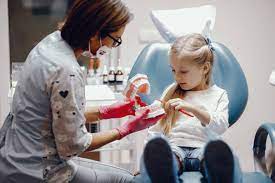
MDS Paedodontics is a specialized branch of dentistry that focuses on the dental health and well-being of children. This field plays a crucial role in ensuring that children develop good oral hygiene habits from an early age, and it addresses dental issues unique to this age group. In this article, we will delve into the world of MDS Paedodontics, exploring what it is, why it is essential, and how it benefits your child's overall health and well-being.
Understanding MDS Paedodontics
MDS Paedodontics, or Master of Dental Surgery in Paedodontics, is a postgraduate program that equips dental professionals with the knowledge and skills needed to provide specialized care to children. The focus of paedodontics extends beyond traditional dentistry and involves comprehensive care for the oral health of infants, children, and adolescents.
The Role of a Paedodontist
A paedodontist, also known as a pediatric dentist, is a dental specialist who is dedicated to the oral health of children. Their role is not only to diagnose and treat dental issues in kids but also to educate parents and caregivers on how to maintain good oral hygiene in children.
Importance of Paediatric Dental Care
Paediatric dental care is of paramount importance because it sets the foundation for a lifetime of healthy teeth and gums. Early dental visits can prevent oral health problems, ensuring that children have a pain-free and confident smile as they grow.
When to Visit a Paedodontist
Parents often wonder when they should take their child to a paedodontist. The answer is simple: as soon as the first tooth appears or by the child's first birthday. Early visits help in early detection of dental issues and establish a positive dental experience for the child.
Common Paedodontic Procedures
Paedodontists perform various procedures, including dental cleanings, fluoride treatments, and cavity fillings. They are also equipped to handle more complex treatments like dental trauma and developmental issues.
Preparing Your Child for the Dentist
Many children can be anxious about visiting the dentist. Parents can prepare their child by explaining the process, reading dental-themed books, or even scheduling a "meet and greet" with the paedodontist to familiarize the child with the dental environment.
Tips for Maintaining Children's Oral Health
Maintaining oral health in children involves a combination of regular dental visits, proper brushing and flossing, and a balanced diet. Parents should monitor their child's oral hygiene habits and ensure they are following a healthy routine.
The Psychology of Paediatric Dentistry
Paedodontists are not just experts in dental procedures but also in child psychology. They know how to make children feel comfortable and at ease during dental visits, which is essential for a positive experience.
Benefits of Early Dental Care
Early dental care offers numerous benefits, including preventing dental problems, reducing the risk of dental anxiety, and ensuring proper development of teeth and jaws.
Choosing the Right Paedodontist
Selecting the right paedodontist for your child is essential. Look for a dentist who is experienced, patient, and has a kid-friendly approach. Recommendations from friends and family can also help in making the right choice.
Fun and Kid-Friendly Dental Clinics
Paedodontic clinics are often designed with children in mind. They are colorful, welcoming, and equipped with toys and games to make the experience enjoyable for kids.
Paediatric Dental Emergencies
Accidents can happen, and children may experience dental emergencies. Paedodontists are trained to handle such situations, ensuring quick and efficient care.
How can I apply for admission to MDS PAEDODONTICS:
Applying for admission to an MDS Paedodontics program involves several steps, and it's crucial to follow the application process carefully. Here is a guide on how you can apply for admission to MDS Paedodontics in English:
Research and Choose a University/Institution: Start by researching universities or dental institutions that offer MDS Paedodontics programs. Look for institutions known for their dental education and their program's reputation.
Check Eligibility Criteria: Each institution may have its specific eligibility criteria for MDS Paedodontics. Common requirements include a BDS (Bachelor of Dental Surgery) degree or an equivalent qualification. Ensure that you meet these requirements.
Prepare Necessary Documents: Gather the required documents, which typically include:
Academic transcripts and certificates.
A valid BDS degree certificate.
Proof of internship completion.
Birth certificate or identity proof.
Passport-sized photographs.
Any other documents specified by the institution.
Entrance Examinations: Many institutions require candidates to clear dental entrance examinations. These exams assess your knowledge in the field of dentistry. Be aware of the examination dates and prepare accordingly.
Application Form: Visit the official website of the institution you wish to apply to. Find the MDS Paedodontics program's application form, and fill it out carefully. Pay attention to all the instructions provided on the form.
Application Fee: Pay the application fee as specified by the institution. This fee is usually non-refundable.
Submission of Application: Submit the completed application form along with all necessary documents and the application fee. Make sure you meet the deadline for submission.
Prepare for Interviews: Some institutions conduct interviews as part of the admission process. If you are shortlisted, be prepared to answer questions about your motivation and interest in paedodontics.
Merit List and Counseling: After evaluating the applications and interview performances, institutions will release a merit list. If your name is on the list, you will be invited for counseling.
Counseling and Seat Allotment: Attend the counseling session, where you will have the opportunity to choose your preferred institution or course specialization based on your rank.
Fee Payment and Confirmation: Once you select your institution, pay the admission fee and confirm your seat. Be sure to adhere to the payment deadlines.
Join the Program: Congratulations, you've secured admission! Attend the orientation session and begin your MDS Paedodontics program. Work hard and stay dedicated to your studies.
What is the eligibility for MDS PAEDODONTICS:
The eligibility criteria for MDS (Master of Dental Surgery) in Paedodontics may vary slightly between different dental institutions or universities. However, there are some common eligibility requirements that are generally expected for admission into an MDS Paedodontics program. Here are the typical eligibility criteria:
Bachelor's Degree (BDS):
The most fundamental requirement is to have successfully completed a BDS (Bachelor of Dental Surgery) degree from a recognized dental college or institution.
It's essential that the BDS degree is recognized by the Dental Council of your country or the relevant dental authority.
Internship Completion:
Candidates are usually required to have completed a mandatory internship program after obtaining their BDS degree.
The duration of the internship may vary from one institution to another but generally lasts for one year.
Minimum Qualifying Marks:
Many institutions have a minimum qualifying marks requirement in the BDS degree. The specific percentage may vary, but it's typically around 50% or higher.
National/State Level Entrance Examination:
In some countries, candidates are required to clear a national or state-level entrance examination specifically designed for postgraduate dental programs like MDS.
Scoring well on these exams is often a critical factor in the admission process.
Counseling Process:
After qualifying the entrance examination, candidates are typically required to participate in a counseling process.
During counseling, candidates may be allowed to choose their preferred specialization within MDS, such as Paedodontics.
Documents and Certificates:
Candidates are required to provide various documents, including academic transcripts, BDS degree certificate, internship completion certificate, identity proof, passport-sized photographs, and any other documents as specified by the institution.
Age Limit:
Some institutions may have an upper age limit for MDS admissions, typically around 30 to 35 years, but this can vary.
It's important to note that the eligibility criteria can change from one institution to another and may also depend on the regulations set by the governing dental authority in your country. Therefore, it's essential to check the specific admission guidelines and requirements of the institution where you intend to apply for MDS Paedodontics.
Aspiring candidates are advised to stay updated with the latest admission notifications and guidelines issued by the institutions or authorities to ensure they meet all the necessary requirements for MDS Paedodontics admission.
How long does it takes to complete a MDS PAEDODONTICS:
The duration of an MDS (Master of Dental Surgery) in Paedodontics program typically takes 3 years to complete. This duration is standard for most MDS specializations, including Paedodontics, in many countries.
Here's a breakdown of the usual timeline for an MDS Paedodontics program:
|
Academic Phase |
Description |
|
First Year (Preclinical Phase) |
- Build foundation in dental sciences and pediatric dentistry. <br> - Study subjects like oral biology, oral pathology, and fundamental dental subjects. |
|
|
- Begin hands-on clinical training with simulated dental cases. <br> - Gain comprehensive understanding of pediatric dentistry principles. |
|
Second Year (Clinical Phase) |
- Delve deeper into clinical aspects of pediatric dentistry. <br> - Treat real pediatric patients under supervision. |
|
|
- Cover advanced topics including pediatric dental surgery, preventive dentistry, and orthodontics. |
|
Third Year (Advanced Clinical |
- Specialized clinical training on complex pediatric cases. <br> - Conduct research and complete dissertation. |
|
Phase and Dissertation) |
- Make significant scholarly contribution to pediatric dentistry field. <br> - Awarded MDS degree in Paedodontics upon successful completion of program. |
What are potential career opportunities after MDS PAEDODONTICS:
After completing an MDS (Master of Dental Surgery) in Paedodontics, graduates have various career opportunities in the field of pediatric dentistry. Here are some potential career paths and opportunities:
Pediatric Dentist:
The most direct career path for MDS Paedodontics graduates is to work as a pediatric dentist. They specialize in providing comprehensive dental care to infants, children, and adolescents.
Pediatric dentists perform routine check-ups, preventive care, and treatment for various dental issues unique to the pediatric population.
Academic and Research Roles:
Graduates can choose to pursue an academic career and work as faculty members or researchers in dental schools, universities, or research institutions.
They can contribute to the advancement of knowledge in the field by conducting research on various pediatric dental topics.
Hospital Dentistry:
Pediatric dentists can work in hospital settings, providing dental care to children with complex medical conditions or those in need of special dental procedures.
They may collaborate with pediatricians and other healthcare professionals to provide comprehensive healthcare for children.
Private Practice:
Many MDS Paedodontics graduates choose to establish their private dental practice specializing in pediatric dentistry. They can offer services such as dental check-ups, cleanings, and specialized treatments for children.
Community Dentistry:
Some graduates opt for community dentistry, where they provide dental care in underserved areas or to children from disadvantaged backgrounds.
They may work in government health programs or non-profit organizations that focus on improving children's oral health.
Consultant or Specialist Dentist:
Pediatric dentists can also become consultants or specialists, providing expert advice and care for challenging pediatric dental cases.
They may be called upon to address complex dental issues in children and provide guidance to other dentists.
Orthodontics and Specialized Care:
Some MDS Paedodontics graduates choose to specialize further by pursuing additional training in areas like orthodontics or pediatric dental surgery.
Specialized care can include managing orthodontic problems or performing surgical procedures when necessary.
Dental Public Health:
Graduates can work in the field of dental public health, focusing on promoting oral health policies, community programs, and preventive strategies for children.
Dental Education and Training:
They can work as trainers and educators, helping to train the next generation of dental professionals, including dental students and dental hygienists.
Research and Publication:
Graduates can engage in research activities, publish research findings, and contribute to dental literature by sharing their knowledge and expertise through publications.
Syllabus of MDS PAEDODONTICS:
The syllabus of an MDS (Master of Dental Surgery) in Paedodontics program is typically divided into different subjects or topics, which are covered semester-wise. It's important to note that the specific curriculum and division of subjects can vary between different dental institutions or universities. However, here is a general overview of what you might expect in an MDS Paedodontics program, semester-wise:
First Year:
Semester I:
Oral Biology
Dental embryology and histology.
Development of the face and oral cavity.
Tooth development and eruption.
Oral Pathology
Study of common oral diseases.
Diagnostic procedures and oral health assessments.
Pediatric Growth and Development
Understanding child growth and development.
Pediatric psychology and behavior management.
Semester II: 4. Basic and Clinical Pediatric Dentistry
Introduction to clinical pediatric dentistry.
Dental instruments and equipment.
Infection control and sterilization.
Dental Materials
Study of dental materials used in pediatric dentistry.
Restorative materials and their applications.
Preventive and Interceptive Orthodontics
Introduction to orthodontics in pediatric dentistry.
Early orthodontic interventions.
Second Year:
Semester III: 7. Dental Public Health
Public health principles in pediatric dentistry.
Community dental programs and policies.
Pediatric Radiology
Principles of dental radiography.
Interpretation of pediatric dental radiographs.
Dental Pharmacology
Study of drugs used in pediatric dentistry.
Pharmacological management of pediatric dental patients.
Semester IV: 10. Clinical Pediatric Dentistry - Hands-on clinical experience with pediatric patients. - Diagnosis and treatment planning. - Pediatric dental procedures and techniques.
Behavior Management and Sedation Techniques
Managing behavior in pediatric patients.
Use of sedation and anesthesia in pediatric dentistry.
Third Year:
Semester V: 12. Pediatric Endodontics - Root canal treatment in pediatric dentistry. - Pulp therapy for primary and permanent teeth.
Pediatric Periodontics
Periodontal diseases in children.
Treatment and management.
Semester VI: 14. Pediatric Dental Surgery - Surgical procedures in pediatric dentistry. - Extraction of primary and permanent teeth.
Pediatric Dental Emergencies
Managing dental emergencies in children.
Trauma and its treatment.
Fourth Year:
Semester VII: 16. Dissertation and Research Work - Independent research on a specialized topic in pediatric dentistry. - Data collection and analysis.
Semester VIII: 17. Advanced Clinical Pediatric Dentistry - Advanced clinical training in complex pediatric cases. - Pediatric dental specialties like orthodontics and oral surgery.
Internship opportunities after completing MDS PAEDODONTICS:
After completing an MDS (Master of Dental Surgery) in Paedodontics, graduates have various internship and career opportunities to further enhance their skills and gain practical experience. Here are some internship opportunities and career paths you can consider:
Advanced Clinical Training: Many MDS graduates choose to continue their clinical training by working in pediatric dentistry departments within dental institutions. This provides an opportunity to work on complex pediatric cases and refine their skills under the guidance of experienced faculty.
Hospital Internship: Hospitals with specialized pediatric dental departments often offer internship positions. Working in a hospital setting exposes graduates to a wide range of cases, including those requiring surgery or the management of children with special healthcare needs.
Private Practice Internship: Some graduates opt to intern in established private pediatric dental practices. This experience helps them understand the business aspects of running a pediatric dental clinic and provides hands-on experience with diverse patient populations.
Public Health Programs: Graduates can explore internship opportunities with government or non-profit organizations involved in children's oral health programs. These roles often involve community outreach, school dental health programs, and promoting oral hygiene in underserved areas.
Academic and Research Internships: For those interested in research and teaching, academic institutions may offer internships in dental schools or universities. This allows graduates to assist in research projects and gain experience in dental education.
Specialized Clinical Internships: Some graduates may choose to further specialize by pursuing internships in specific areas such as pediatric oral surgery, pediatric orthodontics, or pediatric endodontics. These internships provide in-depth training in their chosen specialty.
Consulting and Advisory Roles: Pediatric dentists often serve as consultants to other dental professionals who may require advice or assistance with complex pediatric cases. Graduates can offer their expertise and experience in such roles.
Dental Outreach Programs: International and local dental outreach programs often seek pediatric dentists to provide care to underserved communities. Participating in these programs can be a fulfilling internship opportunity.
Research Internships: Graduates interested in dental research can seek internships at dental research institutions or laboratories. This allows them to contribute to ongoing research projects in the field of pediatric dentistry.
Teaching and Education: Some graduates may opt for internships in educational institutions, where they can teach dental hygiene and oral health to children, or even work as guest lecturers in dental schools.
Fellowships and Continuing Education: For those looking to gain advanced knowledge, some institutions offer post-graduate fellowships in specialized areas of pediatric dentistry. These programs provide in-depth training in a specific aspect of pediatric dentistry.
Scholorship and grants for MDS PAEDODONTICS:
Scholarships and grants for pursuing an MDS (Master of Dental Surgery) in Paedodontics can provide financial assistance to students, helping to cover tuition fees and living expenses. Here are some options to explore:
Government Scholarships: Many governments offer scholarships and financial aid to students pursuing higher education in healthcare fields. Contact your country's education or health ministry to inquire about available scholarships for MDS programs.
University Scholarships: Dental institutions and universities often have scholarship programs for their MDS students. These scholarships may be based on academic merit, research potential, or financial need.
Endowed Scholarships: Some dental schools have endowed scholarships funded by alumni or donors. These scholarships may be specific to particular specialties within dentistry, including paedodontics.
Professional Associations: Dental associations, such as the American Academy of Pediatric Dentistry (AAPD) or the Indian Society of Pedodontics and Preventive Dentistry (ISPPD), may offer scholarships, grants, or awards to students specializing in paedodontics.
Private Organizations and Foundations: Various private organizations and foundations offer scholarships and grants to dental students. Conduct research to identify organizations that support dental education.
Corporate Sponsorships: Dental corporations and industry-related companies sometimes provide financial assistance to students pursuing postgraduate dental degrees. These sponsorships may involve certain commitments, such as participating in research or educational programs.
Fellowships: Some organizations and foundations offer fellowships to support advanced education in paedodontics. Fellowships often include financial support and opportunities for research or clinical experience.
International Scholarships: If you plan to study abroad, explore scholarship options available to international students. These scholarships may be offered by governments, universities, or international organizations.
Research Grants: Consider applying for research grants related to paedodontics. Research funding can help cover the costs associated with research projects and can be a valuable addition to your academic and professional development.
Financial Aid and Loans: Explore financial aid options and education loans to help fund your MDS in paedodontics. Financial aid offices at universities can provide information about loans and assistance programs.
Employer Assistance: Some employers offer tuition reimbursement or educational assistance programs to employees pursuing advanced degrees. Check if your current employer provides any support for your education.
How Shiksha Hub helps you in
-
 Student Counsellors
 -
 Career Counseling
 -
 Research
 -
 24/7 Support
 -
 Scholarships
 -
 Community