Posted by Admin on 26-09-2023 in Shiksha hub
M.D.S. Public Health Dentistry Introduction, Admission, Registration, Eligibility, Duration, Fees, Syllabus 2024
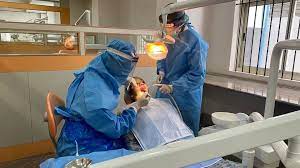
Introduction about M.D.S. PUBLIC HEALTH DENTISTRY:
MDS (Master of Dental Surgery) in Public Health Dentistry is a specialized postgraduate program in dentistry that focuses on the prevention, promotion, and management of oral health on a community and population level. This field of dentistry goes beyond traditional clinical practice and emphasizes the importance of public health principles and dental epidemiology to address oral health issues at a broader scale. Here's an introduction to MDS in Public Health Dentistry:
Program Overview:
MDS in Public Health Dentistry is designed to equip dental professionals with the knowledge and skills to assess, plan, implement, and evaluate oral health programs and policies. It emphasizes the importance of oral health education, disease prevention, and the management of dental health services for communities and populations.
Key Areas of Focus:
- Epidemiology: Students learn to analyze and interpret data related to oral diseases and conditions in different populations. This knowledge is essential for planning effective public health interventions.
- Preventive Dentistry: The program highlights preventive strategies, such as community water fluoridation, dental sealant programs, and oral health education, to reduce the incidence of dental diseases.
- Community Outreach: Students gain experience in organizing and participating in outreach programs, such as dental camps and school-based oral health initiatives, to provide care to underserved communities.
- Health Promotion: The promotion of oral health and the development of health education programs are central components of the curriculum. Students learn to design campaigns to raise awareness about good oral hygiene practices.
- Policy Development: The program covers the formulation and implementation of policies related to oral health at local, regional, and national levels. Students understand how policy decisions impact public dental health.
- Research: MDS in Public Health Dentistry often includes research components to explore dental epidemiology and public health issues. Research findings contribute to evidence-based public health practices.
Career Opportunities:
Graduates of MDS in Public Health Dentistry can pursue diverse career paths, including:
- Public Health Dentist: Working with government health departments to develop and implement oral health policies and programs.
- Academic and Research Roles: Teaching and conducting research at dental schools or institutions.
- Dental Public Health Specialist: Consulting with organizations, NGOs, and international health agencies to improve oral health on a global scale.
- Community Dentistry Specialist: Providing dental care and education to underserved populations through community-based programs.
- Healthcare Administration: Managing dental health programs within healthcare organizations and facilities.
- Dental Epidemiologist: Collecting and analyzing data to identify oral health trends and risk factors.
MDS in Public Health Dentistry plays a crucial role in improving the overall health and well-being of communities by addressing oral health disparities and promoting preventive measures. Graduates are well-equipped to make a significant impact on public dental health and contribute to the development of effective public health policies and programs.
How can I Apply for admission to M.D.S. PUBLIC HEALTH DENTISTRY:
Applying for admission to an MDS (Master of Dental Surgery) program in Public Health Dentistry typically involves several steps, and the specific requirements may vary from one educational institution to another. Here is a general guide on how to apply for admission to an MDS Public Health Dentistry program:
1. Research and Choose a Program:
- Start by researching different universities, dental colleges, or institutions that offer MDS in Public Health Dentistry programs. Look for institutions that are recognized and accredited for dental education.
2. Check Eligibility Requirements:
- Review the eligibility criteria for the MDS Public Health Dentistry program of your choice. These criteria may include a BDS (Bachelor of Dental Surgery) degree or its equivalent, a minimum percentage in your dental undergraduate courses, and sometimes relevant work experience. Ensure you meet these requirements before proceeding.
3. Entrance Exams:
- Some institutions may require you to take an entrance exam, such as the NEET MDS (National Eligibility cum Entrance Test for Master of Dental Surgery) in India. Prepare for and take the required entrance exam and achieve a competitive score.
4. Prepare Application Documents:
- Gather the necessary application documents, which often include:
-
- Completed application form: Fill out the application form provided by the institution accurately and completely.
- Educational transcripts and certificates: Provide copies of your BDS degree certificate and transcripts.
- Entrance exam score: Submit your scores from the required entrance exam.
- Letters of recommendation: Typically, you'll need letters of recommendation from professors, mentors, or dental professionals who can vouch for your qualifications and character.
- Statement of purpose: Write a compelling statement outlining your reasons for pursuing MDS in Public Health Dentistry, your career goals, and how the program aligns with your aspirations.
- Passport-sized photographs: Include the specified number of passport-sized photos as per the institution's requirements.
- Application fee: Pay the application fee, if applicable.
5. Submit the Application:
- Send your application and all supporting documents to the admission office of the institution by the specified deadline. Most institutions provide online application submission options for convenience.
6. Interview (if required):
- Some programs may conduct interviews as part of the admission process. Be prepared to answer questions about your qualifications and motivations for pursuing MDS in Public Health Dentistry.
7. Wait for Admission Results:
- After submitting your application, wait for the admission committee's decision. They will notify you regarding your acceptance or rejection.
8. Acceptance and Enrollment:
- If you are accepted into the program, follow the instructions provided for enrollment. Pay the required fees and complete any additional paperwork.
9. Financial Aid and Scholarships:
- Explore opportunities for scholarships, grants, or financial aid to support your studies, if needed.
Remember that admission processes may vary from institution to institution, so it's essential to carefully review the specific requirements and deadlines of the MDS Public Health Dentistry program you are interested in. It's advisable to contact the admissions office of the institution directly for the most accurate and up-to-date information on the application process.
What is the eligibility for M.D.S. PUBLIC HEALTH DENTISTRY:
The eligibility criteria for admission to an MDS (Master of Dental Surgery) program in Public Health Dentistry may vary slightly depending on the educational institution and country. However, here are the general eligibility requirements that most programs commonly require:
- Bachelor's Degree in Dental Surgery (BDS): You must have successfully completed a BDS or an equivalent undergraduate dental degree from a recognized dental college or university. This is the foundational requirement for pursuing postgraduate studies in dentistry.
- Internship Completion: In many cases, you need to have completed a mandatory one-year internship program following your BDS degree. You may be required to provide proof of internship completion as part of your application.
- National or State Entrance Exam: Many countries and institutions require candidates to qualify for a national or state-level entrance examination specific to MDS admissions. For instance, in India, the NEET MDS (National Eligibility cum Entrance Test for Master of Dental Surgery) is a common requirement. The entrance exam score is often a significant factor in the admission process.
- Minimum Academic Performance: Some institutions may have minimum academic performance criteria, such as a specific minimum percentage in your BDS coursework. These minimum academic requirements can vary between institutions.
- Registration with Dental Council: You should be registered with the dental council or authority in your country, such as the Dental Council of India (DCI) or the relevant state dental council.
- Other Requirements: Depending on the institution and country, there may be additional requirements, such as relevant work experience or a minimum number of years since completing BDS. Check with the specific program for any unique eligibility criteria.
It's crucial to verify the specific eligibility criteria for the MDS Public Health Dentistry program you are interested in, as requirements can vary between institutions and regions. Always refer to the official program information provided by the educational institution for the most accurate and up-to-date eligibility requirements.
How long does it takes to complete a M.D.S. PUBLIC HEALTH DENTISTRY program:
The duration of an MDS (Master of Dental Surgery) program in Public Health Dentistry typically varies by country and educational institution. In most cases, an MDS program in Public Health Dentistry is designed to be completed within a span of 3 years. However, it's essential to note that the program's duration may be subject to variation based on factors such as the specific curriculum, research requirements, or local regulations.
Here is a general overview of the MDS in Public Health Dentistry program duration:
Duration: 3 years
During these 3 years, students enrolled in an MDS Public Health Dentistry program undertake a comprehensive curriculum that focuses on the principles of public health, epidemiology, community dentistry, and oral health promotion. This program equips dental professionals with the knowledge and skills needed to address oral health issues at the community and population levels.
Please be aware that the duration of the program may differ between institutions and regions. It is advisable to verify the specific program duration with the institution you are interested in to ensure you have the most accurate and up-to-date information.
What are potential career opportunities after M.D.S. PUBLIC HEALTH DENTISTRY:
After completing an MDS (Master of Dental Surgery) program in Public Health Dentistry, graduates have a wide range of career opportunities in the field of public health, dentistry, and healthcare administration. Public Health Dentistry professionals are well-equipped to address oral health issues on a community and population level. Here are some potential career opportunities:
- Public Health Dentist: Public health dentists work with government health departments and agencies to design and implement oral health programs and policies. They focus on preventing dental diseases, promoting good oral health practices, and improving the overall well-being of communities.
- Dental Public Health Specialist: These specialists may work in consulting roles with organizations, non-governmental organizations (NGOs), and international health agencies. They contribute to improving oral health on a global scale, working on projects related to healthcare policy, dental education, and community outreach.
- Academic and Research Roles: Graduates can pursue careers in academia as professors or researchers. They can teach dental students and conduct research related to public health dentistry, epidemiology, and community oral health.
- Community Dentistry Specialist: Community dentistry specialists provide dental care and education to underserved and marginalized populations. They often work in community-based programs, such as dental camps, school-based initiatives, and mobile dental clinics.
- Dental Healthcare Administration: Public Health Dentistry professionals can take on administrative roles in healthcare organizations, government health departments, and dental clinics. They manage dental health programs, allocate resources, and ensure effective delivery of dental services.
- Dental Epidemiologist: Dental epidemiologists collect and analyze data related to oral health trends, disease patterns, and risk factors. Their work informs public health policies and strategies to improve oral health.
- Health Educator: These professionals work in schools, community organizations, and public health agencies to develop and deliver oral health education programs. They aim to raise awareness about the importance of oral health and preventive measures.
- Healthcare Policy Analyst: Graduates can analyze healthcare policies and recommend changes to improve access to dental services, particularly for underserved populations.
- Non-Profit and NGO Work: Some public health dentists choose to work with non-profit organizations and NGOs that focus on global oral health initiatives, providing services and support in areas with limited access to dental care.
- Research and Consulting: Graduates may engage in dental research and consultancy work, contributing to evidence-based practices, program evaluation, and the development of healthcare policy recommendations.
The field of Public Health Dentistry offers a diverse array of career opportunities, all of which focus on promoting oral health, preventing dental diseases, and improving the quality of life for communities and populations. Professionals in this field play a vital role in addressing oral health disparities and enhancing access to dental care.
Syllabus:
The specific syllabus for an MDS (Master of Dental Surgery) program in Public Health Dentistry can vary between educational institutions. However, I can provide a general outline of the topics that are typically covered during an MDS Public Health Dentistry program, divided into semester-wise syllabus:
|
Semester |
Courses |
|
First Semester |
- Basic Biochemistry: Principles, Biomolecules, Enzymes |
|
|
- Oral Histology and Embryology |
|
|
- Molecular Biology: DNA, RNA, Protein Synthesis, Genetics |
|
|
- Metabolism: Carbohydrate, Lipid, Protein Metabolism |
|
Second Semester |
- Oral Biochemistry: Saliva, Oral Microbiota, Vitamins |
|
|
- Vitamins and Minerals |
|
|
- Biochemical Techniques: Laboratory, Instrumentation |
|
|
- Research Methodology: Design, Literature Review |
|
Third Semester |
- Immunology: Principles, Immunity, Oral Health |
|
|
- Molecular Pathology: Genetics, Molecular Diagnostics |
|
|
- Clinical Biochemistry: Markers, Diagnostic Applications |
|
Fourth Semester |
- Advanced Topics in Oral Biochemistry: Dental Hard Tissues, Salivary Glands, Periodontal & Pulpal Tissues |
|
|
- Oral Radiology: Techniques, Applications, Safety |
|
|
- Clinical Case Studies: Diagnosis, Treatment Applications |
|
Fifth and Sixth Semesters |
- Research and Dissertation Work: In-depth Study, Data Collection, Thesis Preparation |
Internship Opportunities after completing M.D.S. PUBLIC HEALTH DENTISTRY:
After completing an MDS (Master of Dental Surgery) program in Public Health Dentistry, graduates have various internship opportunities to gain practical experience and apply their knowledge in community-based oral health programs and public health initiatives. Internships play a crucial role in further developing skills and preparing professionals for careers in public health dentistry. Here are some common internship opportunities:
- Government Health Departments: Many government health departments at the local, state, or national level offer internships to public health dentistry graduates. Interns may work on public health projects, oral health promotion campaigns, and community outreach programs.
- Non-Governmental Organizations (NGOs): NGOs working in healthcare and public health often have internship programs that focus on community-based oral health initiatives. This may involve providing dental care, conducting health education sessions, and participating in public health research.
- Community Health Centers: Community health centers and clinics provide valuable internship opportunities to work with underserved populations. Interns may participate in delivering dental care, dental health education, and outreach in community settings.
- Dental Schools and Universities: Dental schools and universities with public health programs may offer internships or research positions in the field of public health dentistry. This can include involvement in research projects or working as teaching assistants.
- International Health Organizations: Some graduates choose to explore international internship opportunities with organizations like the World Health Organization (WHO) or non-profits involved in global health initiatives. These internships may focus on international public health projects.
- Corporate Health Initiatives: Large corporations and healthcare companies sometimes have internship programs related to corporate social responsibility and community health. Graduates can contribute to oral health programs supported by these organizations.
- Research Internships: For those interested in research, internships with research institutions, dental colleges, or universities are valuable. These internships allow graduates to engage in dental public health research projects and gain research experience.
- Health Promotion and Education Organizations: Internships with organizations specializing in health promotion and education, such as those addressing tobacco control or nutrition, can provide a broader perspective on public health and wellness.
- Oral Health Advocacy Groups: Organizations dedicated to oral health advocacy may offer internships that focus on advocating for oral health policy changes and community-based programs.
- Local Dental Societies: Regional or local dental societies may have internships or volunteer opportunities for public health dentistry graduates, where they can contribute to local oral health initiatives and campaigns.
Scholarship and grants for M.D.S. PUBLIC HEALTH DENTISTRY:
Scholarships and grants for MDS (Master of Dental Surgery) in Public Health Dentistry are available from various sources, including universities, government bodies, private organizations, dental associations, and research institutions. These financial aid opportunities can help reduce the financial burden of pursuing postgraduate education. Here are some common sources of scholarships and grants for MDS Public Health Dentistry students:
- University Scholarships: Many universities offer merit-based scholarships and need-based financial aid to MDS students. These scholarships can be based on academic performance, research potential, or other criteria. Check with the university where you plan to enroll for information on available scholarships.
- Government Scholarships: Some governments provide scholarships to students pursuing postgraduate dental programs in public health. These scholarships may be offered at the national or state level. Inquire with the relevant government education departments for information on available funding opportunities.
- Professional Associations: Dental associations and organizations may offer scholarships and grants to MDS Public Health Dentistry students. These scholarships may be awarded based on academic achievements, commitment to public health, or other relevant criteria.
- Research Grants: If you are interested in public health research, consider applying for research grants from organizations, institutions, and government agencies that support dental research. These grants can fund your research projects during your MDS program.
- Fellowships: Some institutions and organizations offer dental fellowships that provide financial support and opportunities for advanced training or research in public health dentistry.
- Diversity and Minority Scholarships: Scholarships are available to promote diversity and inclusion in dental education. If you belong to an underrepresented group, you may be eligible for these scholarships.
- Endowed Scholarships: These scholarships are funded by individuals, alumni, or foundations and may be established to support students pursuing MDS in Public Health Dentistry.
- International Scholarships: Some universities offer scholarships to international students pursuing postgraduate dental programs in public health. Check with your desired institutions for information on scholarships for international students.
- Institutional Scholarships: Some institutions have their own scholarship programs, including those dedicated to MDS students in public health dentistry. These scholarships may be based on academic achievements, leadership, or other criteria.
- State and Private Scholarships: In some countries, state governments and private organizations provide scholarships to students pursuing healthcare-related programs, including MDS in Public Health Dentistry.
To find specific scholarships and grants, visit the websites of universities and dental associations, contact the financial aid offices of educational institutions, and explore scholarship search engines and databases. Be sure to carefully review the eligibility criteria, application deadlines, and required documents for each scholarship or grant opportunity. Additionally, consider applying for multiple scholarships to maximize your chances of receiving financial assistance for your MDS Public Health Dentistry program.
Faq :
Certainly, here are some frequently asked questions (FAQs) about MDS (Master of Dental Surgery) in Public Health Dentistry:
1. What is MDS Public Health Dentistry?
- MDS Public Health Dentistry is a specialized postgraduate dental program that focuses on the prevention and management of oral health issues at the community and population levels. It emphasizes public health principles, oral health promotion, and disease prevention.
2. What are the eligibility criteria for MDS Public Health Dentistry?
- Eligibility typically includes a BDS (Bachelor of Dental Surgery) degree, completion of an internship, and a competitive score in an entrance exam specific to MDS admissions. Minimum academic performance requirements may also apply.
3. How long does it take to complete an MDS Public Health Dentistry program?
- The standard duration of an MDS program in Public Health Dentistry is typically 3 years. However, program duration may vary by institution.
4. What career opportunities are available after completing MDS Public Health Dentistry?
- Graduates can pursue careers in government health departments, NGOs, academia, dental public health research, community dentistry, and health promotion organizations. They work to improve oral health at the community and population levels.
5. What are the key subjects covered in the MDS Public Health Dentistry program?
- The program typically covers subjects such as epidemiology, oral health promotion, dental education, community outreach, research methodology, and public health policy and planning.
6. Are scholarships and financial aid available for MDS Public Health Dentistry students?
- Yes, there are scholarships and grants available from universities, government bodies, dental associations, and research organizations to support MDS students in public health dentistry.
7. What is the role of a public health dentist?
- Public health dentists work to improve the oral health of communities and populations. They develop and implement public health programs, conduct oral health assessments, and design policies to promote good oral hygiene practices.
8. Is research a significant part of MDS Public Health Dentistry programs?
- Research often plays a crucial role in MDS Public Health Dentistry programs. Students may be required to undertake research projects, write a dissertation, and contribute to evidence-based public health practices.
9. What is the impact of MDS Public Health Dentistry on communities?
- MDS Public Health Dentistry graduates make a significant impact by addressing oral health disparities, promoting preventive measures, and improving access to dental care. They play a crucial role in enhancing the overall well-being of communities and populations.
10. Can I specialize further after completing MDS Public Health Dentistry?
- Yes, you can pursue further specialization in areas such as dental public health, epidemiology, community dentistry, and health administration based on your interests and career goals.
How Shiksha Hub helps you in
-
 Student Counsellors
 -
 Career Counseling
 -
 Research
 -
 24/7 Support
 -
 Scholarships
 -
 Community