Posted by Admin on 26-09-2023 in Shiksha hub
M.D.S.Prosthodontics Introduction, Admission, Registration, Eligibility, Duration, Fees, Syllabus 2024
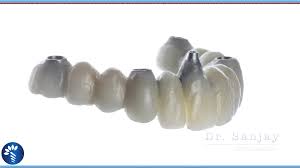
Introduction about M.D.S. PROSTHODONTICS:
MDS (Master of Dental Surgery) in Prosthodontics is a specialized postgraduate program in the field of dentistry. Prosthodontics is one of the dental specialties that focuses on the restoration and replacement of missing or damaged teeth. It plays a crucial role in enhancing patients' oral health, function, and aesthetics by providing advanced solutions in dental prostheses. Here's an introduction to MDS Prosthodontics:
Program Overview:
MDS Prosthodontics is a rigorous and advanced dental program that equips dental professionals with specialized knowledge and skills related to prosthodontics. It encompasses the diagnosis, treatment planning, and execution of various procedures to restore and enhance oral function and aesthetics through dental prostheses.
Key Areas of Focus:
- Removable Prosthodontics: Students in MDS Prosthodontics learn the design, fabrication, and fitting of removable dental prostheses, including partial and complete dentures.
- Fixed Prosthodontics (Crown and Bridge): The program includes in-depth training in the design, preparation, and fabrication of dental crowns, bridges, and other fixed dental prostheses to replace missing teeth.
- Dental Implantology: Students explore the surgical and prosthetic aspects of dental implant placement, including the restoration of dental implants, which offer a permanent solution for tooth replacement.
- Maxillofacial Prosthodontics: This area of study involves the rehabilitation of patients with congenital or acquired defects in their facial and oral structures, often due to surgery or trauma.
- Aesthetic Dentistry: Prosthodontists are skilled in enhancing the aesthetics of a patient's smile through procedures like veneers, teeth whitening, and cosmetic dental work.
- Comprehensive Treatment Planning: Graduates of MDS Prosthodontics are trained to diagnose complex cases and develop comprehensive treatment plans for patients with multiple dental issues.
Career Opportunities:
After completing MDS Prosthodontics, graduates have diverse career opportunities, including:
- Prosthodontist: Prosthodontists can work in private practice, dental clinics, or dental hospitals, specializing in the restoration and enhancement of smiles through dental prostheses.
- Academic and Research Roles: Many graduates choose academic careers, teaching prosthodontics in dental schools and conducting research to advance the field.
- Dental Laboratory Owners: Some prosthodontists establish their dental laboratories, focusing on designing and fabricating dental prostheses.
- Dental Product Development: Opportunities exist in working with dental product companies, participating in the development and testing of dental materials and prosthetic devices.
- Maxillofacial Prosthodontics: Graduates may work in hospitals, particularly in cases involving the reconstruction of facial structures following surgery, trauma, or congenital conditions.
MDS Prosthodontics is a field that combines science and artistry to provide patients with comprehensive dental solutions, ultimately improving their quality of life and self-confidence.
How can I apply for admission to M.D.S. PROSTHODONTICS Program:
Applying for admission to an MDS (Master of Dental Surgery) program in Prosthodontics typically involves several steps. The specific process may vary depending on the institution and country, but here is a general guide on how to apply for admission:
1. Research and Choose a Program:
- Start by researching universities, dental colleges, or institutions that offer MDS programs in Prosthodontics. Look for institutions that are recognized and accredited for dental education.
2. Check Eligibility Requirements:
- Review the eligibility criteria for the MDS program. Common requirements include a BDS (Bachelor of Dental Surgery) degree or its equivalent, successful completion of an internship, and a competitive score in the national or institution-specific entrance exam. Ensure you meet these requirements.
3. Entrance Exam:
- Many institutions and countries require candidates to take an entrance exam. For example, in India, the NEET MDS (National Eligibility cum Entrance Test for Master of Dental Surgery) is a common requirement. Prepare for and take the required entrance exam and achieve a competitive score.
4. Prepare Application Documents:
- Gather the necessary application documents, which often include:
-
- Completed application form: Fill out the application form provided by the institution accurately and completely.
- Educational transcripts and certificates: Provide copies of your BDS degree certificate and transcripts.
- Proof of internship completion: Submit documentation showing the successful completion of your internship.
- Entrance exam score: Include your scores from the required entrance exam.
- Letters of recommendation: Obtain letters of recommendation from professors, mentors, or dental professionals who can vouch for your qualifications and character.
- Statement of purpose: Write a compelling statement outlining your reasons for pursuing MDS in Prosthodontics, your career goals, and how the program aligns with your aspirations.
- Passport-sized photographs: Include the specified number of passport-sized photos as per the institution's requirements.
- Application fee: Pay the application fee, if applicable.
5. Submit the Application:
- Send your application and all supporting documents to the admission office of the institution by the specified deadline. Many institutions provide online application submission options for convenience.
6. Interview (if required):
- Some programs may conduct interviews as part of the admission process. Be prepared to answer questions about your qualifications and motivations for pursuing MDS in Prosthodontics.
7. Wait for Admission Results:
- After submitting your application, patiently await the admission committee's decision. They will notify you regarding your acceptance or rejection.
8. Acceptance and Enrollment:
- If you are accepted into the program, follow the instructions provided for enrollment. Pay the required fees and complete any additional paperwork.
9. Financial Aid and Scholarships:
- Explore opportunities for scholarships, grants, or financial aid to support your studies, if needed.
It's crucial to verify the specific admission process, eligibility criteria, and deadlines of the MDS Prosthodontics program you are interested in by consulting the official program information provided by the educational institution.
What is the eligibility for M.D.S. PROSTHODONTICS:
The eligibility criteria for admission to an MDS (Master of Dental Surgery) program in Prosthodontics may vary slightly depending on the educational institution and country. However, here are the general eligibility requirements that most programs typically require:
-
Bachelor's Degree in Dental Surgery (BDS): You must have successfully completed a BDS or an equivalent undergraduate dental degree from a recognized dental college or university. This is the foundational requirement for pursuing postgraduate studies in dentistry.
-
Internship Completion: In many cases, you need to have completed a mandatory one-year internship program following your BDS degree. You may be required to provide proof of internship completion as part of your application.
-
National or State Entrance Exam: Many countries and institutions require candidates to qualify for a national or state-level entrance examination specific to MDS admissions. For instance, in India, the NEET MDS (National Eligibility cum Entrance Test for Master of Dental Surgery) is a common requirement. The entrance exam score is often a significant factor in the admission process.
-
Minimum Academic Performance: Some institutions may have minimum academic performance criteria, such as a specific minimum percentage in your BDS coursework. These minimum academic requirements can vary between institutions.
-
Registration with Dental Council: You should be registered with the dental council or authority in your country, such as the Dental Council of India (DCI) or the relevant state dental council.
-
Other Requirements: Depending on the institution and country, there may be additional requirements, such as relevant work experience or a minimum number of years since completing BDS. Check with the specific program for any unique eligibility criteria.
It's essential to verify the specific eligibility criteria for the MDS Prosthodontics program you are interested in, as requirements can vary between institutions and regions. Always refer to the official program information provided by the educational institution for the most accurate and up-to-date eligibility requirements.
How long does it takes to complete a M.D.S. PROSTHODONTICS program:
The duration of an MDS (Master of Dental Surgery) program in Prosthodontics typically varies by country and educational institution. In most cases, an MDS program in Prosthodontics is designed to be completed within a span of 3 years. However, it's important to note that the program's duration may be subject to variation based on factors such as the specific curriculum, research requirements, or local regulations.
Here is a general overview of the typical duration of the MDS Prosthodontics program:
Duration: 3 years
During these 3 years, students enrolled in an MDS Prosthodontics program focus on gaining advanced knowledge and practical skills related to prosthodontics. This includes the study of removable and fixed dental prostheses, dental implantology, maxillofacial prosthetics, and other aspects of dental prosthodontics.
What are potential career opportunities after M.D.S. PROSTHODONTICS:
After completing an MDS (Master of Dental Surgery) program in Prosthodontics, graduates have a wide range of career opportunities in the field of prosthodontics. Prosthodontics is a specialized branch of dentistry focused on the restoration and replacement of missing or damaged teeth. Here are some potential career options:
-
Prosthodontist: As a prosthodontist, you can work in private practice, dental clinics, or dental hospitals. You specialize in the diagnosis, treatment planning, and execution of various prosthetic procedures, such as crowns, bridges, dentures, and dental implants. Prosthodontists play a crucial role in restoring patients' oral function and aesthetics.
-
Academic and Research Roles: Graduates can choose to pursue academic careers as professors or researchers in dental schools and institutions. They can teach prosthodontics to dental students and contribute to dental research and advancements in the field.
-
Dental Laboratory Owners: Some prosthodontists establish their dental laboratories, where they design and fabricate dental prostheses. This allows for greater control over the prosthetic design and production process.
-
Consultant Prosthodontist: Graduates may work as consultant prosthodontists, providing expert opinions and treatment recommendations for complex cases. They may consult with general dentists, oral surgeons, and other dental specialists.
-
Dental Product Development: Opportunities exist in the development and testing of dental materials, equipment, and prosthetic devices. Graduates can work with dental product companies to improve the quality and performance of dental products.
-
Maxillofacial Prosthodontics: In cases involving patients who have undergone surgery or experienced trauma resulting in facial deformities or missing facial structures, prosthodontists can work in maxillofacial prosthodontics to create specialized facial prostheses and rehabilitate patients.
-
Hospital Dentistry: Some prosthodontists work in hospital settings, particularly in cases that require extensive reconstructive work, such as maxillofacial prostheses, post-surgical rehabilitation, or complex prosthodontic procedures.
-
Dental Education and Training: Graduates can engage in providing training and continuing education to practicing dentists, dental hygienists, and dental technicians.
-
Private Practice in Cosmetic Dentistry: Given their expertise in aesthetics and smile design, prosthodontists can focus on cosmetic dentistry in private practice, offering services such as veneers, teeth whitening, and smile makeovers.
-
Dental Advisory Roles: Some prosthodontists serve as advisors or consultants to dental associations, organizations, or dental insurance companies, providing expert guidance on issues related to dental prosthetics.
Syllabus of Semesterwise M.D.S. PROSTHODONTICS:
The syllabus for an MDS (Master of Dental Surgery) program in Prosthodontics is typically structured into various subjects and clinical training to provide comprehensive knowledge and skills in the field of prosthodontics. The specific curriculum may vary between institutions, but here's a general semester-wise breakdown of topics commonly covered in such a program:
|
Semester |
Courses |
|
First Semester |
|
|
|
Prosthodontic Anatomy and Physiology |
|
|
Oral Histology and Oral Pathology |
|
|
Dental Materials |
|
|
Advanced Dental Biomaterials |
|
Second Semester |
|
|
|
Removable Prosthodontics |
|
|
Fixed Prosthodontics (Crown and Bridge) |
|
|
Dental Implantology |
|
|
Prosthodontic Laboratory Techniques |
|
Third Semester |
|
|
|
Maxillofacial Prosthodontics |
|
|
Aesthetic Dentistry |
|
|
Comprehensive Treatment Planning |
|
|
Prosthodontic Clinical Practice |
|
Fourth Semester |
|
|
|
Research Methodology |
|
|
Prosthodontic Research Project |
|
|
Comprehensive Case Presentations |
|
|
Clinical Training and Rotations |
Internship Opportunities after completing M.D.S. PROSTHODONTICS:
After completing an MDS (Master of Dental Surgery) program in Prosthodontics, there are several internship opportunities available to gain practical experience and further refine your prosthodontic skills. Internships provide exposure to real patient cases and allow you to apply the knowledge and techniques you've acquired during your postgraduate studies. Here are some internship opportunities for MDS Prosthodontics graduates:
-
Clinical Prosthodontist: Many graduates choose to work as clinical prosthodontists in private dental clinics or dental hospitals. In this role, you provide comprehensive prosthodontic care, including crown and bridge work, dentures, and dental implant restorations, to patients. This is an excellent opportunity to build a strong patient base and gain hands-on experience.
-
Dental Laboratory Experience: Some graduates opt for internships or short-term positions in dental laboratories. This allows you to gain practical experience in the fabrication of prosthetic devices, working closely with dental technicians. It provides valuable insights into the laboratory aspects of prosthodontics.
-
Fellowships and Advanced Training: Graduates interested in further specialization can pursue fellowships or advanced training in specific areas of prosthodontics, such as implant prosthodontics, cosmetic dentistry, or maxillofacial prosthodontics. These specialized training programs provide additional expertise in your chosen area.
-
Hospital Dentistry: Opportunities exist in hospital-based dental departments where graduates can work as prosthodontists. You may be involved in providing specialized care to patients with complex dental needs, including those with maxillofacial deformities or severe dental conditions.
-
Academic and Research Roles: Some graduates may choose academic positions, teaching prosthodontics to dental students and conducting research. You can work in dental schools, colleges, or universities, helping to train the next generation of prosthodontists and contributing to research in the field.
-
Dental Product Development: Graduates can explore roles in dental product companies, participating in the development and testing of dental materials and prosthetic devices. This can involve research, product design, and quality control.
-
Geriatric Dentistry: Opportunities exist in providing prosthodontic care to the elderly population in long-term care facilities, nursing homes, or geriatric dental clinics. Specializing in geriatric prosthodontics can be a rewarding career choice.
-
International Opportunities: For those interested in global health or international dentistry, there are opportunities to work on dental outreach programs in underserved communities worldwide, providing prosthodontic care to those in need.
-
Consultant Prosthodontist: Some graduates choose to work as consultant prosthodontists, providing expert opinions and treatment recommendations for complex prosthodontic cases referred by general dentists or other specialists.
-
Research and Clinical Trials: Graduates can engage in prosthodontic research and clinical trials, contributing to advancements in the field. This may involve working with research institutions, dental schools, or healthcare organizations.
-
Dental Advisory Roles: In addition to clinical practice, prosthodontists can serve as advisors or consultants to dental associations, organizations, or dental insurance companies, providing expert guidance on prosthodontic issues.
Scholarship and grants for M.D.S. PROSTHODONTICS ?
Scholarships and grants for MDS (Master of Dental Surgery) programs in Prosthodontics are available to support students pursuing advanced studies in prosthodontics. These financial aid opportunities can help reduce the financial burden of postgraduate education. Here are some sources of scholarships and grants for MDS Prosthodontics students:
-
University Scholarships: Many universities that offer MDS programs have scholarships specifically for postgraduate dental students. These scholarships can be based on academic merit, research potential, or financial need.
-
Government Scholarships: Some governments and related agencies provide scholarships to postgraduate dental students, including those specializing in prosthodontics. These scholarships may be at the national or state level.
-
Professional Associations: Dental associations and organizations often offer scholarships and grants for dental students pursuing advanced education in prosthodontics. These awards may be based on academic achievements, research interests, or involvement in the dental community.
-
Dental Corporations: Some dental corporations and companies that manufacture dental products or provide dental services offer scholarships or financial aid to postgraduate dental students. These opportunities may come with the expectation of working with the corporation after graduation.
-
Research Grants: If you are interested in prosthodontic research, consider applying for research grants from organizations, institutions, and government agencies that support dental research. These grants can fund your research projects during your MDS program.
-
Dental Foundation Scholarships: Many dental foundations and trusts provide scholarships and grants to support the education and training of dental professionals. These may be dedicated to postgraduate dental students.
-
International Scholarships: Some universities offer scholarships to international students pursuing postgraduate dental programs in prosthodontics. These scholarships may help with tuition and living expenses.
-
Diversity and Minority Scholarships: Scholarships are available to promote diversity and inclusion in dental education. If you belong to an underrepresented group, you may be eligible for these scholarships.
-
Endowed Scholarships: These scholarships are funded by individuals, alumni, or foundations and may be established to support students pursuing MDS programs in prosthodontics.
-
Dental Product Manufacturers: Companies that produce dental materials and equipment may offer scholarships or grants to students interested in prosthodontics, especially if they are planning to work in a field related to dental product development.
FaQ on M.D.S. PROSTHODONTICS:
1. What is MDS Prosthodontics?
- MDS Prosthodontics is a specialized postgraduate dental program that focuses on the diagnosis, treatment planning, and execution of procedures to restore oral function and aesthetics by using dental prostheses such as crowns, bridges, dentures, and dental implants.
2. What are the eligibility requirements for MDS Prosthodontics?
- The typical eligibility criteria include a BDS (Bachelor of Dental Surgery) degree, successful completion of an internship, and a competitive score in a national or institutional entrance exam. Requirements may vary by institution and country.
3. How long does it take to complete an MDS Prosthodontics program?
- The standard duration is typically 3 years, although it may vary by institution. This includes both coursework and clinical training.
4. What are the key subjects covered in MDS Prosthodontics?
- Subjects commonly covered include advanced dental anatomy and occlusion, removable and fixed prosthodontics, implantology, dental materials, oral pathology, and full mouth rehabilitation.
5. What career opportunities are available after completing MDS Prosthodontics?
- Graduates can work as prosthodontists in private practice, dental clinics, and hospitals. They can also pursue academic careers, conduct research, or work in dental laboratories.
6. Is there any entrance exam for MDS Prosthodontics admissions?
- Many institutions and countries require candidates to qualify in a national or institutional entrance exam. In India, for example, the NEET MDS is a common entrance test.
7. Can I specialize further within prosthodontics after MDS?
- Yes, graduates can choose to specialize further in areas such as maxillofacial prosthodontics, implantology, geriatric prosthodontics, or cosmetic dentistry.
8. Are scholarships available for MDS Prosthodontics students?
- Yes, various scholarships and grants are available for postgraduate dental students. These may be offered by universities, dental associations, government bodies, and dental product manufacturers.
9. What is the role of a prosthodontist?
- Prosthodontists are specialists in restoring oral function and aesthetics. They design and create dental prostheses, such as crowns, bridges, and dentures, to replace missing or damaged teeth and improve a patient's quality of life.
10. What is the importance of prosthodontics in dentistry?
- Prosthodontics is essential for restoring patients' oral health and improving their quality of life by providing solutions for missing or damaged teeth. It plays a crucial role in both functional and aesthetic aspects of dentistry.
How Shiksha Hub helps you in
-
 Student Counsellors
 -
 Career Counseling
 -
 Research
 -
 24/7 Support
 -
 Scholarships
 -
 Community