Posted by Admin on 16-09-2023 in Shiksha hub
M.ED YOGA EDUCATION Admission, Registration, Eligibility, Duration, Fees, Syllabus 2024
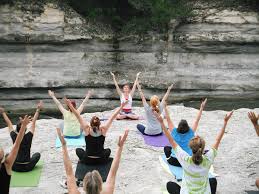
Introduction about M.ED YOGA EDUCATION:
A Master of Education (M.Ed) in Yoga Education is a specialized graduate program designed to provide advanced training and education in the field of yoga, with a strong emphasis on both the practical and theoretical aspects of this ancient discipline. This program is typically tailored for individuals who wish to deepen their knowledge and expertise in yoga, its philosophy, teaching methodologies, and its potential applications in various educational settings.
Here's an introduction to M.Ed in Yoga Education:
Program Overview: M.Ed in Yoga Education is an interdisciplinary program that combines the principles and practices of yoga with education. It is designed to equip students with the skills and knowledge necessary to teach yoga in a variety of educational settings, including schools, colleges, fitness centers, and therapeutic environments.
Curriculum: The curriculum of this program usually includes a blend of theoretical coursework and practical training. Students may study topics such as:
Yoga Philosophy: Exploring the philosophical foundations of yoga, including concepts like Patanjali's Yoga Sutras, Hatha yoga, and the various paths of yoga.
Yogic Anatomy and Physiology: Understanding the human body from a yogic perspective, focusing on how yoga postures and practices impact physical health.
Teaching Methodologies: Learning effective techniques for instructing yoga classes, including lesson planning, sequencing, and adjustments.
Yoga Therapy: Exploring the therapeutic applications of yoga for physical and mental well-being.
Research and Case Studies: Conducting research related to yoga education and examining case studies of its impact in different contexts.
Practicum and Internship: Gaining hands-on teaching experience by leading yoga classes and working with students under the guidance of experienced instructors.
Career Opportunities: Graduates of an M.Ed in Yoga Education program may pursue a variety of career paths, including:
Yoga Instructor: Teaching yoga classes in schools, colleges, fitness centers, or private studios.
Yoga Therapist: Using yoga techniques to support individuals in managing various health conditions.
Yoga Educator: Developing and implementing yoga-based educational programs.
Yoga Researcher: Contributing to the body of knowledge on the benefits and efficacy of yoga.
Benefits: This program not only equips individuals with the skills to become effective yoga instructors but also provides a deeper understanding of the holistic principles of yoga, which can be applied to promote physical, mental, and spiritual well-being. It also prepares educators to incorporate yoga into their teaching practices, fostering a more balanced and mindful learning environment.
In summary, an M.Ed in Yoga Education is a specialized program that combines the profound wisdom of yoga with modern educational methodologies, empowering individuals to share the benefits of yoga with others and promote holistic well-being in diverse educational settings.
How can I apply for admission to M.ED YOGA EDUCATION Program:
The admission process for a Master of Education (M.Ed) in Yoga Education program can vary depending on the university or institution offering the program. To apply for admission, you should follow these general steps:
Research Programs: Start by researching universities or institutions that offer M.Ed in Yoga Education programs. Look for programs that align with your career goals, location preferences, and any specific requirements you have.
Check Eligibility Requirements: Review the admission criteria for the programs you're interested in. Typical requirements may include a bachelor's degree in a related field, such as education, sports science, or yoga, as well as a certain minimum GPA. Some programs may also require relevant work or yoga teaching experience.
Prepare Application Materials: Gather all the necessary documents and materials for your application. These commonly include:
Completed application form: Fill out the university's application form, which is typically available on their website.
Transcripts: Provide official transcripts from all the post-secondary institutions you have attended.
Letters of Recommendation: Obtain strong letters of recommendation from professors, employers, or yoga instructors who can speak to your qualifications and readiness for the program.
Statement of Purpose: Write a personal statement explaining your reasons for pursuing the M.Ed in Yoga Education and your career goals. Highlight your passion for yoga and how the program aligns with your aspirations.
Resume/CV: Include a detailed resume or curriculum vitae outlining your educational and professional background, as well as any relevant yoga experience.
Test Scores: Some programs may require standardized test scores like the GRE, though this is not universal. Check the specific requirements of the programs you're interested in.
Application Fee: Pay the application fee, if required.
Meet Deadlines: Be mindful of application deadlines. Different institutions may have different application periods, and missing deadlines can jeopardize your chances of admission.
Interview (if required): Some programs may require an interview as part of the admission process. Prepare for this by practicing your responses to common questions about your interest in yoga and the program.
Submit Your Application: Send your completed application and all required materials to the university or institution. This can typically be done online through their admissions portal.
Financial Aid and Scholarships: Research and apply for financial aid or scholarships that may be available to you. Many universities offer financial assistance, and there might be specific scholarships for students pursuing yoga education.
Wait for Admission Decision: Once you've submitted your application, you'll need to wait for an admission decision. Be sure to check your email or the university's admission portal for updates.
Acceptance and Enrollment: If you are accepted, follow the instructions provided by the university for accepting the offer and enrolling in the program. This may include paying an enrollment deposit and registering for classes.
It's essential to keep in mind that the specific requirements and procedures can vary widely among institutions, so it's crucial to carefully review the admission information provided by each university offering an M.Ed in Yoga Education program. If you have any questions or need further assistance, don't hesitate to contact the university's admissions office for clarification and guidance.
What is the eligibility for M.ED YOGA EDUCATION:
The eligibility requirements for a Master of Education (M.Ed) in Yoga Education program can vary from one university or institution to another. Therefore, it's important to check the specific admission criteria of the program you are interested in. However, I can provide you with some common eligibility criteria that are often required for admission to M.Ed in Yoga Education programs:
Educational Background:
A bachelor's degree from a recognized institution is typically a fundamental requirement. The specific field of your undergraduate degree can vary, but it should usually be related to education, yoga, physical education, sports science, or a closely related field.
Minimum GPA:
Many programs require a minimum grade point average (GPA) in your undergraduate coursework. The required GPA can differ from one program to another, but it is often in the range of 2.5 to 3.0 on a 4.0 scale.
Yoga Experience:
Some programs may prefer or require applicants to have a certain level of yoga experience, such as a specific number of years of practice or teaching experience. This is especially relevant if you're applying to programs that emphasize the practical aspects of yoga.
Letters of Recommendation:
You may be asked to provide letters of recommendation from individuals who can vouch for your academic and professional qualifications. These letters are typically from professors, employers, or yoga instructors.
Statement of Purpose:
You'll likely need to submit a statement of purpose or a personal statement that explains your motivation for pursuing an M.Ed in Yoga Education and your career goals. Be sure to highlight your passion for yoga and how the program aligns with your aspirations.
Test Scores:
Some institutions may require standardized test scores, such as the GRE (Graduate Record Examination). However, this requirement is not universal for all programs, so be sure to check the specific requirements of the programs you are interested in.
Interview (if required):
Some programs may conduct interviews as part of the admission process. This interview may evaluate your communication skills, passion for yoga, and readiness for the program.
Other Requirements:
Depending on the program, there may be additional requirements, such as a portfolio, work experience, or a teaching demonstration.
It's essential to thoroughly review the admission requirements of the specific M.Ed in Yoga Education programs you are considering, as these requirements can vary significantly between institutions. Additionally, you should reach out to the admissions offices of these programs if you have any questions or need clarification about their specific eligibility criteria.
How long does it takes to complete a M.ED YOGA EDUCATION program:
The duration of a Master of Education (M.Ed) in Yoga Education program can vary depending on the institution and the specific program's structure. However, most M.Ed in Yoga Education programs are designed to be completed in approximately two years of full-time study. Here's a general breakdown of the program's duration:
Full-Time Program: A typical M.Ed in Yoga Education program, when pursued on a full-time basis, takes around two years to complete. This duration includes both coursework and any required practicum or internship experiences.
Part-Time Options: Some universities may offer part-time or flexible study options for M.Ed programs, allowing students to spread their coursework over a more extended period. Part-time programs can take three to four years or longer to complete, depending on the student's pace.
Online Programs: There are also online M.Ed in Yoga Education programs that offer flexibility in terms of course scheduling. The duration of these online programs may vary, but many are designed to accommodate the needs of working professionals and can be completed within two to three years.
Accelerated Programs: In some cases, accelerated programs may be available, allowing students to complete their M.Ed in Yoga Education in a shorter time frame, such as 12-18 months. These programs may have more intensive coursework and often require a significant time commitment.
Thesis or Capstone Projects: Some M.Ed programs require students to complete a thesis or capstone project, which can extend the program's duration. The time needed to complete such a project depends on individual progress and program requirements.
It's important to note that the specific curriculum, credit requirements, and scheduling of courses can vary among institutions offering M.Ed in Yoga Education programs. Therefore, when considering enrolling in a particular program, it's essential to review the program's structure and consult with the program's advisors or admissions office to understand the exact duration and any potential options for program flexibility.
Ultimately, the duration of your M.Ed in Yoga Education will depend on the program's format, your enrollment status (full-time or part-time), and any additional factors such as the completion of a thesis or capstone project.
What are potential career opportunities after M.ED YOGA EDUCATION:
Earning a Master of Education (M.Ed) in Yoga Education can open up a variety of career opportunities in the field of yoga, education, and wellness. Here are some potential career paths that individuals with an M.Ed in Yoga Education may pursue:
Yoga Instructor: Graduates can work as yoga instructors, leading classes in various settings, including yoga studios, fitness centers, community centers, and corporate environments. An M.Ed in Yoga Education can provide a deeper understanding of teaching methodologies and philosophy, making graduates more effective instructors.
Yoga Therapist: As yoga becomes increasingly recognized for its therapeutic benefits, individuals with an M.Ed in Yoga Education can work as yoga therapists. They can help clients manage specific health conditions, such as stress, anxiety, depression, or physical injuries, through tailored yoga practices.
School Yoga Instructor: Some schools integrate yoga into their physical education or wellness programs. Graduates with an M.Ed in Yoga Education can become school yoga instructors, helping students develop physical fitness, mindfulness, and stress management skills.
University or College Educator: With an M.Ed, individuals can teach yoga courses at the university or college level. This may involve instructing undergraduate or graduate-level courses in yoga philosophy, teaching methodologies, or research in the field of yoga education.
Yoga Curriculum Developer: Graduates can work on designing yoga curricula for educational institutions, developing course materials, and creating educational resources for yoga programs. This role involves shaping the content and structure of yoga education.
Yoga Researcher: Some individuals with an M.Ed in Yoga Education pursue careers in research, studying the impact of yoga on physical and mental health, educational outcomes, and various populations. They may work for universities, research organizations, or wellness institutions.
Yoga Studio Owner: Graduates who want to combine their entrepreneurial spirit with their passion for yoga can establish their own yoga studios. An M.Ed can provide valuable insights into the effective management of a yoga studio, including curriculum development, teacher training, and business administration.
Corporate Wellness Instructor: Many companies are embracing corporate wellness programs that include yoga and mindfulness activities. Individuals with an M.Ed in Yoga Education can offer workplace yoga classes and wellness programs to promote employee health and well-being.
Yoga Retreat Leader: Graduates can organize and lead yoga retreats, combining yoga practice with meditation and wellness activities in picturesque locations. This career path allows for a mix of travel and yoga instruction.
Health and Wellness Consultant: Some individuals use their expertise to work as consultants in the health and wellness industry, advising organizations or individuals on incorporating yoga and mindfulness practices into their wellness programs.
Author or Blogger: Those with a passion for writing can become authors, bloggers, or content creators, sharing their knowledge of yoga and education through books, articles, or online platforms.
Specialized Yoga Instructor: Some graduates choose to specialize in areas such as prenatal yoga, kids' yoga, or yoga for seniors. Specialized instructors can work in fitness centers, schools, or healthcare facilities.
It's important to note that the specific career opportunities may vary based on your interests, expertise, and the level of experience you have in the field of yoga. Additionally, the demand for yoga and wellness professionals continues to grow, creating opportunities for those with advanced education in yoga education.
Syllabus of M.ED YOGA EDUCATION:
The syllabus for a Master of Education (M.Ed) in Yoga Education program can vary from one institution to another. However, I can provide a general overview of what you might expect in a typical M.Ed in Yoga Education program, semester-wise. Please keep in mind that specific courses and their sequencing can differ between programs, and some programs may include additional electives, research components, or internship requirements.
Here's a semester-wise breakdown of a hypothetical M.Ed in Yoga Education program:
Semester 1:
Yoga Philosophy and History
Foundations of Yoga Education
Human Anatomy and Physiology from a Yogic Perspective
Principles of Teaching Yoga
Research Methods in Yoga Education
Semester 2:
Yoga and Mindfulness Meditation
Yoga Psychology
Yogic Breathing Techniques (Pranayama)
Curriculum Development in Yoga Education
Practicum: Teaching Yoga Classes
Semester 3:
Yoga as Therapy
Advanced Yogic Postures (Asanas)
Special Populations and Yoga (e.g., yoga for seniors, prenatal yoga)
Yoga Assessment and Evaluation
Elective Course (e.g., Yoga and Ayurveda, Yoga and Public Health)
Semester 4:
Yoga Research and Case Studies
Seminar in Yoga Philosophy
Teaching Practicum and Supervision
Seminar in Educational Leadership
Thesis or Capstone Project
Please note that this is a generalized syllabus and serves as an example. The specific courses and their order can vary from one program to another. Additionally, some programs may offer more flexibility in selecting electives or conducting research. Be sure to consult the program details and curriculum provided by the university or institution you are interested in to get an accurate picture of their M.Ed in Yoga Education program. You can also inquire with the program's advisors or faculty to understand the exact curriculum and course offerings in the specific program you wish to pursue.
Internship opportunities after completing M.ED YOGA EDUCATION:
After completing a Master of Education (M.Ed) in Yoga Education, there are various internship opportunities available to gain practical experience and further develop your skills and expertise in the field of yoga education. Internships can be an excellent way to apply the knowledge you've acquired during your program and make meaningful connections in the yoga and education community. Here are some potential internship opportunities:
Yoga Studios: Many yoga studios offer internship or apprenticeship programs for recent graduates of yoga education programs. These opportunities may involve assisting experienced instructors in classes, learning about studio management, and gaining teaching experience under the guidance of seasoned professionals.
Schools and Educational Institutions: If your M.Ed in Yoga Education program focused on integrating yoga into the education system, you can seek internship opportunities in schools, colleges, or educational organizations. You may work with educators to develop and implement yoga programs for students and participate in wellness initiatives.
Health and Wellness Centers: Wellness centers often offer yoga and holistic health programs. An internship at a wellness center can provide valuable experience in teaching yoga to diverse populations, including individuals seeking physical or mental health benefits.
Rehabilitation and Healthcare Facilities: Consider interning at rehabilitation centers, hospitals, or clinics that incorporate yoga into their therapy and wellness programs. This type of internship can provide experience working with individuals with specific health conditions.
Corporate Wellness Programs: Many companies offer corporate wellness programs that include yoga and mindfulness activities for employees. An internship in this setting may involve assisting in the planning and implementation of workplace wellness initiatives.
Community and Nonprofit Organizations: Community organizations and nonprofits often provide yoga classes and wellness programs for underserved populations. Interning with these organizations can be a rewarding way to contribute to the community while gaining experience.
Yoga Retreat Centers: Some retreat centers and resorts offer internships for individuals interested in the hospitality and wellness industry. You may assist with organizing and leading yoga retreats in scenic locations.
Yoga Teacher Training Centers: Teacher training centers, which offer yoga instructor certification programs, may have internship opportunities for recent graduates. This can involve assisting with teacher training courses and mentoring new yoga instructors.
Online Platforms and Content Creation: If you have an interest in online instruction and content creation, consider interning with organizations that offer online yoga courses, workshops, or content production. This can provide experience in creating digital content and online teaching.
Private Yoga Instructors: Some experienced private yoga instructors offer mentorship and internship opportunities for individuals looking to develop their teaching skills and client interaction in a one-on-one setting.
When seeking internship opportunities, it's essential to network with professionals in the yoga and education fields, explore job boards, reach out to career services at your educational institution, and research organizations and studios in your area that align with your interests and career goals. Internships can be an important stepping stone to launching a successful career in yoga education and related fields.
Scholarship and grants for M.ED YOGA EDUCATION:
Scholarships and grants for a Master of Education (M.Ed) in Yoga Education can help offset the cost of your education and make pursuing your degree more affordable. While specific scholarships and grants may be limited in this niche field, you can explore various options, including those for general education, wellness, and yoga-related scholarships. Here are some potential sources of financial aid:
University Scholarships: Many universities offering M.Ed programs may have scholarship opportunities for graduate students. Check with the specific university or institution you plan to attend to inquire about scholarships related to yoga education or general graduate education scholarships.
Departmental Scholarships: Some universities have scholarships or grants specifically designated for students pursuing degrees in the education department, including those with a focus on yoga education.
Yoga Organizations and Associations: Explore scholarships offered by yoga organizations and associations such as Yoga Alliance. These organizations may have funding opportunities to support individuals pursuing advanced yoga education degrees.
Wellness and Health Scholarships: Scholarships related to wellness, holistic health, or alternative medicine can be applicable to yoga education programs. Search for scholarships that align with the holistic and well-being aspects of yoga.
Yoga Studios and Schools: Some yoga studios and yoga teacher training schools offer scholarships for aspiring yoga educators. These scholarships may support further education in yoga and related fields.
Grants and Foundations: Look for grants and foundations that support health and wellness initiatives, education, or vocational training. Some of these organizations may offer funding for graduate-level yoga education.
Community and Nonprofit Organizations: Local community organizations and nonprofits may have scholarships or grants available to support individuals pursuing careers in health and wellness, which can include yoga education.
Online Scholarship Search Engines: Use scholarship search engines and databases, such as Fastweb, Scholarships.com, and Peterson's, to find relevant scholarships for graduate education, yoga, and related fields.
Federal and State Financial Aid Programs: Depending on your country, you may be eligible for federal or state financial aid programs. In the United States, for example, you can complete the Free Application for Federal Student Aid (FAFSA) to determine your eligibility for federal student aid.
Employer Tuition Assistance: If you are currently employed, check with your employer to see if they offer tuition assistance or reimbursement for continuing education. Some employers may provide financial support for employees pursuing graduate degrees.
Private Lenders and Loan Forgiveness Programs: Investigate private lenders offering education loans and loan forgiveness programs. Some loan forgiveness programs may apply to graduates pursuing careers in education, including yoga education.
When searching for scholarships and grants, it's essential to read the eligibility criteria, application deadlines, and requirements carefully. Additionally, consider reaching out to the financial aid office at your chosen university or institution for guidance on available funding opportunities. Don't hesitate to apply for multiple scholarships to maximize your chances of securing financial assistance for your M.Ed in Yoga Education.
FAQ:
What is M.Ed Yoga Education?
M.Ed Yoga Education is a specialized graduate program that combines the principles and practices of yoga with educational methodologies. It prepares individuals to become effective yoga instructors and educators, integrating yoga into various educational settings.
What are the career prospects after completing M.Ed Yoga Education?
Graduates can pursue careers as yoga instructors, yoga therapists, school educators, curriculum developers, researchers, and more. They can work in schools, yoga studios, wellness centers, healthcare facilities, and various other educational and wellness settings.
What is the typical duration of an M.Ed Yoga Education program?
M.Ed programs in Yoga Education typically take about two years of full-time study to complete. Part-time and online options may have more flexible timelines.
What are the eligibility requirements for M.Ed Yoga Education?
Eligibility requirements may vary by institution, but they often include a bachelor's degree in a related field, a minimum GPA, and relevant yoga experience. Some programs may also require standardized test scores.
Are there scholarships available for M.Ed Yoga Education programs?
Yes, there are scholarships and grants available for students pursuing M.Ed in Yoga Education. These can come from universities, yoga organizations, wellness associations, and other sources. Be sure to research and apply for relevant scholarships.
What does the curriculum of an M.Ed Yoga Education program typically include?
The curriculum usually covers yoga philosophy, teaching methodologies, anatomy and physiology from a yogic perspective, yoga psychology, research methods, and practical experience, among other subjects.
Can I teach yoga in schools after completing this program?
Yes, after completing an M.Ed in Yoga Education, you can become a certified yoga instructor and teach yoga in schools. Some programs even prepare you to integrate yoga into the school curriculum.
Do I need to have a strong background in yoga before enrolling in an M.Ed Yoga Education program?
While some programs may require a certain level of yoga experience, others are designed to accommodate a range of backgrounds. It's important to review the specific program's admission requirements.
Can I pursue further research in yoga education after completing this program?
Yes, you can pursue research in yoga education and related fields. Your M.Ed program may include research courses, and you can consider doctoral programs in education or related fields.
What are the benefits of an M.Ed Yoga Education program?
An M.Ed in Yoga Education provides in-depth knowledge of yoga, teaching techniques, and educational principles, enabling you to have a meaningful impact on individuals' physical, mental, and spiritual well-being, as well as in educational settings.
Conclusion:
In conclusion, a Master of Education (M.Ed) in Yoga Education is a specialized and unique program that combines the principles and practices of yoga with educational methodologies. This program equips individuals with the knowledge and skills needed to teach yoga, integrate it into educational settings, and promote holistic well-being. Graduates of M.Ed in Yoga Education programs can pursue various rewarding career opportunities in fields related to yoga instruction, wellness, education, and research. The curriculum of an M.Ed in Yoga Education program typically covers a range of subjects, including yoga philosophy, teaching methodologies, anatomy, and research methods. This comprehensive education prepares students to become effective yoga instructors, yoga therapists, school educators, and more. Internship opportunities and practical experience can further enhance their ability to apply their knowledge in real-world settings.
How Shiksha Hub helps you in
-
 Student Counsellors
 -
 Career Counseling
 -
 Research
 -
 24/7 Support
 -
 Scholarships
 -
 Community