Posted by Admin on 18-07-2023 in Shiksha hub
Mine Welder, Introduction, Admission, Registration, Eligibility, Duration, Fees, Syllabus 2024
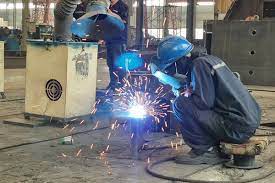
Introduction about Mine Welder
What is a Mine Welder?
Mine welding is a specialized form of welding that is crucial in the mining industry. It involves the process of joining metals underground, within the harsh and demanding conditions of mines. This technique is employed for various purposes, including repairs, maintenance, and even in the construction of mining infrastructure.
Significance of Mine Welding in Mining Operations
Ensuring Structural Integrity
The use of mine welders is essential in maintaining the structural integrity of mining tunnels, shafts, and equipment. Properly executed welds provide strength and stability to these critical components, ensuring they can withstand the extreme conditions they are subjected to.
Minimizing Downtime
Mine welders play a pivotal role in reducing downtime in mining operations. When equipment or infrastructure is damaged, prompt welding repairs can swiftly restore functionality, preventing costly delays in production.
Safety Considerations in Mine Welding
Safety is paramount in any mining operation, and mine welding is no exception. Welders must be well-trained and equipped with the necessary safety gear to protect against hazards such as fumes, high temperatures, and potential collapses in underground environments.
Types of Mine Welding Techniques
Mine welding encompasses various techniques tailored to the specific needs of the mining industry:
Arc Welding
Arc welding is a widely used technique, employing an electric arc to melt and fuse metals together. It's versatile and can be adapted to different materials and thicknesses.
Gas Welding
Gas welding involves the use of a flame to heat the metals, allowing them to be joined together. This method is particularly useful for non-ferrous metals.
Resistance Welding
Resistance welding employs the application of pressure and electrical resistance to create a weld. It's efficient for high-volume welding operations.
Laser Welding
Laser welding utilizes a high-powered laser to melt and fuse metals. It's a precise technique suitable for delicate or intricate welding tasks.
Equipment Used in Mine Welding
The equipment used in mine welding is specialized to withstand the harsh conditions of mining environments. This includes robust welding machines, protective gear, and specialized electrodes or consumables.
Essential Skills for a Mine Welder
A skilled mine welder possesses a combination of technical proficiency, adaptability, and a strong commitment to safety. They must be adept at understanding blueprints, operating welding equipment, and working in confined spaces.
Environmental Considerations in Mine Welding
Mine welding operations must be conducted with environmental awareness. Measures should be taken to mitigate the impact of welding activities on air quality and to properly dispose of any hazardous materials.
Challenges Faced by Mine Welders
Mine welders encounter unique challenges, including limited visibility, confined workspaces, and exposure to potentially hazardous materials. Overcoming these obstacles requires specialized training and equipment.
Best Practices in Mine Welding
Adhering to best practices in mine welding is crucial for ensuring the longevity and reliability of welded structures. This includes proper preparation, selecting the right welding technique, and thorough inspections.
Innovations in Mine Welding Technology
Advancements in technology continue to revolutionize mine welding. From automated welding systems to augmented reality-assisted welding, these innovations enhance efficiency and safety in mining operations.
Future Prospects of Mine Welding
The future of mine welding looks promising, with ongoing developments in automation and robotics, as well as improvements in welding materials and techniques. These advancements will further elevate the efficiency and safety of mining operations.
Case Studies: Successful Applications of Mine Welding
Case Study 1: Reinforcing Mine Shafts
In this case, mine welders successfully reinforced a deteriorating shaft, extending its operational lifespan and ensuring worker safety.
Case Study 2: Rapid Equipment Repairs
Prompt welding repairs to a vital piece of mining equipment minimized downtime and saved the operation significant costs.
How can I apply for admission to Mine Welder Program
Visit the Program Website: Go to the official website of the Mine Welder Program. This is where you'll find detailed information about the program, including admission requirements and application deadlines.
Review Admission Requirements: Take the time to carefully read through the admission requirements. Ensure you meet all the specified criteria, including educational qualifications, work experience, and any additional prerequisites.
Create an Account: If the program requires an online application, you may need to create an account on the program's application portal. This account will be used to submit your application and track its progress.
Complete the Application Form: Fill out the application form with accurate and up-to-date information. Be sure to provide all the required documents, such as transcripts, letters of recommendation, and a resume.
Write a Statement of Purpose (if required): Some programs may ask for a statement of purpose or a personal essay. This is your opportunity to explain why you're interested in the Mine Welder Program and what you hope to achieve through it.
Pay the Application Fee (if applicable): Some programs may require an application fee. Ensure you make the necessary payment as per the program's instructions.
Submit Your Application: Once you have completed all the required sections of the application form and attached all necessary documents, submit your application through the designated portal.
Track Your Application: Use your account on the program's application portal to monitor the progress of your application. You may receive notifications regarding any additional documents or information needed.
Prepare for an Interview (if required): Some programs may conduct interviews as part of the admission process. If you're selected for an interview, make sure to prepare adequately.
Wait for Admission Decision: After submitting your application, patiently wait for the admission committee to review it. They will notify you of their decision within the specified timeline.
Acceptance and Enrollment: If you receive an offer of admission, carefully follow the instructions provided for accepting the offer and enrolling in the program.
What is the eligibility for Mine Welder
To be eligible for the Mine Welder Program, applicants typically need to meet the following criteria:
Educational Qualifications: Candidates should have a minimum educational background, usually a high school diploma or equivalent. Some programs may also require specific coursework in welding or related fields.
Work Experience (if required): Depending on the program, applicants may need to have a certain level of work experience in welding or a related field. This requirement varies by program and may range from no prior experience to several years.
Age Requirement: There may be a minimum age requirement for applicants. This is typically set to ensure that candidates have the maturity and physical capabilities necessary for the demanding nature of mine welding.
Physical Fitness: Given the physically demanding nature of mine welding, applicants may need to meet specific health and fitness standards. This can include the ability to lift heavy objects, work in confined spaces, and withstand potentially challenging environmental conditions.
Safety Training and Certifications: Some programs may require applicants to have completed certain safety training courses or hold relevant certifications. These could include courses on welding safety, first aid, or specific mine safety certifications.
Language Proficiency: Since the program is conducted in English, applicants may be required to demonstrate proficiency in the English language. This could be through standardized tests like TOEFL or IELTS, or other recognized measures.
Background Checks (if applicable): Depending on the program and its location, applicants may need to undergo background checks or provide references to verify their suitability for the program.
Additional Requirements: Some programs may have specific additional requirements, such as submitting a portfolio of previous welding work, passing a skills assessment, or providing letters of recommendation.
How long does it takes to complete a Mine Welder program
The duration of a Mine Welder program can vary depending on the specific program and the level of certification or training it offers. Here are some common timelines:
Basic Certification Programs:
Basic Mine Welder certification programs typically last anywhere from a few weeks to a few months. These programs focus on providing fundamental skills and knowledge in mine welding.
Associate's Degree Programs:
An Associate's Degree program in Mine Welding usually takes about two years to complete. This program offers a more comprehensive education, covering both theoretical and practical aspects of mine welding.
Bachelor's Degree Programs:
For those seeking a higher level of education and training in mine welding, a Bachelor's Degree program can take around four years to complete. These programs offer a deeper understanding of welding techniques, metallurgy, and related subjects.
Advanced Certifications and Specializations:
Advanced certification programs or specialized training in specific aspects of mine welding can vary in duration. They may range from a few weeks for short-term certifications to several months for more extensive training.
Apprenticeships:
Apprenticeship programs, which combine on-the-job training with classroom instruction, typically last between two to four years. Apprenticeships are an excellent way to gain practical experience and expertise in mine welding.
Continuing Education and Professional Development:
Individuals who are already certified or have completed a formal education program may opt for continuing education courses or workshops. These can range from a few days to a few weeks.
What are potential career opportunities after Mine Welder
After completing a Mine Welder program, individuals have a wide range of potential career opportunities in various industries related to mining and metalworking. Here are some of the potential career paths for Mine Welders:
Mining Companies: Mine Welders can find employment directly with mining companies. They play a crucial role in maintaining and repairing equipment, infrastructure, and machinery within mines.
Construction and Engineering Firms: Many construction and engineering companies require the services of skilled welders, especially those with expertise in working in challenging environments like mines.
Manufacturing Industries: Industries that produce heavy machinery, equipment, and metal components often hire Mine Welders to ensure the quality and integrity of their products.
Metal Fabrication Shops: Metal fabrication shops specialize in creating metal structures and components. Mine Welders are essential for tasks like welding, cutting, and shaping metal pieces.
Contracting and Consulting: Some Mine Welders choose to work as independent contractors or consultants. They can offer their specialized welding services to different companies on a project-by-project basis.
Maintenance and Repair Services: Mine Welders are in demand for maintenance and repair services in various sectors, including mining, construction, and manufacturing.
Offshore and Maritime Industry: Welders with expertise in underwater welding may find opportunities in the offshore and maritime industry, where they play a critical role in maintaining offshore structures and vessels.
Government and Public Works: Municipalities, state agencies, and federal organizations often require skilled welders for infrastructure projects, including bridges, tunnels, and other public works.
Automotive Industry: Some Mine Welders transition into the automotive industry, where they may be involved in tasks related to vehicle manufacturing and repair.
Teaching and Training: Experienced Mine Welders may choose to pass on their knowledge and skills by becoming welding instructors at technical schools or vocational training centers.
Specialized Welding Services: Some Mine Welders choose to specialize in areas like underwater welding, which involves welding in submerged environments, or in high-pressure welding for specific applications.
Research and Development: In industries that rely heavily on welding technology, Mine Welders with advanced skills and knowledge may contribute to research and development efforts to improve welding techniques and equipment.
Quality Control and Inspection: Skilled Mine Welders may transition into roles focused on inspecting and ensuring the quality of welded components, ensuring they meet industry standards and safety regulations.
Entrepreneurship: Some Mine Welders may choose to start their own welding businesses, offering services to various clients in need of welding expertise.
Syllabus of Mine Welder
Certainly! Below is a sample syllabus for a Mine Welder program, organized by semester. Keep in mind that the actual syllabus may vary depending on the specific program and institution. This is a general outline to give you an idea of the topics that may be covered.
Semester 1: Introduction to Mine Welding
Course 1: Fundamentals of Welding
Introduction to welding processes and techniques
Safety precautions in welding
Types of welding equipment and their uses
Course 2: Metallurgy and Materials
Properties of metals and alloys
Understanding weldability of different materials
Heat treatment and its impact on welded joints
Course 3: Welding Procedures and Codes
Reading and interpreting welding symbols
Introduction to welding codes and standards
Procedure qualification and testing
Course 4: Occupational Health and Safety in Welding
Hazards in welding operations
Personal protective equipment (PPE) and its importance
First aid and emergency procedures in welding environments
Semester 2: Practical Applications in Mine Welding
Course 5: Practical Welding Techniques
Hands-on training in various welding processes (e.g., arc welding, gas welding)
Welding in different positions (flat, horizontal, vertical, overhead)
Course 6: Welding Inspection and Quality Control
Visual inspection of welds
Non-destructive testing (NDT) methods
Documentation and reporting of weld quality
Course 7: Welding in Challenging Environments
Welding in confined spaces
Underwater welding techniques (if applicable)
Welding in high-temperature and high-pressure environments
Course 8: Mine Safety and Environmental Considerations
Safety protocols specific to mine environments
Environmental impact of welding operations
Hazardous materials management in mining
Semester 3: Advanced Techniques and Specializations
Course 9: Advanced Welding Processes
Introduction to specialized welding processes (e.g., laser welding, resistance welding)
Automation and robotics in welding
Course 10: Welding in Extreme Conditions
Welding in sub-zero temperatures
Welding in high-altitude environments
Course 11: Case Studies and Projects
Analyzing real-world welding projects
Designing and executing welding solutions for specific applications
Course 12: Professional Development and Industry Trends
Soft skills development (communication, teamwork)
Industry trends, innovations, and emerging technologies in welding
Internship opportunities after completing Mine Welder
After completing a Mine Welder program, individuals have excellent opportunities for gaining practical experience through internships. These internships can provide valuable hands-on training in real-world work environments. Here are some potential internship opportunities for Mine Welders:
Mining Companies: Many mining companies offer internship programs where Mine Welders can work alongside experienced professionals, gaining exposure to the day-to-day operations of a mine.
Construction and Engineering Firms: Construction and engineering companies often hire interns to work on welding projects related to mining infrastructure and construction.
Manufacturing Industries: Industries involved in manufacturing heavy machinery, equipment, and metal components may offer internships for Mine Welders to gain experience in production settings.
Metal Fabrication Shops: Metal fabrication shops may provide internship opportunities for Mine Welders to work on projects involving the fabrication and welding of metal structures.
Maintenance and Repair Services: Companies specializing in maintenance and repair services, especially those serving the mining industry, may offer internships for Mine Welders to assist with equipment repairs.
Government and Public Works Projects: Municipalities, state agencies, and federal organizations may have internship programs that involve working on infrastructure projects, including welding-related tasks.
Offshore and Maritime Industry: Some internships in the offshore and maritime industry may focus on underwater welding, allowing interns to gain experience in this specialized field.
Automotive Industry: Internships in the automotive industry can provide opportunities for Mine Welders to work on welding tasks related to vehicle manufacturing and repair.
Research and Development Organizations: Research institutions and companies involved in welding technology may offer internships for Mine Welders to contribute to research projects and gain exposure to cutting-edge techniques.
Quality Control and Inspection Services: Internships in quality control and inspection services allow Mine Welders to learn about the inspection process and gain an understanding of industry standards.
Specialized Welding Service Providers: Companies specializing in areas like underwater welding or high-pressure welding may offer internships for Mine Welders looking to gain expertise in these specialized fields.
Professional Associations and Organizations: Some industry associations and organizations may have internship programs that provide exposure to a wide range of welding-related activities.
Scholorship and grants for Mine Welder
There are several scholarships and grants available for individuals pursuing a career in mine welding. These financial aid options can help offset the costs of education and training. Here are some potential scholarships and grants for Mine Welders:
American Welding Society Scholarships: The American Welding Society (AWS) offers a range of scholarships for students pursuing welding-related education and training programs, including mine welding. These scholarships are available at various levels, from high school through postgraduate studies.
National Center for Construction Education & Research (NCCER) Scholarships: NCCER provides scholarships for individuals pursuing careers in construction-related fields, including welding. They partner with various organizations and companies to offer financial support.
SkillsUSA Scholarships: SkillsUSA offers scholarships to members pursuing careers in technical and skilled trades, including welding. They have a range of scholarships available for both high school and college students.
Women Who Weld Scholarship Program: This program provides scholarships specifically for women pursuing welding careers. It aims to support and encourage more women to enter the welding profession.
Workforce Development Scholarships: Many states and regions have workforce development programs that offer scholarships to individuals training for in-demand professions, including welding. These programs are often administered by state governments or local workforce development agencies.
Industry-Specific Scholarships: Some mining and heavy equipment industry associations, as well as mining companies, offer scholarships for students pursuing careers in mining-related fields, which may include mine welding.
Community College and Technical School Scholarships: Many community colleges and technical schools offer their own scholarships for students enrolled in welding and related programs.
Employer-Sponsored Scholarships and Tuition Assistance: Some employers in industries that require welding skills may offer scholarships or tuition assistance for employees looking to further their education in welding.
Federal Financial Aid and Grants: Students pursuing accredited programs in mine welding may be eligible for federal financial aid programs such as the Pell Grant, Federal Supplemental Educational Opportunity Grant (FSEOG), or Federal Work-Study.
State-Specific Grants and Scholarships: Many states offer their own grants and scholarships for residents pursuing vocational and technical education, which may include mine welding programs.
Trade Union Scholarships: If you're a member or planning to join a trade union, they often have scholarship programs for members and their families pursuing careers in skilled trades.
Conclusion
Mine welding is an indispensable component of the mining industry, ensuring the integrity and functionality of critical infrastructure. With advancements in technology and a commitment to safety, the future of mine welding holds even greater promise
FAQ on Mine Welder
What is a Mine Welder?
A Mine Welder is a specialized welder who is trained to perform welding tasks in mining environments. They are responsible for joining metals underground, often in challenging and hazardous conditions.
What are the primary responsibilities of a Mine Welder?
The primary responsibilities of a Mine Welder include repairing and maintaining mining equipment, infrastructure, and machinery, as well as ensuring the structural integrity of mining tunnels and shafts through welding.
What skills are essential for a career as a Mine Welder?
Essential skills for a Mine Welder include proficiency in various welding techniques, knowledge of metallurgy and materials, ability to work in confined spaces, understanding of safety protocols, and strong problem-solving abilities.
What safety considerations are important for Mine Welders?
Safety is paramount for Mine Welders. They must be trained in safety protocols, wear appropriate personal protective equipment (PPE), and be aware of hazards such as fumes, high temperatures, and potential collapses in underground environments.
What types of welding techniques are commonly used by Mine Welders?
Mine Welders may use a variety of techniques, including arc welding, gas welding, resistance welding, and laser welding, depending on the specific requirements of the mining operation.
How long does it take to become a certified Mine Welder?
The duration to become a certified Mine Welder can vary depending on the level of certification and the specific program. Basic certification programs may take a few weeks to a few months, while more advanced programs or degrees can take up to four years.
What are the career prospects for Mine Welders?
Mine Welders have diverse career opportunities in industries related to mining, construction, engineering, manufacturing, and more. They can work for mining companies, construction firms, fabrication shops, and in various specialized welding roles.
Are there any specific environmental considerations for Mine Welders?
Yes, Mine Welders must be conscious of environmental impact. They should take measures to mitigate the impact of welding activities on air quality and properly dispose of any hazardous materials generated during welding operations.
What are the potential challenges faced by Mine Welders?
Mine Welders may face challenges such as limited visibility, working in confined spaces, exposure to potentially hazardous materials, and adapting to the demanding conditions of mining environments.
How can I pursue further education or specialization in mine welding?
To further your education in mine welding, you can consider enrolling in advanced certification programs, pursuing a higher degree in welding or related fields, or exploring specialized training in areas like underwater welding or high-pressure welding.
How Shiksha Hub helps you in
-
 Student Counsellors
 -
 Career Counseling
 -
 Research
 -
 24/7 Support
 -
 Scholarships
 -
 Community