Posted by Admin on 13-07-2023 in Shiksha hub
M.Sc. Agricultural Extension, Introduction, Admission, Registration, Eligibility, Duration, Fees, Syllabus 2024
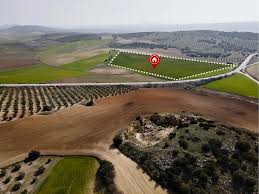
Introduction about M.Sc. Agricultural Extension
A Master of Science (M.Sc.) in Agricultural Extension is a postgraduate academic program that focuses on developing professionals with advanced knowledge and skills in the field of agricultural extension. Agricultural extension involves the transfer of agricultural research findings, innovations, and technology to farmers and rural communities to improve agricultural practices, enhance productivity, and promote sustainable development.
The M.Sc. program in Agricultural Extension typically covers a range of subjects, including agricultural communication, rural development, extension methodologies, technology transfer, farmer education, and program planning and evaluation. Students in this program gain a deep understanding of the socio-economic and cultural factors influencing agriculture, as well as the challenges faced by farmers in adopting new technologies and practices.
The curriculum often includes a combination of theoretical coursework, practical training, and research projects. Students may engage in fieldwork, internships, and outreach activities to gain hands-on experience in working with farmers and rural communities. The goal is to equip graduates with the knowledge and skills needed to effectively communicate agricultural information, facilitate technology adoption, and contribute to the overall development of the agricultural sector.
Upon completion of the M.Sc. in Agricultural Extension, graduates are prepared for careers in various roles such as agricultural extension officers, rural development specialists, agricultural educators, and consultants. They play a crucial role in bridging the gap between agricultural research and farmers, ensuring that the latest advancements and best practices are disseminated to improve agricultural productivity and livelihoods in rural areas.
How can I apply for admission to M.Sc. Agricultural Extension Program
Applying for admission to an M.Sc. in Agricultural Extension program typically involves a series of steps. The specific requirements and procedures may vary among universities, so it's essential to carefully check the admission guidelines provided by the institution you're interested in. However, here are some general steps you can follow:
Research Programs and Universities:
Identify universities that offer M.Sc. programs in Agricultural Extension. Consider factors such as program curriculum, faculty expertise, and research opportunities.
Review admission requirements, including academic prerequisites, entrance exams, and any specific documents needed for the application.
Meet Academic Requirements:
Ensure that you meet the academic qualifications required for admission. This usually includes a bachelor's degree in a relevant field such as agriculture, agricultural extension, or a related discipline.
Prepare Necessary Documents:
Collect all required documents, which may include:
Completed application form
Transcripts from your previous academic institutions
Letters of recommendation
Statement of purpose or personal statement
Resume or curriculum vitae (CV)
Proof of English language proficiency (if applicable, for international students)
Prepare for Entrance Exams:
Some universities may require you to take a standardized entrance exam. Check the specific requirements of the programs you are applying to and prepare accordingly.
Submit Application:
Complete the online or paper application form provided by the university. Pay attention to application deadlines, as late submissions may not be considered.
Pay Application Fee:
Pay the application fee, if applicable. Some universities charge a fee to process your application.
Letters of Recommendation:
Arrange for letters of recommendation from professors, employers, or other individuals who can speak to your academic and professional qualifications.
Statement of Purpose:
Write a compelling statement of purpose that outlines your academic and career goals, and explains why you are interested in pursuing an M.Sc. in Agricultural Extension.
Interview (if required):
Some programs may require an interview as part of the selection process. Prepare for potential interviews by reviewing your application and being ready to discuss your goals and qualifications.
Check Application Status:
After submitting your application, regularly check the application status. Some universities provide online portals where you can track the progress of your application.
What is the eligibility for M.Sc. Agricultural Extension
The eligibility criteria for an M.Sc. in Agricultural Extension program can vary among universities, so it's important to check the specific requirements of the institution where you plan to apply. However, here are common eligibility criteria that are often encountered:
Educational Qualifications:
A bachelor's degree in Agriculture, Agricultural Extension, Agronomy, Horticulture, or a related field is typically required.
The minimum required GPA or percentage may vary, so check the specific criteria set by the university.
Specialization:
Some programs may have specific prerequisites or preferences for candidates with a background in agricultural sciences or a related discipline.
Entrance Exams:
Certain universities may require candidates to take a relevant entrance exam. Scores from exams such as the GRE (Graduate Record Examination) or university-specific tests might be considered.
English Language Proficiency:
For international students, a proof of English language proficiency through tests like TOEFL (Test of English as a Foreign Language) or IELTS (International English Language Testing System) is often required.
Letters of Recommendation:
Some programs may require letters of recommendation from professors or professionals who can attest to your academic and research capabilities.
Statement of Purpose:
A well-written statement of purpose outlining your academic and career goals, as well as your interest in pursuing an M.Sc. in Agricultural Extension, is commonly required.
Work Experience (Optional):
While not always mandatory, some programs may prefer or require candidates with relevant work experience in agriculture or related fields.
Interview (if required):
Certain universities may conduct interviews as part of the selection process. Be prepared to discuss your academic background, research interests, and career goals.
How long does it takes to complete a M.Sc. Agricultural Extension program
The duration to complete an M.Sc. in Agricultural Extension program typically ranges from 1.5 to 2 years. The specific length of the program can vary based on several factors, including the structure of the curriculum, the university's academic calendar, and any additional requirements such as internships, research projects, or thesis work.
In many cases, the program is designed to be completed in two academic years, with each year consisting of two semesters. However, some universities may offer accelerated programs that can be completed in 1.5 years or extended programs that may take longer than 2 years, depending on the student's pace of study and any part-time or flexible scheduling options that the program may provide.
What are potential career opportunities after M.Sc. Agricultural Extension
Graduates with an M.Sc. in Agricultural Extension have a wide range of career opportunities in the agricultural and rural development sectors. Here are some potential career paths:
Agricultural Extension Officer:
Work with government agricultural departments or private organizations to implement extension programs, disseminate information, and provide technical support to farmers.
Rural Development Specialist:
Contribute to rural development initiatives by designing and implementing projects that aim to improve the socio-economic conditions of rural communities.
Agricultural Educator:
Work in educational institutions, agricultural training centers, or extension services to educate farmers, extension workers, and community members about the latest agricultural practices and technologies.
Researcher:
Engage in research projects related to agricultural extension, rural development, and sustainable agriculture. This may involve working with universities, research institutions, or agricultural organizations.
Consultant:
Provide consultancy services to government agencies, NGOs, or private companies on issues related to agricultural extension, rural development, and community engagement.
Project Manager:
Oversee and manage agricultural and rural development projects, ensuring their successful implementation and impact on target communities.
Community Development Officer:
Work with communities to identify their needs, develop strategies for improvement, and implement programs that enhance overall community well-being.
Entrepreneur in Agriculture:
Start your own agricultural business or consultancy, offering services such as farm management, agribusiness development, or agricultural marketing.
Policy Analyst:
Contribute to the development and evaluation of agricultural policies at local, national, or international levels, ensuring that they align with the needs of farmers and rural communities.
International Development Worker:
Collaborate with international organizations or NGOs to address global agricultural and rural development challenges, working in diverse cultural and geographical contexts.
Extension Coordinator:
Take on leadership roles within agricultural extension programs, coordinating activities, managing teams, and overseeing the implementation of extension services.
Agribusiness Manager:
Work in the private sector managing agribusinesses, ensuring efficient production, processing, and marketing of agricultural products.
Syllabus of M.Sc. Agricultural Extension
|
Semester |
Courses |
Practical Exposure |
|
1 |
Foundations of Agricultural Extension |
Field Visits and Case Studies |
|
1 |
Rural Development and Communication |
Community Engagement Projects |
|
1 |
Statistics and Research Methods |
Data Collection and Analysis |
|
2 |
Advanced Extension Methodologies |
Simulation Exercises |
|
2 |
Agribusiness Management |
Industry Visits and Workshops |
|
2 |
Crop and Livestock Management |
On-field Crop and Livestock Studies |
|
3 |
Research Design and Proposal Writing |
Proposal Development |
|
3 |
Extension Program Evaluation |
Evaluation Projects |
|
3 |
ICT in Agricultural Extension |
Technology Integration Projects |
|
4 |
Internship |
Practical Work Experience |
|
4 |
Project Work |
Independent Research Projects |
Internship opportunities after completing M.Sc. Agricultural Extension
After completing an M.Sc. in Agricultural Extension, graduates have various internship opportunities to gain practical experience and further enhance their skills. Here are some potential internship opportunities:
Government Agricultural Departments:
Intern with government agricultural agencies at the local, regional, or national levels. This could involve working on extension programs, rural development initiatives, or policy implementation.
Non-Governmental Organizations (NGOs):
Join NGOs that focus on agricultural and rural development. Internships with such organizations may involve community outreach, project implementation, and data collection.
International Development Organizations:
Intern with international organizations, such as the Food and Agriculture Organization (FAO) or the International Fund for Agricultural Development (IFAD), to contribute to global agricultural development projects.
Agribusinesses:
Gain experience by interning with agribusiness companies involved in crop production, livestock management, or food processing. This provides insights into the private sector's role in agriculture.
Research Institutions:
Intern with agricultural research institutions to contribute to ongoing research projects. This experience can be valuable for those interested in the intersection of research and extension services.
Extension Services Providers:
Collaborate with organizations that offer extension services to farmers. This could involve working on communication strategies, technology transfer, and organizing training programs.
Community Development Projects:
Participate in community development projects that focus on improving the livelihoods of rural communities. This may include projects related to education, healthcare, and infrastructure.
Cooperative Organizations:
Intern with agricultural cooperatives to understand their role in supporting farmers. This experience can provide insights into cooperative management and community-based agriculture.
Environmental Conservation Organizations:
Explore internships with organizations working on sustainable agriculture and environmental conservation. This may involve projects related to agroecology, organic farming, and biodiversity conservation.
Educational Institutions:
Collaborate with universities or agricultural colleges to gain experience in educational settings. This could involve assisting in teaching, curriculum development, or extension activities.
Seed Companies:
Intern with companies involved in seed production and distribution. This experience can provide insights into the seed industry and its impact on agricultural productivity.
ICT in Agriculture:
Explore internships with organizations utilizing Information and Communication Technology (ICT) in agriculture. This could involve working on projects related to digital extension services or farm management apps.
Scholorship and grants for M.Sc. Agricultural Extension
Scholarships and grants for M.Sc. in Agricultural Extension are often available to support students pursuing advanced degrees in agriculture. These financial assistance opportunities can come from various sources, including government agencies, private organizations, foundations, and educational institutions. Here are some potential avenues to explore:
Government Scholarships:
Check with government agricultural departments or ministries for scholarship programs available for students pursuing agricultural degrees. Many governments offer financial support to encourage the development of skilled professionals in agriculture.
University Scholarships:
Explore scholarship options provided by the university where you plan to pursue your M.Sc. program. Universities often have merit-based scholarships, need-based scholarships, and research assistantships for qualified students.
Private Foundations and Organizations:
Research private foundations and organizations that support agricultural education and research. Foundations such as the Gates Foundation, Rockefeller Foundation, and others may offer scholarships for students in the agricultural field.
International Organizations:
Some international organizations, such as the Food and Agriculture Organization (FAO) or the World Bank, may provide scholarships or grants for students pursuing studies in agricultural extension, particularly those from developing countries.
Professional Associations:
Explore scholarships offered by professional associations related to agriculture and extension services. These associations may provide financial support to students who demonstrate academic excellence and a commitment to the field.
Corporate Sponsorships:
Some agribusinesses and agricultural companies offer scholarships or sponsorships for students pursuing advanced degrees in agriculture. Check with companies in the agricultural sector for potential funding opportunities.
Non-Governmental Organizations (NGOs):
NGOs focused on agriculture and rural development may offer scholarships or grants to support students in pursuing studies that align with their organizational goals.
Research Grants:
Look for research grants that support specific areas of agricultural extension. Some organizations provide grants to students conducting research in areas such as sustainable agriculture, technology adoption, or rural development.
International Scholarships:
Explore scholarship programs offered by international organizations and agencies. Programs like the Fulbright Scholarship, Commonwealth Scholarship, or Chevening Scholarship may support students pursuing agricultural studies.
Regional Programs:
Check for scholarship programs specific to your region. Regional agricultural organizations or development banks may offer financial assistance to students from their respective areas.
Conclusion
Embarking on an M.Sc. Agricultural Extension journey opens doors to diverse career opportunities in agriculture. From fostering sustainable practices to contributing to rural development, this comprehensive guide sheds light on the program's nuances, potential career paths, and avenues for financial support through scholarships. Prepare to make a meaningful impact on the future of agriculture.
FAQs M.Sc. Agricultural Extension
Q1: What is M.Sc. Agricultural Extension?
A1: M.Sc. Agricultural Extension is a postgraduate program focusing on developing professionals with advanced knowledge in disseminating agricultural research findings, promoting sustainable practices, and enhancing rural development.
Q2: What are the career opportunities after completing M.Sc. Agricultural Extension?
A2: Graduates can pursue careers as Agricultural Extension Officers, Rural Development Specialists, Agricultural Educators, Researchers, Consultants, and more.
Q3: How long does it take to complete an M.Sc. in Agricultural Extension?
A3: The program typically takes 1.5 to 2 years to complete, depending on the university and specific curriculum.
Q4: Are there scholarships available for M.Sc. Agricultural Extension students?
A4: Yes, there are various scholarships and grants offered by government agencies, universities, foundations, and agricultural organizations to support students in their M.Sc. studies.
Q5: What subjects are covered in the M.Sc. Agricultural Extension program?
A5: Subjects may include Principles of Agricultural Extension, Research Methods, Rural Sociology, Communication Skills, Extension Program Planning, and specialized courses in areas such as agribusiness and environmental sustainability.
How Shiksha Hub helps you in
-
 Student Counsellors
 -
 Career Counseling
 -
 Research
 -
 24/7 Support
 -
 Scholarships
 -
 Community