Posted by Admin on 13-07-2023 in Shiksha hub
M.Sc. Agriculture Soil Science, Introduction, Admission, Registration, Eligibility, Duration, Fees, Syllabus 2024
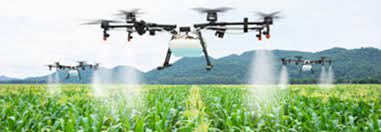
Introduction about M.Sc. Agriculture Soil Science
Welcome to the dynamic and crucial field of M.Sc. Agriculture Soil Science, where the secrets of the Earth beneath our feet are unraveled. This advanced program delves into the intricate science of soil, exploring its composition, structure, fertility, and the vital role it plays in sustaining life on our planet.
Introduction: M.Sc. Agriculture Soil Science is a specialized master's program designed for those passionate about understanding the complexities of soil and its impact on agriculture, environmental sustainability, and ecosystem health. As a discipline, soil science encompasses a diverse range of topics, from soil chemistry and physics to microbiology and fertility management.
Key Areas of Study:
Soil Chemistry: Explore the chemical composition of soils, investigating nutrient cycles, reactions, and the influence of soil chemistry on plant growth.
Soil Physics: Delve into the physical properties of soil, including its structure, texture, and water dynamics, to comprehend how these factors affect plant root development and overall soil health.
Soil Microbiology: Study the unseen world beneath our feet, examining the microbial life in soil, including bacteria, fungi, and other microorganisms, and their crucial roles in nutrient cycling and soil ecosystem functioning.
Soil Fertility Management: Learn to optimize soil fertility through the application of fertilizers, organic matter, and sustainable agricultural practices, ensuring enhanced crop productivity.
Soil Conservation: Understand techniques for preventing soil erosion, improving soil structure, and promoting sustainable land management practices to preserve this invaluable natural resource.
Career Opportunities: Graduates of M.Sc. Agriculture Soil Science programs find themselves well-equipped for diverse career paths. Whether working in research, environmental consulting, agriculture extension services, or governmental agencies, these professionals play a vital role in advancing sustainable agricultural practices and environmental stewardship.
How can I apply for admission to M.Sc. Agriculture Soil Science Program
To apply for admission to an M.Sc. Agriculture Soil Science program, you typically need to follow a set of steps. Below is a general guide that you can adapt based on the specific requirements of the program or institution you are interested in:
Research Programs:
Explore universities and institutions that offer M.Sc. Agriculture Soil Science programs. Look for institutions known for their strong agriculture or soil science departments.
Check Admission Requirements:
Review the admission requirements for the M.Sc. Agriculture Soil Science program. This may include educational qualifications, relevant undergraduate degrees, and any specific prerequisites.
Educational Background:
Ensure that you meet the educational prerequisites for the program. M.Sc. Agriculture Soil Science programs typically require a relevant bachelor's degree in agriculture, soil science, environmental science, or a related field.
Understand Additional Requirements:
Some programs may have additional requirements, such as standardized test scores (e.g., GRE), letters of recommendation, a statement of purpose, or a resume. Familiarize yourself with these requirements and prepare the necessary documents.
Prepare Transcripts:
Request official transcripts from all the educational institutions you have attended. These transcripts should demonstrate your academic background and achievements.
Prepare Standardized Test Scores (if required):
If the program requires standardized test scores (e.g., GRE), register for the exam and ensure that the scores are sent to the institutions where you plan to apply.
Letters of Recommendation:
Request letters of recommendation from professors, employers, or professionals who can speak to your academic and professional qualifications. Ensure that they are submitted by the specified deadline.
Statement of Purpose:
Write a compelling statement of purpose that outlines your academic and career goals, your interest in the M.Sc. Agriculture Soil Science program, and why you are a suitable candidate.
Resume/CV:
Prepare a current resume or curriculum vitae that highlights your educational background, relevant work experience, research projects, and any publications or presentations.
Submit Application:
Complete the online application form provided by the institution. Ensure that all required documents, including transcripts, standardized test scores, letters of recommendation, and your statement of purpose, are submitted on time.
Application Fee:
Pay the application fee as required by the institution. Some institutions may offer fee waivers or reductions under certain circumstances.
Interview (if required):
Some programs may require an interview as part of the admission process. Prepare for potential interviews by reviewing common questions related to your interest in M.Sc. Agriculture Soil Science and your career goals.
Check for Financial Aid and Scholarships:
Explore financial aid options and scholarships offered by the institution or external organizations to support your education.
Admission Decision:
Await the admission decision from the institution. Once accepted, follow the instructions provided for enrollment and registration.
What is the eligibility for M.Sc. Agriculture Soil Science
Eligibility criteria for M.Sc. Agriculture Soil Science can vary between universities and institutions. However, here is a general outline of common eligibility requirements:
Educational Background:
Applicants typically need a relevant bachelor's degree in agriculture, soil science, environmental science, agronomy, or a closely related field. The degree should be from a recognized university or educational institution.
Minimum GPA or Percentage:
Many institutions specify a minimum grade point average (GPA) or percentage in the qualifying degree. This requirement can vary, but competitive programs often seek candidates with a strong academic background.
Prerequisite Courses:
Some programs may have prerequisite courses that applicants need to have completed during their undergraduate studies. These courses might include subjects related to soil science, chemistry, biology, or agriculture.
Standardized Test Scores (if required):
Some universities may require applicants to submit scores from standardized tests such as the Graduate Record Examination (GRE) or equivalent. Check the specific requirements of the program to determine if this is necessary.
Letters of Recommendation:
Applicants are typically required to submit letters of recommendation from professors or professionals who can attest to their academic abilities and suitability for the program.
Statement of Purpose:
A well-written statement of purpose is often required. This document should outline the applicant's academic and research interests, career goals, and why they are interested in pursuing M.Sc. Agriculture Soil Science.
Research Experience (if applicable):
Some programs may prefer or require applicants to have research experience, especially if the M.Sc. program has a strong research component. This could include involvement in research projects, publications, or presentations.
Work Experience (if applicable):
While work experience is not always a prerequisite, some programs may value applicants with relevant professional experience in agriculture, soil science, or a related field.
English Language Proficiency:
For international applicants from non-English-speaking countries, proof of English language proficiency is often required. This can be demonstrated through standardized tests like the TOEFL or IELTS.
Interview (if required):
Some institutions may conduct interviews as part of the admission process. This allows the admissions committee to assess the applicant's suitability for the program and discuss their academic and career aspirations.
How long does it takes to complete a M.Sc. Agriculture Soil Science program
The duration of an M.Sc. Agriculture Soil Science program typically ranges from 1 to 2 years, depending on the structure of the program and the policies of the educational institution offering it. Here are some general considerations:
One-Year Programs:
Some universities offer accelerated M.Sc. programs that can be completed in one year. These programs often have an intensive curriculum, and students may need to meet certain prerequisites or have a strong background in the field.
Two-Year Programs:
The standard duration for many M.Sc. Agriculture Soil Science programs is two years. These programs provide a more comprehensive and in-depth exploration of soil science, allowing students to engage in research projects, internships, or specializations within the field.
Part-Time or Flexible Programs:
In some cases, institutions offer part-time or flexible study options that allow students to complete the M.Sc. program over a more extended period. This option is suitable for individuals who are working or have other commitments.
Research Components:
Programs with a significant research component, such as a thesis or dissertation requirement, may take longer to complete. Research-intensive programs often extend the duration to provide students with sufficient time to conduct their research and complete their projects.
Internship or Practical Training:
Programs that incorporate internships, practical training, or industry placements may have a duration that includes these hands-on experiences. The inclusion of practical components can contribute to a more comprehensive learning experience.
Specializations or Concentrations:
Programs that offer specializations or concentrations within Agriculture Soil Science may have different duration requirements. Specialized tracks may involve additional coursework, extending the overall program length.
What are potential career opportunities after M.Sc. Agriculture Soil Science
Graduates with an M.Sc. in Agriculture Soil Science have a diverse range of career opportunities in fields related to agriculture, environmental science, research, and more. Here are some potential career paths for individuals with an M.Sc. in Agriculture Soil Science:
Soil Scientist:
Work as a soil scientist conducting research and investigations to understand soil properties, fertility, and composition. Soil scientists often provide recommendations for sustainable land use and crop management practices.
Agricultural Consultant:
Provide expert advice to farmers and agricultural businesses on optimizing soil health, crop productivity, and sustainable farming practices. Consultants may offer guidance on soil amendments, irrigation, and pest management.
Environmental Consultant:
Address environmental issues related to soil quality and contamination. Environmental consultants assess the impact of human activities on soil ecosystems and recommend strategies for remediation and conservation.
Research Scientist:
Engage in research projects within academic institutions, government agencies, or private research organizations. Research scientists contribute to advancing knowledge in soil science, sustainable agriculture, and environmental conservation.
Crop Scientist or Agronomist:
Focus on improving crop production by studying the interaction between crops and soil. Agronomists develop strategies to enhance plant growth, optimize nutrient utilization, and mitigate the impact of soil-related challenges.
Land Use Planner:
Collaborate with urban planners and policymakers to make informed decisions about land use and development. Land use planners consider soil characteristics to ensure sustainable and environmentally responsible development.
Government Positions:
Work for government agencies at the local, state, or national level. Positions may include roles in agriculture departments, environmental protection agencies, or natural resource management, where soil scientists contribute to policy development and implementation.
Conservation Scientist:
Focus on preserving natural resources, including soil, through the development and implementation of conservation programs. Conservation scientists work to prevent soil erosion, protect biodiversity, and promote sustainable land management.
Educator or Extension Officer:
Teach soil science at educational institutions or work as an extension officer, educating farmers and communities about best practices in soil management, conservation, and sustainable agriculture.
Private Industry Roles:
Join private companies in roles such as quality assurance, product development, or technical support. Industries related to agriculture, agribusiness, and environmental services value professionals with expertise in soil science.
Waste Management Specialist:
Address issues related to soil contamination and waste disposal. Specialists in waste management work on solutions to minimize the environmental impact of waste on soil and water resources.
International Development Consultant:
Contribute to international development projects focused on sustainable agriculture, soil conservation, and food security. Consultants may work with organizations like the United Nations, NGOs, or international agricultural agencies.
Syllabus of M.Sc. Agriculture Soil Science
Semester 1: Fundamentals of Soil Science and Agricultural Practices
|
Course Title |
Credits |
Topics Covered |
|
Soil Chemistry |
3 |
Chemical composition of soils, nutrient cycles |
|
Soil Physics |
3 |
Physical properties of soils, water dynamics |
|
Soil Microbiology |
3 |
Microbial life in soils, microbial processes |
|
Crop Science |
3 |
Principles of crop growth, physiology, and management |
|
Research Methods in Agriculture |
3 |
Introduction to research methodologies in agriculture |
Semester 2: Advanced Soil Science and Soil Conservation
|
Course Title |
Credits |
Topics Covered |
|
Advanced Soil Chemistry |
3 |
Soil acidity, alkalinity, nutrient availability |
|
Soil Fertility and Nutrient Management |
3 |
Nutrient requirements, fertilization strategies |
|
Soil Conservation and Erosion Control |
3 |
Techniques for soil conservation and erosion control |
|
Agroecology |
3 |
Ecological principles in agriculture, sustainable practices |
|
Statistical Methods in Agriculture |
3 |
Application of statistical tools in agricultural research |
Semester 3: Specializations and Electives
|
Course Title |
Credits |
Topics Covered |
|
Soil-Plant-Water Relations |
3 |
Understanding the interactions between soil, plants, and water |
|
Environmental Soil Science |
3 |
Impact of human activities on soil and environmental issues |
|
GIS Applications in Soil Science |
3 |
Geographical Information Systems in soil research and mapping |
|
Elective 1 |
3 |
Specialized topics based on student interest and program focus |
Semester 4: Research Project and Thesis
|
Course Title |
Credits |
Topics Covered |
|
Thesis Research |
6 |
Independent research project in Agriculture Soil Science |
|
Seminar Series |
3 |
Presentation and discussion of ongoing research projects |
|
Professional Development |
3 |
Preparation for careers in academia, industry, or research |
Internship opportunities after completing M.Sc. Agriculture Soil Science
Upon completing an M.Sc. in Agriculture Soil Science, individuals have various internship opportunities to gain practical experience and further enhance their skills in the field. Here are some potential internship options:
Agricultural Research Institutions:
Interning with agricultural research institutions allows individuals to contribute to ongoing research projects related to soil science. This could involve field studies, data collection, and analysis.
Government Agricultural Agencies:
Government agencies at the local, state, or national level often offer internships in agricultural departments. Interns may be involved in soil quality assessment, environmental conservation projects, or policy development.
Private Agricultural Companies:
Companies specializing in agricultural products, fertilizers, or soil amendments may offer internships. Interns can gain hands-on experience in product development, quality control, and field trials.
Environmental Consulting Firms:
Internships with environmental consulting firms provide exposure to real-world applications of soil science in environmental impact assessments, site remediation, and conservation projects.
Agribusiness and Farming Operations:
Interning with agribusiness companies or large farming operations allows individuals to apply soil science knowledge in the context of commercial agriculture. This could include optimizing soil fertility, irrigation management, and crop planning.
Nonprofit Organizations:
Nonprofit organizations focused on sustainable agriculture, environmental conservation, or community development may have internship opportunities. Interns may work on projects related to soil health, organic farming, or community education.
Soil Testing Laboratories:
Interning with soil testing laboratories provides practical experience in analyzing soil samples, interpreting test results, and making recommendations for soil management.
Educational Institutions:
Collaborating with universities or agricultural colleges on research projects or educational initiatives allows interns to work alongside professors and researchers in advancing soil science knowledge.
Watershed Management Organizations:
Internships with organizations focused on watershed management and conservation provide opportunities to assess the impact of soil practices on water quality and ecosystems.
International Agricultural Projects:
Participating in international agricultural projects, especially those related to sustainable farming practices, can provide a global perspective on soil science and its applications.
Seed and Crop Protection Companies:
Internships with companies specializing in seeds and crop protection allow individuals to explore the relationship between soil health and plant genetics, as well as the development of products that promote sustainable agriculture.
Government Environmental Protection Agencies:
Agencies responsible for environmental protection may offer internships focusing on soil conservation, erosion control, and the implementation of policies related to sustainable land use.
Scholorship and grants for M.Sc. Agriculture Soil Science
Finding scholarships and grants for M.Sc. Agriculture Soil Science can greatly alleviate the financial burden of pursuing advanced studies. Here are potential avenues to explore:
University Scholarships:
Many universities offer merit-based scholarships for exceptional students entering M.Sc. programs. Check with the specific university or department offering the Agriculture Soil Science program for available opportunities.
Government Scholarships:
Government agencies at the local, state, or national level may provide scholarships or grants for students pursuing studies in agriculture and environmental sciences. Research government scholarship programs in your country.
Research Grants:
Explore research grants offered by agricultural research institutions, foundations, or government agencies. These grants may support students engaged in research projects relevant to soil science.
Industry Associations and Organizations:
Agricultural and environmental industry associations often provide scholarships to support students pursuing degrees in related fields. Examples include the Soil Science Society of America (SSSA) or the American Society of Agronomy (ASA).
Nonprofit Organizations:
Nonprofit organizations dedicated to sustainable agriculture, environmental conservation, or soil health may offer scholarships or grants. Look for organizations aligned with your academic and career interests.
Corporate Sponsorships:
Agricultural and environmental companies may have sponsorship programs or scholarships for students pursuing M.Sc. Agriculture Soil Science. Explore opportunities with companies involved in agribusiness, soil amendments, or environmental consulting.
International Scholarships:
If you are an international student, investigate scholarship programs offered by governments, organizations, or foundations in your home country or host country.
Fellowship Programs:
Fellowship programs, often provided by academic institutions or research organizations, may include financial support, tuition waivers, or stipends for students pursuing advanced degrees in soil science.
Professional Societies:
Professional societies related to agriculture, soil science, or environmental sciences may have scholarship programs for students. Check with organizations like the International Union of Soil Sciences (IUSS) or regional soil science societies.
Online Scholarship Databases:
Utilize online scholarship search platforms to find opportunities tailored to your field of study. Websites such as Fastweb, Chegg, or Scholarship.com allow you to search for scholarships based on specific criteria.
Employer Sponsorship:
If you are currently employed or plan to work part-time while pursuing your M.Sc., inquire with your employer about potential sponsorship or tuition reimbursement programs.
Educational Loans and Financial Aid:
Explore financial aid options, including educational loans and grants provided by government agencies or financial institutions to support your education.
Conclusion
Embark on a transformative journey into the heart of agriculture with our guide to M.Sc. Agriculture Soil Science. From unraveling the mysteries of soil composition to exploring its pivotal role in sustainable practices, this comprehensive resource is your key to mastering the science beneath our feet. Whether you're considering a career in research, consulting, or environmental sustainability, discover the boundless opportunities that await in the dynamic field of Agriculture Soil Science.
FAQ M.Sc. Agriculture Soil Science
Q1: What is Agriculture Soil Science?
A1: Agriculture Soil Science is a specialized field that studies the composition, health, and fertility of soil, exploring its impact on crop production, environmental sustainability, and ecosystem health.
Q2: Why pursue an M.Sc. in Agriculture Soil Science?
A2: An M.Sc. in Agriculture Soil Science equips individuals with advanced knowledge to address global challenges in agriculture, from optimizing crop yields to promoting sustainable land management practices.
Q3: What career opportunities are available with a degree in Soil Science?
A3: Graduates can pursue careers as soil scientists, agricultural consultants, environmental analysts, researchers, or educators, contributing to sustainable agriculture and environmental conservation.
Q4: How does Soil Science contribute to environmental sustainability?
A4: Soil Science plays a crucial role in sustainable agriculture by promoting practices that conserve soil health, reduce environmental impact, and ensure long-term food security.
Q5: What research opportunities are available in Agriculture Soil Science?
A5: Research in Soil Science spans soil chemistry, physics, microbiology, and environmental impact, providing opportunities to explore innovative solutions for sustainable agriculture and land management.
How Shiksha Hub helps you in
-
 Student Counsellors
 -
 Career Counseling
 -
 Research
 -
 24/7 Support
 -
 Scholarships
 -
 Community