Posted by Admin on 13-07-2023 in Shiksha hub
M.Sc. Agronomy, Introduction, Admission, Registration, Eligibility, Duration, Fees, Syllabus 2024
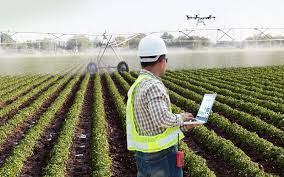
Introduction about M.Sc. Agronomy
A Master of Science (M.Sc.) in Agronomy is a postgraduate academic program that focuses on advanced studies in the field of agronomy, a branch of agricultural science that deals with the principles and practices of crop production and soil management. This program is designed to provide students with a comprehensive understanding of various aspects related to crop cultivation, soil fertility, pest management, and sustainable agricultural practices.
Agronomy encompasses a broad range of topics, including plant genetics, crop physiology, soil science, agroecology, and precision farming. Students pursuing an M.Sc. in Agronomy typically engage in both theoretical and practical coursework, gaining insights into the latest advancements in agricultural technology, crop breeding techniques, and environmentally friendly farming practices.
The curriculum often includes subjects such as crop management, crop protection, soil conservation, irrigation management, and agricultural research methodologies. Students may also have the opportunity to specialize in specific areas within agronomy, tailoring their studies to match their career interests and goals.
Practical training, fieldwork, and research projects are integral components of M.Sc. Agronomy programs, allowing students to apply theoretical knowledge to real-world agricultural scenarios. This hands-on experience equips graduates with the skills needed to address contemporary challenges in agriculture, such as optimizing crop yields, ensuring food security, and promoting sustainable farming practices.
Upon completion of an M.Sc. in Agronomy, graduates are well-prepared for various career paths in agriculture, research institutions, government agencies, and the private sector. Job opportunities may include roles in crop consulting, farm management, agricultural extension, research and development, and environmental conservation. Additionally, the program lays a solid foundation for those interested in pursuing further academic research or doctoral studies in agronomy or related fields.
How can I apply for admission to M.Sc. Agronomy Program
The process for applying to an M.Sc. Agronomy program may vary depending on the specific university or institution offering the program. However, here are general steps you can follow:
Research Programs and Universities: Start by researching universities or institutions that offer M.Sc. Agronomy programs. Look for institutions with a strong reputation in agricultural sciences and agronomy. Check program details, faculty profiles, and admission requirements.
Meet Admission Requirements: Ensure that you meet the admission requirements set by the university. Typical requirements may include a relevant bachelor's degree (e.g., in agronomy, agriculture, biology, or a related field), a certain minimum GPA, and possibly relevant work experience.
Prepare Required Documents: Gather all necessary documents for the application. This may include:
Completed application form
Academic transcripts from your undergraduate studies
Letters of recommendation
Statement of purpose outlining your academic and career goals
Curriculum Vitae (CV) or resume
Proof of English proficiency (if applicable, for non-native English speakers)
Any additional documents specified by the university
Take Standardized Tests: Some universities may require you to take standardized tests such as the GRE (Graduate Record Examination) or other specific tests related to agricultural sciences. Check the admission requirements of each institution to see if any tests are mandatory.
Submit Online Application: Complete the online application form provided by the university or institution. Pay attention to deadlines and submit all required documents through the specified application portal. Some universities may have an online application system, while others may require you to send documents by mail.
Pay Application Fees: Pay any application fees required by the university. The fee amount and payment method will be specified in the application guidelines.
Wait for Admission Decision: Once you have submitted your application, wait for the admission committee to review your materials. This process may take several weeks, so be patient. Some universities may conduct interviews as part of the selection process.
Acceptance and Enrollment: If you receive an offer of admission, carefully review the details of the offer, including any conditions you must meet. Follow the instructions for accepting the offer and proceed with the enrollment process, which may involve submitting additional documentation and paying tuition fees.
What is the eligibility for M.Sc. Agronomy
Eligibility criteria for M.Sc. Agronomy programs may vary among universities, and it's essential to check the specific requirements of the institution you are interested in. However, here are some common eligibility criteria that you might encounter:
Educational Background:
A bachelor's degree in a relevant field is typically required. This could include degrees in Agronomy, Agriculture, Biology, Botany, or a related discipline.
The undergraduate degree should be from a recognized university or institution.
Minimum GPA:
Many universities require a minimum grade point average (GPA) in your undergraduate studies. The specific GPA requirement can vary, but it is usually expressed on a 4.0 scale.
Standardized Tests:
Some universities may require standardized test scores, such as the GRE (Graduate Record Examination) or other tests related to agricultural sciences. Check the admission requirements of each institution to see if any standardized tests are mandatory.
Language Proficiency:
For international students or non-native English speakers, proof of English language proficiency may be required. This can be demonstrated through standardized tests like the TOEFL (Test of English as a Foreign Language) or IELTS (International English Language Testing System).
Letters of Recommendation:
Many M.Sc. programs, including those in Agronomy, may require letters of recommendation from academic or professional references. Check the specific requirements for the number of recommendations and who is eligible to provide them.
Statement of Purpose:
A statement of purpose (SOP) outlining your academic and career goals, as well as your reasons for pursuing an M.Sc. in Agronomy, is often required. This document helps the admissions committee understand your motivations and aspirations.
Work Experience (if applicable):
Some programs may prefer or require applicants to have relevant work experience in the field of agronomy or a related area. This could be specified in the eligibility criteria.
How long does it takes to complete a M.Sc. Agronomy program
The duration of an M.Sc. Agronomy program can vary depending on the university and the specific structure of the program. However, on average, M.Sc. Agronomy programs typically take about two years to complete.
Here's a breakdown of the general timeline:
Coursework: The first year of the program is often dedicated to coursework, where students take classes covering various aspects of agronomy, crop science, soil management, and related subjects. This phase usually lasts for two semesters.
Research or Thesis Work: The second year is commonly focused on research or thesis work. During this period, students conduct independent research under the guidance of a faculty advisor. They may explore a specific aspect of agronomy in depth and contribute to the existing body of knowledge in the field.
Thesis Defense: Toward the end of the program, students typically present and defend their research findings in front of a faculty committee. Successful completion of the thesis defense is often a requirement for graduation.
It's important to note that the structure and duration of M.Sc. Agronomy programs can vary between universities. Some programs may offer options for accelerated study or part-time enrollment, which could impact the overall duration. Additionally, if a student pursues the program on a part-time basis, the completion time may be extended.
What are potential career opportunities after M.Sc. Agronomy
After completing an M.Sc. in Agronomy, graduates have a range of potential career opportunities in various sectors related to agriculture, research, and environmental management. Some of the potential career paths include:
Agronomist:
Work as an agronomist, providing expertise on crop production, soil management, and sustainable farming practices. Agronomists may work for agricultural companies, government agencies, or as consultants to help farmers optimize their yields.
Research Scientist:
Engage in research and development as a scientist, contributing to advancements in agronomy, crop genetics, or sustainable agriculture. This can be in academic institutions, research organizations, or private companies.
Crop Consultant:
Provide specialized advice to farmers on crop selection, pest management, and soil health. Crop consultants often work independently or for agricultural consulting firms.
Farm Manager:
Manage day-to-day operations on a farm, overseeing planting, harvesting, and other activities. M.Sc. Agronomy graduates may be well-equipped to implement sustainable and efficient farming practices.
Environmental Consultant:
Focus on environmental management by assessing and advising on sustainable agricultural practices, soil conservation, and biodiversity conservation. This role may involve working with government agencies or environmental consulting firms.
Seed Technologist:
Work in the development and improvement of crop varieties, ensuring better yields, disease resistance, and overall crop performance. This role may be with seed companies or research institutions.
Extension Officer:
Work with government agencies or non-profit organizations to educate farmers on the latest agricultural practices, technologies, and policies. Extension officers play a crucial role in disseminating information to the farming community.
Agribusiness Manager:
Manage agricultural businesses, which could include roles in agrochemical companies, seed companies, or companies involved in the production and distribution of agricultural products.
Food and Agriculture Policy Analyst:
Analyze and contribute to the development of agricultural policies at the government or organizational level. This role may involve working with government agencies, NGOs, or research institutions.
Educator or Lecturer:
Teach agronomy or related subjects at the high school or college level. M.Sc. Agronomy graduates with a passion for education may pursue careers as educators, helping to shape the next generation of agricultural professionals.
Syllabus of M.Sc. Agronomy
Semester 1:
Agricultural Statistics and Computer Application:
Descriptive Statistics
Inferential Statistics
Use of statistical software in agronomy
Principles of Crop Physiology:
Crop growth and development
Photosynthesis and respiration
Environmental factors affecting crop physiology
Soil Science and Management:
Soil formation and classification
Soil fertility and nutrient management
Soil conservation techniques
Principles of Agronomy:
Crop production practices
Crop rotation and cropping systems
Precision farming
Communication Skills in English:
Writing reports and research papers
Effective communication in the field of agronomy
Semester 2:
Crop Ecology:
Agro-ecosystem analysis
Biotic and abiotic factors affecting crops
Ecological approaches to crop management
Weed Science:
Weed identification and classification
Herbicides and weed control strategies
Integrated weed management
Research Methodology and Experimental Design:
Designing experiments in agronomy
Data collection and analysis
Interpretation of research results
Agricultural Economics:
Economic principles in agriculture
Farm management and planning
Agricultural policy and planning
Seminar:
Presentation and discussion of current topics in agronomy
Critical analysis of research articles
Semester 3:
Crop Production Technology:
Advanced crop management practices
Crop modeling and simulation
Sustainable agriculture practices
Disease and Pest Management:
Plant pathology
Entomology
Integrated pest management
Crop Improvement:
Principles of plant breeding
Biotechnology in crop improvement
Seed technology
Precision Farming and Remote Sensing:
Use of technology in agronomy
GIS and GPS applications in agriculture
Remote sensing for crop monitoring
Semester 4:
Dissertation/Thesis:
Independent research project under the guidance of a faculty advisor
Thesis writing and defense
Professional Development:
Career planning and development
Ethics in agronomy research and practice
Field Visits and Practical Training:
Hands-on experience in the field
Exposure to new technologies and practices
Internship opportunities after completing M.Sc. Agronomy
After completing an M.Sc. in Agronomy, you may have several internship opportunities to further enhance your skills and gain practical experience in the field of agronomy. Here are some potential internship options:
Research Institutions:
Many agricultural research institutions and universities offer internships for M.Sc. Agronomy graduates. These internships often involve working on research projects, conducting field trials, and analyzing data.
Agribusiness Companies:
Companies involved in agribusiness, such as seed companies, fertilizer manufacturers, and agricultural technology firms, often have internship programs. These internships may involve tasks related to product development, field testing, or sales and marketing.
Government Agencies:
Government agricultural departments and agencies may offer internships in areas such as agricultural extension, crop management, and sustainable farming practices. These opportunities can provide valuable insights into government policies and their impact on agriculture.
Farm Management:
Interning on a farm or with a farm management organization can provide hands-on experience in crop planning, cultivation techniques, and farm operations. This can be especially beneficial if you are interested in pursuing a career in farm management.
Environmental Organizations:
Organizations focused on sustainable agriculture and environmental conservation may have internships that align with the principles of agronomy. These opportunities could involve working on projects related to soil conservation, water management, and organic farming.
International Agricultural Organizations:
Some organizations, such as the Food and Agriculture Organization (FAO) of the United Nations or non-governmental organizations (NGOs) working on global agricultural issues, may offer internships with an international focus.
Crop Consulting Firms:
Companies that provide crop consulting services often seek agronomy interns to assist farmers in optimizing their crop production. This can involve field visits, data analysis, and providing recommendations for crop management.
Precision Agriculture Companies:
With the increasing use of technology in agriculture, precision agriculture companies may offer internships focusing on the use of drones, sensors, and data analytics for optimizing crop production.
Scholorship and grants for M.Sc. Agronomy
Securing scholarships and grants can significantly alleviate the financial burden of pursuing an M.Sc. in Agronomy. Here are some avenues you can explore:
University Scholarships:
Many universities offer scholarships for postgraduate students based on academic merit, leadership qualities, or specific achievements. Check with the agriculture department of the university where you plan to pursue your M.Sc. for information on available scholarships.
Government Scholarships:
Government agencies often provide scholarships for students pursuing higher education in agriculture-related fields. Explore scholarship programs offered by agriculture or education ministries at the national or regional level.
International Scholarships:
Some organizations and governments offer scholarships specifically for international students. Examples include the Fulbright Program, Chevening Scholarships, and scholarships from international foundations dedicated to supporting education.
Industry Sponsorships:
Agricultural companies, especially those involved in agribusiness, may offer sponsorships or scholarships to students pursuing studies in agronomy. These companies may have a vested interest in supporting the education and development of future professionals in the field.
Research Grants:
Look for research grants offered by government agencies, non-profit organizations, and private foundations. These grants may be tied to specific research projects or areas of study within agronomy.
Professional Associations:
Agricultural and agronomy-related professional associations may have scholarship programs for students. Examples include the Crop Science Society of America, American Society of Agronomy, or similar organizations in your country.
Nonprofit Organizations:
Some nonprofit organizations focus on supporting education in agriculture. Explore opportunities with organizations that align with your interests and career goals.
Online Scholarship Platforms:
Utilize online scholarship platforms to search for opportunities in agriculture and agronomy. Websites like Scholarship.com, Fastweb, and Chegg can help you find scholarships that match your profile.
Employer Sponsorship:
If you are currently working in the agricultural sector, inquire with your employer about potential sponsorship or financial support for your M.Sc. studies. Some companies have programs in place to encourage employees to pursue higher education.
Philanthropic Foundations:
Investigate philanthropic foundations that support education in agriculture. Some foundations focus on providing financial assistance to students pursuing degrees in specific fields, including agronomy.
Conclusion
Embark on a transformative journey with M.Sc. Agronomy, where you'll delve into the intricacies of sustainable agriculture, crop science, and cutting-edge technologies. This comprehensive guide has equipped you with insights into potential career paths, available scholarships, and the diverse areas of study within agronomy. Seize the opportunities that await in this dynamic field and contribute to the future of global agriculture.
FAQ M.Sc. Agronomy
Q1: What is M.Sc. Agronomy?
A1: M.Sc. Agronomy is a postgraduate program that focuses on advanced studies in crop production, soil management, and sustainable agricultural practices.
Q2: What career paths are available after completing M.Sc. Agronomy?
A2: Graduates can pursue careers in farm management, research institutions, agribusiness, environmental organizations, and more.
Q3: Are there scholarships available for M.Sc. Agronomy students?
A3: Yes, various scholarships are offered by universities, government agencies, and industry sponsors to support M.Sc. Agronomy students.
Q4: What are the key areas covered in M.Sc. Agronomy programs?
A4: M.Sc. Agronomy programs typically cover topics such as crop science, soil management, precision agriculture, and sustainable farming practices.
Q5: Can I specialize in a specific aspect of agronomy during my M.Sc. studies?
A5: Yes, many programs offer specializations, allowing students to focus on areas like crop management, soil conservation, or precision agriculture.
How Shiksha Hub helps you in
-
 Student Counsellors
 -
 Career Counseling
 -
 Research
 -
 24/7 Support
 -
 Scholarships
 -
 Community