Posted by Admin on 13-07-2023 in Shiksha hub
M.Sc. Hons Agriculture, Introduction, Admission, Registration, Eligibility, Duration, Fees, Syllabus 2024
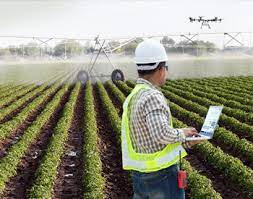
Introduction about M.Sc. Hons Agriculture
A Master of Science (M.Sc.) in Agriculture with Honors (Hons) is an advanced academic program that provides in-depth knowledge and expertise in various aspects of agriculture. This program is designed for individuals who wish to pursue advanced studies in agriculture, emphasizing research, technology, and sustainable practices. The "Hons" designation often signifies a program with an enhanced focus on research and scholarly pursuits. Here is an introduction to M.Sc. Hons in Agriculture:
Program Highlights:
Research Focus: The Hons designation underscores the program's emphasis on research. Students engage in extensive research projects, exploring innovative solutions to contemporary challenges in agriculture.
Multidisciplinary Approach: M.Sc. Hons Agriculture programs typically adopt a multidisciplinary approach, covering fields such as agronomy, plant pathology, soil science, agricultural economics, and sustainable agriculture.
Advanced Technology Integration: Students delve into the application of advanced technologies in agriculture, including precision farming, biotechnology, and data analytics. This prepares graduates to navigate the evolving landscape of modern agricultural practices.
Sustainable Agriculture: With a growing global emphasis on sustainability, the program often includes a focus on environmentally friendly and resource-efficient agricultural methods. This equips graduates to address pressing issues related to climate change and food security.
Industry Collaboration: Many M.Sc. Hons Agriculture programs foster collaboration with industry partners, allowing students to gain practical insights through internships, fieldwork, and exposure to real-world agricultural challenges.
Career Opportunities: Graduates are well-positioned for diverse career opportunities, including roles in research institutions, agricultural extension services, agribusiness, government agencies, and international development organizations.
Admission Requirements:
Admission to M.Sc. Hons Agriculture programs typically requires a relevant bachelor's degree in agriculture or a related field. Strong academic performance, letters of recommendation, and a statement of purpose highlighting research interests may also be part of the application process.
How can I apply for admission to Program M.Sc. Hons Agriculture
To apply for admission to an M.Sc. Hons in Agriculture program, you typically need to follow a structured application process. Below are general steps that you might need to take. Keep in mind that specific requirements can vary among universities, so it's essential to check the admission guidelines of the particular institution offering the program:
Research Programs:
Identify universities that offer M.Sc. Hons in Agriculture programs. Explore their program details, curriculum, faculty, and any specific research areas they may focus on.
Check Admission Requirements:
Review the admission requirements outlined by the university. These may include:
A relevant bachelor's degree in agriculture or a related field.
Minimum GPA (Grade Point Average) requirements.
Standardized test scores (if required).
Letters of recommendation.
Statement of purpose outlining your research interests and career goals.
Any additional requirements specified by the university.
Prepare Required Documents:
Gather all necessary documents, including:
Transcripts from your previous academic institutions.
Letters of recommendation from professors or professionals who can speak to your academic and research capabilities.
A well-crafted statement of purpose that highlights your motivation, research interests, and why you're interested in the program.
Standardized test scores (if required).
Take Standardized Tests (if required):
Some universities may require standardized test scores, such as the GRE (Graduate Record Examination) or other relevant exams. Make sure to register for and take these tests well in advance.
Submit Online Application:
Most universities have an online application system. Complete the application form, upload your documents, and pay any application fees. Ensure that you follow the application guidelines provided by the university.
Check Application Deadlines:
Be aware of the application deadlines. Universities often have specific deadlines for submitting applications, and missing these deadlines may affect your chances of admission.
Financial Aid and Scholarships:
If you need financial aid, inquire about scholarship opportunities, grants, or assistantships that the program or university may offer. Submit any additional financial aid applications or forms if required.
Follow Up on Your Application:
After submitting your application, monitor your application status through the university's online portal. Some programs may request additional information or interviews as part of the selection process.
Prepare for Interviews (if necessary):
Some programs may require an interview as part of the admission process. Prepare for this by reviewing common interview questions and being ready to discuss your academic and research goals.
Wait for Admission Decision:
Once you've completed the application process, patiently wait for the admission decision. This may take some time, so use this period to explore alternative options and prepare for potential next steps.
What is the eligibility for M.Sc. Hons Agriculture
The eligibility criteria for an M.Sc. Hons in Agriculture program can vary among universities, but here are some common requirements that you might encounter. Keep in mind that these are general guidelines, and you should refer to the specific admission requirements of the university offering the program:
Educational Background:
Typically, applicants should have a bachelor's degree in agriculture, agricultural sciences, or a closely related field. The degree should be from a recognized institution.
Minimum GPA:
Universities often set a minimum Grade Point Average (GPA) requirement for admission. This can vary, but a strong academic record is generally expected.
Relevant Undergraduate Courses:
Some programs may require applicants to have completed specific undergraduate courses relevant to agriculture or related sciences. These could include courses in agronomy, soil science, plant pathology, or agricultural economics.
Letters of Recommendation:
Most programs request letters of recommendation from individuals who can speak to your academic and research capabilities. These are often professors or professionals who are familiar with your work.
Statement of Purpose:
A well-written statement of purpose is commonly required. This document should outline your motivation for pursuing the M.Sc. Hons in Agriculture, your research interests, and your career goals.
Standardized Test Scores (if required):
Some universities may require standardized test scores, such as the GRE (Graduate Record Examination) or other relevant exams. Check the specific requirements of the program you are interested in.
Work Experience (if applicable):
While not always mandatory, some programs may consider relevant work experience as a factor in the admission process. This is more common in professional or applied master's programs.
Language Proficiency:
For international applicants, proficiency in the language of instruction (usually English) is important. Universities may require standardized language test scores such as the TOEFL or IELTS.
Research Experience (if applicable):
If the program has a strong research focus, having prior research experience or a demonstrated interest in research can strengthen your application.
How long does it takes to complete a M.Sc. Hons Agriculture program
The duration to complete an M.Sc. Hons in Agriculture program can vary depending on the specific requirements of the program and the policies of the university offering the degree. Generally, the program duration is influenced by factors such as the structure of the curriculum, the presence of research components, and whether the program is pursued on a full-time or part-time basis. Here are some general considerations:
Full-Time Program:
In many cases, a full-time M.Sc. Hons in Agriculture program may take approximately 1 to 2 years to complete. This duration can include coursework, research projects, and the completion of an honors thesis or dissertation.
Part-Time Program:
Part-time options are often available for individuals who are working or have other commitments. The duration of part-time programs can vary, but it's common for part-time students to take longer to complete the degree, often spanning 2 to 4 years or more.
Research Requirements:
The inclusion of a substantial research component, such as a thesis or dissertation, can extend the program duration. Research projects may require additional time for data collection, analysis, and the completion of a comprehensive research document.
Course Load and Credit Requirements:
The number of courses required to fulfill the degree and the credit load per semester can affect the program's duration. Programs with a heavier course load might be completed more quickly, while those with a lighter load may take longer.
Internship or Practical Component:
Some M.Sc. Hons in Agriculture programs may include internships or practical components, which could also influence the overall duration. Internship periods may extend the program by a semester or more.
It's important to note that these are general guidelines, and the specific duration can vary based on the policies of the university offering the program. Additionally, students may have the flexibility to pace their studies based on their individual circumstances.
What are potential career opportunities after M.Sc. Hons Agriculture
An M.Sc. Hons in Agriculture opens up a range of potential career opportunities in various sectors related to agriculture, agribusiness, research, and sustainable development. Graduates with this advanced degree are equipped with a deep understanding of agricultural sciences, research skills, and expertise in sustainable practices. Here are some potential career paths after completing an M.Sc. Hons in Agriculture:
Research Scientist:
Engage in agricultural research, contributing to advancements in crop science, soil health, pest management, and sustainable agricultural practices. Work in research institutions, government agencies, or private organizations.
Agricultural Consultant:
Provide expert advice to farmers, agribusinesses, and government agencies on optimizing agricultural practices, improving crop yields, and implementing sustainable farming methods.
Academician/Professor:
Pursue a career in academia by teaching at universities or colleges. Conduct research and contribute to the academic community through publications and involvement in agricultural research projects.
Agribusiness Manager:
Manage agricultural operations for agribusinesses, including farms, food processing companies, and agricultural supply chains. Oversee production, quality control, and business strategy.
Environmental Consultant:
Focus on sustainable agriculture and environmental conservation. Work with organizations or government agencies to develop and implement practices that minimize environmental impact while maximizing agricultural productivity.
Agricultural Extension Officer:
Collaborate with farmers and rural communities to disseminate agricultural knowledge, new technologies, and best practices. Support community development initiatives and agricultural outreach programs.
Seed Technologist:
Specialize in seed research and technology, contributing to the development of improved crop varieties. Work for seed companies or research institutions involved in genetic improvement.
Government Agricultural Officer:
Work in government departments related to agriculture, providing expertise in policy development, regulation, and implementation of agricultural programs aimed at economic development and food security.
Sustainable Agriculture Specialist:
Focus on promoting sustainable farming practices, including organic farming, agroecology, and permaculture. Work with organizations advocating for environmentally friendly agricultural methods.
Food Safety Specialist:
Ensure the safety and quality of agricultural products from farm to table. Work in areas such as food inspection, quality control, and compliance with food safety regulations.
Crop Protection Specialist:
Specialize in pest management, plant pathology, and crop protection. Work on developing strategies to control pests and diseases that affect crops.
International Agricultural Development Consultant:
Contribute to global agricultural development projects, working with international organizations, NGOs, or government agencies to address food security and agricultural sustainability issues.
Syllabus of M.Sc. Hons Agriculture
|
Semester |
Core Courses |
Elective Courses |
Practical/Research Components |
|
1 |
Advanced Crop Science |
Soil Microbiology |
Research Methodology |
|
Soil Science and Management |
Statistical Methods in Agriculture |
Field Visit and Data Collection |
|
|
Agricultural Economics |
Plant Breeding and Genetics |
||
|
Research Methodology Seminar |
|||
|
2 |
Agroecology and Sustainable Farming |
Crop Physiology |
Advanced Statistical Analysis |
|
Pest Management and Crop Protection |
Advanced Horticulture |
Research Project Proposal |
|
|
Agricultural Policy and Development |
|||
|
Seminar on Emerging Trends in Agri. |
|||
|
3 |
Advanced Plant Pathology |
Precision Agriculture and Technology |
Advanced Data Analysis |
|
Resource Use Efficiency in Agri. |
Agricultural Extension and Outreach |
Advanced Research Techniques |
|
|
Elective 1 |
Elective 2 |
Research Project Part I |
|
|
Seminar on Current Issues in Agri. |
|||
|
4 |
Thesis Writing and Defense |
Internship (Optional) |
Research Project Part II |
|
Advanced Agribusiness Management |
|||
|
Elective 3 |
Elective 4 |
||
|
Seminar on Future of Agriculture |
Internship opportunities after completing M.Sc. Hons Agriculture
After completing an M.Sc. Hons in Agriculture, graduates have various internship opportunities to gain practical experience, apply their theoretical knowledge, and further develop their skills in the field. Internships provide valuable exposure to real-world challenges, industry practices, and potential career paths. Here are potential internship opportunities for individuals with an M.Sc. Hons in Agriculture:
Agricultural Research Intern:
Work with research institutions or agricultural laboratories on ongoing research projects. Gain hands-on experience in experimental design, data collection, and analysis.
Agribusiness Intern:
Intern with agribusiness companies involved in the production, processing, and distribution of agricultural products. Roles may include market analysis, supply chain management, and business development.
Sustainable Agriculture Intern:
Collaborate with organizations promoting sustainable agriculture practices. Gain insights into organic farming, agroecology, and environmentally friendly agricultural methods.
Government Agricultural Agencies:
Intern with government agricultural agencies responsible for policy development, extension services, and agricultural development projects. Contribute to initiatives addressing food security and rural development.
Crop Management Intern:
Work on farms or agricultural enterprises to gain practical experience in crop management, including planting, cultivation, irrigation, and harvesting. Learn about precision farming technologies.
Plant Breeding and Genetics Intern:
Intern with organizations focused on plant breeding and genetics. Participate in activities related to developing improved crop varieties, trait selection, and genetic enhancement.
AgTech and Precision Agriculture Intern:
Join technology-focused companies working on precision agriculture tools, drones, sensors, and data analytics. Explore innovations in agriculture technology and their practical applications.
Food Safety and Quality Control Intern:
Intern with organizations involved in food safety and quality assurance. Learn about inspection processes, quality control measures, and compliance with food safety regulations.
International Agricultural Development Intern:
Collaborate with international organizations or NGOs working on global agricultural development projects. Gain exposure to diverse agricultural systems and global food security challenges.
Agricultural Extension Intern:
Work with agricultural extension services, providing support to farmers and rural communities. Participate in outreach programs, training sessions, and knowledge transfer activities.
Seed Industry Intern:
Intern with seed companies involved in seed production and distribution. Learn about seed technology, quality standards, and the seed industry's role in agriculture.
Environmental Conservation Intern:
Join organizations focused on the intersection of agriculture and environmental conservation. Contribute to projects that aim to balance agricultural productivity with ecological sustainability.
Scholorship and grants for M.Sc. Hons Agriculture
Scholarships and grants for M.Sc. Hons in Agriculture can provide financial support to students pursuing advanced studies in agriculture. Here are some avenues to explore for scholarships and grants:
University Scholarships:
Many universities offer scholarships specifically for graduate students in agriculture or related fields. Check with the financial aid office or the department of agriculture at the university where you plan to enroll.
Departmental Scholarships:
The agricultural science or related department within a university may have scholarships or assistantships available for outstanding students. Inquire about opportunities specific to your chosen program.
Research Grants and Fellowships:
Explore research grants and fellowships offered by government agencies, private foundations, or agricultural research organizations. These grants may support specific research projects or cover tuition expenses.
Professional Associations:
Agricultural associations and societies may offer scholarships for students pursuing advanced degrees. Examples include the American Society of Agronomy, Crop Science Society of America, and Soil Science Society of America.
Government Scholarships and Grants:
Check for government-sponsored scholarships and grants for agriculture students. Government agricultural departments or ministries often provide financial assistance for higher education.
Industry-Sponsored Scholarships:
Agricultural companies and agribusinesses may offer scholarships to support students pursuing advanced degrees in agriculture. Explore opportunities provided by companies in the agricultural sector.
International Organizations:
If you're an international student, consider scholarships offered by international organizations, such as the Food and Agriculture Organization (FAO) or regional agricultural development agencies.
Nonprofit Organizations:
Some nonprofit organizations focus on supporting education in agriculture. Look for scholarships provided by organizations aligned with agricultural sustainability, conservation, or rural development.
Agricultural Research Institutes:
Research institutes and agricultural experiment stations may offer scholarships or grants for students engaged in research activities. Explore opportunities with institutes focusing on crop science, soil science, or agricultural economics.
Online Scholarship Databases:
Utilize online scholarship databases and platforms that aggregate scholarship opportunities. Websites like Fastweb, Scholarships.com, and AgCareers.com can help you search for relevant awards.
Diversity and Inclusion Scholarships:
Some scholarships specifically aim to support underrepresented groups in agriculture. Look for diversity and inclusion initiatives that offer financial assistance for graduate studies.
Regional Agricultural Programs:
Check for scholarships provided by regional agricultural programs or initiatives that aim to support the education and development of individuals in specific geographic areas.
Conclusion
In conclusion, pursuing an M.Sc. Hons in Agriculture is a pathway to academic and professional excellence in the dynamic field of agriculture. With a focus on sustainability, research, and diverse specializations, this program equips graduates with the knowledge and skills needed to make impactful contributions to the agricultural sector. Explore exciting career opportunities, embrace research initiatives, and consider the various specializations to shape your journey in agriculture.
FAQ M.Sc. Hons Agriculture
Q1: What is an M.Sc. Hons in Agriculture?
A1: M.Sc. Hons in Agriculture is an advanced graduate program that offers in-depth knowledge and research opportunities in agricultural sciences, covering areas such as sustainable farming, crop science, and agribusiness management.
Q2: What are the career opportunities after completing M.Sc. Hons in Agriculture?
A2: Graduates can pursue diverse careers in agricultural research, agribusiness management, crop science, soil health, and more. The program opens doors to roles in academia, industry, and research.
Q3: Are there scholarships available for M.Sc. Hons in Agriculture students?
A3: Yes, there are various scholarships and grants for M.Sc. Hons in Agriculture students. Explore opportunities to fund your education and contribute to your academic and research goals.
Q4: What are the key areas of specialization in M.Sc. Hons in Agriculture?
A4: Specializations may include sustainable farming, crop science, soil health, agribusiness management, and more. Students can tailor their studies to align with their interests and career goals.
How Shiksha Hub helps you in
-
 Student Counsellors
 -
 Career Counseling
 -
 Research
 -
 24/7 Support
 -
 Scholarships
 -
 Community