Posted by Admin on 13-07-2023 in Shiksha hub
M.Sc. Horticulture Pomology, Introduction, Admission, Registration, Eligibility, Duration, Fees, Syllabus 2024
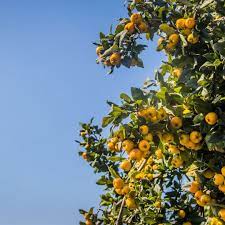
Introduction about M.Sc. Horticulture Pomology
A Master of Science (M.Sc.) in Horticulture with a specialization in Pomology is a postgraduate academic program that focuses on the scientific study and practical application of fruit cultivation, specifically emphasizing the cultivation of tree fruits. "Pomology" is the branch of horticulture that deals with the cultivation, production, and study of fruits. This specialized M.Sc. program combines theoretical knowledge with hands-on practical training to equip students with the skills needed to excel in the field of pomology.
The curriculum typically covers a range of subjects related to fruit crops, including plant biology, genetics, breeding, pest management, orchard management, post-harvest technology, and sustainable fruit production. Students are exposed to the latest research findings and technological advancements in fruit cultivation, enabling them to contribute to the development of innovative and sustainable practices in the field.
Practical aspects of the program often involve fieldwork, internships, and research projects in orchards or horticultural research centers. Students may have the opportunity to work with a variety of fruit crops such as apples, pears, cherries, peaches, and other tree fruits. The program aims to develop a comprehensive understanding of the entire fruit production process, from planting and cultivation to harvesting, storage, and marketing.
Upon completion of the M.Sc. in Horticulture with a focus on Pomology, graduates are well-prepared for careers in fruit production, research and development, extension services, and academia. They may find employment in government agricultural departments, private orchards, research institutions, agribusinesses, and consulting firms. Additionally, the program provides a solid foundation for those interested in pursuing further academic research or teaching in the field of horticulture and pomology.
How can I apply for admission to M.Sc. Horticulture Pomology Program
To apply for admission to an M.Sc. in Horticulture with a specialization in Pomology program, you generally need to follow a set of procedures outlined by the specific university or institution offering the program. Here is a general guide on how you can typically apply:
Research Programs and Universities:
Identify universities or institutions that offer M.Sc. programs in Horticulture with a focus on Pomology. Look for institutions with a strong reputation in agricultural and horticultural studies.
Check Admission Requirements:
Review the admission requirements for the M.Sc. program at each university. These requirements may include a relevant bachelor's degree (such as in agriculture, horticulture, or a related field), a certain minimum GPA, letters of recommendation, a statement of purpose, and possibly relevant work experience.
Prepare Required Documents:
Gather all the necessary documents, which typically include:
Completed application form
Transcripts from your previous academic institutions
Letters of recommendation (usually from professors or professionals who can attest to your qualifications)
Statement of purpose (explaining your interest in pomology, your career goals, and why you want to pursue this program)
Resume or curriculum vitae (CV)
Any additional documents specified by the university
Take Standardized Tests:
Some universities may require standardized test scores, such as the GRE (Graduate Record Examination) or other relevant tests. Make sure to check the specific requirements of each institution.
Application Submission:
Complete the online application form provided by the university. Pay attention to deadlines, as missing them may affect your eligibility for admission.
Pay Application Fee:
Pay the application fee as required by the university. Some institutions may offer fee waivers or reductions based on financial need, so check if you qualify for any such options.
Interview (if required):
Some programs may require an interview as part of the admission process. Prepare for this by reviewing your application materials and being ready to discuss your academic and professional goals.
Wait for Admission Decision:
After submitting your application, wait for the admission committee's decision. This may take several weeks, so be patient.
Acceptance and Enrollment:
If accepted, carefully follow the instructions provided by the university for accepting the offer of admission and enrolling in the program.
What is the eligibility for M.Sc. Horticulture Pomology
The eligibility criteria for an M.Sc. in Horticulture with a specialization in Pomology can vary slightly between universities and institutions. However, here is a general overview of common eligibility requirements:
Educational Qualifications:
Candidates typically need a bachelor's degree in a relevant field, such as Horticulture, Agriculture, Agricultural Sciences, or a closely related discipline. The degree should be from a recognized university or institution.
Minimum GPA or Percentage:
Many universities specify a minimum grade point average (GPA) or a minimum percentage in the bachelor's degree. This requirement varies, but competitive programs often look for candidates with a strong academic background.
Relevant Subjects:
Some programs may have specific subject prerequisites at the undergraduate level, such as courses in Horticulture, Plant Science, Botany, or Biology. Ensure that your academic background aligns with the program's requirements.
Standardized Test Scores:
Certain universities may require standardized test scores, such as the GRE (Graduate Record Examination) or other relevant exams. Check the specific requirements of each institution to determine if you need to take these tests.
Letters of Recommendation:
Many M.Sc. programs require letters of recommendation as part of the application process. These letters are typically written by professors or professionals who can speak to your academic abilities and potential for success in the program.
Statement of Purpose (SOP):
An SOP is a document where you articulate your reasons for pursuing the M.Sc. in Horticulture with a focus on Pomology. It should outline your academic and career goals and explain why you are interested in this particular program.
Work Experience (if applicable):
Some programs may consider relevant work experience as part of the eligibility criteria. This is more common for applicants who have been out of academia for some time and have gained practical experience in the field.
Interview (if required):
In some cases, universities may conduct interviews as part of the admission process. This is an opportunity for the admissions committee to assess your suitability for the program.
How long does it takes to complete a M.Sc. Horticulture Pomology program
The duration of an M.Sc. in Horticulture with a specialization in Pomology typically varies based on the specific program and university. However, the standard duration for most M.Sc. programs is generally two years of full-time study.
Here's a breakdown:
Coursework: The first year of the program is often dedicated to coursework, where students take classes covering various aspects of horticulture, pomology, plant biology, genetics, pest management, orchard management, and related subjects.
Research or Internship: In the second year, students may engage in research projects, internships, or practical training related to pomology. This phase allows students to apply their theoretical knowledge to real-world situations and gain hands-on experience in fruit cultivation and research.
Thesis or Capstone Project: Many M.Sc. programs require students to complete a thesis or capstone project as a culmination of their studies. This project involves independent research under the guidance of a faculty advisor and contributes to the body of knowledge in the field of pomology.
It's important to note that program structures can vary, and some universities may offer accelerated or extended options. Part-time study options may also be available for individuals who are working or have other commitments.
Syllabus of M.Sc. Horticulture Pomology
Semester 1:
Fundamentals of Horticulture:
Introduction to horticulture principles and practices.
Overview of various branches of horticulture, including pomology.
Plant Physiology:
In-depth study of plant processes, functions, and responses to environmental factors.
Principles of Genetics and Plant Breeding:
Understanding genetic principles and breeding techniques in horticultural crops.
Soil Science and Nutrition:
Soil properties, nutrient management, and their impact on fruit crops.
Research Methodology:
Introduction to research techniques and methodologies in horticulture.
Semester 2:
Advanced Pomology:
In-depth study of fruit crops, including their classification, anatomy, and physiology.
Plant Pathology:
Identification and management of diseases affecting fruit crops.
Entomology:
Study of insects affecting fruit crops and integrated pest management strategies.
Biotechnology in Horticulture:
Application of biotechnological tools in horticultural research and crop improvement.
Agroforestry and Silviculture:
Integration of fruit trees into agroforestry systems.
Semester 3:
Orchard Management:
Practical aspects of orchard planning, establishment, and maintenance.
Post-Harvest Technology:
Handling, storage, and processing of fruit crops to maintain quality.
Economics of Horticulture:
Understanding the economic aspects of fruit production and marketing.
Dissertation Proposal:
Planning and presenting the research proposal for the master's dissertation.
Semester 4:
Dissertation Work:
Independent research work on a chosen pomology topic.
Seminar:
Presenting and defending the research findings in a seminar.
Advanced Topics in Pomology:
Exploring emerging trends and advanced concepts in pomology.
Professional Development:
Career guidance, industry exposure, and preparing for future roles.
Internship opportunities after completing M.Sc. Horticulture Pomology
After completing an M.Sc. in Horticulture with a specialization in Pomology, there are various internship opportunities available for graduates to gain practical experience and apply their knowledge in real-world settings. Here are some potential internship opportunities:
Research Institutions:
Joining research institutions focused on horticulture and pomology provides opportunities to work on cutting-edge research projects. Interns may be involved in experiments, data collection, and analysis under the guidance of experienced researchers.
Agricultural Extension Services:
Many government agencies and agricultural extension services offer internships to work directly with farmers and orchardists. This experience can involve providing advice on best practices, pest management, and the implementation of new technologies in fruit cultivation.
Private Orchards and Farms:
Interning at private orchards or fruit farms allows graduates to gain hands-on experience in orchard management, production, and post-harvest handling. This experience is valuable for understanding the practical challenges and day-to-day operations of commercial fruit cultivation.
Agribusiness Companies:
Companies involved in the production and marketing of horticultural products, such as fruit nurseries, agrochemical companies, and food processing firms, may offer internships. These opportunities can provide insights into the business side of pomology.
Government Agricultural Departments:
Departments of agriculture at the local, state, or national level often have internship programs. Interns may work on projects related to agricultural policies, research, or extension services.
International Organizations:
Some graduates may explore internships with international organizations or non-governmental organizations (NGOs) that focus on agricultural development and sustainable horticulture practices.
Seed and Plant Breeding Companies:
Internships with companies specializing in seed production and plant breeding offer exposure to advanced breeding techniques and the development of new fruit varieties.
Environmental and Conservation Organizations:
Organizations dedicated to environmental conservation may have opportunities for graduates interested in sustainable and environmentally friendly horticulture practices.
Food and Beverage Industry:
Interning with companies in the food and beverage industry, such as juice or canning companies, allows graduates to understand the downstream processes of fruit production.
Consulting Firms:
Firms specializing in agricultural consulting may hire interns to assist with projects related to orchard management, crop improvement, or pest control.
Scholorship and grants for M.Sc. Horticulture Pomology
Finding scholarships and grants for M.Sc. in Horticulture with a specialization in Pomology can significantly ease the financial burden of graduate education. Here are several potential sources of funding:
University Scholarships:
Many universities offer merit-based scholarships or assistantships for graduate students. These could cover tuition, living expenses, or both. Check with the university's financial aid office or the horticulture department for available opportunities.
Government Scholarships and Grants:
Government agencies may provide scholarships or grants for students pursuing advanced degrees in agriculture or horticulture. Check with national or regional agricultural departments for available programs.
Professional Organizations:
Horticultural and agricultural professional organizations often have scholarship programs for students pursuing advanced degrees. Examples include the American Society for Horticultural Science (ASHS), the International Society for Horticultural Science (ISHS), or regional horticultural societies.
Industry Associations:
Associations related to the fruit industry, such as those representing apple growers, citrus growers, or other specific fruit crops, may offer scholarships. These organizations may be at the national, state, or regional levels.
Research Grants:
Explore research grants offered by government agencies, private foundations, or industry partners. These grants may support specific research projects or assist graduate students in their studies.
Fellowship Programs:
Look for fellowship programs provided by governmental bodies, private foundations, or non-profit organizations. Fellowships often support students' academic and research endeavors.
International Scholarships:
If you are an international student, check for scholarships offered by governments, international organizations, or specific agricultural programs that support students studying abroad.
Corporate Sponsorships:
Some companies in the agriculture or horticulture industry offer scholarships or sponsorships for students pursuing degrees in related fields. Check with companies involved in fruit production, agribusiness, or food processing.
Non-Profit Organizations:
Non-profit organizations dedicated to agriculture, sustainable farming, or environmental conservation may provide scholarships for students committed to these principles.
Online Scholarship Platforms:
Utilize online scholarship platforms such as Scholarship.com, Fastweb, or Chegg. These platforms aggregate scholarship opportunities based on various criteria, including academic pursuits.
Government Aid and Loan Programs:
Investigate government aid programs and loan options available for graduate students. Be sure to understand the terms and conditions associated with any loans.
Conclusion
In conclusion, pursuing an M.Sc. in Horticulture with a specialization in Pomology opens the door to a rewarding journey in fruit cultivation. From a comprehensive curriculum covering plant physiology to advanced topics in pomology, the program provides a solid foundation for a successful career. Internship opportunities offer practical experience, and scholarships can alleviate financial burdens. As you embark on this academic adventure, remember that M.Sc. Horticulture Pomology not only enhances your knowledge but also contributes to the sustainable growth of the agricultural landscape. Keep exploring, learning, and cultivating a fruitful future!"
FAQ M.Sc. Horticulture Pomology
Q1: What is Pomology in Horticulture?
A1: Pomology is the branch of horticulture that focuses on the study and cultivation of fruit-bearing plants. In the M.Sc. Horticulture Pomology program, students delve into the science and practices of growing various fruit crops.
Q2: How long does it take to complete the M.Sc. Horticulture Pomology program?
A2: The standard duration for most M.Sc. programs in Horticulture Pomology is two years, including coursework, research, and a dissertation.
Q3: Are there internship opportunities after completing the program?
A3: Yes, graduates can explore internship opportunities in research institutions, agricultural extension services, private orchards, agribusiness companies, and more.
Q4: Are there scholarships available for M.Sc. Horticulture Pomology students?
A4: Yes, various sources, including universities, government agencies, industry associations, and non-profit organizations, offer scholarships and grants to support students pursuing advanced degrees in horticulture.
Q5: What are the career prospects after completing M.Sc. Horticulture Pomology?
A5: Graduates can pursue careers in orchard management, research and development, agricultural consultancy, government agricultural departments, and the food and beverage industry, among other avenues. The program equips students with the skills needed for diverse roles in the field of fruit cultivation.
How Shiksha Hub helps you in
-
 Student Counsellors
 -
 Career Counseling
 -
 Research
 -
 24/7 Support
 -
 Scholarships
 -
 Community