Posted by Admin on 07-07-2023 in Shiksha hub
M.Sc. Marine Biology, Aquatic Biology, and Fisheries Introduction, Admission, Registration, Eligibility, Duration, Fees, Syllabus 2024
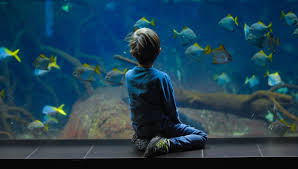
Introduction about M.Sc. Marine Biology, Aquatic Biology, and Fisheries
Marine biology, aquatic biology, and fisheries are intriguing fields that delve into the mysteries of the oceans and the creatures that inhabit them. This article will provide you with an in-depth understanding of these disciplines, their significance, and the educational and career opportunities they offer.
What is Marine Biology?
Marine biology is the study of organisms and ecosystems in the world's oceans and other bodies of water. It encompasses the examination of diverse marine life, from microscopic plankton to massive whales. Marine biologists strive to comprehend the complex interactions between marine organisms and their environments.
The Significance of Aquatic Biology
Aquatic biology is a broader field that includes the study of not only marine but also freshwater ecosystems. It plays a crucial role in understanding and conserving these environments. Aquatic biologists contribute to the protection of aquatic species, water quality assessment, and the management of aquatic resources.
Exploring Fisheries Science
Fisheries science focuses on the management, conservation, and sustainable harvesting of fish and other aquatic resources. This field is vital for maintaining a balance between meeting the global demand for seafood and preserving aquatic ecosystems.
How can I apply for admission to M.Sc. Marine Biology, Aquatic Biology, and Fisheries Program?
To apply for admission to an M.Sc. program in Marine Biology, Aquatic Biology, and Fisheries, you need to follow a series of steps, typically including the following:
Research Programs: Begin by researching universities or educational institutions that offer M.Sc. programs in Marine Biology, Aquatic Biology, and Fisheries. Look for programs that align with your interests and career goals.
Check Admission Requirements: Carefully review the admission requirements for the specific program you're interested in. These requirements may vary from one institution to another, but common prerequisites include a bachelor's degree in a related field, such as biology, marine science, or environmental science.
Prepare Your Application Documents: Gather the necessary application documents. These documents often include:
Transcripts: You'll need to provide transcripts of your previous academic records, including your bachelor's degree and any relevant coursework.
Letters of Recommendation: Most programs require letters of recommendation from professors or professionals who can vouch for your academic and research capabilities.
Statement of Purpose: Write a compelling statement of purpose that outlines your reasons for pursuing the M.Sc. program and your career aspirations in marine biology, aquatic biology, or fisheries.
Resume/CV: Prepare a detailed resume or curriculum vitae highlighting your academic and professional experiences.
Standardized Tests: Some institutions may require standardized test scores, such as the GRE (Graduate Record Examination) or the TOEFL (Test of English as a Foreign Language) for international applicants.
Submit Your Online Application: Most universities offer an online application portal where you can submit your application and upload the required documents. Pay close attention to application deadlines, as they can vary.
Pay Application Fees: There is usually an application fee associated with applying to graduate programs. Make sure to pay this fee as part of your application process.
Interview (if required): Some programs may require interviews as part of the selection process. Be prepared to discuss your academic and research interests.
Await Admission Decision: After submitting your application, you will need to wait for the admission committee to review your materials and make a decision. This can take several weeks to a few months.
Acceptance and Enrollment: If you are accepted into the program, you will receive an acceptance letter. Follow the instructions in the letter to confirm your enrollment and register for classes.
Financial Aid and Scholarships: Explore opportunities for financial aid, scholarships, or assistantships to help fund your education. Many universities offer financial assistance to qualified students.
Prepare for Your Program: Before starting your M.Sc. program, make any necessary arrangements, including securing housing, purchasing textbooks, and familiarizing yourself with the campus or online learning platform.
Remember to check the specific admission requirements and deadlines for the program and institution of your choice, as they can vary. It's essential to submit a well-prepared application that highlights your passion and qualifications for the M.Sc. Marine Biology, Aquatic Biology, and Fisheries program.
What is the eligibility for M.Sc. Marine Biology, Aquatic Biology, and Fisheries?
The eligibility criteria for an M.Sc. in Marine Biology, Aquatic Biology, and Fisheries program can vary from one university or educational institution to another. However, there are some common eligibility requirements that you'll typically need to meet. Here's a general overview:
Educational Background:
You should have completed a bachelor's degree in a relevant field. This field may include biology, marine science, environmental science, zoology, fisheries science, or a related discipline. The specific major or undergraduate program may vary by institution.
Academic Performance:
You should have a strong academic record, typically with a minimum grade point average (GPA) that meets the program's requirements. The required GPA can differ among universities, but it's often around 3.0 on a 4.0 scale.
Letters of Recommendation:
Most programs require letters of recommendation from professors or professionals who can speak to your academic and research abilities. The number of letters and their specific requirements may vary.
Standardized Tests (if applicable):
Some universities may require standardized test scores, such as the GRE (Graduate Record Examination), especially for international students. Check the specific program's requirements to see if this is necessary.
Statement of Purpose:
You'll need to write a statement of purpose that explains your motivation for pursuing the M.Sc. in Marine Biology, Aquatic Biology, and Fisheries. Your statement should highlight your academic and career goals in these fields.
Resume/CV:
Prepare a detailed resume or curriculum vitae that outlines your academic and professional experiences, research projects, and relevant coursework.
English Language Proficiency (for international students):
If English is not your native language, you may need to provide proof of English language proficiency through standardized tests like the TOEFL (Test of English as a Foreign Language) or IELTS (International English Language Testing System).
Interview (if required):
Some programs may require an interview as part of the selection process. During the interview, you may discuss your academic and research interests.
It's essential to carefully review the admission requirements and eligibility criteria provided by the specific university or institution where you plan to apply. Each program may have slightly different requirements, and meeting these criteria is essential to ensure that your application is considered.
Additionally, some universities may offer conditional admission to students who meet most of the criteria but require additional coursework or language preparation. Be sure to reach out to the admissions department or the program coordinator at your chosen institution if you have any specific questions regarding eligibility or the application process.
How long does it takes to complete a M.Sc. Marine Biology, Aquatic Biology, and Fisheries program?
The duration to complete an M.Sc. in Marine Biology, Aquatic Biology, and Fisheries program typically varies depending on the university and the specific program. However, these programs are generally designed to be completed in a span of 1 to 2 years. Here are the common timelines:
1-Year Programs: Some universities offer accelerated M.Sc. programs in Marine Biology, which can be completed in one year. These programs are often intense and may require a full-time commitment.
2-Year Programs: The most common duration for M.Sc. programs in Marine Biology, Aquatic Biology, and Fisheries is two years. This allows for a more comprehensive exploration of the subject matter, including coursework, research, and potentially internships or fieldwork.
The choice between a 1-year and 2-year program often depends on your academic and career goals. A 2-year program may provide a more in-depth education and research experience, while a 1-year program is suitable for those who want to expedite their degree and enter the workforce or pursue further studies more quickly.
It's important to check the specific program and university you are interested in for the exact duration and curriculum structure, as variations can occur. Additionally, some programs may offer part-time or online options, which can extend the duration based on your individual circumstances and preferences.
What are potential career opportunities after M.Sc. Marine Biology, Aquatic Biology, and Fisheries?
Obtaining an M.Sc. in Marine Biology, Aquatic Biology, and Fisheries opens the door to a wide range of exciting and fulfilling career opportunities. Here are some potential career paths you can pursue after completing your M.Sc. in these fields:
Marine Biologist: As a marine biologist, you can conduct research on marine organisms and ecosystems. You may study marine life, their behavior, and their interactions with their environment.
Aquatic Biologist: Aquatic biologists work with various water ecosystems, including freshwater and marine environments. They may focus on water quality, conservation, and the health of aquatic organisms.
Fisheries Scientist: Fisheries scientists are responsible for the sustainable management of fish and other aquatic resources. They conduct research to assess fish populations, develop conservation strategies, and promote sustainable fishing practices.
Environmental Consultant: Environmental consultants work with government agencies, businesses, and organizations to assess and address environmental concerns. Your expertise in aquatic and marine ecosystems can be valuable in helping clients comply with regulations and reduce their environmental impact.
Conservation Biologist: Conservation biologists are dedicated to preserving and protecting the world's ecosystems and biodiversity. They work on projects that involve wildlife conservation, habitat restoration, and environmental policy.
Oceanographer: Oceanographers study various aspects of the world's oceans, including physical, chemical, and biological characteristics. They investigate ocean currents, marine life distribution, and the impact of climate change on ocean systems.
Research Scientist: Research scientists in marine biology, aquatic biology, and fisheries focus on conducting scientific studies, often in academic or research institutions. Their work contributes to the understanding of aquatic and marine environments.
Educator or Professor: With your M.Sc., you can teach marine biology or related subjects at educational institutions, from high schools to universities. Sharing your knowledge with future generations can be a rewarding career choice.
Marine Policy Analyst: Policy analysts work with government agencies and non-governmental organizations to shape policies and regulations related to marine and aquatic conservation, resource management, and environmental protection.
Marine Educator or Outreach Coordinator: These professionals are responsible for educating the public about marine and aquatic issues. They may work in aquariums, museums, or environmental organizations to engage and inform the community.
Aquaculture Specialist: Aquaculture specialists focus on the cultivation of aquatic organisms, such as fish and shellfish, for commercial purposes. They work in research, development, and management of aquaculture operations.
Marine Ecologist: Marine ecologists study the relationships between organisms and their marine environment. They investigate how species interact, population dynamics, and the health of marine ecosystems.
Marine Data Analyst: In this role, you'll analyze data related to marine and aquatic ecosystems, helping to inform research and conservation efforts. This role is increasingly important with the growth of data-driven science.
Scientific Illustrator or Photographer: If you have artistic skills, you can use your talent to visually communicate marine and aquatic science through illustrations, photographs, or multimedia.
Marine Outreach Specialist: Outreach specialists work on public engagement and awareness programs related to marine and aquatic conservation. They may organize events, create educational materials, and foster community involvement.
These are just a few examples of the diverse career opportunities available to individuals with an M.Sc. in Marine Biology, Aquatic Biology, and Fisheries. The choice of career path can depend on your specific interests, expertise, and the opportunities available in your region. Regardless of your choice, these careers are essential for understanding, preserving, and sustainably managing the world's aquatic and marine ecosystems.
Syllabus of M.Sc. Marine Biology, Aquatic Biology, and Fisheries
The syllabus for an M.Sc. in Marine Biology, Aquatic Biology, and Fisheries program is subject to variation depending on the university and the specific curriculum they offer. However, I can provide a sample outline of what a typical two-year program might include, semester-wise:
First Year: Semester 1
Marine Ecology
Introduction to marine ecosystems
Biodiversity and species interactions
Adaptations of marine organisms
Ecological methods and fieldwork
Oceanography
Physical properties of oceans
Ocean currents and circulation
Marine geology and chemistry
Biological oceanography
Fisheries Science
Principles of fisheries management
Stock assessment and sustainable fishing
Aquaculture and mariculture
Fishery policy and regulations
Statistics and Research Methods
Data analysis and statistical tools
Experimental design
Research proposal development
Field and laboratory techniques
Marine Biology Seminar
Current research and trends in marine biology
Guest lectures and student presentations
First Year: Semester 2
Marine Microbiology
Microbial diversity in marine environments
Microbial biogeochemical cycles
Microbes and ocean health
Microbial ecology and applications
Marine Conservation
Conservation biology principles
Marine protected areas
Conservation strategies and case studies
Environmental policy and advocacy
Aquatic Biogeochemistry
Nutrient cycling in aquatic ecosystems
Chemical interactions in water bodies
Biogeochemical methods and analysis
Impacts of climate change on biogeochemistry
Elective Course 1
Students may choose an elective based on their interests, such as marine mammals, marine botany, or coastal ecology.
Laboratory and Fieldwork
Practical training in research techniques and data collection
Field trips and hands-on experiences
Second Year: Semester 3
Fisheries Management and Policy
Advanced fisheries management strategies
International fisheries agreements
Case studies in sustainable fisheries
Fisheries law and economics
Thesis Proposal Development
Identifying research topics
Proposal writing and presentation
Elective Course 2
Another elective course to further specialize in a specific area of interest.
Thesis Research
Initiation of the research project under the guidance of a faculty advisor
Second Year: Semester 4
Thesis Research
Continuation and completion of the research project
Thesis Writing and Defense
Thesis preparation
Oral defense of the research findings
Internship (Optional)
Practical experience in a relevant organization or institution
Seminar on Recent Advances
Discussion of recent developments and research in the field of marine biology and fisheries
Please note that this is a sample syllabus, and the actual curriculum may vary depending on the institution and program. It's essential to check with the university or institution you are interested in for specific details on their M.Sc. program in Marine Biology, Aquatic Biology, and Fisheries.
Internship opportunities after completing M.Sc. Marine Biology, Aquatic Biology, and Fisheries?
Completing an M.Sc. in Marine Biology, Aquatic Biology, and Fisheries can open the door to various exciting internship opportunities. These internships can provide valuable hands-on experience, networking opportunities, and the chance to apply your academic knowledge in practical settings. Here are some internship opportunities you can explore after obtaining your degree:
Research Internships: Many research institutions, marine labs, and universities offer research internships in marine and aquatic sciences. You can work on ongoing research projects, assist with data collection, and contribute to scientific discoveries.
Aquarium and Marine Park Internships: Zoos, aquariums, and marine parks often provide internships for individuals interested in marine biology. You can gain experience in animal care, conservation, and public education.
Government Agencies: Agencies like the National Oceanic and Atmospheric Administration (NOAA) and the Environmental Protection Agency (EPA) offer internships related to marine and aquatic science. These internships can involve environmental monitoring, research, and policy analysis.
Conservation Organizations: Non-profit organizations such as The Nature Conservancy, Oceana, and the World Wildlife Fund offer internships focused on marine and aquatic conservation. You can participate in fieldwork, advocacy, and conservation projects.
Fisheries and Aquaculture: If you're interested in fisheries science, consider internships with government fishery departments or private aquaculture companies. You can learn about fishery management, stock assessment, and sustainable fishing practices.
Environmental Consulting Firms: Environmental consulting firms hire interns to work on projects related to environmental impact assessments, water quality, and ecosystem health. These internships provide insight into the practical applications of your degree.
Marine Tourism and Dive Centers: Coastal regions with tourism opportunities often have internships in marine tourism and dive centers. These internships can involve marine guide duties, underwater research, and customer education.
Wildlife Rehabilitation Centers: Some wildlife rehabilitation centers focus on aquatic and marine species. Interns help care for injured marine animals, learn about rehabilitation techniques, and educate the public about marine conservation.
Marine Technology Companies: Companies that develop marine technology and equipment may offer internships in product development, testing, and fieldwork. This is a unique opportunity to work at the intersection of technology and marine science.
Academic Institutions: Some universities and research centers offer postgraduate internships or assistantship positions that allow you to continue your research or assist professors in teaching and research.
Government Research Vessels: Some government vessels conduct marine research and may offer internships for those interested in marine surveying, data collection, and seafaring experiences.
International Opportunities: Consider international organizations and research programs that offer internships abroad, allowing you to explore marine and aquatic ecosystems in different regions of the world.
When seeking internship opportunities, it's essential to network with professors, career services, and professionals in your field. Be proactive in your search, and tailor your applications to showcase your skills and interests. Internships not only provide valuable experience but also help you decide on a specific career path within the field of marine biology, aquatic biology, and fisheries.
Scholarship and grants for M.Sc. Marine Biology, Aquatic Biology, and Fisheries?
Pursuing an M.Sc. in Marine Biology, Aquatic Biology, and Fisheries can be financially challenging, but there are various scholarships and grants available to help support your education. These funding opportunities are offered by universities, government agencies, non-profit organizations, and other institutions. Here are some sources of financial aid you can explore:
University Scholarships: Many universities that offer M.Sc. programs in marine biology and related fields provide scholarships and assistantships for qualified students. These can cover tuition, living expenses, and research costs. Check with the specific institutions you are interested in for details on their scholarship programs.
Government Scholarships: Government agencies, such as the U.S. National Oceanic and Atmospheric Administration (NOAA) and the National Science Foundation (NSF), offer scholarships and fellowships for students pursuing marine and aquatic sciences. These programs often support research and academic development.
Non-Profit Organizations: Numerous non-profit organizations, such as the Ocean Conservancy and the Wildlife Conservation Society, provide scholarships and grants for students committed to marine and aquatic conservation and research. Their funding opportunities may focus on specific areas of marine biology.
Industry-Specific Scholarships: Companies and industry organizations related to fisheries, aquaculture, and marine technology may offer scholarships for students pursuing careers in these fields. These scholarships can help with both undergraduate and graduate education.
Professional Associations: Professional organizations like the American Fisheries Society and the Marine Biological Association often provide scholarships to students studying marine and aquatic sciences. Membership in these organizations can also offer networking opportunities and access to additional funding sources.
Environmental and Conservation Scholarships: Scholarships related to environmental and conservation studies may be applicable to marine biology and aquatic biology students. Look for programs with a focus on sustainability and ecology.
Diversity and Inclusion Scholarships: Some scholarships specifically target underrepresented groups in the sciences. These scholarships aim to increase diversity in marine and aquatic science fields.
Merit-Based Scholarships: Many universities and organizations offer scholarships based on academic merit. Maintain a strong GPA, excel in your studies, and engage in extracurricular activities to improve your chances of qualifying for these scholarships.
International Scholarships: If you are an international student, explore scholarships and grants available for studying marine biology and related fields in specific countries or regions. These can help cover tuition and living expenses.
Online Scholarship Databases: Use online scholarship search engines and databases to discover various funding opportunities. Websites like Fastweb, Scholarships.com, and Peterson's Scholarship Search can help you find scholarships that match your criteria.
Government Aid Programs: Consider government-sponsored financial aid programs, such as federal or state grants, loans, and work-study options, to help cover educational costs.
When applying for scholarships and grants, pay attention to application deadlines and eligibility requirements. Ensure that your application materials, including essays and recommendation letters, reflect your passion for marine and aquatic sciences and your commitment to making a positive impact in these fields. Additionally, reach out to the financial aid offices at your chosen universities to inquire about available funding options.
Conclusion
In conclusion, pursuing an M.Sc. in Marine Biology, Aquatic Biology, or Fisheries can lead to a rewarding career in which you get to explore the mysteries of the ocean, contribute to conservation efforts, and make a significant impact on the planet.
FAQ,s
What is M.Sc. Marine Biology, Aquatic Biology, and Fisheries?
M.Sc. Marine Biology, Aquatic Biology, and Fisheries is a postgraduate degree program that focuses on the study of marine ecosystems, aquatic life, and the sustainable management of aquatic resources.
What are the career prospects after completing this program?
Graduates can pursue careers as marine biologists, aquatic biologists, fisheries scientists, conservationists, educators, and more. There are diverse opportunities in research, conservation, and industry.
How long does it take to complete the program?
The program typically takes 1 to 2 years to complete, depending on the university and the specific curriculum.
What are the eligibility requirements for admission?
Eligibility criteria include a relevant bachelor's degree, a strong academic record, letters of recommendation, and, in some cases, standardized test scores.
What are the key subjects studied in this program?
Subjects may include marine ecology, oceanography, fisheries science, aquatic microbiology, marine conservation, and more. The specific curriculum can vary by university.
Are there scholarships or financial aid options available for students?
Yes, there are various scholarships and grants offered by universities, government agencies, non-profit organizations, and industry-specific associations to support students pursuing this field.
What types of internships can I explore after completing the program?
Internship opportunities include research internships, work at aquariums, government agencies, conservation organizations, and more. You can gain hands-on experience in your area of interest.
Can I study marine biology and fisheries in an online program?
Some universities offer online or hybrid programs in marine biology and related fields, providing flexibility for students who cannot attend traditional on-campus programs.
What are the key challenges in the field of marine biology and fisheries today?
Challenges include overfishing, habitat destruction, pollution, and the impact of climate change on marine ecosystems. Addressing these issues is a crucial part of the work in this field.
How can I get involved in marine conservation efforts as a student or professional?
You can join conservation organizations, participate in beach clean-ups, support marine conservation policies, and choose research topics that contribute to marine preservation.
How Shiksha Hub helps you in
-
 Student Counsellors
 -
 Career Counseling
 -
 Research
 -
 24/7 Support
 -
 Scholarships
 -
 Community