Posted by Admin on 07-07-2023 in Shiksha hub
M.Sc. Neuroscience Introduction, Admission, Registration, Eligibility, Duration, Fees, Syllabus 2024
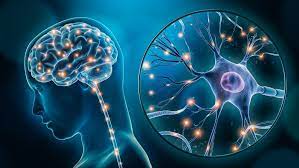
Introduction About M.Sc. Neuroscience
M.Sc. Neuroscience Is A Fascinating And Multidisciplinary Field That Delves Deep Into The Intricacies Of The Human Brain And Nervous System. This Postgraduate Program Is Designed To Provide Students With An In-Depth Understanding Of The Brain's Functions, Structure, And Its Impact On Human Behavior And Health. In This Article, We Will Explore The World Of M.Sc. Neuroscience, From Its Definition To Its Career Prospects, And Everything In Between.
What Is Neuroscience?
Neuroscience Is The Scientific Study Of The Nervous System, Which Encompasses The Brain, Spinal Cord, And Peripheral Nerves. It Is An Amalgamation Of Various Scientific Disciplines, Including Biology, Psychology, Chemistry, And Physics. Neuroscience Seeks To Understand How The Nervous System Functions And How It Impacts Our Cognitive And Emotional Well-Being.
The Significance Of Neuroscience
Neuroscience Is Of Paramount Significance In The Modern World. It Helps Us Comprehend The Intricate Workings Of The Human Brain And How It Controls Our Thoughts, Actions, And Emotions. This Knowledge Is Vital For Developing Treatments For Neurological Disorders, Mental Illnesses, And Even Optimizing Cognitive Function.
How Can I Apply For Admission To M.Sc. Neuroscience Program
To Apply For Admission To An M.Sc. Neuroscience Program, You Should Follow These General Steps:
Research Universities And Programs: Start By Researching Universities That Offer M.Sc. Neuroscience Programs. Look For Institutions That Align With Your Academic And Career Goals.
Check Admission Requirements: Carefully Review The Admission Requirements For Each Program And University. Requirements May Vary, But Typically, You Will Need A Bachelor's Degree In A Related Field, Such As Biology, Psychology, Or Neuroscience. Some Universities May Require Standardized Test Scores Like The Gre (Graduate Record Examination).
Prepare Application Materials: Gather The Necessary Application Materials, Which Often Include:
Transcripts: Request Official Transcripts From Your Previous Educational Institutions.
Letters Of Recommendation: Typically, You'll Need Two To Three Letters Of Recommendation From Professors Or Professionals Who Can Speak To Your Qualifications.
Statement Of Purpose: Write A Compelling Statement Of Purpose That Explains Your Reasons For Pursuing M.Sc. Neuroscience And Your Career Goals.
Resume/Cv: Create A Comprehensive Resume Or Curriculum Vitae Detailing Your Academic And Research Experience.
Test Scores: If Required, Take The Necessary Standardized Tests (E.G., Gre) And Submit Your Scores.
English Proficiency: If English Is Not Your Native Language, You May Need To Demonstrate Proficiency Through Tests Like Toefl Or Ielts.
Application Submission: Submit Your Application Through The University's Online Application Portal. Make Sure To Double-Check The Application Deadlines And Adhere To Them.
Pay Application Fees: Pay The Application Fees, If Applicable. Some Universities Charge A Fee To Process Your Application.
Interview (If Required): Some Universities May Require An Interview As Part Of The Admission Process. Prepare For This By Being Ready To Discuss Your Academic And Career Goals.
Financial Aid And Scholarships: Explore Financial Aid And Scholarship Options. Many Universities Offer Scholarships And Assistantships To Help Cover Tuition And Living Expenses.
Wait For Admission Decision: After Submitting Your Application, You'll Need To Wait For The Admission Committee To Review Your Materials. This Can Take Several Weeks To A Few Months, So Be Patient.
Acceptance And Enrollment: If You Receive An Admission Offer, Carefully Review The Terms And Conditions, And Decide If You Want To Accept It. You'll Then Need To Complete The Enrollment Process By Submitting Any Required Documentation And Paying Any Necessary Deposits.
Prepare For Your Program: Once You've Been Accepted, Prepare For Your M.Sc. Neuroscience Program By Reviewing The Curriculum, Securing Housing, And Addressing Any Logistical Details.
What Is The Eligibility For M.Sc. Neuroscience
Eligibility Requirements For M.Sc. Neuroscience Programs May Vary From One University To Another, But There Are Some Common Prerequisites That Most Institutions Will Consider. Here's A General Overview Of The Typical Eligibility Criteria:
Educational Background:
A Bachelor's Degree: You Should Hold A Bachelor's Degree In A Related Field, Such As Biology, Psychology, Neuroscience, Or A Closely Related Discipline. The Degree Should Be From A Recognized Institution.
Academic Performance:
Minimum Gpa: Many Universities Will Specify A Minimum Grade Point Average (Gpa) That You Need To Meet To Be Eligible For Admission. The Gpa Requirement May Vary From One Institution To Another But Is Typically In The Range Of 3.0 To 3.5 On A 4.0 Scale.
Standardized Test Scores (If Required):
Gre (Graduate Record Examination): Some Universities May Require Gre Scores, Particularly For International Applicants. You Should Check Whether The Program You're Interested In Has Specific Gre Requirements.
English Proficiency (For International Students):
Toefl (Test Of English As A Foreign Language) Or Ielts (International English Language Testing System): If English Is Not Your Native Language, You May Need To Provide Scores From One Of These Tests To Demonstrate Your Proficiency In English. Universities Often Set Minimum Scores For These Tests As Well.
Letters Of Recommendation:
Typically, You'll Need To Provide Two To Three Letters Of Recommendation From Professors Or Professionals Who Can Attest To Your Academic And Research Capabilities.
Statement Of Purpose:
You'll Be Required To Submit A Statement Of Purpose That Explains Your Reasons For Pursuing An M.Sc. In Neuroscience And Outlines Your Academic And Career Goals.
Resume/Cv:
A Comprehensive Resume Or Curriculum Vitae Detailing Your Academic And Research Experiences Is Often A Part Of The Application.
Interview (If Required):
Some Programs May Require An Interview As Part Of The Admission Process. Be Prepared To Discuss Your Academic Interests, Goals, And Why You Want To Pursue M.Sc. Neuroscience.
Prerequisite Courses (If Applicable):
Some Programs May Have Specific Prerequisite Courses That You Should Have Completed During Your Undergraduate Studies. These Prerequisites Can Vary But Might Include Coursework In Biology, Chemistry, Or Neuroscience-Related Subjects.
Research Experience (Preferred):
While Not Always Mandatory, Having Prior Research Experience In A Relevant Field Can Strengthen Your Application And Increase Your Chances Of Admission.
It's Crucial To Check The Specific Admission Requirements Of The University And M.Sc. Neuroscience Program You Are Interested In, As There Can Be Variations In The Criteria And Preferences. Additionally, Some Universities May Have Additional Requirements Or Preferences, So Thorough Research Is Essential To Ensure You Meet All Expectations For Eligibility.
How Long Does It Takes To Complete A M.Sc. Neuroscience Program
The Duration Of An M.Sc. (Master Of Science) In Neuroscience Program Typically Varies Depending On The University Or Institution Offering The Program And The Country In Which You Are Studying. However, There Are Some General Guidelines:
One-Year Programs:
Many Universities, Especially In Countries Like The United Kingdom And Some Parts Of Europe, Offer One-Year M.Sc. Neuroscience Programs. These Are Often More Focused And Intensive, Designed To Be Completed Within A Shorter Timeframe.
Two-Year Programs:
In Many Other Countries, Including The United States And Canada, M.Sc. Neuroscience Programs Are Typically Two Years In Duration. These Programs Provide A More Comprehensive Curriculum, Including Coursework, Research, And Practical Experience.
Part-Time Or Online Programs:
Some Universities Offer Part-Time Or Online M.Sc. Neuroscience Programs, Which May Have Varying Durations. These Flexible Options Allow Students To Pace Their Studies According To Their Personal Schedules.
Research Thesis Vs. Non-Thesis Programs:
The Presence Of A Research Thesis Can Also Influence The Program Duration. If The Program Includes A Research Thesis, It May Take Longer To Complete Due To The Time Needed To Conduct Research And Write The Thesis.
Internships And Specializations:
Some Programs May Include Internships, Clinical Rotations, Or Specializations That Can Extend The Program Length. These Additional Experiences Can Be Valuable But May Add Time To The Overall Duration.
It's Essential To Carefully Review The Program Details And Curriculum Of The Specific M.Sc. Neuroscience Program You Are Interested In To Understand The Exact Duration And Any Additional Factors That May Affect It. Additionally, Consider Your Own Availability And Goals When Choosing A Program Duration, As A Shorter Program May Be More Intense, While A Longer Program May Offer More Comprehensive Training And Research Opportunities.
What Are Potential Career Opportunities After M.Sc. Neuroscience
Earning An M.Sc. In Neuroscience Can Open Up A Wide Range Of Exciting And Rewarding Career Opportunities In Various Sectors. Here Are Some Potential Career Paths After Completing An M.Sc. In Neuroscience:
Neuroscientist:
As A Neuroscientist, You Can Work In Research And Contribute To Advancing Our Understanding Of The Brain And Nervous System. You Might Conduct Experiments, Analyze Data, And Publish Your Findings In Scientific Journals.
Clinical Neuroscientist:
Clinical Neuroscientists Work In Healthcare Settings And Are Involved In Diagnosing And Treating Neurological Conditions. They May Collaborate With Neurologists And Other Healthcare Professionals.
Neurologist:
With Additional Medical Training (Md Or Do), You Can Become A Neurologist And Diagnose And Treat Patients With Neurological Disorders Such As Epilepsy, Parkinson's Disease, And Multiple Sclerosis.
Neuropsychologist:
Neuropsychologists Study The Relationship Between The Brain And Behavior. They Often Work In Clinical Settings, Helping Individuals With Brain Injuries, Cognitive Impairments, Or Psychological Conditions.
Pharmaceutical Researcher:
Work In The Pharmaceutical Industry To Develop New Drugs And Therapies For Neurological Disorders. This Role Involves Research And Development Of Medications And Treatments.
Academic Researcher/Professor:
Teach And Conduct Research At Universities And Colleges, Sharing Your Expertise With The Next Generation Of Neuroscientists. You May Also Secure Research Grants And Lead Studies.
Science Communicator:
Translate Complex Neuroscience Concepts Into Understandable Language For The Public. This Role May Involve Writing Articles, Books, Or Creating Educational Content.
Clinical Trials Coordinator:
Help Coordinate And Oversee Clinical Trials For New Neurological Treatments Or Interventions. Ensure That Studies Are Conducted Ethically And Efficiently.
Biotechnology Specialist:
Work In The Biotechnology Sector, Focusing On Brain-Related Research, The Development Of Neurotechnology, Or The Creation Of Diagnostic Tools.
Medical Writer/Editor:
Write And Edit Scientific Content For Journals, Textbooks, Or Healthcare Companies, Explaining Neuroscientific Research And Developments.
Government Health Agencies:
Work For Government Health Agencies On Policy Development, Public Health Initiatives, Or Regulatory Affairs Related To Neurological Health.
Nonprofit And Advocacy Organizations:
Contribute To Nonprofit Organizations Dedicated To Raising Awareness, Providing Support, Or Funding Research In The Field Of Neuroscience.
Consultant:
Offer Your Expertise As A Consultant To Organizations Seeking Guidance On Neuroscience-Related Projects, Such As Market Research For Neurotechnology Companies.
Data Analyst Or Statistician:
Analyze Neurological Data, Conduct Statistical Research, And Help In Data-Driven Decision-Making For Research Or Healthcare Organizations.
Entrepreneur:
If You Have A Groundbreaking Idea Related To Neuroscience, You Could Start Your Own Company Or Join A Startup In The Neurotech Field.
These Career Opportunities Highlight The Versatility Of An M.Sc. In Neuroscience, Allowing Graduates To Choose From A Variety Of Paths Based On Their Interests And Strengths. The Field Of Neuroscience Is Continually Evolving, Offering Numerous Possibilities For Those Passionate About Understanding The Brain And Nervous System.
Syllabus Of M.Sc. Neuroscience
|
1st Semester |
2nd Semester |
|
Cell biology and neuron organization |
Neuroanatomy |
|
Biochemistry |
Immunology |
|
Genetics and Molecular Biology |
Developmental Neurobiology |
|
Laboratory tools and techniques |
Cellular Neurophysiology and biophysics |
|
Lab Course 1: Cell Biology |
Lab Course 3: Neuroanatomy |
|
Lab Course 2: Genetics biochemistry and molecular biology |
Lab Course 4: Neurophysiology |
|
3rd Semester |
4th Semester |
|
Neurochemistry |
Clinical Neurochemistry |
|
Regulatory system |
Nanotechnology and bioinformatics for neuroscience |
|
Sensory and motor systems |
Lab Course 7: Research methods, biostatistics, and computer applications |
|
Behavioral and cognitive neuroscience |
Dissertation |
|
Lab Course 5: Neuropathology |
Viva-voce related to the dissertation |
|
Lab Course 6: Behavior biology |
- |
Internship Opportunities After Completing M.Sc. Neuroscience
Completing An M.Sc. In Neuroscience Opens Up Various Internship Opportunities That Allow You To Gain Hands-On Experience, Apply Your Knowledge, And Network Within The Field. Here Are Some Internship Opportunities You Can Explore After Earning Your M.Sc. In Neuroscience:
Research Internship: Many Universities And Research Institutions Offer Research Internships, Allowing You To Work On Ongoing Projects, Conduct Experiments, And Contribute To The Field's Advancement. These Internships May Be In Neuroscience Labs, Neuroimaging Facilities, Or Clinical Research Settings.
Clinical Internship: If You're Interested In Clinical Applications Of Neuroscience, You Can Pursue Internships In Hospitals, Clinics, Or Rehabilitation Centers. Clinical Internships Involve Working With Patients, Conducting Assessments, And Assisting In The Diagnosis And Treatment Of Neurological Disorders.
Pharmaceutical Industry Internship: Pharmaceutical Companies Often Offer Internships Related To The Development Of Neuropharmaceuticals. You Can Work In Areas Like Drug Testing, Data Analysis, Or Regulatory Affairs.
Biotechnology Internship: Biotechnology Firms Working On Neurotech And Brain-Related Products May Offer Internships Focusing On Product Development, Quality Control, Or Research.
Neuroimaging Center Internship: If You're Interested In Neuroimaging Techniques Like Mri, Pet, Or Fmri, Consider Interning At Neuroimaging Centers. You May Assist In Conducting Scans, Data Analysis, And Image Interpretation.
Mental Health Clinics: Internships In Mental Health Clinics Or Psychiatric Facilities Provide Valuable Experience In Working With Patients Who Have Neuropsychiatric Conditions.
Government Agencies: Government Health Agencies May Offer Internships In Policy Development, Public Health Initiatives, And Neuroscience-Related Research. These Internships Can Be Particularly Valuable For Those Interested In Health Policy And Regulation.
Nonprofit And Advocacy Organizations: Internships With Nonprofit Organizations Focused On Neurological Disorders Or Mental Health Advocacy Allow You To Contribute To Awareness Campaigns, Research, And Patient Support Initiatives.
Neuroscience Education Internship: If You're Passionate About Education, Consider Interning In Educational Institutions Or Programs That Teach Neuroscience To Students Of Various Ages.
Neurotechnology Startups: Emerging Neurotech Startups Often Seek Interns With Expertise In Neuroscience. These Internships Can Involve Developing New Technologies, Software, Or Wearable Devices Related To Brain Research.
Science Communication Internship: Work As A Science Communicator Or Journalist, Translating Complex Neuroscience Concepts For The General Public. These Internships May Involve Writing Articles, Creating Educational Content, Or Working With Science Media Outlets.
Data Analysis And Statistics Internship: Internships In Data Analysis Or Statistics Can Be Invaluable For Those Interested In Research And Data-Driven Decision-Making In Neuroscience.
Global Health And Research Internship: Organizations That Focus On Global Health Issues May Offer Internships Related To International Neurology And Global Health Initiatives.
When Searching For Internship Opportunities, Consider Your Specific Interests Within The Field Of Neuroscience And The Skills You Want To Develop. Networking With Professors, Mentors, And Professionals In The Field Can Also Help You Discover Internship Openings And Secure These Valuable Learning Experiences.
Scholarship And Grants For M.Sc. Neuroscience
Pursuing An M.Sc. In Neuroscience Can Be A Significant Financial Investment, But There Are Various Scholarships, Grants, And Financial Aid Options Available To Help Ease The Financial Burden. Here Are Some Sources Of Financial Support That You Can Explore When Considering Funding For Your M.Sc. In Neuroscience:
University Scholarships:
Most Universities Offering M.Sc. In Neuroscience Programs Provide Scholarships And Fellowships To Outstanding Students. These Awards Are Often Based On Academic Merit And May Cover Tuition, Living Expenses, Or Both.
Government Scholarships And Grants:
Many Governments Offer Scholarships And Grants To Support Students Pursuing Advanced Degrees In Fields Like Neuroscience. Check With Your Country's Education Department Or Relevant Agencies For Available Programs.
External Scholarships And Fellowships:
Various Organizations, Foundations, And Private Entities Offer Scholarships And Fellowships To Students In Neuroscience And Related Fields. Some Well-Known Options Include The Fulbright Program, The Gates Cambridge Scholarship, And The Rhodes Scholarship.
Neuroscience Associations And Societies:
Professional Organizations Related To Neuroscience, Such As The Society For Neuroscience, May Offer Scholarships And Grants To Students Pursuing Graduate Studies. These Awards Often Have Specific Eligibility Criteria.
Research Grants:
Some Universities And Research Institutions Provide Grants To Students Engaged In Research Projects As Part Of Their M.Sc. Program. These Grants Can Cover Research-Related Expenses And Provide Valuable Research Experience.
Teaching And Research Assistantships:
Many Graduate Students Fund Their Education By Working As Teaching Or Research Assistants. These Positions Can Include A Stipend, Tuition Remission, And Health Benefits.
Employer Sponsorship:
If You're Already Employed, Check With Your Employer About Potential Sponsorship Or Tuition Reimbursement Programs. Some Companies Offer Financial Support To Employees Pursuing Higher Education.
Online Scholarship Databases:
Utilize Online Scholarship Databases And Search Engines To Find A Wide Range Of Scholarship Opportunities That Match Your Profile, Academic Achievements, And Career Goals. Websites Like Fastweb, Scholarship.Com, And Scholarships.Com Can Be Helpful.
Financial Aid Office:
Contact Your University's Financial Aid Office For Information On Available Scholarships, Grants, And Financial Aid Programs Specific To Your Institution.
International Scholarships For International Students:
If You Are An International Student, Investigate Scholarships And Grants Specifically Designed For Students Studying Abroad. Some Countries And Universities Offer Scholarships To Attract International Talent.
Diversity Scholarships:
Some Scholarships Focus On Diversity, Equity, And Inclusion. These Scholarships Aim To Support Underrepresented Minorities In Neuroscience And Related Fields.
Loan Forgiveness And Repayment Programs:
Some Programs, Like The Public Service Loan Forgiveness (Pslf) Program In The United States, May Provide Loan Forgiveness For Those Who Work In Certain Public Service Or Research Positions After Graduation.
When Searching For Scholarships And Grants, Be Sure To Carefully Read The Eligibility Criteria, Application Deadlines, And Submission Requirements. It's Also A Good Idea To Apply To Multiple Opportunities To Maximize Your Chances Of Securing Financial Assistance For Your M.Sc. In Neuroscience.
Conclusion
In Conclusion, M.Sc. Neuroscience Is A Compelling Field That Unlocks The Mysteries Of The Human Brain. It Offers Students A Challenging Yet Fulfilling Academic Journey, A Multitude Of Career Opportunities, And A Chance To Contribute To The Advancement Of Human Knowledge. If You're Passionate About Understanding The Brain And Its Functions, An M.Sc. Neuroscience Program Might Be The Perfect Choice For You.
FAQ,s
What Is M.Sc. Neuroscience?
M.Sc. Neuroscience Is A Postgraduate Program That Focuses On The Scientific Study Of The Nervous System, Including The Brain, Spinal Cord, And Peripheral Nerves. It Delves Into The Structure, Function, And Disorders Of The Nervous System.
How Long Does It Take To Complete An M.Sc. In Neuroscience?
The Duration Of An M.Sc. In Neuroscience Program Can Vary, But It Typically Takes One To Two Years To Complete, Depending On The University And Country.
What Are The Eligibility Requirements For M.Sc. Neuroscience?
Eligibility Requirements Often Include A Bachelor's Degree In A Related Field, Such As Biology, Psychology, Or Neuroscience. Some Programs May Require Standardized Test Scores (E.G., Gre) And English Proficiency Test Scores (E.G., Toefl Or Ielts For International Students).
What Career Opportunities Are Available After Completing M.Sc. Neuroscience?
Graduates Can Pursue Careers As Neuroscientists, Clinical Researchers, Neurologists, Pharmaceutical Researchers, Science Communicators, And More. The Field Offers Diverse Opportunities In Research, Healthcare, Academia, And Industry.
Are There Scholarships Available For M.Sc. Neuroscience Programs?
Yes, Many Universities And Organizations Offer Scholarships And Grants To Support Students Pursuing M.Sc. In Neuroscience. These Awards May Be Based On Academic Merit, Research Potential, Or Other Criteria.
Can I Work In Clinical Settings With An M.Sc. In Neuroscience?
Yes, Some Graduates With An M.Sc. In Neuroscience Can Work In Clinical Settings, Especially If They Have Additional Training Or Qualifications. Clinical Roles Might Include Neuropsychologists, Clinical Neuroscientists, Or Neurologists.
What Is The Difference Between M.Sc. Neuroscience And Ph.D. In Neuroscience?
M.Sc. In Neuroscience Is A Master's Program That Provides A Foundational Understanding Of Neuroscience, While A Ph.D. In Neuroscience Is A Doctoral Program That Focuses On Advanced Research And Specialized Expertise. A Ph.D. Is Typically A Longer And More Research-Oriented Program.
Can I Pursue A Ph.D. After Completing M.Sc. Neuroscience?
Yes, Many Students Who Complete M.Sc. In Neuroscience Programs Go On To Pursue A Ph.D. In Neuroscience Or Related Fields If They Wish To Further Their Research And Academic Careers.
Are There Online Or Part-Time M.Sc. Neuroscience Programs Available?
Yes, Some Universities Offer Online Or Part-Time M.Sc. Neuroscience Programs To Accommodate Students With Different Schedules And Preferences.
What Kind Of Research Opportunities Are Available During An M.Sc. In Neuroscience Program?
Students Often Have The Opportunity To Engage In Research Projects During Their M.Sc. Programs. This Research Can Cover Various Aspects Of Neuroscience, Including Neuroimaging, Neurophysiology, Or Neuropharmacology.
How Shiksha Hub helps you in
-
 Student Counsellors
 -
 Career Counseling
 -
 Research
 -
 24/7 Support
 -
 Scholarships
 -
 Community