Posted by Admin on 07-07-2023 in Shiksha hub
M.Sc. Optoelectronics Introduction, Admission, Registration, Eligibility, Duration, Fees, Syllabus 2024
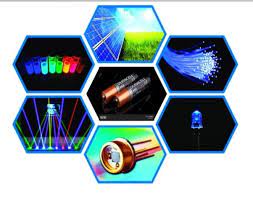
Introduction About M.Sc. Optoelectronics
In The Ever-Evolving Landscape Of Science And Technology, M.Sc. Optoelectronics Stands As A Field Of Study That Bridges The Gap Between Optics And Electronics, Giving Rise To A World Of Opportunities And Innovations. This Article Takes You On A Journey Through The Fascinating Domain Of M.Sc. Optoelectronics, Exploring Its Historical Significance, Current Relevance, Educational Aspects, Career Prospects, And Much More.
Historical Significance
Optoelectronics Has A Rich History, Dating Back To The Early 20th Century. Its Roots Can Be Traced To The Invention Of The Photodetector, Which Revolutionized The Way We Interact With Light. Over The Years, Optoelectronics Has Played A Pivotal Role In The Development Of Optical Communication Systems, Leds, And Lasers, Making It An Indispensable Part Of Our Modern Lives.
Scope And Importance
M.Sc. Optoelectronics Continues To Be At The Forefront Of Technological Advancement. Its Applications Extend Across Various Sectors, Including Telecommunications, Healthcare, Defense, And Entertainment. With The Ever-Increasing Demand For Devices That Rely On Optics And Electronics, The Scope For Professionals In This Field Is Immense.
Curriculum And Course Structure
Students Pursuing M.Sc. Optoelectronics Can Expect A Rigorous Curriculum That Combines Theoretical Knowledge With Hands-On Experience. The Coursework Covers Topics Like Semiconductor Physics, Optical Communication Systems, And Laser Technology, Providing A Comprehensive Understanding Of The Subject.
How Can I Apply For Admission To M.Sc. Optoelectronics Program?
Applying For Admission To An M.Sc. Optoelectronics Program Involves Several Steps. Here's A Guide On How To Go About It:
Research Programs And Institutions: Begin By Researching Universities And Colleges That Offer M.Sc. Optoelectronics Programs. Look For Institutions That Align With Your Academic And Career Goals.
Check Admission Requirements: Each Institution May Have Specific Admission Requirements. Typically, You'll Need A Bachelor's Degree In A Related Field, Such As Physics, Electronics, Or Engineering. Ensure You Meet The Academic Prerequisites.
Prepare Required Documents:
Academic Transcripts: Gather Your Undergraduate Academic Transcripts, Which Demonstrate Your Previous Academic Performance.
Letters Of Recommendation: Obtain Strong Letters Of Recommendation From Professors Or Professionals Who Can Attest To Your Qualifications And Potential.
Statement Of Purpose: Write A Compelling Statement Of Purpose Outlining Your Reasons For Pursuing M.Sc. Optoelectronics, Your Career Goals, And How The Program Aligns With Your Aspirations.
Resume/Cv: Create A Comprehensive Resume Or Curriculum Vitae Highlighting Your Academic And Professional Experiences.
Standardized Tests: Some Institutions May Require Standardized Test Scores Like The Gre (Graduate Record Examination) Or Ielts/Toefl For International Applicants.
Application Submission: Visit The Institution's Official Website And Complete The Online Application Form. Make Sure To Fill In All The Necessary Information Accurately.
Pay Application Fees: Pay The Application Fees As Specified By The Institution. Some Universities Offer Fee Waivers Or Reduced Fees For Certain Applicants, So Check If You Qualify For Such Exemptions.
Deadlines: Pay Close Attention To Application Deadlines. Many Programs Have Specific Deadlines For Submission. Missing The Deadline Can Affect Your Chances Of Admission.
Interviews And Tests: Some Institutions May Require Interviews Or Subject-Specific Tests As Part Of The Admission Process. Prepare Accordingly If This Is A Requirement.
Financial Aid And Scholarships: Explore Opportunities For Financial Aid And Scholarships That Can Help With Tuition And Living Expenses. Many Universities Offer Scholarships Based On Merit And Need.
Visa And Immigration: If You Are An International Student, Ensure That You Have The Necessary Visa And Immigration Documentation To Study In The Country Where Your Chosen Institution Is Located.
Follow Up: Keep Track Of Your Application Status And Any Additional Documents Requested By The University. Promptly Provide Any Requested Information To Ensure A Smooth Application Process.
Acceptance: Once You Receive An Acceptance Letter, Carefully Review It And Follow The Instructions For Confirming Your Admission. This May Include Paying A Deposit Or Additional Documentation.
Preparation: Prepare For Your Journey By Arranging Accommodation, Travel, And Any Other Logistical Details. Familiarize Yourself With The Campus And The Program Requirements.
Remember That The Specific Application Process May Vary From One Institution To Another, So It's Crucial To Visit The Official Websites Of The Universities You're Interested In To Get Detailed Information On Their Admission Requirements And Procedures. Good Luck With Your Application To The M.Sc. Optoelectronics Program!
What Is The Eligibility For M.Sc. Optoelectronics?
The Eligibility Requirements For M.Sc. Optoelectronics Programs May Vary From One University To Another, But There Are Some Common Criteria That Are Generally Expected For Admission. Here Are The Typical Eligibility Requirements For An M.Sc. Optoelectronics Program:
Educational Background:
A Bachelor's Degree In A Related Field Is Typically Required. This Field Is Usually In The Sciences, Such As Physics, Electronics, Electrical Engineering, Or A Closely Related Discipline.
A Strong Foundation In Mathematics And Physics Is Often Essential.
Academic Performance:
Most Universities Require A Competitive Academic Record. This Typically Includes A Minimum Grade Point Average (Gpa) Or Equivalent, Which Can Vary Between Institutions.
Standardized Tests:
Some Universities May Require Standardized Test Scores, Such As The Graduate Record Examination (Gre). The Specific Score Requirements, If Applicable, Can Vary Between Institutions.
Letters Of Recommendation:
You May Need To Provide Letters Of Recommendation From Professors Or Professionals Who Can Speak To Your Qualifications And Potential For Success In The Program.
Statement Of Purpose:
A Well-Crafted Statement Of Purpose Is Often A Requirement. This Document Should Outline Your Motivations For Pursuing The M.Sc. Optoelectronics Program, Your Career Goals, And How The Program Aligns With Your Aspirations.
Language Proficiency:
For International Applicants, Especially If The Primary Language Of Instruction Is Not English, Proof Of English Language Proficiency Is Typically Required. This Can Be Demonstrated Through Tests Like Ielts Or Toefl.
Work Experience (If Applicable):
Some Programs May Require Or Prefer Applicants To Have Relevant Work Experience, Particularly If The Program Is Designed For Professionals Seeking Further Education.
Interviews And Additional Tests:
In Some Cases, Universities May Conduct Interviews Or Require Applicants To Take Subject-Specific Tests To Assess Their Aptitude For The Program.
It's Important To Note That Eligibility Requirements Can Vary Significantly Between Universities And Colleges. Therefore, It's Essential To Check The Specific Admission Requirements Of The Institutions You Are Interested In Applying To. Each University Will Typically Provide Detailed Information On Their Official Website, Including Specific Gpa Requirements, Test Score Requirements, And Other Prerequisites.
Additionally, Eligibility Criteria Can Change Over Time, So It's A Good Practice To Verify The Most Up-To-Date Requirements On The University's Official Website Or By Contacting Their Admissions Department.
How Long Does It Takes To Complete A M.Sc. Optoelectronics Program?
The Duration Of An M.Sc. Optoelectronics Program Can Vary Depending On The University And Country Where You Choose To Study. However, A Typical M.Sc. Optoelectronics Program Usually Takes Between 1 And 2 Years To Complete.
Here's A Breakdown Of The Possible Durations:
One-Year Program: Some Universities Offer An Accelerated M.Sc. Optoelectronics Program That Can Be Completed In One Year. These Programs Are Often Intense And May Require Students To Have A Strong Background In The Field.
Two-Year Program: Many M.Sc. Optoelectronics Programs Are Designed As Two-Year Courses. These Programs Provide More In-Depth Coursework, Research Opportunities, And The Flexibility To Explore Various Aspects Of Optoelectronics.
The Specific Duration May Also Depend On Factors Like The Structure Of The Curriculum, The Inclusion Of A Research Thesis Or Project, And Whether You Are Studying On A Full-Time Or Part-Time Basis. Additionally, Some Universities May Offer The Option For Students To Complete The Program At Their Own Pace, Which Can Extend The Duration Beyond Two Years.
It's Essential To Check The Program Details Provided By The Specific University Or Institution Where You Plan To Apply. The Program's Website Or Admissions Department Will Typically Have Information On The Program's Duration, Structure, And Any Flexibility In Terms Of Study Timelines.
What Are Potential Career Opportunities After M.Sc. Optoelectronics?
An M.Sc. In Optoelectronics Opens The Door To A Wide Range Of Career Opportunities In Various Sectors Due To The Interdisciplinary Nature Of The Field. Here Are Some Potential Career Opportunities You Can Explore After Completing Your M.Sc. In Optoelectronics:
Photonics Engineer: Photonics Engineers Work On The Development And Optimization Of Devices And Systems That Use Light-Based Technologies. They Design And Build Components For Applications Such As Optical Communications, Laser Systems, And Medical Imaging.
Optical Design Engineer: Optical Design Engineers Focus On Creating And Improving Optical Systems And Components. They Play A Crucial Role In Designing Lenses, Sensors, And Optical Instruments For Various Industries, Including Aerospace, Automotive, And Healthcare.
Research Scientist: With An M.Sc. In Optoelectronics, You Can Pursue A Career In Research And Development. This Might Involve Working In Academia, Government Research Organizations, Or Private Companies To Advance The Field Through Research And Innovation.
Fiber Optic Technician: Fiber Optic Technicians Install, Maintain, And Repair Fiber Optic Networks, Which Are Widely Used For High-Speed Data Transmission. They Ensure The Reliability And Efficiency Of Optical Communication Systems.
Laser Engineer: Laser Engineers Specialize In The Design And Development Of Laser Systems For Applications Such As Materials Processing, Medical Treatments, And Scientific Research. They Work On Improving Laser Technology And Its Various Applications.
Biomedical Optics Specialist: Professionals In This Field Work At The Intersection Of Optics And Healthcare. They Develop Optical Imaging Systems Used In Medical Diagnostics, Surgery, And Non-Invasive Monitoring Of Physiological Parameters.
Telecommunications Specialist: In The Telecommunications Industry, Optoelectronics Experts Play A Key Role In Designing And Maintaining Optical Communication Networks, Including Fiber-Optic Systems That Power The Internet And Telecommunication Infrastructure.
Optoelectronics Product Manager: Product Managers Oversee The Development And Marketing Of Optoelectronics Products. They Ensure That Products Meet Market Demand And Are Competitive In Terms Of Features And Quality.
Quality Control Analyst: Quality Control Analysts Monitor And Assess The Quality Of Optoelectronics Components And Systems. They Are Responsible For Ensuring That Products Meet Industry Standards And Specifications.
Nanotechnology Researcher: Nanotechnology Is A Growing Field With Applications In Optoelectronics. Researchers In This Area Work On Developing And Utilizing Nanoscale Materials And Devices For Improved Optoelectronic Applications.
Astronomical Instrumentation Specialist: Professionals In This Niche Field Design And Build Optical Instruments For Astronomical Observations. They Contribute To Advancements In Astrophysics And Space Exploration.
Entrepreneur/Startup Founder: If You Have Innovative Ideas And Entrepreneurial Spirit, You Can Start Your Own Company In The Optoelectronics Sector. This May Involve Developing New Optical Technologies, Products, Or Services.
Academic Or Industry Trainer: With Additional Qualifications Or Experience, You Can Become An Educator Or Trainer, Teaching Optoelectronics At Universities, Colleges, Or Within The Industry To Help Others Develop Expertise In The Field.
The Field Of Optoelectronics Is Dynamic, With Continuous Advancements, Making It An Exciting Area For Career Growth. The Specific Career Path You Choose May Depend On Your Interests, Skills, And The Opportunities Available In Your Region. Additionally, Some Professionals May Opt To Combine Optoelectronics With Other Fields Such As Materials Science, Electronics, Or Photonics To Expand Their Career Prospects.
Syllabus Of M.Sc. Optoelectronics
|
Semester |
Core Courses |
Elective Courses |
Lab Work |
|
Semester 1 |
- Fundamentals Of Optoelectronics |
- Quantum Mechanics And Optics |
- Optical Experiments |
|
- Optical Materials And Devices |
- Semiconductor Physics And Devices |
- Electronics Lab |
|
|
- Laser Systems And Applications |
- Electromagnetic Theory And Wave Optics |
||
|
Semester 2 |
- Optical Communication Systems |
- Micro-Opto-Electro-Mechanical Systems (Moems) |
- Fiber Optics Lab |
|
- Solid State Physics |
- Photonics And Plasmonics |
- Semiconductor Lab |
|
|
- Optoelectronic Sensors |
- Numerical Methods For Optoelectronics |
||
|
Semester 3 |
- Optical Signal Processing |
- Organic Optoelectronics |
- Optoelectronics Lab |
|
- Quantum Optics |
- Biophotonics And Medical Optics |
- Laser Lab |
|
|
- Nonlinear Optics |
- Optoelectronic Materials And Nanotechnology |
||
|
Semester 4 |
- Optical System Design |
- Nanophotonics And Metamaterials |
- Project Work |
|
- Optoelectronics Research Project |
- Industry Internship (Optional) |
||
|
- Seminar And Presentation Skills |
Internship Opportunities After Completing M.Sc. Optoelectronics?
Completing An M.Sc. In Optoelectronics Can Open Up Various Internship Opportunities That Allow You To Gain Practical Experience In Your Field Of Study. Here Are Some Internship Possibilities After Completing Your M.Sc. In Optoelectronics:
Research Internships: Many Universities And Research Institutions Offer Research Internships Where You Can Work On Cutting-Edge Projects Related To Optoelectronics. This Provides You With The Chance To Collaborate With Experienced Researchers And Contribute To Ongoing Studies.
Industry Internships: Companies In The Optoelectronics Industry, Including Those Specializing In Photonics, Telecommunications, And Optical Device Manufacturing, Often Provide Internship Programs. These Internships Can Give You Insights Into The Real-World Applications Of Optoelectronics And Help You Build Industry-Specific Skills.
Government And Defense Research: Government Agencies And Defense Organizations Often Require Optoelectronics Experts For Research And Development In Areas Like Surveillance, Defense Systems, And Communications. Interning With These Entities Can Be Both Challenging And Rewarding.
Startups: Joining An Optoelectronics Startup Can Be An Exciting Opportunity To Work In A Dynamic Environment. Startups Often Encourage Innovation And Can Provide You With A Hands-On Experience In Various Aspects Of The Field, From Product Development To Business Strategies.
Optical Laboratories: Laboratories Specializing In Optics, Laser Technology, Or Optical Materials May Offer Internships Where You Can Work On Experiments, Tests, And Research Projects Related To Optoelectronics.
Biomedical Optics Internships: For Those Interested In The Intersection Of Optics And Healthcare, Internships In Hospitals, Medical Research Institutions, Or Companies Focused On Medical Devices Can Provide Valuable Experience In Biomedical Optics.
Fiber Optic Communication Companies: With The Increasing Importance Of Optical Communication Networks, Companies In This Sector May Offer Internships That Involve Designing, Installing, Or Maintaining Fiber-Optic Systems.
Academic Research Assistantships: If You Plan To Pursue Further Studies Or A Ph.D. In The Future, Working As A Research Assistant At Your Academic Institution Can Be A Valuable Internship Experience.
International Opportunities: Consider International Internships, Which Can Broaden Your Horizons And Expose You To Different Cultural Perspectives And Applications Of Optoelectronics.
Teaching And Outreach: Some Universities And Organizations Offer Internships That Involve Teaching Or Conducting Outreach Programs To Promote Optoelectronics To A Broader Audience, Including Students And The General Public.
When Seeking Internship Opportunities, Make Use Of University Career Services, Professional Networks, And Online Job Boards. Tailor Your Application Materials To Highlight Your M.Sc. In Optoelectronics And Any Specific Skills Or Areas Of Interest You Have Within The Field. Additionally, Networking With Professors, Mentors, And Professionals In The Industry Can Provide You With Valuable Insights And Connections To Secure Internships That Align With Your Career Goals.
Scholarship And Grants For M.Sc. Optoelectronics?
Pursuing An M.Sc. In Optoelectronics Can Be Financially Demanding, But There Are Several Scholarship And Grant Opportunities Available To Help Alleviate The Cost Of Education. Here Are Some Options You Can Explore:
University Scholarships: Many Universities Offer Scholarships Specifically For M.Sc. Students, Including Those In The Field Of Optoelectronics. These Scholarships May Be Based On Academic Merit, Leadership Qualities, Or Other Criteria. Check With The Universities Where You Plan To Apply For Their Scholarship Offerings.
Departmental Scholarships: Within Universities, Individual Departments Or Faculties May Have Scholarships Or Grants For Students Pursuing M.Sc. Degrees In Optoelectronics. Contact The Relevant Department For Information On Available Awards.
Government Scholarships: Some Governments Offer Scholarships To Both Domestic And International Students Pursuing Higher Education. These Scholarships May Be Need-Based Or Awarded On The Basis Of Academic Excellence.
Fulbright Program: The Fulbright Program Provides Scholarships For International Students To Study In The United States. It's An Excellent Option For Students From Other Countries Interested In An M.Sc. In Optoelectronics At U.S. Universities.
Private Organizations And Foundations: Many Private Organizations And Foundations Offer Scholarships And Grants To Support Students Pursuing Degrees In Science And Technology Fields. These May Be Industry-Specific Or More General In Nature.
Research Assistantships: Some Students Secure Funding Through Research Assistantships. These Positions Often Come With A Stipend And May Require You To Work On Research Projects In Exchange For Financial Support.
Teaching Assistantships: If You Have A Strong Academic Background, You Might Qualify For Teaching Assistantships. These Roles Typically Involve Assisting With Teaching Undergraduate Courses And Come With A Stipend.
Professional Organizations: Some Professional Organizations Related To Optics, Photonics, And Electronics Offer Scholarships And Grants To Students In Optoelectronics Programs. Examples Include Spie, Osa, And Ieee.
Employer Sponsorship: If You Are Currently Working Or Plan To Work In The Optoelectronics Field, Your Employer May Offer Tuition Assistance Or Sponsorship For Your M.Sc. Studies.
External Funding Sources: Look For External Scholarship Databases And Search Engines That Can Help You Find Scholarships Based On Your Specific Criteria, Including Location, Field Of Study, And Academic Achievements.
International Scholarships: If You Plan To Study Abroad, Consider Scholarships Offered By Foreign Governments And International Organizations. These Can Help Cover Tuition, Living Expenses, And Travel Costs.
Merit-Based Scholarships: Many Scholarships Are Awarded Based On Academic Excellence, So Maintaining A High Gpa And Actively Participating In Extracurricular Activities Can Enhance Your Chances Of Receiving Such Awards.
To Maximize Your Chances Of Securing Scholarships And Grants, Start Your Search Well In Advance Of Your M.Sc. Program Application Deadlines. Carefully Review The Eligibility Criteria And Application Requirements For Each Opportunity And Prepare Strong Application Materials, Including A Well-Crafted Personal Statement And Letters Of Recommendation. Be Proactive In Seeking Out Financial Aid, As There Are Many Opportunities Available To Support Your Education In Optoelectronics.
Conclusion
In Conclusion, M.Sc. Optoelectronics Is A Dynamic And Exciting Field That Merges Optics And Electronics To Shape The Future Of Technology. With Its Historical Significance, Wide-Ranging Applications, And Promising Career Prospects, It Continues To Play A Vital Role In Our Lives.
FAQ,s
What Is Optoelectronics?
Optoelectronics Is A Branch Of Science And Technology That Deals With The Study And Application Of Electronic Devices And Systems That Source, Detect, And Control Light.
What Is The Scope Of M.Sc. Optoelectronics?
M.Sc. Optoelectronics Provides A Broad Spectrum Of Career Opportunities In Areas Such As Photonics, Optical Communication, Laser Technology, And More. It's A Field With Growing Relevance In Various Industries.
What Are The Eligibility Criteria For M.Sc. Optoelectronics Programs?
Eligibility Typically Includes A Bachelor's Degree In A Related Field (E.G., Physics, Electronics, Engineering) And May Require Standardized Test Scores Like The Gre. Specific Requirements Vary By Institution.
How Long Does It Take To Complete An M.Sc. Optoelectronics Program?
M.Sc. Optoelectronics Programs Usually Take 1 To 2 Years To Complete, Depending On The Institution And The Structure Of The Program.
What Are The Potential Career Opportunities After Completing M.Sc. Optoelectronics?
Graduates Can Pursue Careers As Photonics Engineers, Optical Design Engineers, Research Scientists, Quality Control Analysts, Or Work In Various Industries Like Telecommunications, Healthcare, And Defense.
Are There Internship Opportunities After Completing M.Sc. Optoelectronics?
Yes, There Are Internship Opportunities In Research, Industry, Government, Startups, And More. Internships Provide Hands-On Experience And Networking Opportunities.
What Financial Aid Options Are Available For M.Sc. Optoelectronics Students?
Financial Aid Includes University Scholarships, Government Scholarships, Departmental Grants, Private Organization Scholarships, Research Assistantships, Teaching Assistantships, And Employer Sponsorships.
Can I Pursue Further Studies After M.Sc. Optoelectronics?
Yes, After Completing M.Sc., You Can Pursue A Ph.D. In A Related Field To Delve Deeper Into Research And Academia Or Advance Your Career Prospects.
What Are The Core Subjects Of M.Sc. Optoelectronics Programs?
Core Subjects Typically Include Optical Materials And Devices, Laser Systems, Optical Communication Systems, And Solid-State Physics, Among Others.
Is There A Demand For Optoelectronics Professionals In The Job Market?
Yes, There Is A Growing Demand For Optoelectronics Professionals Due To The Increasing Use Of Optical Technologies In Various Industries, Including Telecommunications, Healthcare, And Manufacturing.
How Shiksha Hub helps you in
-
 Student Counsellors
 -
 Career Counseling
 -
 Research
 -
 24/7 Support
 -
 Scholarships
 -
 Community