Posted by Admin on 13-07-2023 in Shiksha hub
M.Sc. Plant Biotechnology, Introduction, Admission, Registration, Eligibility, Duration, Fees, Syllabus 2024
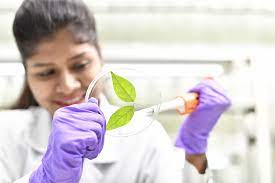
Introduction about M.Sc. Plant Biotechnology
A Master of Science (M.Sc.) in Plant Biotechnology is a postgraduate academic program that focuses on the application of biotechnological techniques to the study and improvement of plants. This field combines principles from biology, genetics, and molecular biology to address challenges in plant science and agriculture. Plant biotechnology plays a crucial role in developing sustainable solutions for food security, environmental conservation, and the production of valuable bio-based products.
The M.Sc. Plant Biotechnology program typically covers a diverse range of topics, including plant molecular biology, genetic engineering, tissue culture, genomics, bioinformatics, and plant breeding. Students in this program gain a deep understanding of the cellular and molecular processes that govern plant growth, development, and responses to environmental stimuli.
The curriculum often includes practical training in modern laboratory techniques, allowing students to acquire hands-on experience in genetic manipulation, plant tissue culture, and advanced analytical methods. Additionally, students may engage in research projects that contribute to the ongoing advancements in plant biotechnology.
Graduates of M.Sc. Plant Biotechnology programs are well-equipped to pursue careers in various sectors, including agricultural research institutions, biotechnology companies, seed industries, and environmental agencies. They play a crucial role in developing and implementing innovative technologies to enhance crop yield, quality, and resistance to pests and diseases. Furthermore, their expertise contributes to the sustainable and responsible use of biotechnology in agriculture, addressing global challenges such as climate change and population growth.
Overall, an M.Sc. in Plant Biotechnology opens doors to a dynamic and rapidly evolving field, providing students with the knowledge and skills to make significant contributions to the improvement of crops and the sustainable development of agriculture.
How can I apply for admission to M.Sc. Plant Biotechnology Program
To apply for admission to an M.Sc. Plant Biotechnology program, you generally need to follow these steps. Keep in mind that specific requirements can vary between universities, so it's crucial to check the admission guidelines of the institution you are interested in:
Research Programs and Universities:
Explore universities and research institutions that offer M.Sc. Plant Biotechnology programs. Consider factors such as program curriculum, faculty expertise, and research opportunities.
Check Admission Requirements:
Review the admission requirements for the M.Sc. Plant Biotechnology program at each institution. Requirements may include a relevant bachelor's degree (e.g., in biology, biotechnology, or a related field), a certain GPA, letters of recommendation, a statement of purpose, and possibly standardized test scores (like the GRE).
Prepare Necessary Documents:
Gather all required documents, which may include:
Transcripts from your previous academic institutions.
Letters of recommendation from professors or professionals who can attest to your academic and research abilities.
A well-written statement of purpose outlining your academic and career goals, and why you are interested in pursuing M.Sc. Plant Biotechnology.
Any standardized test scores that are required.
Take Standardized Tests (if required):
Some universities may require standardized test scores, such as the GRE (Graduate Record Examination). Be sure to check the specific requirements of each institution and plan accordingly.
Online Application:
Complete the online application form for each university you are applying to. This may be available on the university's official website or through a centralized application system.
Pay Application Fee:
Pay the application fee, if applicable. Some institutions charge a fee for processing your application.
Submit Application:
Submit your completed application along with all required documents before the deadline. Make sure to double-check the submission deadline and submit well in advance.
Interview (if required):
Some programs may require an interview as part of the admission process. Prepare for this by reviewing your academic and research background and articulating your interest in plant biotechnology.
Await Admission Decision:
Once you have submitted your application, patiently await the admission decision. This may take several weeks, and you may be notified via email or through an online portal.
Acceptance and Enrollment:
If accepted, carefully follow the instructions provided by the university for accepting the offer of admission and enrolling in the M.Sc. Plant Biotechnology program.
What is the eligibility for M.Sc. Plant Biotechnology
The eligibility criteria for an M.Sc. in Plant Biotechnology can vary between universities, so it's important to check the specific requirements of the institutions you are interested in. However, here are some common eligibility criteria that you might find:
Educational Background:
A bachelor's degree in a relevant field is typically required. This may include degrees in biology, biotechnology, plant science, genetics, or a related discipline.
Minimum GPA:
Many programs have a minimum GPA (Grade Point Average) requirement for the undergraduate degree. The specific GPA threshold can vary, so check the requirements of the individual program.
Prerequisite Courses:
Some programs may have prerequisite courses in biology, chemistry, or other related subjects. Ensure that your undergraduate coursework aligns with the prerequisites of the M.Sc. program.
Letters of Recommendation:
Programs often require letters of recommendation from professors or professionals who can speak to your academic and research capabilities. The number of letters required can vary.
Statement of Purpose:
A statement of purpose is commonly required, where you articulate your academic and career goals, and explain why you are interested in pursuing M.Sc. Plant Biotechnology.
Standardized Test Scores:
Some universities may require standardized test scores, such as the GRE (Graduate Record Examination). Check whether the program you are interested in has any such requirements.
Research Experience:
Having research experience, especially in areas related to plant biology or biotechnology, can strengthen your application. Highlight any relevant research projects or internships in your application.
English Proficiency:
For international students, a proof of English proficiency may be required. This is typically demonstrated through standardized tests like the TOEFL (Test of English as a Foreign Language) or IELTS (International English Language Testing System).
Interview (Possibly):
Some programs may require an interview as part of the admission process. This could be conducted in person, over the phone, or via video conferencing.
How long does it takes to complete a M.Sc. Plant Biotechnology program
The duration of an M.Sc. Plant Biotechnology program typically ranges from 1 to 2 years, depending on the specific structure of the program and the requirements of the university offering it. Here are some factors that can influence the program duration:
Credit Requirements: The number of credits required to complete the program can impact its duration. Some programs may have a fixed credit load per semester or year.
Thesis or Non-Thesis Option: Programs may offer both thesis and non-thesis options. A thesis option often involves independent research and the completion of a thesis, which can extend the program's duration compared to a non-thesis option that may focus more on coursework.
Internship or Practical Training: Some programs may include an internship or practical training component, which can add to the overall duration of the program.
Part-Time vs. Full-Time Study: If the program allows for part-time study, students may take longer to complete the degree compared to full-time students who typically complete the program within the standard duration.
Research Project Requirements: If the program requires a substantial research project, the time needed for planning, execution, and reporting can contribute to the overall duration.
What are potential career opportunities after M.Sc. Plant Biotechnology
Research Scientist/Assistant: Work in research institutions, universities, or biotechnology companies to conduct experiments, analyze data, and contribute to the development of new plant biotechnology applications.
Biotechnologist: Apply your knowledge of plant biotechnology in industries focused on agriculture, pharmaceuticals, or environmental science. This may involve developing genetically modified crops, producing plant-based pharmaceuticals, or working on environmental remediation projects.
Plant Breeder: Work with agricultural companies or research institutions to develop new plant varieties with desirable traits, such as increased yield, resistance to diseases, or improved nutritional content.
Biotechnology Consultant: Offer your expertise to businesses or government agencies as a consultant. This may involve providing advice on the implementation of biotechnological solutions in agriculture, environmental conservation, or other related fields.
Quality Control Manager: Ensure the quality and safety of plant-based products in industries such as agriculture, food, or pharmaceuticals. This role may involve developing and implementing quality control processes.
Bioinformatics Specialist: Analyze and interpret biological data using computational tools. This role is crucial in the era of big data and genomics, and it can be applied to plant genomics and bioinformatics.
Environmental Biotechnologist: Address environmental issues using plant-based solutions. This could involve bioremediation, where plants are used to clean up contaminated environments, or contributing to sustainable agricultural practices.
Teaching and Academia: Pursue a career in academia as a lecturer or professor. This may involve conducting research, teaching, and mentoring students in the field of plant biotechnology.
Pharmaceutical Research: Work in pharmaceutical companies involved in developing plant-based drugs and medicines.
Entrepreneurship: Start your own biotechnology company or consultancy, focusing on innovative solutions for agriculture, environmental conservation, or other plant-related applications.
Regulatory Affairs Specialist: Ensure compliance with regulations and navigate the regulatory landscape for plant biotechnology products. This role is critical in industries that deal with genetically modified organisms (GMOs).
Science Communication: Use your expertise to communicate scientific concepts to the public or policymakers. This could involve writing, journalism, or working with science communication organizations.
Syllabus of M.Sc. Plant Biotechnology
Semester 1:
Plant Biology and Physiology:
Overview of plant structure, function, and growth.
Cellular processes in plants.
Plant physiology and metabolism.
Genetics and Molecular Biology:
Principles of classical genetics.
Molecular biology techniques applied to plant sciences.
Genomics and bioinformatics.
Biostatistics and Research Methodology:
Introduction to statistical methods used in biological research.
Experimental design and data analysis.
Biochemistry:
Plant biochemistry and its applications.
Metabolic pathways in plants.
Plant Tissue Culture:
Techniques for in vitro plant propagation.
Applications in agriculture and industry.
Semester 2:
Plant Genetic Engineering:
Principles and techniques of genetic engineering.
Applications in plant improvement.
Plant Pathology:
Study of plant diseases.
Disease management and control strategies.
Plant Biotechnology Laboratory:
Hands-on experience with techniques such as PCR, gene cloning, and plant transformation.
Environmental Biotechnology:
Plant responses to environmental stress.
Biotechnological approaches to environmental conservation.
Seminar/Project Work:
Seminar presentations on contemporary topics.
Initial work on research projects.
Semester 3:
Plant Breeding and Crop Improvement:
Principles and methods of plant breeding.
Molecular breeding techniques.
Advanced Plant Biotechnology:
Cutting-edge technologies in plant biotechnology.
Emerging trends and applications.
Ethics in Biotechnology:
Ethical considerations in plant biotechnology research and applications.
Elective Courses:
Specialized topics based on student interest or program focus.
Seminar/Project Work Continues:
Further progress on research projects.
Seminar presentations.
Semester 4:
Thesis Work:
Independent research project.
Thesis preparation and defense.
Biotechnology and Intellectual Property Rights:
Legal and ethical aspects of biotechnology.
Industrial Training/Internship (Optional):
Practical experience in an industrial or research setting.
Viva Voce:
Oral examination related to the thesis work.
Internship opportunities after completing M.Sc. Plant Biotechnology
After completing an M.Sc. in Plant Biotechnology, graduates have a range of internship opportunities in various sectors. These internships provide hands-on experience and the chance to apply the knowledge and skills gained during the academic program. Here are some potential internship opportunities:
Biotechnology Companies:
Internships in biotech companies specializing in plant biotechnology, where you can work on projects related to genetic engineering, crop improvement, and bioprocessing.
Agricultural Research Institutions:
Internships in research institutions focused on agriculture and plant sciences. This could involve contributing to ongoing research projects, conducting experiments, and analyzing data.
Seed Companies:
Internships with seed companies that focus on developing and improving plant varieties. This may include activities related to plant breeding, trait development, and seed production.
Government Agencies:
Internships with government agencies involved in agriculture and environmental protection. This could include working on projects related to sustainable agriculture, biodiversity conservation, and plant health.
Environmental Biotechnology Companies:
Internships in companies that specialize in environmental biotechnology, where you may work on projects related to phytoremediation, the use of plants to clean up environmental pollutants.
Agribusiness and Agrochemical Companies:
Internships with companies that provide agricultural products and services. This could involve working on projects related to the development and testing of agrochemicals, fertilizers, and other agricultural inputs.
Botanical Gardens and Arboreta:
Internships in botanical gardens or arboreta where you can gain practical experience in plant conservation, propagation, and public education.
Non-Profit Organizations:
Internships with non-profit organizations focused on sustainable agriculture, food security, and environmental conservation. This could involve community outreach, education programs, or research initiatives.
Academic Research Labs:
Internships in academic research labs where you can collaborate on cutting-edge research projects in plant biotechnology.
Food and Beverage Industry:
Internships in the food and beverage industry, especially in companies that use plant-derived ingredients. This could involve quality control, flavor development, or the application of biotechnology in food processing.
Scholorship and grants for M.Sc. Plant Biotechnology
There are various scholarships and grants available to support students pursuing an M.Sc. in Plant Biotechnology. These financial aids can help cover tuition fees, living expenses, and research costs. Here are some potential sources of scholarships and grants:
University Scholarships:
Many universities offer merit-based scholarships for outstanding students. Check the scholarship opportunities provided by the university where you plan to pursue your M.Sc. in Plant Biotechnology.
Government Scholarships:
Government agencies may offer scholarships for students pursuing studies in biotechnology, agriculture, or related fields. Check with relevant government departments or educational agencies in your country.
International Scholarships:
Some organizations and foundations provide scholarships for international students. Look for programs offered by entities such as Fulbright, DAAD, or the Commonwealth Scholarship Commission.
Nonprofit Organizations:
Nonprofit organizations in the fields of agriculture, biotechnology, and environmental conservation may offer scholarships. Examples include the Gates Foundation and the World Wildlife Fund (WWF).
Industry-Specific Scholarships:
Biotechnology companies and organizations in the agricultural sector sometimes offer scholarships to support students pursuing plant biotechnology studies. Check with companies and industry associations.
Research Grants:
Explore research grants offered by institutions, government agencies, and private foundations. These grants can support your research projects during your M.Sc. program.
Professional Associations:
Associations related to plant sciences, biotechnology, or agriculture may have scholarship programs for students. Examples include the American Society of Plant Biologists (ASPB) or the European Plant Science Organization (EPSO).
Rotary Clubs and Civic Organizations:
Local Rotary Clubs and civic organizations sometimes offer scholarships for students pursuing higher education. Check with community-based groups for potential opportunities.
Corporate Sponsorships:
Some corporations may provide sponsorships or scholarships for students pursuing studies in fields relevant to their industry. Explore corporate social responsibility (CSR) programs and scholarship initiatives.
Online Scholarship Databases:
Utilize online scholarship databases and search engines that allow you to filter scholarships based on your field of study. Websites like Scholarship.com, Fastweb, and Chegg Scholarships can be useful resources.
Conclusion
In conclusion, pursuing an M.Sc. in Plant Biotechnology opens up a world of possibilities in the realms of agriculture, genetics, and environmental sustainability. Armed with a solid understanding of plant sciences, genetic engineering techniques, and practical skills gained through hands-on experiences, graduates are well-positioned for impactful careers. Whether delving into cutting-edge research, contributing to sustainable agriculture practices, or working in biotech industries, the M.Sc. Plant Biotechnology journey is a gateway to a greener and more sustainable future."
FAQs M.Sc. Plant Biotechnology
Q1: What is M.Sc. Plant Biotechnology?
M.Sc. Plant Biotechnology is a postgraduate program focusing on the application of biotechnological techniques to the study and enhancement of plants, encompassing genetics, molecular biology, and sustainable agriculture.
Q2: What are the career prospects after completing M.Sc. Plant Biotechnology?
Graduates can pursue careers in research institutions, biotech companies, seed industries, agriculture, and environmental agencies, contributing to crop improvement, sustainable farming, and environmental conservation.
Q3: Are there scholarships available for M.Sc. Plant Biotechnology students?
Yes, various scholarships and grants are available, including university scholarships, government-funded programs, industry sponsorships, and research grants supporting students throughout their M.Sc. journey.
Q4: What topics are covered in the M.Sc. Plant Biotechnology program?
The program typically covers plant biology, genetics, molecular biology, plant breeding, biostatistics, plant tissue culture, genetic engineering, and advanced plant biotechnology topics, preparing students for diverse roles in the field.
Q5: How long does it take to complete M.Sc. Plant Biotechnology?
The duration is usually 1 to 2 years, depending on factors such as credit requirements, thesis options, and the inclusion of internships or practical training.
How Shiksha Hub helps you in
-
 Student Counsellors
 -
 Career Counseling
 -
 Research
 -
 24/7 Support
 -
 Scholarships
 -
 Community