Posted by Admin on 07-07-2023 in Shiksha hub
M.Sc. Retail Management Introduction, Admission, Registration, Eligibility, Duration, Fees, Syllabus 2024
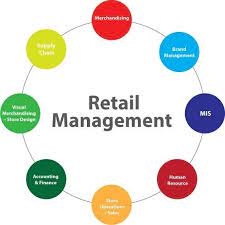
Introduction about M.Sc. Retail Management
M.Sc. Retail Management is a postgraduate degree program that focuses on the various aspects of retail business and management. Retail management involves all the steps required to bring the customers into the store and fulfill their buying needs. It is a discipline that combines elements of marketing, sales, customer satisfaction, inventory management, and operations to ensure the smooth functioning of retail outlets.
Key Components of M.Sc. Retail Management:
Business Fundamentals: Students are equipped with a solid understanding of business principles, including accounting, finance, and economics. This knowledge forms the foundation for effective retail management.
Retail Marketing: The program covers retail-specific marketing strategies, including market research, consumer behavior analysis, branding, and promotions tailored for the retail environment.
Supply Chain Management: Students learn about supply chain logistics, inventory management, procurement, and distribution, essential for ensuring products are available when and where customers need them.
Visual Merchandising: This aspect focuses on the presentation of products in the retail space to attract customers, enhance their shopping experience, and ultimately boost sales.
E-commerce and Omnichannel Retailing: With the rise of online shopping, students are taught about e-commerce platforms, digital marketing, and integrating online and offline retail experiences.
Customer Relationship Management: Building and maintaining strong relationships with customers are vital in retail. Students learn techniques to understand customer needs and preferences, ensuring high levels of customer satisfaction and loyalty.
Retail Operations: The program covers the day-to-day operations of retail businesses, including store layout planning, staffing, customer service, and effective management of resources.
Entrepreneurship: Some programs include modules on entrepreneurial skills, empowering students to start and manage their own retail ventures.
Career Opportunities:
Graduates with an M.Sc. in Retail Management can pursue various careers in the retail industry, including:
Retail Manager: Overseeing the operations of a retail store, managing staff, inventory, and customer interactions.
Merchandiser: Selecting and purchasing products to be sold in retail stores, analyzing market trends, and ensuring products are stocked appropriately.
Marketing Manager: Developing and implementing marketing strategies specific to retail, both online and offline, to attract customers and boost sales.
Supply Chain Analyst: Managing the flow of goods and services, optimizing supply chain processes, and ensuring products are delivered efficiently.
E-commerce Manager: Overseeing online sales platforms, digital marketing, and ensuring a seamless online shopping experience for customers.
An M.Sc. in Retail Management equips graduates with the knowledge and skills necessary to excel in the dynamic and competitive retail industry, whether in traditional brick-and-mortar stores or in the rapidly growing online marketplace.
How can I apply for admission to M.Sc. Retail Management program?
To apply for admission to an M.Sc. Retail Management program, follow these general steps. Please note that specific requirements and procedures may vary by university, so it's important to check the admission guidelines of the particular institution you are interested in. Here's a general overview of the application process:
Research Programs and Universities: Start by researching universities or colleges that offer M.Sc. Retail Management programs. Look for institutions known for their business or management schools and check their program curriculum, faculty, and facilities.
Check Admission Requirements: Review the admission requirements for the M.Sc. Retail Management program at each university. Typically, you'll need a bachelor's degree in a related field, such as business, marketing, or economics. Some programs might also require relevant work experience or a certain GPA (Grade Point Average).
Prepare Required Documents: Gather all necessary documents, which usually include:
Academic Transcripts: Copies of your undergraduate transcripts or academic records.
Letters of Recommendation: Usually, you'll need recommendation letters from professors or employers who can vouch for your academic capabilities and work ethic.
Statement of Purpose (SOP): Write a compelling SOP explaining your reasons for choosing the M.Sc. Retail Management program, your career goals, and how the program aligns with your aspirations.
Resume/CV: Detail your educational background, work experience, skills, and achievements.
English Proficiency Test Scores: If English is not your first language, you may need to provide scores from tests like IELTS or TOEFL to demonstrate your English language proficiency.
Prepare for Entrance Exams (if required): Some universities might require you to take specific entrance exams, such as the GRE (Graduate Record Examination) or GMAT (Graduate Management Admission Test). Prepare for these exams if they are part of the admission criteria.
Submit Online Application: Complete the online application form provided by the university. Ensure that you fill in all the necessary details accurately and upload the required documents.
Pay Application Fees: Pay the application fees, which vary by university. Keep a copy of the payment receipt for future reference.
Prepare for Interviews (if required): Some universities conduct interviews as part of the admission process. Prepare for these interviews by practicing common interview questions and articulating your reasons for pursuing the program.
Submit Application: Review your application thoroughly before submitting it. Submit the application within the specified deadline.
Track Application Status: After submitting your application, keep track of its status. Some universities provide online portals where you can check the progress of your application.
Wait for Admission Decision: Once the application deadline has passed, wait for the university's decision. If you are accepted, you will receive an official admission letter outlining the next steps, including enrollment procedures and deadlines.
Remember that each university might have specific requirements and deadlines, so it's crucial to carefully read and follow the instructions provided by the institutions you are applying to. Good luck with your application!
What is the eligibility for M.Sc. Retail Management?
The eligibility criteria for M.Sc. Retail Management can vary from one university to another. However, there are some common prerequisites that many institutions typically require for admission to this program. Here are the general eligibility criteria:
Educational Background:
A bachelor's degree in a related field such as Business Administration, Marketing, Economics, Commerce, or any other relevant discipline from a recognized university.
Some universities might require a minimum percentage or grade point average (GPA) in the undergraduate degree. This requirement varies, so it's essential to check the specific criteria of the universities you are interested in.
Entrance Exams:
Some universities may require you to take certain entrance exams such as the GRE (Graduate Record Examination) or GMAT (Graduate Management Admission Test). The score requirements can vary, so check the individual university's admission guidelines.
Work Experience (Optional):
While work experience is not always mandatory, some universities might prefer or require applicants to have relevant work experience in the retail industry. This could be an added advantage during the admission process.
English Language Proficiency:
For international students or non-native English speakers, proof of English language proficiency is usually required. Commonly accepted English proficiency tests include IELTS (International English Language Testing System) or TOEFL (Test of English as a Foreign Language). Minimum score requirements vary by university.
Letters of Recommendation:
Some universities may ask for letters of recommendation from professors, employers, or other professionals who can vouch for your academic abilities and suitability for the program.
Statement of Purpose (SOP) or Personal Statement:
You may be required to submit a Statement of Purpose outlining your reasons for choosing the M.Sc. Retail Management program, your career goals, and how the program aligns with your aspirations.
Interview (if applicable):
In some cases, universities conduct interviews as part of the admission process. Be prepared to discuss your academic background, work experience, and motivation for pursuing the M.Sc. Retail Management program.
It's crucial to check the specific eligibility criteria and admission requirements of the universities you are interested in, as these criteria can vary significantly. Additionally, universities might update their requirements, so always refer to the official university website or contact the admissions office for the most accurate and current information regarding eligibility for the M.Sc. Retail Management program.How long does it takes to complete a M.Sc. Retail Management program?
The duration of an M.Sc. Retail Management program typically varies based on the university and country where you choose to study. However, most M.Sc. programs, including M.Sc. Retail Management, are designed to be completed within one to two years of full-time study.
One-Year Programs: Some universities offer intensive M.Sc. programs that can be completed in one academic year, usually consisting of two semesters. These programs are often more rigorous and require students to focus entirely on their studies for the duration of the program.
Two-Year Programs: Many M.Sc. Retail Management programs are structured as two-year courses, especially in countries like the United States, Canada, and certain European countries. In these programs, students typically complete coursework, internships, and research projects over four semesters. Two-year programs often allow for a more in-depth exploration of the subject matter and may include opportunities for specialization or additional elective courses.
The choice between a one-year and a two-year program depends on the university's curriculum, your academic background, and your career goals. Some students prefer the shorter duration of one-year programs to enter the workforce more quickly, while others opt for the comprehensive nature of two-year programs, which can provide a more thorough understanding of the subject.
Additionally, some universities offer part-time or online options for M.Sc. Retail Management programs, allowing working professionals to pursue their studies while balancing other commitments. Part-time programs may have a more extended duration, often ranging from two to three years, to accommodate students' schedules.
It's essential to research the specific program structures and durations offered by different universities to find the one that best suits your needs and preferences. Be sure to check the curriculum, course offerings, and any additional opportunities for practical experience, such as internships or industry projects, as these factors can significantly enhance your learning experience and prepare you for a successful career in retail management.
What are potential career opportunities after M.Sc. Retail Management?
Obtaining an M.Sc. in Retail Management opens up a wide range of career opportunities in the dynamic and diverse retail industry. Graduates with this qualification possess a unique blend of business acumen, marketing skills, and in-depth knowledge of retail operations, making them valuable assets to various sectors. Here are some potential career opportunities after completing an M.Sc. in Retail Management:
Retail Manager: Retail managers oversee the day-to-day operations of stores or retail chains. They are responsible for managing staff, inventory, customer service, and overall store performance. Retail managers work to maximize sales, enhance customer experience, and ensure the smooth functioning of the retail outlet.
Merchandiser: Merchandisers are responsible for selecting and purchasing products to be sold in retail stores. They analyze market trends, consumer preferences, and sales data to make informed decisions about product selection, pricing, and inventory levels. Merchandisers aim to optimize sales and profitability for retail businesses.
Marketing Manager: Retail marketing managers develop and implement marketing strategies specifically tailored for retail environments. They conduct market research, plan advertising campaigns, manage social media presence, and create promotions to attract customers and boost sales. Retail marketing managers need to understand consumer behavior and effectively communicate the value of products or services to potential buyers.
Supply Chain Analyst/Manager: Professionals in supply chain management ensure the smooth flow of goods and services from suppliers to customers. They focus on inventory management, procurement, logistics, and distribution to optimize supply chain efficiency. Retail companies rely on supply chain experts to minimize costs, reduce lead times, and enhance overall operational effectiveness.
E-commerce Manager: With the growing importance of online retail, e-commerce managers play a crucial role in managing online sales platforms. They oversee website functionality, digital marketing campaigns, online customer experience, and fulfillment processes. E-commerce managers work to increase online visibility, attract website traffic, and drive online sales.
Visual Merchandiser: Visual merchandisers are responsible for creating visually appealing displays in retail spaces. They arrange products, design store layouts, and create attractive window displays to capture customers' attention and enhance the overall shopping experience. Visual merchandisers aim to boost sales by presenting products in an enticing manner.
Retail Consultant: Retail consultants provide expert advice to retail businesses on various aspects, such as marketing strategies, operational efficiency, customer experience, and inventory management. They analyze business processes, identify areas for improvement, and recommend solutions to help retailers optimize their operations and increase profitability.
Entrepreneur: Armed with the knowledge and skills acquired during their M.Sc. in Retail Management, graduates can choose to start their own retail businesses. This could involve opening a physical store, an online store, or a combination of both. Entrepreneurial ventures allow individuals to apply their creativity and innovation in the retail sector.
These are just a few examples of the many career paths available to M.Sc. Retail Management graduates. The retail industry is diverse, offering opportunities in various sectors such as fashion, electronics, grocery, luxury goods, and more. As retail continues to evolve, professionals with specialized education in retail management are in high demand, making this degree a valuable asset for a successful and fulfilling career.
Syllabus of M.Sc. Retail Management
The specific syllabus for M.Sc. Retail Management can vary from one university to another. However, I can provide you with a general overview of the topics that are commonly covered in a typical M.Sc. Retail Management program, organized on a semester-wise basis. Please note that the actual courses and their contents may differ based on the institution and its curriculum.
Semester 1:
Introduction to Retail Management:
Retail Fundamentals
Retail Environment and Trends
Retail Marketing Strategies
Financial Management for Retailers:
Financial Accounting
Budgeting and Financial Planning
Retail Finance and Investment
Consumer Behavior Analysis:
Understanding Consumer Psychology
Market Research Methods
Consumer Buying Behavior Models
Supply Chain Management:
Logistics and Distribution
Inventory Management
Supplier Relationship Management
Retail Operations:
Store Layout and Visual Merchandising
Store Management and Operations
Retail Technology and Point of Sale Systems
Semester 2:
E-commerce and Omnichannel Retailing:
E-commerce Platforms and Technologies
Online Marketing and Social Media Strategies
Integrating Online and Offline Retail Experiences
Human Resource Management in Retail:
Staffing and Recruitment
Training and Development
Employee Relations and Performance Management
Retail Analytics:
Data Analysis for Retail Decision Making
Business Intelligence Tools
Predictive Analytics in Retail
Legal and Ethical Issues in Retail:
Retail Laws and Regulations
Intellectual Property Rights
Ethical Practices in Retail
Entrepreneurship in Retail:
Business Plan Development
Startup Strategies
Funding and Investment
Semester 3 (Optional - Internship/Project Work):
Internship:
Hands-on experience in a retail organization, applying theoretical knowledge in real-world scenarios.
OR
Project Work:
Research project related to a specific area of retail management, addressing practical challenges and proposing solutions.
Semester 4 (Optional - Specializations/Electives):
Retail Marketing Specialization:
Advanced Retail Marketing Strategies
Brand Management in Retail
Retail Promotions and Events
OR
Supply Chain Management Specialization:
Advanced Supply Chain Optimization
Global Supply Chain Management
Sustainable Supply Chain Practices
Internship opportunities after completing M.Sc. Retail Management?
Completing an M.Sc. in Retail Management can open up numerous internship opportunities in the retail industry. Internships are valuable experiences that allow you to apply your theoretical knowledge in real-world settings, gain practical skills, and build professional networks. Here are some potential internship opportunities after completing M.Sc. Retail Management:
Retail Companies and Chains:
Large retail chains and companies often offer internship programs in various departments such as marketing, operations, merchandising, and supply chain management. Interns may assist in store management, sales analysis, inventory control, and customer service.
E-commerce Platforms:
Internships with e-commerce platforms provide opportunities to work on online retail strategies, digital marketing, user experience optimization, and data analytics. E-commerce internships can be especially relevant given the growing importance of online retail.
Fashion and Apparel Brands:
Fashion retailers and apparel brands frequently offer internships in areas like fashion merchandising, retail marketing, visual merchandising, and store management. Interns may assist in product launches, fashion shows, and store display design.
Consumer Electronics Retailers:
Internships with consumer electronics retailers allow you to work with popular electronic products, understand customer preferences, and gain insights into sales and marketing strategies for technology-related retail items.
Luxury Retailers:
Luxury brands and high-end retailers often offer internships in their flagship stores or marketing departments. These internships provide exposure to premium products, affluent customer interactions, and exclusive marketing strategies.
Grocery and Supermarket Chains:
Internships with grocery and supermarket chains involve activities related to inventory management, supply chain operations, customer service, and marketing for food and household products.
Market Research Firms:
Market research companies often conduct studies related to consumer behavior, retail trends, and product preferences. Interns can assist in research projects, data analysis, and report generation, gaining valuable insights into consumer insights and market analysis.
Retail Consultancies:
Retail consultancy firms offer internships where you can work on projects for various retail clients. Interns may assist in analyzing business processes, conducting market research, and providing recommendations to improve retail operations.
Startups in Retail Tech:
Startups specializing in retail technology, such as point-of-sale systems, inventory management software, and customer analytics tools, offer internships that allow you to explore innovative solutions transforming the retail industry.
Social Media and Influencer Marketing Agencies:
With the rise of social media marketing, agencies specializing in influencer marketing and social media management offer internships to work on retail brand campaigns, content creation, and online promotions.
When seeking internship opportunities, it's essential to research companies, network with professionals in your field, and utilize career services provided by your university. Additionally, online job portals, professional networking platforms, and company websites are valuable resources for finding internships in the retail industry. Tailor your application and resume to match the specific requirements of the internships you are interested in to increase your chances of securing a rewarding internship experience.
Scholarship and grants for M.Sc. Retail Management?
Scholarships and grants for M.Sc. Retail Management programs can be offered by universities, government organizations, private institutions, and non-profit foundations. These financial aid options are designed to support students in pursuing their education and can help cover tuition fees, living expenses, or research costs. Here are some sources where you can explore scholarships and grants for M.Sc. Retail Management:
University Scholarships: Many universities offer merit-based scholarships and need-based financial aid for graduate students, including those enrolled in M.Sc. Retail Management programs. These scholarships are typically awarded based on academic achievements, leadership qualities, or specific talents.
Government Scholarships: Government bodies in various countries provide scholarships and grants to both domestic and international students. Check with the education department or scholarship portals of your country to explore government-funded financial aid opportunities for higher education.
Private Organizations and Foundations: Numerous private companies, non-profit organizations, and foundations offer scholarships and grants to support students pursuing specific fields of study, including retail management. These organizations may have specific eligibility criteria and application processes, so it's essential to research and apply for relevant opportunities.
Industry-Specific Scholarships: Retail industry associations and organizations sometimes provide scholarships to students interested in pursuing careers in retail management. These scholarships aim to support future leaders in the retail sector. Explore websites and resources related to retail industry associations to find out about available scholarships.
Corporate Sponsorships: Some corporations and retail companies sponsor students' education through scholarships or tuition reimbursement programs. Research retail companies known for supporting education and inquire about their scholarship programs or employee benefits related to education.
International Scholarships: If you are an international student, many countries and universities offer scholarships specifically for students from abroad. These scholarships can help cover tuition fees and living expenses during your studies.
Online Scholarship Databases: Several online platforms provide databases of scholarships and grants available for various fields of study, including retail management. Websites like Scholarship.com, Fastweb, and Scholarships360 allow you to search for scholarships based on your educational background and interests.
Fellowship Programs: Some fellowship programs provide financial support for graduate students conducting research or pursuing advanced studies in specific areas. Look for fellowship opportunities related to business, management, or retail studies.
When applying for scholarships and grants, be sure to carefully read the eligibility criteria, application deadlines, and required documents. Prepare a compelling application, including a well-written essay, letters of recommendation, and proof of academic achievements. Additionally, check the official websites of universities, government agencies, and organizations for the most up-to-date and accurate information regarding available scholarships and grants for M.Sc. Retail Management programs.
Conclusion
In conclusion, pursuing an M.Sc. in Retail Management is a strategic and rewarding choice for individuals aspiring to excel in the dynamic field of retail. This advanced degree equips students with a profound understanding of retail operations, marketing strategies, consumer behavior, supply chain management, and e-commerce innovations. As the retail industry continues to evolve, professionals with specialized knowledge and skills are in high demand.
FAQ,s
Q1: What is M.Sc. Retail Management? A1: M.Sc. Retail Management is a postgraduate degree program that focuses on the various aspects of retail business and management. It covers topics such as retail marketing, supply chain management, consumer behavior analysis, e-commerce, and store operations.
Q2: What are the eligibility criteria for M.Sc. Retail Management? A2: The eligibility criteria typically include a bachelor's degree in a related field such as Business Administration, Marketing, or Commerce. Some universities may require specific entrance exams, work experience, or English language proficiency tests for international students.
Q3: What career opportunities are available after completing M.Sc. Retail Management? A3: Graduates can pursue careers as retail managers, merchandisers, marketing managers, supply chain analysts, e-commerce managers, visual merchandisers, retail consultants, and entrepreneurs, among other roles.
Q4: How long does it take to complete an M.Sc. Retail Management program? A4: The duration of M.Sc. Retail Management programs typically ranges from one to two years, depending on the university and country. Some programs are intensive and can be completed in one year, while others are structured over two years.
Q5: Are there internship opportunities after completing M.Sc. Retail Management? A5: Yes, there are various internship opportunities in retail companies, e-commerce platforms, fashion brands, consumer electronics retailers, market research firms, and more. Internships provide practical experience and insights into the retail industry.
Q6: Are there scholarships available for M.Sc. Retail Management students? A6: Yes, there are scholarships and grants offered by universities, government organizations, private institutions, industry associations, and corporate sponsors to support M.Sc. Retail Management students. Eligibility criteria and application processes vary.
Q7: What is the curriculum of M.Sc. Retail Management programs? A7: The curriculum typically covers subjects like retail marketing, financial management, consumer behavior analysis, supply chain management, e-commerce, retail operations, legal and ethical issues in retail, and entrepreneurship. Internships and specializations may also be part of the program.
Q8: Can I pursue an M.Sc. Retail Management program online? A8: Yes, some universities offer online M.Sc. Retail Management programs, allowing students to pursue their studies remotely. Online programs provide flexibility for working professionals and individuals with other commitments.
Q9: What skills are important for a career in retail management? A9: Important skills for a career in retail management include leadership, communication, analytical thinking, problem-solving, customer service, marketing, salesmanship, and organizational skills. Adaptability and a deep understanding of consumer behavior are also valuable.
Q10: How can I apply for admission to an M.Sc. Retail Management program? A10: To apply, research universities offering the program, check their specific admission requirements, prepare necessary documents (transcripts, recommendation letters, statement of purpose, etc.), and submit your application online. Be aware of application deadlines and follow the instructions provided by the respective universities.
How Shiksha Hub helps you in
-
 Student Counsellors
 -
 Career Counseling
 -
 Research
 -
 24/7 Support
 -
 Scholarships
 -
 Community