Posted by Admin on 13-07-2023 in Shiksha hub
M.Sc. Soil And Water Conservation, Introduction, Admission, Registration, Eligibility, Duration, Fees, Syllabus 2024
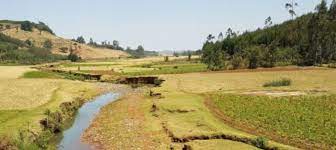
Introduction about M.Sc. Soil And Water Conservation
A Master of Science (M.Sc.) in Soil and Water Conservation is a specialized academic program that focuses on the sustainable management of soil and water resources to address environmental challenges and promote agricultural productivity. This field of study integrates principles from soil science, hydrology, agronomy, and environmental science to develop effective strategies for the conservation and responsible use of soil and water.
The program typically covers a range of topics, including soil erosion, water management, watershed management, soil fertility, and environmental conservation. Students learn to apply scientific principles and advanced technologies to analyze and address issues related to soil degradation, water scarcity, and environmental pollution. The aim is to develop professionals who can contribute to the development and implementation of sustainable practices in agriculture, land use planning, and natural resource management.
Graduates of an M.Sc. in Soil and Water Conservation are equipped with the knowledge and skills needed to design and implement conservation plans, assess the impact of land use practices on soil and water quality, and contribute to the overall goal of achieving sustainable and resilient ecosystems. Career opportunities for individuals with this degree include roles in government agencies, environmental consulting firms, agricultural organizations, research institutions, and non-governmental organizations (NGOs) working on environmental and agricultural issues.
The program often includes a combination of classroom instruction, laboratory work, field studies, and research projects, allowing students to gain both theoretical knowledge and practical experience in the field. Overall, an M.Sc. in Soil and Water Conservation is designed to prepare professionals who can address the complex challenges associated with soil and water management, contributing to the long-term sustainability of agricultural systems and the preservation of natural ecosystems.
How can I apply for admission to M.Sc. Soil And Water Conservation Program
To apply for admission to an M.Sc. in Soil and Water Conservation program, you typically need to follow these general steps. Keep in mind that the specific requirements may vary depending on the university or educational institution:
Research Programs and Universities:
Explore different universities or institutions offering M.Sc. programs in Soil and Water Conservation. Look for institutions with strong faculty, relevant research opportunities, and a curriculum that aligns with your career goals.
Check Admission Requirements:
Review the admission requirements for each university or program. Common requirements may include a bachelor's degree in a related field (such as agriculture, environmental science, or biology), letters of recommendation, a statement of purpose, and sometimes standardized test scores (e.g., GRE).
Prepare Required Documents:
Gather all the necessary documents, including academic transcripts, letters of recommendation, a resume or curriculum vitae (CV), a statement of purpose explaining your interest in the program, and any required standardized test scores.
Take Standardized Tests (if required):
Some programs may require standardized test scores, such as the GRE (Graduate Record Examination). If this is a requirement, make sure to register for and take the test well in advance of application deadlines.
Online Application:
Visit the official website of the university or institution offering the M.Sc. program and locate the online application portal. Follow the instructions to complete the application form and upload all required documents.
Pay Application Fee:
Pay the application fee, if applicable. Some universities require a fee to process your application, and this fee may vary among institutions.
Submit Application:
Once you have completed the online application and uploaded all necessary documents, submit your application before the deadline. Be sure to check the deadline for submission, as late applications may not be considered.
Follow Up:
After submitting your application, monitor your email for any communication from the admissions office. Some universities may request additional information or documentation.
Prepare for Interviews (if required):
Some programs may require an interview as part of the admissions process. Prepare for potential interviews by reviewing your application, researching the program, and being ready to discuss your academic and professional background.
Wait for Admission Decision:
Once you have completed the application process, you'll need to wait for the admission decision. This can take several weeks, and you may be notified by email or through an online portal.
What is the eligibility for M.Sc. Soil And Water Conservation
The eligibility criteria for an M.Sc. in Soil and Water Conservation can vary among universities, but here are some general requirements commonly observed across programs:
Educational Qualifications:
A bachelor's degree in a relevant field is typically required. This may include disciplines such as Agriculture, Environmental Science, Biology, Earth Science, or related fields. The degree should be from a recognized university or educational institution.
Minimum GPA:
Many programs have a minimum GPA requirement for the undergraduate degree. This requirement can vary but often falls in the range of 2.5 to 3.0 on a 4.0 scale.
Entrance Exams (if applicable):
Some universities may require scores from standardized tests such as the GRE (Graduate Record Examination). Be sure to check the specific requirements of the program you are interested in.
Letters of Recommendation:
Programs often ask for letters of recommendation from professors or professionals who can speak to your academic abilities, work ethic, and potential for success in a graduate program.
Statement of Purpose (SOP):
A well-written statement of purpose outlining your academic and professional background, your reasons for pursuing the M.Sc. in Soil and Water Conservation, and your future career goals is typically required.
Resume or Curriculum Vitae (CV):
Submitting a resume or CV detailing your educational and professional experiences, research projects, and any relevant skills can be part of the application requirements.
English Language Proficiency:
If English is not your first language, you may be required to demonstrate proficiency in English through standardized tests such as the TOEFL (Test of English as a Foreign Language) or IELTS (International English Language Testing System).
Relevant Background or Coursework:
Some programs may prefer or require applicants to have completed specific coursework at the undergraduate level, especially in areas related to soil science, agronomy, environmental science, or hydrology.
How long does it takes to complete a M.Sc. Soil And Water Conservation program
The duration to complete an M.Sc. in Soil and Water Conservation program typically ranges from 1 to 2 years, depending on the structure of the program and the policies of the educational institution offering the degree. The duration may vary based on factors such as the credit requirements, research components, and whether the program is offered on a full-time or part-time basis. Here are some common scenarios:
Full-Time Programs:
Many M.Sc. programs are designed to be completed in two academic years when pursued on a full-time basis. This often includes a combination of coursework, laboratory work, and a research thesis or project.
Accelerated Programs:
Some universities offer accelerated or intensive M.Sc. programs that can be completed in one year. These programs may involve a more condensed schedule and a higher course load.
Part-Time Programs:
Part-time M.Sc. programs, where students take a reduced course load while balancing other commitments, may take longer to complete. Part-time programs are often designed to accommodate working professionals or those with other responsibilities.
Research Requirements:
The inclusion of a research thesis or project can also impact the duration of the program. If a significant research component is required, it may extend the time needed to fulfill the degree requirements.
Internship or Practical Components:
Some programs may include internships, fieldwork, or practical components, which can contribute to the overall duration of the program.
What are potential career opportunities after M.Sc. Soil And Water Conservation
Graduates with an M.Sc. in Soil and Water Conservation possess specialized knowledge and skills that make them well-suited for a variety of career opportunities in both the public and private sectors. Here are some potential career paths:
Soil and Water Conservation Specialist:
Work with government agencies, environmental organizations, or consulting firms to develop and implement soil and water conservation plans, promote sustainable land use practices, and address environmental challenges.
Environmental Consultant:
Assess and manage the impact of human activities on the environment, providing expertise in soil and water conservation to clients ranging from businesses to government agencies.
Agricultural Extension Officer:
Collaborate with farmers and agricultural communities to promote sustainable farming practices, soil health, and efficient water management.
Research Scientist:
Conduct research in academic or research institutions to advance knowledge in soil and water conservation, contributing to the development of innovative and sustainable solutions.
Water Resource Manager:
Work with government agencies or water utilities to manage and optimize the use of water resources, ensuring sustainable water supply and addressing issues such as water quality and availability.
Natural Resource Manager:
Oversee the responsible and sustainable use of natural resources, including soil and water, in various settings such as national parks, conservation areas, and private lands.
Environmental Policy Analyst:
Analyze and develop policies related to environmental conservation, land use, and water resource management for government agencies, non-profit organizations, or research institutions.
GIS Specialist (Geographic Information Systems):
Use spatial data and technology to analyze and map soil and water characteristics, supporting decision-making in conservation and land management.
Educator or Academician:
Teach at the university level, sharing knowledge of soil and water conservation with future generations and conducting research to contribute to the field.
Non-profit Organization Work:
Collaborate with non-governmental organizations (NGOs) focused on environmental conservation, sustainable agriculture, and water management to implement projects and initiatives.
Environmental Impact Assessment Specialist:
Assess the potential environmental impact of development projects, providing recommendations for minimizing negative effects on soil and water resources.
Hydrologist:
Study the distribution, movement, and properties of water in the environment, working on projects related to water conservation, flood control, and sustainable water use.
Syllabus of M.Sc. Soil And Water Conservation
The specific syllabus for an M.Sc. in Soil and Water Conservation can vary among universities, and the following is a general outline that covers common topics. Please note that this is a sample syllabus and may not represent the actual curriculum of any specific institution. Additionally, the semester-wise breakdown is a suggestion and may differ based on the program structure of the university. It's recommended to check with the specific university for accurate and detailed information.
Semester 1:
Fundamentals of Soil Science:
Soil formation, classification, and physical properties.
Soil mineralogy and chemistry.
Soil fertility and nutrient management.
Hydrology and Watershed Management:
Introduction to hydrological cycle.
Watershed delineation and characteristics.
Water quality assessment and management.
Principles of Agronomy:
Crop production and management.
Agronomic practices for sustainable agriculture.
Crop physiology and growth.
Research Methodology:
Scientific research methods and experimental design.
Data collection, analysis, and interpretation.
Literature review and research proposal development.
Environmental Science:
Basic principles of environmental science.
Environmental issues and conservation measures.
Impact of human activities on soil and water resources.
Semester 2:
Soil Erosion and Conservation:
Erosion processes and factors.
Soil conservation techniques and practices.
Sedimentation control.
Irrigation and Drainage Engineering:
Principles of irrigation and drainage.
Water application methods and efficiency.
Drainage systems and waterlogging control.
Advanced Soil Physics:
Soil water movement and retention.
Soil-plant-atmosphere continuum.
Soil temperature and heat transfer.
Remote Sensing and GIS in Soil and Water Management:
Applications of remote sensing in soil and water studies.
Geographic Information Systems (GIS) for spatial analysis.
Image interpretation and mapping.
Seminar:
Presentation and discussion of research topics and recent developments in soil and water conservation.
Semester 3:
Soil Conservation Practices:
Conservation tillage.
Cover cropping and agroforestry.
Windbreaks and shelterbelts.
Soil Microbiology:
Microbial ecology and functions in soil.
Soil microbial communities.
Bioremediation and soil health.
Water Quality Management:
Assessment and monitoring of water quality.
Non-point source pollution control.
Best management practices.
Elective Course 1:
Students may choose a course based on their interests or specialization.
Research Project Proposal:
Development of a detailed proposal for the research project to be conducted in the final semester.
Semester 4:
Research Project:
Conduct an independent research project in soil and water conservation under the guidance of a faculty advisor.
Data collection, analysis, and presentation of research findings.
Dissertation Writing:
Compilation and writing of the dissertation based on the research project.
Literature review, methodology, results, discussion, and conclusions.
Viva Voce:
Oral defense of the research project and dissertation.
Seminar and Workshops:
Participation in seminars and workshops covering advanced topics in soil and water conservation.
Interaction with experts and professionals in the field.
Internship opportunities after completing M.Sc. Soil And Water Conservation
After completing an M.Sc. in Soil and Water Conservation, there are several internship opportunities that can provide valuable hands-on experience and enhance your skills in the field. Internships offer a practical application of the knowledge gained during your academic program and can be instrumental in building a strong foundation for your career. Here are some potential internship opportunities:
Government Agencies:
Many government agencies, such as the Department of Agriculture or Environmental Protection Agency, offer internships related to soil and water conservation. Interns may be involved in field surveys, data collection, and the implementation of conservation programs.
Non-Profit Organizations:
Non-governmental organizations (NGOs) focused on environmental conservation and sustainable agriculture often provide internship opportunities. Interns may work on projects related to community outreach, environmental education, or the development of conservation initiatives.
Environmental Consulting Firms:
Environmental consulting firms hire interns to assist with soil and water quality assessments, environmental impact assessments, and the design and implementation of conservation plans. This provides exposure to real-world projects and client interactions.
Agricultural Organizations:
Internships with agricultural extension offices or organizations working with farmers can involve promoting sustainable farming practices, conducting soil health assessments, and assisting with water management projects.
Research Institutions:
Internships at research institutions or universities allow individuals to work on ongoing research projects, gaining experience in experimental design, data collection, and analysis related to soil and water conservation.
Water Resource Management Agencies:
Agencies responsible for water resource management may offer internships focusing on watershed management, water quality monitoring, and the development of strategies for efficient water use.
Wildlife and Conservation Organizations:
Organizations dedicated to wildlife conservation often collaborate with soil and water experts to address habitat degradation. Interns may work on projects that involve restoring ecosystems and managing water resources.
Private Companies in Environmental Services:
Private companies specializing in environmental services, including soil and water management, may provide internship opportunities in areas such as environmental monitoring, pollution control, and sustainable land development.
GIS and Remote Sensing Companies:
Internships with companies specializing in Geographic Information Systems (GIS) and remote sensing can offer exposure to advanced technologies used in soil and water conservation, including spatial analysis and mapping.
International Organizations:
Some internships may be available with international organizations that focus on global environmental issues. These opportunities can provide a broader perspective on soil and water conservation challenges.
Scholorship and grants for M.Sc. Soil And Water Conservation
Scholarships and grants for M.Sc. in Soil and Water Conservation are often available to support students in pursuing their education and research in this field. These financial aid opportunities can come from various sources, including government institutions, private organizations, foundations, and universities. Here are some common types of scholarships and grants that students may explore:
University-Specific Scholarships:
Many universities offer scholarships specifically for M.Sc. students, including those in the field of Soil and Water Conservation. These scholarships may be based on academic merit, research potential, or financial need. Check with the university's financial aid office or the department offering the program for information on available scholarships.
Government Scholarships and Fellowships:
Government agencies may provide scholarships or fellowships to students pursuing degrees in environmental science, agriculture, or related fields. For example, programs from the Department of Agriculture, Environmental Protection Agency (EPA), or other relevant government bodies may offer financial support.
Professional Associations and Organizations:
Associations related to soil and water conservation, environmental science, and agriculture often offer scholarships to support students in these fields. Examples include the Soil Science Society of America (SSSA), the American Water Resources Association (AWRA), and other regional or international associations.
Nonprofit Organizations and Foundations:
Nonprofit organizations and foundations dedicated to environmental conservation and sustainable agriculture may provide scholarships or grants. These organizations may have specific initiatives focused on soil and water conservation.
Corporate Sponsorships:
Some corporations with interests in environmental sustainability or agriculture may offer scholarships to students pursuing studies in soil and water conservation. Check with companies involved in environmental services, agricultural technology, or related industries.
International Scholarships:
Students looking to pursue M.Sc. programs in soil and water conservation in a country different from their own may explore international scholarships provided by governments, organizations, or universities in the host country.
Research Grants:
Research-focused grants may be available for students undertaking specific projects or research initiatives in soil and water conservation. These grants could be from government agencies, private foundations, or research institutions.
Community and Service Organizations:
Local community organizations or service clubs may offer scholarships to students who demonstrate a commitment to community service, environmental conservation, or related causes.
Diversity and Inclusion Scholarships:
Some scholarships are specifically designed to support students from underrepresented groups in the field. These may include scholarships aimed at increasing diversity and inclusion in the environmental sciences.
Online Scholarship Databases:
Explore online scholarship databases and platforms that aggregate information about various scholarships. Websites like Fastweb, Chegg, and Scholarship.com can be useful for finding a wide range of scholarship opportunities.
Conclusion
In conclusion, pursuing an M.Sc. in Soil and Water Conservation opens doors to a world of opportunities. From in-depth knowledge about soil science to hands-on experiences in water resource management, this program equips you for a meaningful career in environmental stewardship. Explore the diverse career paths, access scholarships, and be part of the solution for a sustainable future. Your journey starts now!"
FAQs M.Sc. Soil And Water Conservation
Q: What is M.Sc. Soil and Water Conservation?
A: M.Sc. Soil and Water Conservation is a specialized program focusing on sustainable management of soil and water resources, blending scientific principles to address environmental challenges.
Q: What are the career prospects after completing this program?
A: Graduates can pursue careers as Soil and Water Conservation Specialists, Environmental Consultants, Agricultural Extension Officers, and more. Diverse opportunities exist in government agencies, NGOs, research institutions, and private sectors.
Q: Are there scholarships available for M.Sc. Soil and Water Conservation?
A: Yes, numerous scholarships are available, including university-specific scholarships, government-sponsored programs, and those from environmental organizations and foundations. These financial aids support students in their educational journey.
Q: How long does it take to complete the M.Sc. program?
A: The duration typically ranges from 1 to 2 years, depending on the program structure, whether full-time or part-time, and the inclusion of research components.
Q: What are the key subjects covered in the program?
A: Subjects include soil erosion and conservation, hydrology, agronomy, research methodology, environmental science, and specialized topics like GIS in soil and water management.
How Shiksha Hub helps you in
-
 Student Counsellors
 -
 Career Counseling
 -
 Research
 -
 24/7 Support
 -
 Scholarships
 -
 Community