Posted by Admin on 13-07-2023 in Shiksha hub
M.Sc. Soil Conservation & Water Management, Introduction, Admission, Registration, Eligibility, Duration, Fees, Syllabus 2024
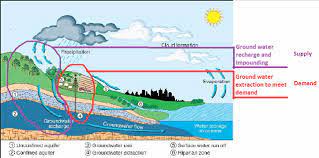
Introduction about M.Sc. Soil Conservation & Water Management
A Master of Science (M.Sc.) in Soil Conservation and Water Management is a specialized academic program designed to equip students with advanced knowledge and skills in the sustainable management of soil and water resources. This multidisciplinary field addresses the critical challenges of preserving soil fertility, preventing erosion, and managing water efficiently in the context of agriculture and environmental conservation.
Key Components of the Program:
Soil Conservation:
Students delve into the principles and practices of soil conservation, focusing on preventing soil degradation, erosion control, and maintaining soil health.
Water Management:
The program emphasizes efficient water resource utilization, covering topics such as irrigation techniques, watershed management, and strategies for water conservation in agricultural settings.
Environmental Sustainability:
With a strong focus on sustainability, students explore methods to balance agricultural productivity with environmental preservation, ensuring long-term ecological health.
Advanced Technologies:
Incorporating modern technologies, students learn to use cutting-edge tools for soil and water analysis, precision agriculture, and data-driven decision-making.
Research and Analysis:
The program often includes research components, enabling students to conduct in-depth studies on soil and water issues, analyze data, and contribute to the development of sustainable agricultural practices.
Policy and Management:
Students gain insights into policy frameworks related to soil and water conservation, as well as management strategies for implementing sustainable practices on a larger scale.
Potential Career Paths:
Graduates of M.Sc. in Soil Conservation and Water Management programs are well-prepared for a variety of careers, including:
Soil Conservationist:
Advising farmers and landowners on soil management practices to prevent erosion and degradation.
Water Resource Manager:
Overseeing the responsible use of water resources in agriculture and ensuring sustainable water management practices.
Environmental Consultant:
Contributing expertise to projects that aim to balance agricultural development with environmental conservation.
Research Scientist:
Engaging in research to develop innovative solutions for soil and water management challenges.
Government Positions:
Working in governmental agencies involved in agriculture, environmental protection, or natural resource management.
Educator/Professor:
Teaching and mentoring the next generation of professionals in soil conservation and water management.
Private Sector Roles:
Joining private companies involved in agribusiness, environmental consulting, or technology development for sustainable agriculture.
How can I apply for admission to M.Sc. Soil Conservation & Water Management Program
Applying for admission to an M.Sc. in Soil Conservation and Water Management program typically involves several steps. Here is a general guide on how you can navigate the application process:
Research Programs and Universities:
Identify universities that offer M.Sc. programs in Soil Conservation and Water Management. Look for institutions known for their strong agriculture or environmental science departments.
Check Admission Requirements:
Review the specific admission requirements for each program you're interested in. These may include academic qualifications, standardized test scores, letters of recommendation, a statement of purpose, and other supporting documents.
Prepare Necessary Documents:
Gather all required documents, which may include:
Completed application form
Official transcripts from your previous educational institutions
Letters of recommendation
Statement of purpose outlining your academic and career goals
Resume or curriculum vitae (CV)
Standardized test scores (if required)
Take Standardized Tests (if required):
Some universities may require standardized test scores, such as the GRE (Graduate Record Examination) or equivalent. Check the specific requirements of the programs you're interested in.
English Language Proficiency:
If English is not your first language, you may need to demonstrate proficiency through tests like the TOEFL (Test of English as a Foreign Language) or IELTS (International English Language Testing System).
Submit Online Application:
Complete the online application form provided by the university. Most universities have an online application system where you can create an account, input your details, and upload the necessary documents.
Pay Application Fee:
Pay the application fee, if applicable. Some universities charge a fee for processing applications, and payment is typically required before your application is considered.
Submit Application:
After completing the application form and paying any required fees, submit your application before the specified deadline. Double-check that all information is accurate and all required documents are attached.
Follow Up:
Keep track of your application status. You may be able to check this through the university's online portal. If necessary, contact the admissions office for updates.
Prepare for Interviews (if required):
Some programs may require an interview as part of the admission process. If so, be prepared to discuss your academic background, research interests, and career goals.
Wait for Admission Decision:
Once your application is complete, wait for the university to make an admission decision. This process can take some time, so be patient.
What is the eligibility for M.Sc. Soil Conservation & Water Management
Eligibility criteria for M.Sc. in Soil Conservation & Water Management programs may vary among universities, but the following are general requirements commonly observed:
Educational Qualifications:
A bachelor's degree in a relevant field such as Agriculture, Environmental Science, Soil Science, or a related discipline is typically required.
Minimum GPA:
Many programs have a minimum Grade Point Average (GPA) requirement. The specific GPA threshold may vary among institutions.
Background in Sciences:
A background in biological sciences, chemistry, agriculture, or a related scientific field is often preferred. Some programs may have specific undergraduate course requirements.
Entrance Exams (if required):
Some universities may require candidates to take standardized entrance exams, such as the GRE (Graduate Record Examination) or equivalent. Check the specific requirements of the programs you are interested in.
Letters of Recommendation:
Most programs require letters of recommendation from professors or professionals who can speak to the applicant's academic abilities and potential for success in the program.
Statement of Purpose:
A well-written statement of purpose outlining your academic and career goals, as well as your interest in pursuing M.Sc. in Soil Conservation & Water Management, is typically required.
Work Experience (if applicable):
Some programs may consider relevant work experience as part of the eligibility criteria. This is more common in professional master's programs.
Language Proficiency:
Proficiency in the language of instruction (usually English) is important. If your primary language is not the language of instruction, you may need to provide proof of language proficiency through tests like the TOEFL (Test of English as a Foreign Language) or IELTS (International English Language Testing System).
How long does it takes to complete a M.Sc. Soil Conservation & Water Management program
The duration of an M.Sc. in Soil Conservation & Water Management program typically ranges from 1 to 2 years, depending on the country and the specific structure of the program. The duration can also vary based on whether the program is full-time or part-time. Here are some general considerations:
Full-Time Programs:
In many countries, a full-time M.Sc. program is designed to be completed in approximately 1 to 2 years.
The exact length can depend on factors such as the credit requirements, research components, and whether there are any additional internship or fieldwork components.
Part-Time Programs:
Part-time M.Sc. programs are designed to accommodate students who are working or have other commitments.
The duration of part-time programs can be longer, often extending beyond 2 years. Some part-time students take classes on a more flexible schedule.
Thesis or Non-Thesis Options:
The structure of the program, particularly whether it includes a research thesis or is based solely on coursework, can influence the duration.
A thesis-based program may require additional time to conduct research and write the thesis.
Internship or Practical Components:
Programs that include internships, practical training, or fieldwork may have a longer duration to allow for these hands-on experiences.
Country-Specific Variances:
The duration of M.Sc. programs can also vary by country. In some countries, such as the United States, a master's program is often designed to be completed in 1 to 2 years, while in others, it may be a standard 2-year program.
What are potential career opportunities after M.Sc. Soil Conservation & Water Management
Completing an M.Sc. in Soil Conservation & Water Management opens up diverse career opportunities in both the public and private sectors. Graduates with expertise in this field play a crucial role in sustainable agriculture, environmental conservation, and natural resource management. Here are potential career paths:
Soil Conservationist:
Work with farmers and landowners to implement soil conservation practices.
Develop and promote strategies to prevent soil erosion and degradation.
Water Resource Manager:
Oversee the efficient and sustainable use of water resources in agricultural settings.
Implement irrigation and water management plans to optimize crop production.
Environmental Consultant:
Assess the environmental impact of agricultural activities on soil and water.
Advise businesses and government agencies on sustainable practices to minimize environmental harm.
Research Scientist:
Conduct research on soil and water management practices.
Contribute to advancements in sustainable agriculture through innovative solutions.
Agricultural Extension Officer:
Work with agricultural communities to disseminate information on soil and water conservation practices.
Provide training and support for implementing sustainable farming techniques.
Government Positions:
Work for government agencies involved in agriculture, environmental protection, or natural resource management.
Contribute to the development and implementation of policies related to soil and water conservation.
Educator/Professor:
Teach soil conservation and water management at universities or agricultural institutions.
Mentor students and contribute to academic research.
Private Sector Roles:
Join environmental consulting firms or agribusinesses.
Work in roles related to sustainability, environmental compliance, and resource management.
Nonprofit Organizations:
Collaborate with nonprofit organizations focused on environmental conservation and sustainable agriculture.
Participate in projects aimed at community development and resource protection.
Land Use Planner:
Work with local governments or private firms to plan land use in a way that considers soil and water conservation principles.
GIS Specialist:
Use Geographic Information Systems (GIS) to analyze and map soil and water data.
Support decision-making processes related to land and resource management.
Ph.D. and Research Opportunities:
Pursue a Ph.D. for further specialization and engage in advanced research in soil conservation and water management.
Internship Syllabus of M.Sc. Soil Conservation & Water Management
Semester 1:
Orientation and Introduction:
Overview of the internship program, objectives, and expectations.
Introduction to the organization or agency hosting the internship.
Literature Review:
Research and review relevant literature on soil conservation and water management.
Understand the current industry trends, best practices, and challenges.
Training in Field Techniques:
Hands-on training in field techniques related to soil and water assessment.
Familiarization with equipment for soil testing, water quality measurement, and erosion control.
Semester 2:
Fieldwork and Data Collection:
Participate in field studies related to soil and water management projects.
Collect and document data on soil erosion, water quality, and conservation practices.
Data Analysis and Interpretation:
Learn statistical methods for analyzing soil and water data.
Interpret results and draw conclusions relevant to conservation and management strategies.
Report Writing:
Develop skills in scientific and technical writing.
Prepare reports summarizing fieldwork, data analysis, and recommendations.
Semester 3:
Project Development:
Collaborate with mentors to identify a specific soil conservation or water management project.
Develop a project proposal outlining objectives, methodology, and expected outcomes.
Research Ethics and Compliance:
Understand ethical considerations in research.
Ensure compliance with regulations and standards relevant to soil and water studies.
Presentation Skills:
Develop effective communication skills for presenting research findings.
Practice presenting to peers, mentors, and potentially external stakeholders.
Semester 4:
Project Implementation:
Implement the approved project plan under the guidance of mentors.
Oversee experiments, data collection, and analysis.
Final Report and Presentation:
Compile and submit a comprehensive final report on the internship project.
Deliver a formal presentation summarizing the project, findings, and recommendations.
Reflection and Evaluation:
Reflect on the internship experience, challenges faced, and lessons learned.
Receive feedback from mentors and evaluate personal and professional growth.
Overall Learning Objectives:
Practical Skills:
Gain hands-on experience in soil conservation and water management techniques.
Apply theoretical knowledge to real-world scenarios.
Research and Analysis:
Develop proficiency in collecting, analyzing, and interpreting data.
Contribute to ongoing research in the field.
Communication Skills:
Enhance written and oral communication skills through report writing and presentations.
Effectively communicate scientific findings to both technical and non-technical audiences.
Project Management:
Learn project development and implementation skills.
Understand the ethical considerations and compliance requirements in research.
Internship opportunities after completing M.Sc. Soil Conservation & Water Management
Completing an M.Sc. in Soil Conservation & Water Management opens up various career opportunities in fields related to environmental conservation, agriculture, research, and consultancy. Here are potential career paths for graduates:
Soil Conservation Specialist:
Work with farmers and landowners to implement soil conservation practices.
Design and oversee erosion control measures to protect soil health.
Water Resource Manager:
Manage water resources in agricultural settings, ensuring efficient and sustainable usage.
Implement irrigation and water management plans to optimize crop production.
Environmental Consultant:
Assess the environmental impact of agricultural activities on soil and water.
Develop and implement strategies for sustainable land use and water conservation.
Research Scientist:
Engage in research to develop innovative solutions for soil and water management challenges.
Contribute to advancements in sustainable agriculture and environmental science.
Agricultural Extension Officer:
Work with communities to disseminate information on soil and water conservation practices.
Provide training and support for implementing sustainable farming techniques.
Government Positions:
Work for government agencies involved in agriculture, environmental protection, or natural resource management.
Contribute to the development and implementation of policies related to soil and water conservation.
Educator/Professor:
Teach soil conservation and water management at universities or agricultural institutions.
Mentor students and contribute to academic research.
Private Sector Roles:
Join environmental consulting firms or agribusinesses.
Work in roles related to sustainability, environmental compliance, and resource management.
Nonprofit Organizations:
Collaborate with nonprofit organizations focused on environmental conservation and sustainable agriculture.
Participate in projects aimed at community development and resource protection.
Land Use Planner:
Work with local governments or private firms to plan land use in a way that considers soil and water conservation principles.
GIS Specialist:
Use Geographic Information Systems (GIS) to analyze and map soil and water data.
Support decision-making processes related to land and resource management.
Ph.D. and Research Opportunities:
Pursue a Ph.D. for further specialization and engage in advanced research in soil conservation and water management.
Scholorship and grants for M.Sc. Soil Conservation & Water Management
Securing scholarships and grants can significantly alleviate the financial burden of pursuing an M.Sc. in Soil Conservation & Water Management. Here are potential sources of funding:
University Scholarships:
Many universities offer merit-based scholarships for outstanding students entering M.Sc. programs.
Check the university's financial aid office or department of agriculture/environmental science for available scholarships.
Government Scholarships:
Government agencies, both national and international, often provide scholarships for students pursuing degrees in environmental science or agriculture.
Explore scholarship programs offered by relevant governmental bodies in your country.
Professional Associations:
Organizations such as the Soil and Water Conservation Society or the International Soil Conservation Organization may offer scholarships to students in the field.
Check the websites of relevant professional associations for scholarship opportunities.
Nonprofit Organizations:
Environmental and conservation-focused nonprofits may have scholarship programs.
Look into organizations like the National Resource Conservation Service (NRCS) or local environmental groups.
International Scholarships:
If you're an international student, explore scholarships provided by international organizations, NGOs, or foundations supporting environmental and agricultural studies.
Corporate Sponsorships:
Some companies in the agricultural or environmental industry offer sponsorships or scholarships to students pursuing degrees in related fields.
Check with agribusinesses, environmental consulting firms, or companies with a focus on sustainability.
Research Grants:
Explore research grants provided by institutions or organizations that fund specific projects in soil conservation and water management.
These grants may be tied to research initiatives or fieldwork.
Online Scholarship Databases:
Utilize online scholarship databases such as Scholarship.com, Fastweb, or the College Board's Scholarship Search to find opportunities relevant to your field of study.
University Research Grants:
Some universities allocate funds for research projects and may offer grants to students conducting relevant research in soil conservation and water management.
Fulbright Program:
If you are an international student, consider applying for the Fulbright Program, which offers scholarships for graduate study in the United States.
Community Foundations:
Explore scholarships provided by local community foundations, particularly those with an interest in supporting education and environmental initiatives.
Conclusion
Embark on a journey of discovery with M.Sc. in Soil Conservation & Water Management. From understanding the intricate balance of soil health to mastering water resource management, this comprehensive guide equips you to make a meaningful impact on sustainable agriculture and environmental conservation. Your gateway to a future where conservation meets innovation and water management is at the forefront of environmental sustainability.
FAQ M.Sc. Soil Conservation & Water Management
What is M.Sc. in Soil Conservation & Water Management?
Explore the program's core components and its role in sustainable agriculture and environmental science.
What Career Opportunities Exist After Completing M.Sc. in Soil Conservation?
Learn about potential paths, from soil conservation specialist to water resource manager and environmental consultant.
How Long Does It Take to Complete the M.Sc. Program?
Gain insights into the program duration and its structure, whether full-time or part-time.
Are There Scholarships Available for M.Sc. Soil Conservation Students?
Discover various scholarship and grant opportunities to support your education in environmental science.
What Does the Internship Syllabus Look Like for M.Sc. Soil Conservation Students?
Get a glimpse of semester-wise internship activities and learning objectives.
How Can I Apply for Admission to M.Sc. Soil Conservation Programs?
Learn the step-by-step process for applying to M.Sc. Soil Conservation & Water Management programs.
What Skills and Expertise Will I Gain from the Program?
Understand the practical skills, research abilities, and career prospects expected from the program.
Conclusion: Embark on a journey of discovery with M.Sc. in Soil Conservation & Water Management. From understanding the intricate balance of soil health to mastering water resource management, this comprehensive guide equips you to make a meaningful impact on sustainable agriculture and environmental conservation. Your gateway to a future where conservation meets innovation and water management is at the forefront of environmental sustainability.
How Shiksha Hub helps you in
-
 Student Counsellors
 -
 Career Counseling
 -
 Research
 -
 24/7 Support
 -
 Scholarships
 -
 Community