Posted by Admin on 13-07-2023 in Shiksha hub
M.Sc. Soil Science And Water Management, Introduction, Admission, Registration, Eligibility, Duration, Fees, Syllabus 2024
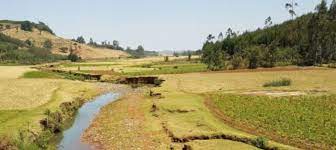
Introduction about M.Sc. Soil Science And Water Management
A Master of Science (M.Sc.) in Soil Science and Water Management is a graduate-level program that focuses on the scientific study and management of soil resources and water systems. This interdisciplinary field combines principles of soil science, hydrology, agronomy, and environmental science to address the challenges related to soil health, water availability, and sustainable land use.
The program typically covers a broad range of topics, including soil chemistry, physics, and biology, as well as water management strategies, irrigation techniques, and the impact of land use on water resources. Students in this program gain a deep understanding of the interactions between soil, water, plants, and the environment, and they learn to apply this knowledge to address issues such as soil degradation, water pollution, and the efficient use of water in agriculture.
M.Sc. in Soil Science and Water Management programs often include both theoretical and practical components, with hands-on fieldwork, laboratory experiments, and research projects. Students may also explore advanced techniques such as remote sensing and GIS (Geographic Information Systems) to analyze and manage soil and water resources more effectively.
Graduates of this program are well-equipped to pursue careers in various sectors, including agriculture, environmental consulting, water resource management, research institutions, and government agencies. They play a crucial role in developing sustainable practices to ensure the responsible use of soil and water resources, addressing the global challenges of food security, climate change, and environmental sustainability.
How can I apply for admission to M.Sc. Soil Science And Water Management Program
Applying for admission to an M.Sc. in Soil Science and Water Management program typically involves several steps. Here is a general guide to help you through the application process:
Research Programs and Universities:
Start by researching universities that offer M.Sc. programs in Soil Science and Water Management. Look for institutions known for their strong agriculture or environmental science departments.
Review Admission Requirements:
Check the admission requirements for each university and program. Requirements may include a bachelor's degree in a related field (such as agriculture, environmental science, or biology), letters of recommendation, a statement of purpose, and standardized test scores (like the GRE).
Prepare Application Materials:
Gather all required documents, which may include:
Completed application form
Academic transcripts from your undergraduate studies
Letters of recommendation
Statement of purpose outlining your academic and career goals
Resume or curriculum vitae (CV)
Standardized test scores (if required)
Take Standardized Tests (if required):
Some programs may require you to take standardized tests like the GRE (Graduate Record Examination). Make sure to check the specific requirements of the programs you are interested in and prepare accordingly.
Prepare for Interviews (if required):
Some programs may require an interview as part of the admission process. Be prepared to discuss your academic and research background, as well as your interest in the field.
Submit Online Application:
Complete the online application form for each university you are applying to. Ensure that all required documents are uploaded or submitted according to the specified guidelines and deadlines.
Pay Application Fees:
Pay any required application fees. Some universities may offer fee waivers based on financial need, so check with the admissions office if you have concerns about the fees.
Follow Up:
Keep track of your application status and follow up with the admissions office if necessary. Make sure that all required documents have been received.
Consider Financial Aid and Scholarships:
Explore financial aid options and scholarships that may be available to you. Some universities offer merit-based scholarships or assistantships for graduate students.
Acceptance and Enrollment:
Once you receive admission offers, carefully review them and make a decision. Follow the instructions provided by the university to confirm your enrollment.
What is the eligibility for M.Sc. Soil Science And Water Management
The eligibility criteria for an M.Sc. in Soil Science and Water Management can vary slightly among different universities and programs. However, here are some common eligibility requirements that you might encounter:
Educational Background:
A bachelor's degree in a related field is typically required. This could include disciplines such as agriculture, environmental science, biology, or a closely related field. The degree should be from a recognized institution.
Minimum GPA:
Many programs have a minimum grade point average (GPA) requirement for admission. This GPA threshold may vary, but competitive programs often look for a strong academic record.
Relevant Coursework:
Some programs may prefer or require that applicants have completed specific undergraduate coursework related to soil science, agronomy, biology, or environmental science.
Letters of Recommendation:
Applicants may be required to submit letters of recommendation from professors or professionals who can speak to their academic abilities and potential for success in a graduate program.
Statement of Purpose:
A statement of purpose or personal statement outlining your academic and career goals, as well as why you are interested in pursuing an M.Sc. in Soil Science and Water Management, is often part of the application process.
Standardized Tests:
Some universities may require standardized test scores, such as the GRE (Graduate Record Examination). Check the specific requirements of the programs you are interested in to determine whether these tests are necessary.
English Proficiency:
If your primary language is not English, you may need to demonstrate proficiency in English through standardized tests like the TOEFL (Test of English as a Foreign Language) or IELTS (International English Language Testing System).
Work Experience (if applicable):
Some programs may consider relevant work experience in their admissions criteria. This could be particularly true for applicants who have been working in a related field.
How long does it takes to complete a M.Sc. Soil Science And Water Management program
The duration of an M.Sc. in Soil Science and Water Management program typically ranges from one to two years, depending on the specific structure of the program and the country where it is offered. Here are some common scenarios:
One-Year Programs:
Some universities offer accelerated M.Sc. programs that can be completed in one year. These programs are often intensive and may require students to take a full load of courses throughout the academic year.
Two-Year Programs:
Many M.Sc. programs in Soil Science and Water Management are designed as two-year programs. In these cases, students have a more extended period to complete coursework, engage in research, and fulfill any additional program requirements.
Research Thesis vs. Coursework:
The duration can also depend on whether the program requires students to complete a research thesis. Programs with a significant research component may take longer to allow students sufficient time for data collection, analysis, and writing.
Part-Time Options:
Some universities may offer part-time options for students who are working or have other commitments. Part-time programs generally have a more extended duration, allowing students to balance their studies with other responsibilities.
Internship or Practical Component:
Programs that include internships or practical components may also have a longer duration to accommodate the hands-on experience gained during these activities.
What are potential career opportunities after M.Sc. Soil Science And Water Management
Graduates with an M.Sc. in Soil Science and Water Management have a wide range of career opportunities in various sectors. Here are some potential career paths:
Soil Scientist:
Work with agricultural or environmental organizations to assess soil quality, provide recommendations for soil management, and develop sustainable agricultural practices.
Water Resource Manager:
Focus on the management and conservation of water resources, ensuring sustainable use and addressing issues related to water scarcity, quality, and distribution.
Agricultural Consultant:
Provide expertise to farmers and agricultural businesses on optimizing crop yields, managing soil health, and implementing water-efficient irrigation systems.
Environmental Consultant:
Work with government agencies, private firms, or non-profit organizations to assess and manage the environmental impact of land use practices, ensuring compliance with regulations.
Research Scientist:
Conduct research in academic institutions, research centers, or government agencies to advance knowledge in soil science, water management, and related fields.
GIS Specialist:
Use Geographic Information Systems (GIS) to analyze and interpret spatial data related to soil and water, assisting in land use planning, environmental monitoring, and resource management.
Environmental Manager:
Oversee environmental compliance and sustainability initiatives for corporations, ensuring that business operations align with environmental regulations and best practices.
Government Positions:
Work in government agencies responsible for agriculture, environmental protection, or natural resources, contributing to policy development and implementation.
International Development Specialist:
Contribute to global efforts addressing food security and environmental sustainability, working with international organizations or non-profits on projects in developing countries.
Educator/Academia:
Teach at the university level, sharing expertise in soil science and water management with the next generation of professionals and conducting research in academic settings.
Conservationist:
Work with conservation organizations to protect natural resources, biodiversity, and ecosystems through sustainable land management practices.
Land Use Planner:
Collaborate with urban planning teams to assess the impact of development on soil and water resources and contribute to sustainable land-use planning.
Syllabus of M.Sc. Soil Science And Water Management
The specific structure and requirements of an internship syllabus for an M.Sc. in Soil Science and Water Management can vary between universities and programs. However, here is a general outline that you might find in a semester-wise internship syllabus:
Semester 1: Introduction to Soil Science and Water Management
Weeks 1-4: Orientation and Training
Introduction to the program and expectations for the internship.
Overview of the organization or institution hosting the internship.
Training on relevant software, equipment, and safety protocols.
Weeks 5-8: Soil Science Fundamentals
Exposure to basic soil science concepts and principles.
Field visits to observe soil profiles and characteristics.
Hands-on activities related to soil sampling and analysis.
Weeks 9-12: Water Management Basics
Introduction to principles of water management in agriculture.
Field trips to irrigation systems and water management facilities.
Practical exercises on water quality assessment.
Semester 2: Specialized Training and Application
Weeks 1-4: Advanced Soil Science
In-depth study of soil chemistry, physics, and biology.
Laboratory work on advanced soil analysis techniques.
Integration of soil science concepts into real-world scenarios.
Weeks 5-8: Advanced Water Management
Advanced topics in water resource management and conservation.
Practical training on precision irrigation techniques.
Exposure to water management challenges and solutions.
Weeks 9-12: Research and Project Planning
Introduction to research methodologies in soil science and water management.
Development of a research or project proposal for the internship.
Meetings with mentors to finalize project details.
Semester 3: Internship Implementation and Data Collection
Weeks 1-4: Project Initiation
Implementation of the research or project plan.
Regular meetings with mentors to discuss progress.
Data collection and initial analysis.
Weeks 5-8: Field Work and Data Validation
Extensive fieldwork to collect soil and water samples.
Validation of data through repeated measurements.
Troubleshooting and adapting the project plan as needed.
Weeks 9-12: Mid-Internship Review and Reporting
Mid-internship review with mentors and program coordinators.
Preparation of a progress report.
Presentation of preliminary findings to peers and mentors.
Semester 4: Analysis, Reporting, and Conclusion
Weeks 1-4: Data Analysis and Interpretation
In-depth data analysis using statistical tools.
Interpretation of results and identification of trends.
Preparation for the final internship report.
Weeks 5-8: Final Report Writing
Writing the final internship report.
Review and feedback sessions with mentors.
Preparation for the final presentation.
Weeks 9-12: Presentation and Conclusion
Presentation of the final internship findings.
Q&A sessions and feedback from peers and mentors.
Conclusion of the internship with reflections on the experience.
Internship opportunities after completing M.Sc. Soil Science And Water Management
Completing an M.Sc. in Soil Science and Water Management opens up a range of opportunities in various sectors. Here are potential career paths and opportunities for individuals with this qualification:
Soil Scientist:
Conduct research and provide expertise on soil properties, health, and management practices.
Water Resource Manager:
Manage and conserve water resources, ensuring sustainable use and addressing issues such as scarcity and quality.
Agricultural Consultant:
Advise farmers on optimizing crop yields, soil health, and water-efficient irrigation techniques.
Environmental Consultant:
Work on projects assessing and managing the environmental impact of land use, ensuring compliance with regulations.
Research Scientist:
Engage in research within academic institutions, research centers, or government agencies to advance knowledge in soil science and water management.
GIS Specialist:
Utilize Geographic Information Systems to analyze and interpret spatial data related to soil and water, aiding in land use planning and resource management.
Government Positions:
Work in government agencies responsible for agriculture, environmental protection, or natural resources, contributing to policy development and implementation.
International Development Specialist:
Contribute to global efforts addressing food security and environmental sustainability, working with international organizations or non-profits on projects in developing countries.
Educator/Academia:
Teach at the university level, sharing expertise in soil science and water management and conducting research in academic settings.
Conservationist:
Work with conservation organizations to protect natural resources, biodiversity, and ecosystems through sustainable land management practices.
Land Use Planner:
Collaborate with urban planning teams to assess the impact of development on soil and water resources, contributing to sustainable land-use planning.
Environmental Manager:
Oversee environmental compliance and sustainability initiatives for corporations, ensuring that business operations align with environmental regulations and best practices.
Agribusiness Manager:
Work in the private sector with companies involved in agriculture, managing aspects related to soil health, water use efficiency, and sustainable practices.
Water Quality Specialist:
Focus on assessing and improving water quality in various settings, including agricultural, industrial, and natural environments.
Ph.D. and Further Research:
Pursue a Ph.D. for those interested in advanced research, teaching, and contributing to the academic community.
Scholorship and grants for M.Sc. Soil Science And Water Management
There are various scholarships and grants available for individuals pursuing an M.Sc. in Soil Science and Water Management. These financial aid opportunities can help offset the costs of tuition, living expenses, and research projects. Here are some potential sources of funding:
University Scholarships:
Many universities offer scholarships specifically for graduate students, including those in soil science and water management programs. These may be based on academic merit, research potential, or other criteria.
Government Scholarships and Grants:
Government agencies, both national and international, often provide scholarships and grants for students pursuing degrees in fields related to environmental science, agriculture, and water management. Check with your country's government or international agencies for available opportunities.
Research Grants:
Some organizations and foundations provide research grants to support specific projects within soil science and water management. Look for opportunities that align with your research interests and goals.
Professional Associations:
Professional associations related to soil science, water management, and agriculture may offer scholarships to support the education of graduate students. Examples include the Soil Science Society of America and the International Water Association.
Nonprofit Organizations:
Nonprofit organizations focused on environmental conservation, sustainable agriculture, and water resources may provide financial support for graduate students. Research organizations aligned with your interests for potential funding opportunities.
Industry Sponsorships:
Companies in the agricultural and environmental sectors may offer sponsorships or scholarships to students pursuing degrees in soil science and water management. Check with industry partners and corporations for available programs.
International Scholarships:
For students pursuing M.Sc. programs in countries other than their own, there are international scholarships and fellowships available. Organizations like Fulbright, Chevening, and the Erasmus Mundus program offer support for international students.
Philanthropic Foundations:
Some philanthropic foundations focus on supporting education and research in environmental science and agriculture. Explore foundations that align with your academic and career interests.
Regional Funding:
Explore funding opportunities specific to your region. Local governments, community organizations, and regional foundations may offer scholarships or grants for students studying soil science and water management.
University Research Assistantships:
Many universities offer research assistantships as part of graduate programs. These positions provide financial support while allowing students to gain research experience.
Conclusion
In conclusion, the M.Sc. in Soil Science and Water Management opens doors to a myriad of exciting career opportunities in sustainable agriculture, environmental science, and water resource management. By exploring scholarships, research grants, and understanding the program's FAQs, aspiring students can embark on a rewarding journey towards contributing to the vital fields of soil and water science."
FAQs M.Sc. Soil Science And Water Management
What is M.Sc. in Soil Science and Water Management?
Explore the definition, scope, and significance of an M.Sc. program in Soil Science and Water Management.
What career opportunities are available after completing the program?
Discover a range of career paths, from soil scientist to water resource manager and environmental consultant.
Are there scholarships for M.Sc. in Soil Science and Water Management?
Learn about available scholarships, grants, and financial aid options for aspiring graduate students.
What are the key research areas in this field?
Delve into the research focus areas, from soil chemistry to water quality assessment, within the program.
How long does it take to complete the M.Sc. program?
Understand the typical duration of an M.Sc. in Soil Science and Water Management and factors that may influence completion time.
Can international students apply for these programs?
Explore the eligibility and application process for international students interested in pursuing this master's program.
What are the admission requirements for M.Sc. in Soil Science and Water Management?
Get insights into the academic and application prerequisites for admission to the program.
How Shiksha Hub helps you in
-
 Student Counsellors
 -
 Career Counseling
 -
 Research
 -
 24/7 Support
 -
 Scholarships
 -
 Community