Posted by Admin on 07-07-2023 in Shiksha hub
M.Sc. Sports Coaching Introduction, Admission, Registration, Eligibility, Duration, Fees, Syllabus 2024
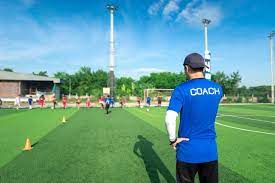
Introduction about M.Sc. Sports Coaching
Introduction
Are you passionate about sports and coaching? Do you dream of making a career out of your passion for helping athletes achieve their best potential? If so, you've come to the right place. In this article, we'll explore the fascinating world of M.Sc. in Sports Coaching.
Understanding M.Sc. in Sports Coaching
M.Sc. in Sports Coaching is a postgraduate program that equips individuals with the knowledge and skills needed to become successful sports coaches. It focuses on the technical, tactical, and strategic aspects of coaching in various sports.
Benefits of Pursuing an M.Sc. in Sports Coaching
Expertise: Gain in-depth knowledge of sports coaching techniques and strategies.
Career Opportunities: Unlock a wide range of career opportunities in the sports industry.
Skill Development: Enhance your coaching skills, including communication and leadership.
Networking: Build a strong network within the sports coaching community.
Research Opportunities: Contribute to the field through research and analysis.
Importance of Sports Coaching
Sports coaching plays a crucial role in the development of athletes. Coaches inspire and guide athletes to achieve their full potential, instilling discipline and teamwork.
How can I apply for admission to M.Sc. Sports Coaching?
Applying for admission to an M.Sc. in Sports Coaching program involves several steps. Here's a general overview of the process:
Research and Choose a Program: Start by researching universities and colleges that offer M.Sc. in Sports Coaching programs. Consider factors like location, reputation, curriculum, and specialization options. Choose a program that aligns with your goals and interests.
Check Eligibility Requirements: Review the admission requirements for the specific program you're interested in. Typically, you will need a bachelor's degree in a related field. Some universities may have additional requirements, such as a minimum GPA or standardized test scores.
Prepare Required Documents: Gather the necessary documents for your application, which may include:
Academic transcripts
Letters of recommendation
Statement of purpose (SOP)
Resume or CV
Standardized test scores (if required)
English language proficiency test scores (e.g., IELTS or TOEFL) for international students
Write a Compelling SOP: Your statement of purpose is a critical part of your application. In your SOP, explain your motivation for pursuing M.Sc. in Sports Coaching, your relevant experiences, and your career goals. Highlight how the program aligns with your aspirations.
Prepare for Interviews (if required): Some programs may require an interview as part of the admission process. Be prepared to discuss your passion for sports coaching and your suitability for the program.
Submit Your Application: Complete the online application form provided by the university. Ensure that you submit all required documents and pay the application fee, if applicable.
Financial Planning: Consider your financial situation and explore scholarship opportunities. Many universities offer scholarships and financial aid for eligible students. Research and apply for these to ease the financial burden.
Track Application Status: After submitting your application, keep track of your application status through the university's application portal. You may need to provide additional information or documents if requested.
Acceptance and Enrollment: Once you receive an acceptance letter, review it carefully. It will outline the terms of your admission. If you decide to enroll, follow the instructions provided to secure your spot in the program.
Visa (for International Students): If you are an international student, apply for a student visa to study in your chosen country. Be sure to meet all visa requirements and deadlines.
Orientation and Registration: Attend any orientation sessions offered by the university. Register for your courses, obtain your student ID, and familiarize yourself with campus facilities.
Remember that the specific admission process may vary from one university to another. It's essential to check the admission guidelines and deadlines of the university you're applying to. Additionally, make sure to prepare a strong application that highlights your passion for sports coaching and your qualifications for the program. Good luck with your application!
What is the eligibility for M.Sc. Sports Coaching?
The eligibility criteria for pursuing an M.Sc. in Sports Coaching may vary from one university to another. However, here are the general eligibility requirements that you are likely to encounter:
Educational Background: Typically, you should have a bachelor's degree in a related field. This might include sports science, physical education, kinesiology, or a similar discipline. Some programs may accept applicants with degrees in other fields, but a relevant undergraduate degree is often preferred.
Minimum GPA: Many universities require a minimum Grade Point Average (GPA) for admission. The specific GPA requirement can vary, but a competitive GPA is usually expected.
Language Proficiency: If you are a non-native English speaker or if your previous education was not conducted in English, you may need to provide proof of English language proficiency. Commonly accepted tests include the IELTS (International English Language Testing System) or TOEFL (Test of English as a Foreign Language).
Letters of Recommendation: You may be asked to provide letters of recommendation from individuals who can attest to your academic and/or professional qualifications. These letters should support your ability to succeed in the program.
Statement of Purpose: Most universities will require a statement of purpose (SOP) as part of your application. In your SOP, you should explain your motivation for pursuing an M.Sc. in Sports Coaching, your career goals, and how the program aligns with your aspirations.
Relevant Experience: Some programs may prefer or require applicants to have prior experience in sports or coaching. This can include coaching certifications, work with sports teams, or related internships.
Entrance Exams (if applicable): Depending on the university, you may need to take standardized tests, such as the GRE (Graduate Record Examination) or other relevant exams. Not all programs require these tests, so check the specific requirements of the program you're interested in.
It's important to note that eligibility requirements can vary, so it's essential to check the admission criteria for the specific university and M.Sc. in Sports Coaching program you are interested in. Additionally, universities may have different specializations or focus areas within their sports coaching programs, so consider how your background and goals align with the specific program you choose. Always verify the admission requirements and deadlines and ensure that you prepare a strong application to increase your chances of acceptance.
How long does it takes to complete a M.Sc. Sports Coaching?
The duration to complete an M.Sc. in Sports Coaching program can vary depending on the university and specific program you choose. However, here's a general overview of the typical time it takes to complete this postgraduate degree:
One Year: Many M.Sc. in Sports Coaching programs are designed to be completed in one year of full-time study. In this format, students often take a concentrated set of courses and engage in practical coaching experiences to earn their degree within 12 months.
Two Years: Some universities offer M.Sc. in Sports Coaching programs that are structured as two-year programs. In this case, students have a more extended period to complete their coursework and may have the opportunity to engage in additional research or specializations.
Part-Time or Online Programs: If you choose to pursue your M.Sc. in Sports Coaching on a part-time basis or through online or distance learning, the duration can vary significantly. Part-time programs typically take longer to complete, often between two and three years, as students balance their studies with other commitments.
Blended Learning: Some universities offer blended programs that combine online and on-campus components. The duration of such programs can also vary based on the specific structure.
It's important to note that the exact duration can depend on factors such as the university's curriculum, credit requirements, and your chosen specialization within sports coaching. Additionally, some programs may offer flexibility in terms of course load, allowing students to adjust the pace of their studies to fit their individual needs.
When considering an M.Sc. in Sports Coaching, make sure to review the program details and curriculum provided by the university of your choice. This will give you a clear understanding of the program's structure and the expected duration. It's also advisable to check for any additional requirements, such as internships, research projects, or thesis work, as these can influence the overall completion time.
What are potential career opportunities after M.Sc. Sports Coaching?
An M.Sc. in Sports Coaching can open up a wide range of career opportunities in the field of sports and coaching. Here are some potential career paths you can pursue after completing your M.Sc. in Sports Coaching:
Head Coach: As a head coach, you will be responsible for leading and managing a sports team. Your role will include designing training programs, developing game strategies, and mentoring athletes to help them reach their full potential.
Sports Consultant: Sports consultants provide expert advice and guidance to sports organizations, teams, and athletes. They may offer insights on performance improvement, sports psychology, and overall team dynamics.
Fitness Trainer: A career as a fitness trainer or personal trainer is another option. You can work with individuals or groups to help them achieve their fitness goals, whether it's related to weight loss, strength training, or general well-being.
Athletic Director: Athletic directors oversee sports programs within educational institutions, ensuring they run smoothly and efficiently. They are responsible for managing budgets, scheduling events, and making decisions regarding sports teams and facilities.
Sports Development Officer: In this role, you work to promote and develop sports at various levels. This can involve organizing events, community outreach, and encouraging sports participation, especially among youth.
Strength and Conditioning Coach: Strength and conditioning coaches focus on improving athletes' physical fitness, helping them build strength, endurance, and agility. They play a crucial role in injury prevention and performance enhancement.
Sports Analyst: Sports analysts analyze and interpret data related to sports performance. They provide insights into team and player statistics, helping coaches make informed decisions.
Sports Researcher: With your M.Sc. in Sports Coaching, you can contribute to the field through research. This may involve conducting studies on coaching methodologies, athlete performance, or sports psychology.
Youth Coach: Working with young athletes can be rewarding. Youth coaches guide and mentor children and teenagers in various sports, instilling fundamental skills and values.
Collegiate Coach: You can become a coach at the collegiate level, leading sports teams at colleges and universities. This often involves more advanced coaching techniques and strategies.
Professional Sports Coach: Some graduates go on to coach professional sports teams, where the stakes are higher, and the competition is intense. These roles can be highly prestigious and financially rewarding.
Sports Management: You may choose to transition into sports management roles, overseeing the administrative and business aspects of sports organizations, such as marketing, finance, and operations.
Sports Entrepreneur: With the knowledge and skills gained from your M.Sc. program, you could start your sports coaching business or consulting firm.
Sports Media and Broadcasting: Consider a career in sports journalism, commentary, or broadcasting, where you can share your expertise and insights with a broader audience.
Sports Officiating: You can become a sports referee or official, responsible for ensuring fair play and enforcing the rules of the game.
Syllabus of M.Sc. Sports Coaching
|
Semester |
Courses |
Topics Covered |
|---|---|---|
|
First |
Introduction to Sports Coaching |
- History and role of sports coaching<br>- Coaching ethics and principles |
|
|
Sports Psychology |
- Psychological aspects of athlete performance<br>- Motivation and goal setting |
|
|
Biomechanics in Sports |
- Mechanics of sports movements<br>- Analysis of athlete performance |
|
|
Sports Physiology |
- Physiological aspects of sports performance<br>- Fitness assessment |
|
|
Sports Nutrition |
- Nutrition and its impact on athlete performance<br>- Dietary planning |
|
|
Practical Coaching Skills |
- Developing coaching techniques<br>- Hands-on coaching experience |
|
Second |
Sports Training Principles |
- Periodization and training program development<br>- Strength and conditioning |
|
|
Tactical Coaching Strategies |
- Game strategies and tactics<br>- Match analysis and strategy development |
|
|
Injury Prevention and Sports Medicine |
- Preventing and managing sports injuries<br>- Introduction to sports medicine |
|
|
Sports Ethics and Governance |
- Ethical issues in sports coaching<br>- Sports organizations and governance |
|
|
Research Methods in Sports Coaching |
- Research design and methodology<br>- Data collection and analysis |
|
|
Elective Course |
- Option to choose a specialized elective course based on interest |
|
Third |
Advanced Coaching Techniques |
- Advanced coaching methods and strategies<br>- Coach-athlete relationships |
|
|
Specialization Courses |
- Courses in the chosen specialization (e.g., football, basketball) |
|
|
Practicum/Internship |
- Practical coaching experience with a sports team or organization |
|
|
Research Project |
- Independent research project or thesis on a coaching-related topic |
|
Fourth |
Thesis and Presentation |
- Completion and presentation of the research project or thesis |
|
|
Career Development and Planning |
- Preparing for a career in sports coaching<br>- Job search and networking |
Internship opportunities after completing M.SC. Sports Coaching?
Completing an M.Sc. in Sports Coaching opens up numerous internship opportunities that can provide valuable hands-on experience in the field. Internships are a great way to apply the knowledge and skills you've acquired during your academic studies and gain practical exposure to the sports coaching industry. Here are some internship opportunities you can explore after completing your M.Sc. in Sports Coaching:
Sports Teams and Clubs: Many professional and amateur sports teams and clubs offer coaching internships. These positions allow you to work directly with athletes, assisting in training sessions, game preparation, and skill development.
Youth Sports Organizations: Youth sports organizations often seek coaching interns to work with young athletes. This provides an opportunity to develop coaching skills and gain experience in fostering talent at an early stage.
Sports Academies and Camps: Sports academies and summer sports camps frequently hire coaching interns to support their programs. You can work with participants of various ages and skill levels, focusing on skill development and coaching techniques.
High Schools and Colleges: Consider interning as an assistant coach at high schools or colleges. You can work with student-athletes, helping them improve their performance and contributing to team success.
Fitness Centers and Gyms: Some fitness centers and gyms offer sports-related coaching programs. Interning in such facilities can provide experience in areas like strength and conditioning or personal training.
Sports Clinics and Rehabilitation Centers: Sports clinics and rehabilitation centers hire coaching interns to assist with injury prevention, recovery, and conditioning programs for athletes.
Athletic Departments at Educational Institutions: Many universities and colleges have athletic departments that offer internships in sports coaching. You can gain experience working with collegiate athletes and teams.
Professional Sports Organizations: If you aspire to work with professional athletes, consider internships with professional sports organizations. These internships are competitive but offer unparalleled experience in elite sports coaching.
Sports Management Companies: Sports management companies often look for interns to assist with athlete management, event organization, and sports marketing. While not coaching-focused, these internships provide insights into the broader sports industry.
Nonprofit and Community Organizations: Many nonprofit and community organizations use sports as a means to promote fitness and community engagement. Coaching interns can work on community-based sports programs.
Online and Remote Coaching Platforms: Some companies and websites offer online coaching services. As an intern, you can contribute to online coaching programs, creating content, and helping clients improve their skills remotely.
When seeking internships, it's crucial to network, attend job fairs, and explore opportunities provided by your university's career services department. Additionally, consider your coaching specialization and personal interests when choosing internships. Whether you're interested in specific sports, age groups, or coaching methods, there are internships available to suit your goals. Internships not only enhance your coaching skills but can also lead to future career opportunities in the sports coaching industry.
Scholarship and grants for M.SC. Sports Coaching?
Scholarships and grants for M.Sc. in Sports Coaching programs can help offset the cost of your education and make pursuing your degree more affordable. While availability and eligibility criteria can vary between universities and organizations, here are some common sources of financial assistance for sports coaching students:
University Scholarships: Many universities offering M.Sc. in Sports Coaching programs provide scholarships to incoming and current students. These scholarships may be based on academic merit, leadership potential, or a combination of factors. Check with your chosen university's financial aid or scholarship office for information on available opportunities.
Athletic Scholarships: If you have a strong background in a particular sport, some universities offer athletic scholarships for students who excel in that sport. These scholarships can help cover tuition and related expenses.
Teaching or Graduate Assistantships: Some universities offer teaching or graduate assistantships to M.Sc. in Sports Coaching students. These positions involve teaching undergraduate classes or assisting professors with research and administrative tasks in exchange for a stipend and sometimes a tuition waiver.
Government Scholarships: Depending on your country of study, government scholarships and grants may be available to support your graduate education in sports coaching. Check with your government's education department for information on relevant programs.
Sports Organizations and Foundations: Many sports organizations and foundations offer scholarships and grants to support students pursuing degrees in sports-related fields. Examples include the United States Olympic & Paralympic Committee and the Women's Sports Foundation.
Professional Associations: Professional associations related to sports coaching, such as the National Strength and Conditioning Association (NSCA) or the United States Coaching Coalition (USCC), may offer scholarships or financial assistance to their members or students pursuing coaching degrees.
Corporate and Private Scholarships: Some corporations and private organizations sponsor scholarships for graduate students. These scholarships may be based on factors like academic performance, community involvement, or an essay competition.
Athlete Support Programs: Certain countries have athlete support programs that offer financial aid to athletes pursuing higher education, including sports coaching. These programs often prioritize athletes who have competed at the national or international level.
Online Scholarship Search Engines: Explore online scholarship search engines and databases like Fastweb, Scholarships.com, and the Scholarship Portal. These platforms allow you to search for scholarships based on your field of study and other personal criteria.
Community Foundations: Local or regional community foundations may offer scholarships to residents pursuing higher education, including sports coaching degrees. Research foundations in your area for relevant opportunities.
When applying for scholarships and grants, be sure to carefully review the eligibility criteria and application deadlines for each opportunity. Prepare a strong application that includes a well-written essay, a resume highlighting your achievements, and any required supporting documents. Additionally, reach out to your university's financial aid office for guidance and information on available funding sources. Pursuing multiple sources of financial aid can help make your M.Sc. in Sports Coaching more affordable.
Conclusion
In conclusion, pursuing an M.Sc. in Sports Coaching can be a life-changing decision for sports enthusiasts. It opens up a world of opportunities to make a significant impact in the sports industry.
FAQ,s
1. What is M.Sc. in Sports Coaching?
M.Sc. in Sports Coaching is a postgraduate program designed to provide in-depth knowledge and practical skills in coaching and training athletes. It focuses on the technical, tactical, and psychological aspects of coaching in various sports.
2. What are the eligibility requirements for M.Sc. Sports Coaching programs?
Eligibility criteria can vary, but typically, you need a bachelor's degree in a related field. Some universities may have specific requirements, including a minimum GPA and language proficiency tests for international students.
3. How long does it take to complete an M.Sc. in Sports Coaching program?
The duration varies, but most programs can be completed in one to two years of full-time study. Part-time and online options may take longer.
4. What career opportunities are available after completing M.Sc. Sports Coaching?
Graduates can pursue careers as head coaches, sports consultants, fitness trainers, athletic directors, sports development officers, strength and conditioning coaches, and more. The options are diverse, depending on your interests and specialization.
5. Are there scholarships available for M.Sc. Sports Coaching students?
Yes, scholarships and grants are available from universities, sports organizations, foundations, and other sources to support students pursuing sports coaching degrees.
6. Can I pursue M.Sc. Sports Coaching if I haven't played professional sports?
Yes, a professional sports background is not always necessary. While it can be an advantage, many successful sports coaches have extensive training and knowledge without professional playing experience.
7. What specializations are available in M.Sc. Sports Coaching programs?
Some programs offer specializations in specific sports, such as football, basketball, or tennis. Others may provide specializations in areas like sports psychology or sports management.
8. Can I take online or part-time M.Sc. Sports Coaching programs?
Yes, some universities offer online and part-time options to accommodate the needs of working professionals or those with other commitments.
9. What is the difference between M.Sc. Sports Coaching and a coaching certification?
An M.Sc. in Sports Coaching is a more comprehensive academic program, often with a research component, while coaching certifications are typically shorter, practical training programs focused on specific sports or coaching techniques.
How Shiksha Hub helps you in
-
 Student Counsellors
 -
 Career Counseling
 -
 Research
 -
 24/7 Support
 -
 Scholarships
 -
 Community