Posted by Admin on 07-07-2023 in Shiksha hub
M.Sc. Tech. Geophysics Introduction, Admission, Registration, Eligibility, Duration, Fees, Syllabus 2024
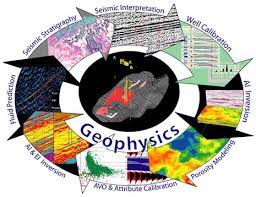
Introduction about M.Sc. Tech. Geophysics
Are you intrigued by the mysteries of the Earth and its hidden secrets? Do you have a passion for understanding the dynamic forces that shape our planet? If so, a career in geophysics might be your calling. This article explores the world of M.Sc. Tech. Geophysics, a field that delves into the profound complexities of the Earth's structure, composition, and the forces that shape it.
The Importance of Geophysics in Modern Science
Geophysics is a crucial discipline in modern science. It plays a vital role in various sectors, including environmental management, resource exploration, and natural disaster prediction. With increasing concerns about climate change, geophysics offers valuable insights into understanding and mitigating its impact.
Understanding Geophysics vs. Other Earth Sciences
While geophysics is often associated with other Earth sciences like geology and meteorology, it has its unique focus. Geophysicists use physics principles to study the Earth's interior, seismic activities, and magnetic fields, providing a deeper understanding of our planet's dynamics.
How can I apply for admission to M.Sc. Tech. Geophysics Program?
Applying for admission to an M.Sc. Tech. Geophysics program typically involves several steps, and the specific requirements may vary from one university to another. Here's a general guide on how to apply for admission to an M.Sc. Tech. Geophysics program:
Research Universities: Start by researching universities or educational institutions that offer M.Sc. Tech. Geophysics programs. Look for institutions that align with your academic and career goals.
Meet Prerequisites: Ensure you meet the prerequisites. Most programs require applicants to have a bachelor's degree in a related field, such as geology, physics, or earth sciences. Some universities may also specify certain minimum GPA requirements.
Prepare Required Documents: Gather all the necessary documents, which typically include:
Transcripts from your previous educational institutions
Letters of recommendation (usually 2-3)
Statement of Purpose (SOP) or a personal essay explaining your reasons for pursuing the M.Sc. Tech. Geophysics program
Curriculum Vitae (CV) or resume
Standardized test scores (e.g., GRE or TOEFL/IELTS for international students)
Any other documents specific to the university's requirements
Entrance Exams: Some universities may require you to take standardized tests like the GRE (Graduate Record Examination). Check the admission requirements of the specific universities you are interested in to confirm if such exams are necessary.
Online Application: Visit the university's official website and find the online application portal. Create an account or log in if you already have one.
Fill Out Application Form: Complete the application form with accurate and up-to-date information. Be sure to include your personal details, educational background, and contact information.
Upload Documents: Attach all the required documents to your application. Ensure that your transcripts, letters of recommendation, SOP, and any other documents are correctly formatted and legible.
Pay Application Fee: Some universities require an application fee. Ensure you make the necessary payment as instructed during the application process.
Submit Application: Once you have filled out the application form and uploaded all necessary documents, submit your application. Review all the information for accuracy before submitting.
Track Application Status: After submission, you can typically track the status of your application through the university's application portal. Keep an eye on any updates or requests for additional information.
Interview: In some cases, universities may require an interview as part of the admission process. If you are invited for an interview, prepare thoroughly and be ready to discuss your academic and career goals.
Wait for Admission Decision: Universities will review your application and make an admission decision. This process may take some time, so be patient.
Acceptance and Enrollment: If you receive an acceptance letter, follow the instructions provided by the university to confirm your enrollment. This may involve paying a deposit or completing additional paperwork.
Remember to research the specific admission requirements and deadlines for the universities you are interested in, as they can vary widely. It's essential to plan ahead, stay organized, and submit a strong application to increase your chances of being admitted to an M.Sc. Tech. Geophysics program.
What is the eligibility for M.Sc. Tech. Geophysics?
The eligibility criteria for an M.Sc. Tech. Geophysics program can vary from one university to another, but there are some common requirements that most institutions typically look for. Below are the general eligibility criteria for M.Sc. Tech. Geophysics:
Educational Background:
A bachelor's degree in a related field is usually required. Commonly accepted undergraduate degrees include geology, physics, earth sciences, or closely related disciplines.
Some universities may specify a minimum percentage or GPA (Grade Point Average) that applicants should have achieved during their undergraduate studies.
Prerequisite Courses:
Certain prerequisite courses in subjects like physics, mathematics, and geology may be required. These prerequisites ensure that students have a solid foundation in the fundamental principles relevant to geophysics.
Standardized Test Scores:
Some universities may require standardized test scores, such as the GRE (Graduate Record Examination). The specific score requirements can vary, so it's essential to check the admission criteria of the institution you're interested in.
Letters of Recommendation:
Applicants are typically asked to provide 2-3 letters of recommendation from professors, mentors, or employers who can speak to their academic and professional qualifications.
Statement of Purpose (SOP):
An SOP is a crucial part of the application process. It should articulate your reasons for pursuing the M.Sc. Tech. Geophysics program, your academic and research interests, and your career goals.
Curriculum Vitae (CV) or Resume:
A CV or resume provides a summary of your academic and professional background, including relevant research experience, internships, and publications.
English Language Proficiency:
If you are an international student or your native language is not English, you may be required to provide proof of English language proficiency through tests like TOEFL (Test of English as a Foreign Language) or IELTS (International English Language Testing System).
Entrance Examination:
Some universities may conduct an entrance examination specific to their geophysics program. You'll need to prepare for and pass this exam if it is a requirement.
Interview (if required):
In some cases, universities may conduct interviews to assess your suitability for the program. Prepare to discuss your academic and research interests during the interview.
Other Requirements:
Some universities may have additional requirements, such as a portfolio of your previous work or research projects.
It's essential to thoroughly research the specific admission requirements of the universities you're interested in applying to, as there can be variations in criteria and prerequisites. Additionally, be aware of application deadlines and make sure to submit all required documents accurately and within the specified timeframe.
Meeting the eligibility criteria is the first step toward gaining admission to an M.Sc. Tech. Geophysics program, so it's crucial to prepare a strong application that highlights your academic qualifications and enthusiasm for the field.
How long does it takes to complete a M.Sc. Tech. Geophysics program?
The duration of an M.Sc. Tech. Geophysics program can vary depending on the university, country, and specific curriculum. However, a typical M.Sc. Tech. Geophysics program usually takes approximately 2 years to complete. Here's a breakdown of the program's duration:
Coursework: In the first year of the program, students usually focus on completing required coursework. This coursework covers foundational geophysics topics, including seismology, geophysical data analysis, and exploration geophysics. During this time, students also gain hands-on experience with geophysical instruments and software.
Research and Thesis (Second Year): In the second year, students often shift their focus towards research and the completion of a thesis or a research project. This is a significant component of the program, where students work closely with faculty members to conduct original research in a specific area of geophysics. The thesis demonstrates the student's ability to contribute to the field and often involves data collection, analysis, and interpretation.
Internship or Practical Experience (Optional): Some M.Sc. Tech. Geophysics programs may include an internship or practical experience component. This offers students the opportunity to gain real-world experience in the field, working with organizations or companies involved in geophysical research or exploration. The duration of such internships can vary.
Additional Time (Varies): Keep in mind that the duration of the program may be influenced by factors such as the country's educational system, the specific requirements of the university, and the pace at which a student completes their thesis or research project. Some students may finish the program in less than two years, while others may take a bit longer.
It's essential to check the curriculum and program structure of the university you plan to attend, as it will outline the specific courses, research requirements, and any additional components that may affect the overall duration of the M.Sc. Tech. Geophysics program. Additionally, universities may offer part-time options, which can extend the program's duration to accommodate working professionals or individuals with other commitments.
What are potential career opportunities after M.Sc. Tech. Geophysics?
Earning an M.Sc. Tech. Geophysics degree opens the door to a wide range of exciting career opportunities in various sectors. Geophysics is a highly specialized field that is in demand due to its importance in understanding the Earth's dynamics and its applications in solving real-world challenges. Here are some potential career opportunities after completing an M.Sc. Tech. Geophysics program:
Exploration Geophysicist: Exploration geophysicists work in the energy and natural resources sector, particularly in oil and gas exploration. They use geophysical techniques to identify underground reserves, assess drilling sites, and optimize resource extraction.
Environmental Geophysicist: Environmental geophysicists focus on environmental management, conducting surveys to assess soil quality, monitor groundwater levels, detect pollution sources, and support environmental impact assessments and remediation projects.
Seismologist: Seismologists study seismic activity and earthquakes. They work in research institutions, government agencies, and consulting firms to monitor and predict seismic events, contributing to disaster preparedness and infrastructure resilience.
Mining Geophysicist: Mining geophysicists play a crucial role in mineral and resource exploration. They use geophysical methods to locate valuable minerals and resources, helping mining companies make informed decisions.
Engineering Geophysicist: Engineering geophysicists assess subsurface conditions for construction projects. They help identify potential hazards, such as sinkholes or unstable ground, ensuring the safety and stability of structures.
Geophysical Data Analyst: Geophysical data analysts work with data collected from various instruments and sensors. They process, analyze, and interpret data to provide insights and make informed decisions in geophysical investigations.
Environmental Consultant: Environmental consultants, specializing in geophysics, work with government agencies, private companies, and nonprofit organizations to address environmental challenges, develop sustainable practices, and ensure compliance with regulations.
Research Scientist: With an M.Sc. Tech. Geophysics degree, you can pursue a career in research and academia. Research scientists conduct groundbreaking studies, publish research papers, and contribute to the advancement of geophysical knowledge.
Natural Resource Manager: Natural resource managers are responsible for overseeing and conserving natural resources. They may work in forestry, land management, or environmental conservation agencies, using geophysics to make informed decisions about resource use.
Remote Sensing Specialist: Remote sensing specialists use geophysical techniques, including satellite and airborne imaging, to monitor changes in the Earth's surface, study climate patterns, and assess land use and cover changes.
Geophysical Software Developer: Geophysical software developers create specialized software tools for data analysis, modeling, and visualization. Their work supports geophysicists in their research and applications.
Geophysical Educator: Some individuals with an M.Sc. Tech. Geophysics degree choose to become educators, teaching geophysics at universities, colleges, or high schools.
Space Geophysicist: Space geophysicists study geophysical processes on other planets, moons, and celestial bodies, contributing to space exploration and research.
Natural Disaster Analyst: Natural disaster analysts use geophysics to predict and mitigate the impact of natural disasters such as earthquakes, tsunamis, and volcanic eruptions.
Consulting Geophysicist: Consulting geophysicists offer their expertise to a wide range of clients, including government agencies, research organizations, and private companies. They may work on specific projects or provide advice on geophysical matters.
These career opportunities demonstrate the versatility and significance of an M.Sc. Tech. Geophysics degree. Geophysicists play a critical role in addressing environmental challenges, resource management, and disaster prevention, making it a field with a promising and impactful future.
Syllabus of M.Sc. Tech. Geophysics
|
Semester 1 |
Semester 2 |
|
Geology I |
Geology II |
|
Geomathematics |
Electrical Methods |
|
Numerical methods and computer Analysis |
Gravity Method |
|
Physics of Earth |
Signal Processing |
|
Practical |
Practical |
|
Seminar |
Seminar |
|
Semester 3 |
Semester 4 |
|
Seismology |
Well logging |
|
Magnetic Methods |
Seismic prospecting |
|
Electromagnetic Methods & Remote Sensing |
Dissertation |
|
Hydrogeology |
Practical |
|
Practical |
Electives |
|
Seminar |
Viva-Voce and Seminar |
Internship opportunities after completing M.Sc. Tech. Geophysics?
Completing an M.Sc. Tech. Geophysics program opens the door to various internship opportunities, allowing you to gain valuable hands-on experience and apply your knowledge in real-world settings. Internships can be beneficial for career development and networking in the field of geophysics. Here are some potential internship opportunities:
Oil and Gas Companies: Major oil and gas companies often offer internships in exploration and production departments. You can work on seismic data analysis, reservoir characterization, and drilling operations.
Environmental Consultancies: Environmental consulting firms hire geophysics interns to assist with environmental impact assessments, groundwater monitoring, and remediation projects. This experience is valuable for those interested in environmental geophysics.
Geophysical Survey Companies: Companies specializing in geophysical surveys, such as ground-penetrating radar or electromagnetic surveys, offer internships to help with data collection and analysis.
Government Agencies: Government agencies, such as geological surveys and environmental protection agencies, provide opportunities for geophysics interns to contribute to research and monitoring programs.
Research Institutions: Academic research institutions often welcome geophysics students as interns, where they can participate in ongoing research projects and experiments.
Nonprofit Organizations: Nonprofit organizations focused on environmental conservation or disaster preparedness may offer internships to help with data collection, analysis, and community outreach.
Seismology and Earthquake Research Centers: Interning at seismology and earthquake research centers allows you to work with experts in the field and gain insights into earthquake monitoring and prediction.
Mining Companies: Interning with mining companies can provide exposure to geophysical surveys used in mineral exploration and resource assessment.
Space Agencies: Space agencies like NASA and ESA occasionally offer geophysics internships related to planetary geophysics or remote sensing.
Academic Institutions: Universities and colleges may have research opportunities for geophysics students to collaborate on ongoing research projects or assist faculty members in their work.
Geophysical Software Companies: Companies that develop software tools for geophysical data analysis may offer internships for students interested in software development and programming.
Geophysical Instrument Manufacturers: Companies manufacturing geophysical instruments may provide internships to familiarize students with state-of-the-art geophysical equipment.
When seeking internship opportunities, it's essential to:
Check with your university's career services department, as they often have information about available internships and can assist with applications.
Network with professors and professionals in the geophysics field who may know of internship opportunities.
Look for internship postings on company websites, job search platforms, and professional organizations related to geophysics.
Tailor your application to highlight your skills and interests in geophysics, and demonstrate your enthusiasm for the specific internship opportunity.
Internships provide a practical understanding of geophysics, allow you to apply classroom knowledge, and can lead to future career opportunities in your chosen specialization.
Scholarship and grants for M.Sc. Tech. Geophysics?
Scholarships and grants are excellent ways to help fund your M.Sc. Tech. Geophysics education. Many universities, government agencies, organizations, and foundations offer financial assistance to students pursuing advanced degrees in geophysics. Here are some sources of scholarships and grants for M.Sc. Tech. Geophysics:
University Scholarships:
Most universities offer scholarships and assistantships to their graduate students. These can be based on academic merit, research potential, or financial need. Check with the financial aid office of the university you plan to attend for information on available opportunities.
Government Scholarships:
Government agencies, such as the U.S. Department of Energy or the European Space Agency, often provide scholarships and grants for students pursuing geophysics degrees. Explore your country's government scholarship programs and international scholarships for geophysics.
Geophysical Societies:
Professional organizations like the Society of Exploration Geophysicists (SEG) and the European Association of Geoscientists and Engineers (EAGE) offer scholarships and grants to geophysics students. These awards are typically based on academic achievements and contributions to the field.
Research Grants:
Some organizations and institutions provide research grants to geophysics students to support specific research projects. Look for grants related to your area of interest within geophysics.
Corporate Scholarships:
Companies in the geophysical industry, including those involved in oil and gas exploration, mining, and environmental consulting, may offer scholarships to students interested in careers related to their field.
International Scholarships:
Explore international scholarship opportunities for geophysics students, especially if you plan to study abroad. Organizations like Fulbright offer scholarships for international students.
Nonprofit and Foundation Scholarships:
Various nonprofit organizations and foundations focus on supporting students pursuing degrees in STEM fields, including geophysics. These scholarships may have specific eligibility criteria and application requirements.
Merit-Based Scholarships:
Many scholarships are based on academic excellence, so maintaining a strong GPA and demonstrating exceptional academic performance can make you eligible for merit-based scholarships.
Diversity and Inclusion Scholarships:
Some scholarships aim to increase diversity and inclusion in STEM fields, offering financial support to students from underrepresented backgrounds.
Geographic Scholarships:
Certain scholarships are specific to students studying geophysics in regions with unique geological and geophysical challenges, such as earthquake-prone areas or regions rich in natural resources.
To find scholarships and grants that suit your needs, start your search well in advance of applying for your M.Sc. Tech. Geophysics program. Research the specific eligibility criteria, application deadlines, and submission requirements for each scholarship or grant opportunity. Be sure to provide strong letters of recommendation, a well-crafted personal statement, and any additional documentation required to increase your chances of securing financial support for your geophysics education.
Conclusion
In conclusion, M.Sc. Tech. Geophysics is a fascinating and relevant field that explores the Earth's secrets and contributes to our understanding of the planet's complex dynamics. With career opportunities in various sectors, a strong curriculum, and the potential for groundbreaking research, this discipline offers a bright future for those who are passionate about unraveling the mysteries of our planet.
FAQ,s
What is M.Sc. Tech. Geophysics, and what does it entail?
M.Sc. Tech. Geophysics is a master's degree program that focuses on the study of the Earth's subsurface using various geophysical methods. It involves understanding seismic activity, geological features, and environmental applications through data collection, analysis, and interpretation.
What are the prerequisites for enrolling in an M.Sc. Tech. Geophysics program?
Prerequisites typically include a bachelor's degree in a related field, such as geology, physics, or earth sciences. Some programs may have specific GPA requirements and may require standardized test scores like the GRE.
What are the potential career opportunities after completing M.Sc. Tech. Geophysics?
Graduates can pursue careers in exploration geophysics, environmental geophysics, seismology, mining, oil and gas industries, research, and academia. The field offers diverse opportunities in both the public and private sectors.
How long does it take to complete an M.Sc. Tech. Geophysics program?
Typically, an M.Sc. Tech. Geophysics program takes two years to complete. This includes coursework, research, and the preparation of a thesis.
Are there internship opportunities for M.Sc. Tech. Geophysics students?
Yes, many organizations, including oil and gas companies, environmental consultancies, and research institutions, offer internships for geophysics students. These internships provide practical experience and insights into the field.
What scholarships and grants are available for M.Sc. Tech. Geophysics students?
Scholarships and grants can be offered by universities, government agencies, geophysical societies, corporations, and nonprofit organizations. These financial aid options can be based on academic merit, research potential, or financial need.
Can I specialize in a particular area of geophysics during my M.Sc. Tech. Geophysics program?
Yes, many programs offer elective courses and research opportunities that allow students to specialize in areas such as seismology, environmental geophysics, exploration geophysics, and more.
How can I apply for admission to an M.Sc. Tech. Geophysics program?
The application process typically involves submitting an online application, transcripts, letters of recommendation, a statement of purpose, standardized test scores (if required), and any other documents specified by the university. Meeting the prerequisites is essential.
What skills are essential for success in M.Sc. Tech. Geophysics?
Skills required include a strong foundation in mathematics, physics, and geology, critical thinking, problem-solving abilities, analytical skills, and proficiency in data analysis and interpretation.
How can I learn more about specific M.Sc. Tech. Geophysics programs and their admission requirements?
You can visit the official websites of universities offering the program and contact their admissions departments for detailed information on program specifics and admission requirements.
How Shiksha Hub helps you in
-
 Student Counsellors
 -
 Career Counseling
 -
 Research
 -
 24/7 Support
 -
 Scholarships
 -
 Community