Posted by Admin on 13-07-2023 in Shiksha hub
M.Sc. Vegetable Science, Introduction, Admission, Registration, Eligibility, Duration, Fees, Syllabus 2024
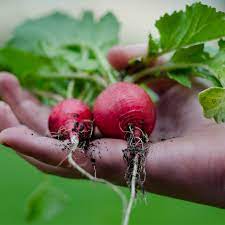
Introduction about M.Sc. Vegetable Science
A Master of Science in Vegetable Science (M.Sc. Vegetable Science) is a specialized postgraduate program designed to provide in-depth knowledge and advanced skills in the field of vegetable production and management. This academic pursuit is geared towards individuals who have a strong interest in horticulture, specifically in the cultivation, breeding, and overall management of vegetable crops.
The curriculum of M.Sc. Vegetable Science typically covers a wide range of topics, including plant physiology, genetics, crop management, pest and disease control, post-harvest technology, and sustainable farming practices related to vegetable crops. Students enrolled in this program gain a comprehensive understanding of the science and technology behind the production of vegetables, with an emphasis on enhancing crop quality, yield, and resilience.
Throughout the course, students may engage in practical training, research projects, and fieldwork to apply theoretical knowledge to real-world situations. The program often integrates the latest advancements in agricultural science and technology, preparing students to address challenges faced by the vegetable industry, such as climate change, resource management, and market demands.
Graduates of M.Sc. Vegetable Science are well-equipped to pursue careers in various sectors, including agriculture research and development, agribusiness, government agencies, non-governmental organizations, and academia. They may work as vegetable crop consultants, agronomists, researchers, educators, or contribute to sustainable agricultural practices, playing a vital role in ensuring food security and promoting environmentally friendly farming methods. Additionally, the program fosters a holistic understanding of the vegetable supply chain, from cultivation to consumption, preparing graduates to make informed decisions and advancements in the ever-evolving field of vegetable science.
How can I apply for admission to M.Sc. Vegetable Science Program
To apply for admission to an M.Sc. Vegetable Science program, follow these general steps. Keep in mind that specific application processes may vary among universities, so it's advisable to check the requirements of the particular institution you are interested in:
Research Programs and Universities: Start by researching universities that offer an M.Sc. in Vegetable Science. Look for institutions with strong agricultural or horticultural departments and programs. Consider factors such as faculty expertise, research opportunities, and the overall reputation of the university.
Check Admission Requirements: Review the admission requirements for the M.Sc. Vegetable Science program at each university. Typically, requirements include a relevant bachelor's degree (such as in agriculture, horticulture, or a related field), a minimum GPA, and possibly standardized test scores like the GRE.
Prepare Necessary Documents: Collect all required documents, which may include:
Completed application form
Academic transcripts
Letters of recommendation
Statement of purpose or personal statement
Resume or curriculum vitae (CV)
Standardized test scores (if required)
Proof of language proficiency (if applicable, for non-native English speakers)
Entrance Exams: Some universities may require you to take standardized tests like the GRE (Graduate Record Examination) as part of the application process. Check the specific requirements of each institution and prepare accordingly.
Financial Aid and Scholarships: Explore opportunities for financial aid, scholarships, or assistantships that may be available to support your studies. Some institutions offer merit-based scholarships or research assistant positions.
Submit Online Application: Complete the online application form provided by the university. Ensure that all required documents are uploaded according to the specified guidelines. Pay attention to application deadlines, as missing these could affect your chances of admission.
Letters of Recommendation: Request letters of recommendation from professors or professionals who can speak to your academic and/or professional qualifications. Ensure that these letters are submitted before the application deadline.
Statement of Purpose: Write a compelling statement of purpose that outlines your academic and career goals, reasons for pursuing an M.Sc. in Vegetable Science, and how the program aligns with your aspirations.
Application Fee: Be prepared to pay the application fee. The amount and payment method will be specified by the university.
Interviews (if required): Some programs may require an interview as part of the admission process. Prepare for this by reviewing common questions related to your academic and professional background and your interest in vegetable science.
Track Application Status: After submitting your application, monitor its status regularly. Some universities provide online portals where you can check the progress of your application.
What is the eligibility for M.Sc. Vegetable Science
The eligibility criteria for M.Sc. Vegetable Science may vary slightly depending on the university or institution offering the program. However, here are common eligibility requirements you might encounter:
Educational Qualifications:
A Bachelor's degree in Agriculture, Horticulture, Botany, or a related field from a recognized university.
Typically, a minimum percentage or GPA in the qualifying degree may be required. This requirement varies among institutions.
Minimum GPA or Percentage:
Many universities set a minimum GPA or percentage criterion for admission. This is often specified in the admission requirements.
Entrance Exams (if applicable):
Some universities may require scores from standardized tests such as the GRE (Graduate Record Examination). Check whether the program you're interested in has any such requirements.
English Language Proficiency (if applicable):
For international students or those whose primary language is not English, proof of English language proficiency may be required. This is often demonstrated through standardized tests like the TOEFL (Test of English as a Foreign Language) or IELTS (International English Language Testing System).
Letters of Recommendation:
Some programs may ask for letters of recommendation from professors or professionals who can vouch for your academic capabilities and suitability for the program.
Statement of Purpose:
A statement of purpose outlining your academic and career goals, as well as your specific interest in pursuing M.Sc. Vegetable Science, is commonly required.
Work Experience (if applicable):
Some programs may prefer or require applicants to have relevant work experience in agriculture, horticulture, or a related field.
Research or Publications (if applicable):
In some cases, having prior research experience or publications in relevant areas may enhance your eligibility.
Specific Course Prerequisites:
Certain universities might have specific prerequisite courses or subjects at the undergraduate level that they expect applicants to have completed.
How long does it takes to complete a M.Sc. Vegetable Science program
The duration to complete a Master of Science (M.Sc.) in Vegetable Science program typically ranges from 1 to 2 years, depending on the structure of the program and the specific requirements of the university offering it. The duration can vary based on factors such as the curriculum design, credit hours, research requirements, and whether the program includes a thesis or a comprehensive examination. Here are the general outlines:
1-Year Program:
Some universities offer an M.Sc. Vegetable Science program that can be completed in one academic year. This condensed format often involves an intensive curriculum with fewer breaks between semesters.
2-Year Program:
The more common structure is a two-year program, where students take a series of required and elective courses, engage in practical training or research, and complete a thesis or final project. This format allows for a more in-depth exploration of the subject matter and may provide additional opportunities for research and specialization.
Thesis vs. Non-Thesis Programs:
The duration may also be influenced by whether the program requires students to complete a thesis or a non-thesis option. Thesis programs typically involve independent research, data collection, and the writing of a research thesis, which can extend the overall program duration.
What are potential career opportunities after M.Sc. Vegetable Science
Graduates with an M.Sc. in Vegetable Science have a range of potential career opportunities in various sectors related to agriculture, horticulture, and plant science. Here are some potential career paths:
Crop Consultant:
Provide expertise to farmers and agricultural businesses on crop management practices, including the cultivation and production of vegetable crops.
Agronomist:
Work to improve crop yield and quality by advising on the selection of suitable crops, soil management, and pest control strategies.
Research Scientist:
Engage in research and development activities, contributing to advancements in vegetable science, crop breeding, and sustainable agricultural practices.
Extension Officer:
Work with agricultural extension services to disseminate information and provide training to farmers on the latest technologies and best practices in vegetable production.
Seed Technologist:
Focus on the development, testing, and improvement of vegetable seeds, ensuring they meet quality standards and have desirable traits.
Quality Assurance Specialist:
Monitor and maintain the quality of vegetable crops throughout the supply chain, from production to distribution, ensuring compliance with industry standards.
Post-Harvest Technologist:
Specialize in the preservation, storage, and transportation of harvested vegetables, implementing techniques to extend shelf life and reduce post-harvest losses.
Entrepreneur/Agribusiness Owner:
Start and manage your own agricultural business, which could include vegetable farming, processing, or distribution.
Environmental Consultant:
Apply knowledge of sustainable farming practices to advise on environmentally friendly approaches and help businesses meet ecological standards.
Educator/Academia:
Teach at universities or research institutions, sharing knowledge and training the next generation of agricultural scientists.
Government Agricultural Officer:
Work for government agencies involved in agriculture, providing expertise and support in areas such as crop management, pest control, and sustainable agriculture.
Non-Governmental Organization (NGO) Work:
Collaborate with NGOs focused on agriculture and food security, participating in projects aimed at improving farming practices and livelihoods.
Biotechnology Industry:
Contribute to the development of genetically modified crops or biotechnological solutions to enhance the productivity and resilience of vegetable crops.
Food Safety Specialist:
Ensure that vegetable products meet safety and regulatory standards, working to prevent contamination and ensure consumer health.
Syllabus of M.Sc. Vegetable Science
First Semester:
Vegetable Crop Production
Introduction to vegetable crops
Crop planning and scheduling
Soil and nutrient management
Irrigation and water management
Plant Physiology and Biochemistry
Principles of plant physiology
Biochemical processes in vegetable plants
Metabolism and growth regulation
Genetics and Breeding of Vegetable Crops
Principles of genetics
Breeding methods in vegetable crops
Molecular breeding techniques
Research Methodology and Statistical Analysis
Research design and methodology
Statistical methods in agricultural research
Experimental techniques
Agroecology and Sustainable Agriculture
Concepts of agroecology
Sustainable farming practices
Environmental impact of vegetable production
Second Semester:
Vegetable Crop Protection
Identification of pests and diseases
Integrated pest management (IPM)
Disease resistance in vegetable crops
Post-Harvest Technology of Vegetables
Harvesting and handling practices
Storage and transportation
Quality maintenance and value addition
Advanced Horticultural Biotechnology
Biotechnological applications in vegetable science
Genetic engineering in crop improvement
Molecular markers and their applications
Economics of Vegetable Production
Cost-benefit analysis
Market dynamics and pricing
Economic feasibility of vegetable farming
Seminar and Presentation Skills
Effective communication and presentation skills
Research seminar preparation
Third Semester:
Dissertation/Thesis Research
Independent research project in vegetable science
Data collection and analysis
Thesis writing and defense
Elective Courses (Offered based on university and program):
Advanced Vegetable Crop Physiology
Protected Cultivation of Vegetables
Organic Vegetable Production
International Trade in Vegetables
GIS Applications in Agriculture
Internship opportunities after completing M.Sc. Vegetable Science
Completing an M.Sc. in Vegetable Science opens up a range of opportunities in various sectors related to agriculture, horticulture, research, and agribusiness. Here are potential career paths and opportunities for individuals with an M.Sc. in Vegetable Science:
Crop Consultant:
Provide specialized advice to farmers on best practices for vegetable crop management, including cultivation techniques, pest control, and soil health.
Agronomist:
Work to enhance crop yield and quality by advising on soil management, irrigation, and the application of advanced technologies in vegetable farming.
Research Scientist:
Engage in research and development, contributing to advancements in vegetable science, crop breeding, and sustainable agricultural practices.
Extension Officer:
Collaborate with agricultural extension services to disseminate knowledge, provide training, and support farmers in adopting innovative vegetable production methods.
Seed Technologist:
Contribute to the development and improvement of vegetable seeds, ensuring desirable traits such as disease resistance and high yield.
Quality Assurance Specialist:
Monitor and maintain the quality of vegetable crops throughout the supply chain, ensuring compliance with industry standards and regulations.
Post-Harvest Technologist:
Specialize in techniques to preserve and enhance the shelf life of harvested vegetables, reducing post-harvest losses and ensuring product quality.
Entrepreneur/Agribusiness Owner:
Start and manage your own vegetable farming or agribusiness venture, potentially focusing on organic farming, specialty crops, or value-added products.
Environmental Consultant:
Apply knowledge of sustainable farming practices to advise on environmentally friendly approaches and help businesses meet ecological standards.
Educator/Academia:
Teach at universities or research institutions, sharing knowledge and training the next generation of agricultural scientists.
Government Agricultural Officer:
Work for government agencies, providing expertise on vegetable farming practices, crop management, and agricultural policies.
Non-Governmental Organization (NGO) Work:
Collaborate with NGOs focused on agriculture and food security, participating in projects aimed at improving farming practices and livelihoods.
Biotechnology Industry:
Contribute to the development of genetically modified crops or biotechnological solutions to enhance the productivity and resilience of vegetable crops.
Food Safety Specialist:
Ensure that vegetable products meet safety and regulatory standards, working to prevent contamination and ensure consumer health.
Supply Chain Management:
Work in logistics and distribution, managing the supply chain of vegetable products from farm to market.
Scholorship and grants for M.SC. VEGETABLE SCIENCE
Securing scholarships and grants can significantly ease the financial burden of pursuing an M.Sc. in Vegetable Science. Here are some potential avenues for financial support:
University Scholarships:
Many universities offer merit-based scholarships for outstanding students. These scholarships may be awarded based on academic achievements, research potential, or other criteria. Check with the specific university where you plan to pursue your M.Sc.
Departmental Scholarships:
Some academic departments within universities have their own scholarship programs. Inquire with the department offering the M.Sc. in Vegetable Science about any scholarships available to students in that program.
Government Scholarships:
Government agencies often provide scholarships for students pursuing higher education in agriculture and related fields. Explore scholarship opportunities offered by government bodies or agricultural departments at the national or regional level.
Research Grants:
Look for research grants provided by organizations, foundations, or government agencies. These grants may support specific research projects related to vegetable science and agriculture.
Industry Sponsorships:
Agricultural companies and industry associations may offer sponsorships or scholarships to students pursuing degrees in vegetable science. Check with companies or associations involved in the vegetable and horticulture sector.
International Scholarships:
Explore scholarships specifically designed for international students, especially if you plan to study in a country different from your home country. Many organizations and governments offer scholarships to support international students in their academic pursuits.
Nonprofit Organizations and NGOs:
Some nonprofit organizations and NGOs focused on agriculture, food security, and sustainable farming practices may offer scholarships or financial support for students pursuing degrees in vegetable science.
Professional Associations:
Agricultural and horticultural professional associations may provide scholarships to students aspiring to contribute to the field. Joining such associations can also offer networking opportunities and information on available scholarships.
Fellowship Programs:
Explore fellowship programs that support graduate students in agriculture and related disciplines. Fellowships often provide financial support along with opportunities for research and professional development.
Online Scholarship Databases:
Utilize online scholarship databases, platforms, and search engines dedicated to higher education funding. Websites like Scholarship.com, Fastweb, or the scholarship databases of universities can be valuable resources.
Employer Sponsorship:
If you are already working in a related field, check whether your employer offers sponsorship or tuition reimbursement for employees pursuing advanced degrees.
International Funding Agencies:
Some international organizations and agencies, such as the World Bank or the United Nations, may offer scholarships for students pursuing studies in areas related to sustainable agriculture and food security.
Conclusion
In conclusion, pursuing an M.Sc. in Vegetable Science opens doors to diverse and rewarding career paths in agriculture. From crop consultancy to research and sustainable practices, this comprehensive program equips students to contribute significantly to the dynamic field of vegetable science. Explore the possibilities, understand the admission process, and consider the available scholarships to embark on a fulfilling academic and professional journey in vegetable science.
FAQs M.Sc. Vegetable Science
Q1: What is M.Sc. Vegetable Science?
A1: M.Sc. Vegetable Science is a specialized postgraduate program focusing on advanced studies in the cultivation, management, and research of vegetable crops.
Q2: What are the career opportunities after completing M.Sc. Vegetable Science?
A2: Graduates can pursue careers as crop consultants, agronomists, research scientists, or engage in various roles related to sustainable agriculture, post-harvest technology, and biotechnology.
Q3: How long does it take to complete the M.Sc. Vegetable Science program?
A3: The program typically takes 1 to 2 years, depending on the university and whether it includes a thesis or research component.
Q4: What are the admission requirements for M.Sc. Vegetable Science?
A4: Admission requirements generally include a relevant bachelor's degree, minimum GPA, letters of recommendation, and, in some cases, standardized test scores.
Q5: Are there scholarships available for M.Sc. Vegetable Science students?
A5: Yes, students can explore various scholarship options offered by universities, government agencies, industry associations, and nonprofit organizations.
How Shiksha Hub helps you in
-
 Student Counsellors
 -
 Career Counseling
 -
 Research
 -
 24/7 Support
 -
 Scholarships
 -
 Community