Posted by Admin on 07-07-2023 in Shiksha hub
M.SC. Wine Technology Introduction, Admission, Registration, Eligibility, Duration, Fees, Syllabus 2024
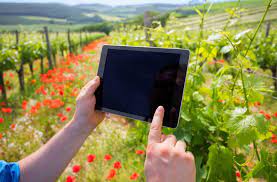
Introduction about M.SC. Wine Technology
Wine has been a cherished beverage for centuries, enjoyed by connoisseurs and casual drinkers alike. Its intricate flavors, aromas, and the culture surrounding it make it a fascinating subject of study. M.SC. Wine Technology is a specialized academic program that delves into the science and art of winemaking, offering a unique blend of tradition and innovation.
The Importance of Wine Technology
Wine technology, as a field of study, plays a crucial role in the winemaking industry. It equips students with the knowledge and skills required to excel in the world of viticulture and oenology. By understanding the intricacies of wine production, students are poised to make significant contributions to this ever-evolving industry.
The History of Wine Making
To appreciate the significance of M.SC. Wine Technology, one must delve into the rich history of winemaking. For thousands of years, humans have cultivated grapes and fermented their juices, resulting in the diverse array of wines available today.
Evolution of Wine Technology
Over time, the art of winemaking has evolved. Ancient methods have given way to modern technology. The use of fermentation tanks, temperature control, and other innovations have transformed wine production into a precise science.
Key Components of M.SC. Wine Technology Program
An M.SC. Wine Technology program typically covers four major areas:
How can I apply for admission to M.SC. Wine Technology Program?
To apply for admission to an M.SC. Wine Technology program, follow these general steps:
Research Programs: Start by researching universities or institutions that offer M.SC. Wine Technology programs. Look for programs that align with your interests and career goals.
Check Admission Requirements: Each program may have specific admission requirements. Common prerequisites include a bachelor's degree in a related field, such as viticulture, oenology, or food science. Some programs may also require standardized test scores like the GRE or GMAT.
Prepare Required Documents: Gather the necessary documents for your application, which typically include:
Transcripts from your undergraduate degree.
Letters of recommendation from professors or professionals who can attest to your qualifications.
A well-crafted personal statement outlining your passion for wine technology and your career aspirations.
Resume or CV highlighting relevant experience.
Test scores if required.
Proof of English language proficiency (if applicable, for non-native English speakers).
Financial Planning: Explore scholarships, grants, and financial aid opportunities. The cost of an M.SC. program can vary, so make sure you have a clear financial plan in place.
Submit Online Application: Most universities offer online application portals. Create an account, fill in your personal details, academic history, and upload the required documents.
Pay Application Fee: Pay the application fee as required by the institution. This fee can vary, so be sure to check the exact amount with the university.
Interview (if necessary): Some programs may require an interview as part of the admission process. Prepare for this by researching common interview questions related to your field of study.
Wait for Admission Decision: The university will review your application and documents. It may take several weeks to a few months to receive an admission decision. Be patient during this period.
Acceptance and Enrollment: If you receive an acceptance letter, carefully review the terms and conditions of your admission. Follow the instructions to secure your spot in the program.
Visa and Travel Arrangements (for international students): If you are an international student, you will need to obtain a student visa and make travel arrangements. Be sure to start this process well in advance of your program start date.
Orientation and Registration: Attend any orientation sessions and complete the registration process to officially start your M.SC. Wine Technology program.
Remember that the specific requirements and procedures may vary from one institution to another. It's essential to visit the official website of the university or institution you're interested in to get the most accurate and up-to-date information regarding their M.SC. Wine Technology program admissions process. Good luck with your application!
What is the eligibility for M.SC. Wine Technology?
The eligibility criteria for an M.SC. Wine Technology program may vary from one university or institution to another. However, I can provide you with a general guideline of the typical eligibility requirements for such a program. Please keep in mind that it's essential to check the specific requirements of the university or institution you are interested in, as they may have their unique criteria. Here are the general eligibility criteria for an M.SC. Wine Technology program:
Educational Background:
A bachelor's degree in a related field is usually required. This field may include viticulture, oenology, food science, biology, chemistry, or a closely related discipline.
Academic Performance:
Applicants should have a strong academic record with a minimum GPA requirement, which can vary between institutions.
Standardized Tests:
Some programs may require standardized test scores like the GRE (Graduate Record Examination) or GMAT (Graduate Management Admission Test). However, not all programs have this requirement.
Letters of Recommendation:
Typically, you will need to provide letters of recommendation from professors or professionals who can speak to your qualifications and potential in the field of wine technology.
Statement of Purpose:
A well-crafted personal statement or statement of purpose is often required. This should outline your reasons for pursuing the M.SC. Wine Technology program, your career aspirations, and your passion for the field.
Resume/CV:
You may need to submit a resume or curriculum vitae (CV) that highlights any relevant work experience, research, or projects related to wine technology.
English Language Proficiency:
For non-native English speakers, proof of English language proficiency is usually required. This can be demonstrated through standardized tests like the TOEFL (Test of English as a Foreign Language) or IELTS (International English Language Testing System).
Interview (if necessary):
Some institutions may require an interview as part of the admission process to assess your fit for the program.
Prerequisites:
Some programs may have specific prerequisite courses or knowledge requirements. For example, you may be expected to have a foundational understanding of chemistry, biology, or viticulture.
Work Experience (if required):
Certain M.SC. Wine Technology programs may require applicants to have relevant work experience in the wine industry.
It's crucial to visit the official website of the university or institution offering the M.SC. Wine Technology program to get the most accurate and up-to-date information on their specific eligibility requirements. Additionally, contacting the admissions office for any clarifications or specific inquiries can be helpful in ensuring that you meet all the necessary criteria for admission.
How long does it takes to complete a M.SC. Wine Technology program?
The duration of an M.SC. Wine Technology program can vary depending on the specific program and university or institution offering it. However, a general guideline is as follows:
The typical duration of an M.SC. Wine Technology program is 1 to 2 years.
Here's a breakdown of the different possibilities:
One-Year Program: Some universities offer accelerated M.SC. Wine Technology programs that can be completed in one academic year. These programs are often quite intensive and are suitable for students who already have a strong background in related fields.
Two-Year Program: Many M.SC. Wine Technology programs are designed as two-year programs. These programs provide a more comprehensive education and are suitable for students with varying levels of prior knowledge in wine technology.
The specific duration of the program may also depend on factors such as the number of credits required for graduation, the availability of courses, and whether you are studying full-time or part-time. Additionally, some programs may offer part-time or online options, which can extend the duration of the program to accommodate students with other commitments.
It's essential to check with the university or institution where you plan to pursue your M.SC. Wine Technology program for the most accurate and up-to-date information regarding the program's duration. The university's official website and program brochure will typically provide specific details about the length of the program and any available study options.
What are potential career opportunities after M.SC. Wine Technology?
Earning an M.SC. in Wine Technology opens up a wide range of career opportunities in the wine industry. Graduates are equipped with the knowledge and skills necessary to excel in various aspects of winemaking and related fields. Here are some potential career opportunities after completing an M.SC. Wine Technology program:
Winemaker: As a winemaker, you'll be responsible for overseeing the entire winemaking process, from grape selection and fermentation to bottling and aging. You'll ensure the production of high-quality wines with distinctive flavors.
Vineyard Manager: Vineyard managers are in charge of grape cultivation. They oversee the planting, pruning, and harvesting of grapevines, as well as the management of vineyard operations.
Wine Quality Control Specialist: Quality control specialists ensure that the wine produced meets specific standards for taste, aroma, and overall quality. They conduct sensory evaluations and laboratory tests to maintain consistent quality.
Wine Researcher or Enologist: Wine researchers and enologists work in research institutions, wineries, or laboratories. They conduct experiments, analyze data, and develop new winemaking techniques and technologies.
Wine Consultant: Wine consultants offer their expertise to wineries and vineyards, helping them improve production processes, quality, and marketing strategies. They may also assist in troubleshooting issues.
Wine Sales and Marketing Professional: Individuals in this role promote and sell wines to distributors, retailers, and consumers. They also create marketing campaigns, organize tastings, and build brand awareness.
Sommelier: Sommeliers are experts in wine and are often found in fine dining establishments. They curate wine lists, offer recommendations to customers, and ensure wine service is of the highest standard.
Wine Educator: Wine educators teach courses or lead workshops on wine-related topics. They may work at universities, wine schools, or offer private classes.
Wine Writer or Critic: If you have a passion for writing, you can become a wine journalist, blogger, or critic. You'll share your insights on different wines, regions, and the wine industry.
Wine Business Manager: Wine business managers handle the commercial side of the wine industry. They oversee sales, distribution, and marketing strategies, ensuring the financial success of wineries.
Wine Research and Development Specialist: These professionals focus on innovation within the wine industry. They may work on creating new wine varieties, improving production processes, or exploring sustainable practices.
Wine Entrepreneur: If you're an aspiring business owner, you can start your winery, wine label, or related business. Your M.SC. in Wine Technology will provide valuable knowledge and skills for success.
Wine Distributor or Importer: Distributors and importers connect wineries with retailers and consumers. They manage logistics, distribution networks, and ensure wines are available in the market.
Wine Tourism Professional: In regions with significant wine tourism, you can work in roles related to wine tours, hospitality, and event management, helping visitors experience wineries and vineyards.
Wine Sustainability Manager: Sustainability is a growing concern in the wine industry. Professionals in this role work to make wine production more eco-friendly and socially responsible.
The wine industry offers diverse career opportunities, and an M.SC. in Wine Technology can be your ticket to an exciting and fulfilling career in a field that combines tradition, science, and creativity.
Syllabus of M.SC. Wine Technology
The syllabus of an M.SC. Wine Technology program can vary between universities and institutions. However, I can provide a general overview of the topics and subjects that are commonly covered in a semester-wise breakdown. Keep in mind that the specific courses and their order may differ based on the institution. Here's a typical semester-wise syllabus for an M.SC. Wine Technology program:
Semester 1:
Introduction to Wine Technology
Overview of the wine industry
Historical and cultural aspects of winemaking
Wine regions and terroir
Viticulture
Grapevine biology and physiology
Vineyard management techniques
Pest and disease management
Oenology
Winemaking principles and processes
Fermentation and yeast management
Aging and maturation of wines
Wine Chemistry
Chemical components of wine
Analysis and laboratory techniques
Sensory evaluation
Wine Microbiology
Microorganisms in winemaking
Yeast and bacteria in fermentation
Microbial control in the winery
Semester 2:
Wine Quality Assurance
Sensory evaluation and quality control
Wine faults and troubleshooting
Bottling and packaging
Wine Production Technologies
Modern winemaking equipment and technology
Sustainability practices in winemaking
Innovation in wine production
Wine Business and Marketing
Wine marketing and sales strategies
Wine business management
Wine tourism and events
Research Methods in Wine Technology
Research design and methodologies
Data collection and analysis
Thesis or research project preparation
Elective Course
Students often have the option to choose an elective course based on their interests or career goals. Options may include topics like wine law and regulations, wine and food pairing, or advanced winemaking techniques.
Semester 3:
Wine Regions of the World
In-depth exploration of major wine regions
Regional grape varieties and winemaking traditions
Terroir and climate influences
Advanced Winemaking Techniques
Focus on specialized winemaking processes
Wine styles, such as sparkling wines and fortified wines
Small-scale and experimental winemaking
Wine Research Project
Students often undertake a research project in collaboration with a winery or research institution. This project may involve hands-on experimentation, data collection, and analysis.
Wine Industry Internship (optional)
Students may have the option to complete an internship in a winery, vineyard, or related industry, gaining practical experience.
Semester 4:
Thesis Writing and Defense
Students working on a research project will complete their thesis and defend their findings.
Course may also include preparing research publications or presentations.
Wine Industry Trends and Future Challenges
Discussion of current trends in the wine industry
Sustainability and environmental concerns
Preparing for the future of the wine industry
Internship opportunities after completing M.SC. Wine Technology?
After completing an M.SC. Wine Technology program, there are several valuable internship opportunities available to further enhance your skills and gain practical experience in the wine industry. These internships provide a bridge between academic knowledge and real-world application. Here are some internship opportunities that you can explore:
Winery Internship:
Working at a winery allows you to gain hands-on experience in various aspects of winemaking, from vineyard management to cellar operations. You'll learn about grape harvesting, crushing, fermentation, aging, and quality control. This experience is particularly valuable for aspiring winemakers.
Vineyard Internship:
Vineyard internships provide insight into grape cultivation, which is the foundation of winemaking. You'll learn about planting, pruning, pest and disease management, and harvesting. This experience is ideal for those interested in vineyard management and viticulture.
Wine Quality Control Internship:
This internship focuses on ensuring the quality and consistency of wine. You'll work in a laboratory setting, conducting tests, sensory evaluations, and quality assurance checks. This experience is crucial for those interested in quality control and wine analysis.
Wine Marketing and Sales Internship:
If you're interested in the business side of the wine industry, consider an internship in wine marketing and sales. You'll be involved in promoting wines, planning marketing campaigns, and working with distributors and retailers.
Wine Business Management Internship:
This type of internship focuses on the operational and financial aspects of running a winery or wine-related business. You'll gain insights into inventory management, budgeting, and business strategy.
Wine Research and Development Internship:
If you have a passion for innovation, consider an internship in wine research and development. You'll work on projects related to new winemaking techniques, product development, and sustainability initiatives.
Sommelier Internship:
Aspiring sommeliers can benefit from internships in high-end restaurants, hotels, or wine bars. You'll gain experience in wine selection, wine service, and customer interactions.
Wine Tourism and Hospitality Internship:
If you're interested in wine tourism, consider an internship at a winery or in a wine tourism-related business. You'll be involved in organizing tastings, events, and tours for visitors.
Wine Education Internship:
Wine educators can explore internships with wine schools, universities, or educational organizations. You'll assist in teaching wine courses and workshops.
Wine Importer or Distributor Internship:
Interning with wine importers or distributors provides insights into the distribution and logistics aspects of the wine industry. You'll learn about wine selection, logistics, and market analysis.
Wine Sustainability and Environmental Internship:
If you're passionate about sustainability, consider an internship focused on eco-friendly winemaking practices, vineyard sustainability, or environmental initiatives in the wine industry.
To find internship opportunities, reach out to wineries, vineyards, wine production companies, wine marketing firms, and other wine-related businesses in your desired location. Additionally, check with your university's career services department, as they may have leads on available internships or industry connections. Internships offer a valuable opportunity to apply your M.SC. Wine Technology knowledge in a real-world setting and make important industry connections.
Scholarship and grants for M.SC. Wine Technology?
Scholarships and grants can be essential in supporting your pursuit of an M.SC. in Wine Technology. Many organizations, universities, and foundations offer financial assistance to students who demonstrate academic excellence, research potential, or a commitment to the wine industry. Here are some common sources of scholarships and grants for M.SC. Wine Technology programs:
University Scholarships: Most universities and colleges that offer M.SC. Wine Technology programs have their scholarship programs. These scholarships may be based on academic merit, financial need, or a combination of factors. Check with the university's financial aid or scholarship office for information on available opportunities.
Industry Scholarships: Many wine industry associations and organizations offer scholarships to students pursuing degrees in wine-related fields. For instance, organizations like the Wine Business Institute and the American Society for Enology and Viticulture (ASEV) provide scholarships.
Wine Research Grants: Some institutions and organizations provide research grants for students conducting research in areas like winemaking, viticulture, or wine science. These grants can help support your research projects during your M.SC. program.
Winery and Vineyard Scholarships: Wineries and vineyards, especially larger and well-established ones, may offer scholarships to students interested in pursuing careers in winemaking, viticulture, or related fields. These scholarships are often tied to specific universities or programs.
Local and Regional Scholarships: Some regions known for wine production have scholarship programs that support students studying wine technology. For example, wine regions in California often offer scholarships to students pursuing wine-related degrees.
Professional Associations: Wine-related professional associations may offer scholarships or grants. For example, the Guild of Sommeliers offers scholarships for aspiring sommeliers and wine professionals.
Government Scholarships and Grants: In some countries, government agencies or departments related to agriculture and viticulture may offer scholarships or grants for students pursuing degrees in wine technology.
Diversity and Inclusion Scholarships: Some organizations focus on promoting diversity and inclusion in the wine industry. They may offer scholarships to underrepresented minority students pursuing wine-related degrees.
Merit-Based Scholarships: These scholarships are typically awarded to students with exceptional academic achievements and a strong record of accomplishment in their previous studies.
Need-Based Scholarships: These scholarships are awarded to students who demonstrate financial need. Be sure to complete the Free Application for Federal Student Aid (FAFSA) or the equivalent in your country to determine your eligibility for need-based aid.
To find scholarship and grant opportunities, start by checking the websites of the universities or institutions where you plan to study for M.SC. Wine Technology. Additionally, explore the websites of industry associations, professional organizations, and government agencies related to wine and agriculture. Don't forget to reach out to the financial aid or scholarship offices at your chosen university for guidance and assistance in applying for available opportunities. It's also a good idea to start your scholarship search well in advance, as application deadlines may vary.
Conclusion: A Toast to the Future of Wine Technology
M.SC. Wine Technology is not just a degree; it's a gateway to a world where tradition and technology merge to create exceptional wine. As the wine industry continues to evolve, those with a deep understanding of wine technology will be raising their glasses to a prosperous and exciting future.
FAQ,s
What is M.SC. Wine Technology?
M.SC. Wine Technology is a specialized academic program that focuses on the science and art of winemaking. It equips students with the knowledge and skills required for various roles in the wine industry.
What are the eligibility criteria for an M.SC. Wine Technology program?
Eligibility criteria may vary, but typically, applicants are required to have a bachelor's degree in a related field, such as viticulture, oenology, or a relevant science. Some programs may also require standardized test scores and letters of recommendation.
How long does it take to complete an M.SC. Wine Technology program?
The typical duration of an M.SC. Wine Technology program is 1 to 2 years. The specific duration may vary depending on the institution and program structure.
What are the potential career opportunities after completing M.SC. Wine Technology?
Graduates can pursue careers as winemakers, vineyard managers, wine quality control specialists, wine marketers, and more. The wine industry offers diverse opportunities in production, management, marketing, and sales.
Are there internship opportunities in the wine industry after completing the program?
Yes, there are various internship opportunities in wineries, vineyards, quality control labs, marketing firms, and other wine-related businesses. These internships provide practical experience and networking opportunities.
Are scholarships and grants available for M.SC. Wine Technology programs?
Yes, scholarships and grants are available from universities, industry associations, and various organizations. These financial aids can help offset the costs of tuition and living expenses while pursuing your degree.
What topics are typically covered in the M.SC. Wine Technology curriculum?
The curriculum includes subjects such as viticulture, oenology, wine chemistry, wine quality control, wine marketing, vineyard management, and research methods. The specific courses may vary by program.
How can I apply for admission to an M.SC. Wine Technology program?
To apply, research programs, check admission requirements, prepare required documents (transcripts, letters of recommendation, personal statement), pay the application fee, and submit your application through the university's online portal. Some programs may also require interviews.
Is an M.SC. in Wine Technology suitable for individuals with no prior wine-related experience?
Yes, M.SC. Wine Technology programs often accept students with a variety of backgrounds. Some programs may offer foundational courses to bring students up to speed in wine-related knowledge.
What is the importance of wine technology in the modern wine industry?
Wine technology plays a vital role in enhancing the quality and efficiency of wine production. It helps winemakers produce consistent, high-quality wines while also addressing sustainability and innovation in the industry.
How Shiksha Hub helps you in
-
 Student Counsellors
 -
 Career Counseling
 -
 Research
 -
 24/7 Support
 -
 Scholarships
 -
 Community