Posted by Admin on 18-07-2023 in Shiksha hub
Mushroom Cultivation Introduction, Admission, Registration, Eligibility, Duration, Fees, Syllabus 2024
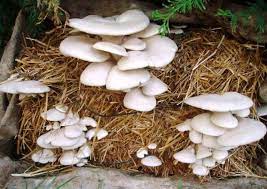
Introduction about Mushroom Cultivation
Mushroom cultivation is the deliberate and controlled process of growing mushrooms for human consumption, medicinal use, or other applications. Mushrooms are fungi that belong to a diverse group of organisms with unique characteristics. They are not plants, as they lack chlorophyll, and instead, obtain nutrients by breaking down organic matter in their environment.
The cultivation of mushrooms involves creating the ideal conditions for their growth, which typically includes a substrate (such as a nutrient-rich medium), the right temperature and humidity levels, and proper ventilation. There are various species of mushrooms cultivated worldwide, with some of the most common being button mushrooms (Agaricus bisporus), shiitake (Lentinula edodes), oyster mushrooms (Pleurotus ostreatus), and many more.
The process of mushroom cultivation generally follows several key steps:
Substrate Preparation: The substrate is the medium on which the mushrooms will grow. It often consists of a mixture of organic materials like straw, wood chips, or agricultural by-products. The substrate must be prepared and sterilized to eliminate competing microorganisms that could hinder mushroom growth.
Inoculation: Mushroom cultivation involves introducing a mushroom mycelium, which is the vegetative part of the fungus, into the prepared substrate. This can be done by adding a small amount of mycelium or using mushroom spores. The mycelium then colonizes the substrate.
Incubation: After inoculation, the substrate with the mycelium is kept in a controlled environment with specific temperature and humidity conditions to allow the mycelium to grow and spread throughout the substrate.
Fruiting: Once the substrate is fully colonized by the mycelium, conditions are adjusted to stimulate the formation of mushrooms. This includes changes in temperature, light exposure, and humidity. Mushrooms then begin to develop and grow.
Harvesting: Mushrooms are typically ready for harvest when they reach a suitable size. Harvesting is done by carefully cutting or twisting the mature mushrooms from the substrate.
Post-Harvest Handling: After harvesting, mushrooms are often cleaned, packaged, and prepared for distribution or consumption.
Mushroom cultivation has gained popularity due to the nutritional value and unique flavors of various mushroom species, as well as the potential medicinal properties associated with some mushrooms. Additionally, mushrooms are an environmentally friendly food source, as they can be grown on various agricultural waste materials. This sustainable aspect, coupled with the growing interest in specialty and exotic mushrooms, has led to increased attention and expansion of mushroom cultivation practices worldwide.
How can I apply for admission to Mushroom Cultivation program
Research Programs:
Identify institutions or organizations that offer Mushroom Cultivation programs. This could include universities, agricultural schools, or specialized training centers.
Research the specific details of each program, including curriculum, duration, and any prerequisites.
Check Admission Requirements:
Review the admission requirements for the Mushroom Cultivation program. This may include educational background, work experience, or specific skills.
Ensure that you meet the minimum eligibility criteria for the program.
Prepare Application Materials:
Gather all necessary documents for your application, which may include:
Completed application form
Resume or curriculum vitae (CV)
Academic transcripts or certificates
Letters of recommendation
Statement of purpose or personal statement
Any additional materials specified by the institution
Write a Statement of Purpose:
Craft a compelling statement of purpose that explains your interest in mushroom cultivation, your goals, and how the program aligns with your aspirations.
Highlight any relevant experiences, skills, or achievements.
Submit Application:
Complete the application form provided by the institution.
Attach all required documents, ensuring that you follow any formatting or submission guidelines.
Pay Application Fee:
Some programs may require an application fee. Make sure to pay this fee, if applicable, as part of the application process.
Letters of Recommendation:
If the program requires letters of recommendation, request these from individuals who can speak to your qualifications and potential for success in the Mushroom Cultivation program.
Interview (if applicable):
Some programs may require an interview as part of the selection process. Be prepared to discuss your interest in mushroom cultivation and your background.
Financial Aid and Scholarships:
If you require financial assistance, inquire about available scholarships or financial aid options. Some programs may have specific application procedures for these opportunities.
Application Deadline:
Pay attention to application deadlines. Submit your application well before the deadline to ensure it is considered for review.
Follow Up:
After submitting your application, follow up with the institution to confirm that all materials have been received. This demonstrates your continued interest in the program.
What is the eligibility for Mushroom Cultivation
Educational Background:
Many Mushroom Cultivation programs may require a minimum educational background, such as a high school diploma or equivalent. Some programs may have specific preferences for individuals with a background in agriculture, biology, or related fields.
Work Experience:
Some programs may prefer or require applicants to have relevant work experience in agriculture, horticulture, or a related field. This could include experience with crop cultivation, farming practices, or similar activities.
Skills and Knowledge:
Demonstrated interest or skills in areas such as agriculture, mycology, or biology may be considered. Proficiency in basic scientific principles and a keen interest in mushroom cultivation are often valued.
Language Proficiency:
For programs conducted in languages other than your native language, proof of language proficiency may be required. This can typically be demonstrated through standardized tests such as the TOEFL or IELTS.
Letters of Recommendation:
Some programs may request letters of recommendation from individuals who can speak to your academic or professional qualifications. These letters may provide insight into your ability to succeed in a Mushroom Cultivation program.
Statement of Purpose:
Applicants are often required to submit a statement of purpose or personal statement explaining their interest in mushroom cultivation, career goals, and why they are interested in the specific program.
Interview (if applicable):
In some cases, applicants may be required to participate in an interview as part of the selection process. This interview may assess your knowledge, motivation, and suitability for the program.
How long does it take to complete a Mushroom Cultivation program
Short Courses or Workshops:
Short courses or workshops on Mushroom Cultivation may last anywhere from a few days to a few weeks. These are often designed to provide participants with basic skills and knowledge in mushroom cultivation practices.
Certificate Programs:
Certificate programs in Mushroom Cultivation can range from a few weeks to several months. These programs are more comprehensive than short courses and often cover a broader range of topics related to mushroom cultivation.
Diploma Programs:
Diploma programs in Mushroom Cultivation typically have a longer duration, spanning several months to a year. These programs provide more in-depth knowledge and practical training in mushroom cultivation techniques.
Degree Programs:
If you are pursuing a degree in a related field, such as agricultural science, mycology, or horticulture, mushroom cultivation may be included as part of the curriculum. In this case, the duration of the program would be determined by the level of the degree (e.g., associate, bachelor's, master's, or doctoral) and can range from two years for an associate degree to several years for advanced degrees.
Research or Advanced Training Programs:
Advanced programs, such as research-focused or specialized training programs in advanced mushroom cultivation techniques, may have varying durations. These programs could last anywhere from several months to a few years, depending on the intensity and depth of the training.
What are potential career opportunities after Mushroom Cultivation
Mushroom Farmer:
Graduates of mushroom cultivation programs can become mushroom farmers, managing the cultivation and harvest of mushrooms for commercial purposes. This includes growing popular varieties like button mushrooms, shiitake, oyster mushrooms, and more.
Farm Manager:
With experience in mushroom cultivation, individuals may progress to roles as farm managers, overseeing the entire agricultural operation. This could involve managing not only mushroom cultivation but also other crops or livestock.
Researcher in Mycology:
Those with a strong interest in the science behind mushroom cultivation may pursue a career in mycology research. This can involve studying different mushroom species, developing new cultivation techniques, and contributing to scientific advancements in the field.
Food Technologist:
Mushroom cultivation graduates may work as food technologists, contributing to the development of new mushroom-based food products. This could involve research and development in the food industry to create innovative and marketable mushroom-derived products.
Quality Control Specialist:
Quality control specialists ensure that mushrooms and mushroom products meet established standards for safety and quality. This role may involve inspecting crops, conducting tests, and implementing quality control measures in production facilities.
Educator or Trainer:
Individuals with expertise in mushroom cultivation may become educators or trainers, sharing their knowledge with others through workshops, training programs, or educational institutions.
Entrepreneur in Mushroom Processing:
Graduates can explore entrepreneurial opportunities in mushroom processing, such as drying, canning, or packaging. Starting a business focused on processing and selling mushroom products can be a viable career path.
Consultant in Agriculture:
With specialized knowledge in mushroom cultivation, individuals can work as consultants, providing advice and expertise to other farmers or agricultural businesses looking to incorporate mushroom cultivation into their operations.
Environmental Consultant:
Some individuals may explore opportunities as environmental consultants, especially if they are involved in sustainable and environmentally friendly mushroom cultivation practices. This role could involve advising businesses on eco-friendly farming methods.
Mushroom Cultivation Instructor:
Teaching mushroom cultivation techniques at educational institutions, workshops, or through online platforms is another potential career path. Sharing knowledge and skills with aspiring mushroom cultivators can be both rewarding and impactful.
Syllabus for Mushroom Cultivation
Introduction to Mycology:
Basic understanding of fungi and their classification.
Overview of the life cycle of mushrooms.
Mushroom Species and Varieties:
Study of different mushroom species used in cultivation.
Characteristics, habitat, and cultivation requirements of popular varieties (e.g., Agaricus bisporus, Pleurotus ostreatus, Lentinula edodes).
Mushroom Growth Substrates:
Types of substrates used in mushroom cultivation.
Substrate preparation techniques.
Sterilization and pasteurization methods.
Inoculation Techniques:
Introduction to spore prints, spore syringes, and culture slants.
Inoculation methods for introducing mycelium into the substrate.
Incubation Period:
Conditions required for mycelium growth and colonization.
Management of environmental factors such as temperature and humidity.
Fruiting Conditions:
Requirements for inducing mushroom fruiting.
Temperature, humidity, and light considerations.
Troubleshooting common issues during the fruiting stage.
Harvesting and Post-Harvest Handling:
Determining the right time for harvesting.
Proper harvesting techniques.
Cleaning, packaging, and storage of harvested mushrooms.
Pest and Disease Management:
Identification of common pests and diseases affecting mushroom crops.
Integrated pest management strategies.
Disease prevention and control measures.
Quality Control in Mushroom Cultivation:
Factors affecting the quality of mushrooms.
Implementing quality control measures.
Packaging and presentation of mushrooms.
Commercial Aspects of Mushroom Cultivation:
Market analysis and trends in the mushroom industry.
Business planning for mushroom cultivation.
Marketing strategies and distribution channels.
Sustainability in Mushroom Cultivation:
Sustainable and eco-friendly practices in mushroom cultivation.
Waste utilization and recycling in mushroom farms.
Regulatory and Safety Considerations:
Compliance with regulations related to mushroom cultivation.
Safety protocols for handling substrates, inoculants, and other materials.
Advanced Topics (Optional):
Advanced cultivation techniques.
Research methodologies in mycology.
Innovative trends in mushroom cultivation.
Internship opportunities after completing Mushroom Cultivation
Mushroom Farms and Cultivation Facilities:
Internships on mushroom farms allow individuals to apply their knowledge in a real-world setting. Tasks may include substrate preparation, inoculation, monitoring environmental conditions, harvesting, and post-harvest handling.
Research Institutions:
Interning at research institutions focused on mycology and agriculture provides exposure to scientific research in mushroom cultivation. This can involve participating in experiments, data collection, and analysis under the guidance of researchers.
Food Processing and Culinary Internships:
Interning with food processing companies or culinary institutions that work with mushrooms can provide insights into the processing, packaging, and culinary aspects of mushroom products.
Agribusiness and Agricultural Consulting:
Interning with agribusinesses or agricultural consulting firms allows individuals to gain experience in advising farmers on mushroom cultivation practices, quality control, and business aspects.
Environmental and Sustainable Agriculture Organizations:
Internships with organizations focused on sustainable agriculture and environmental conservation may involve projects related to eco-friendly mushroom cultivation practices and waste utilization.
Nonprofit Organizations:
Some nonprofit organizations may have projects related to community-based mushroom cultivation, especially in areas where mushrooms play a role in nutrition and livelihoods. Interns may contribute to community outreach and education programs.
Government Agricultural Agencies:
Internships with government agricultural agencies can provide exposure to agricultural policies, regulations, and initiatives related to mushroom cultivation. This experience may be particularly relevant for individuals interested in agricultural development.
Educational Institutions and Extension Services:
Interning at educational institutions or agricultural extension services allows individuals to assist in training programs, workshops, and educational outreach related to mushroom cultivation.
Biotechnology Companies:
Companies involved in biotechnology and mycology research may offer internships in areas such as genetic improvement of mushroom strains, bioprocessing, or the development of innovative cultivation technologies.
Startups and Entrepreneurial Ventures:
Interning with mushroom-related startups or entrepreneurial ventures provides exposure to the business side of mushroom cultivation. This could involve market research, business development, and hands-on experience in startup environments.
Scholarship and Grants for Mushroom Cultivation
Agricultural Scholarships:
Many agricultural scholarships are available for students pursuing degrees or certifications in fields related to agriculture, horticulture, or agronomy. These scholarships may cover aspects of mushroom cultivation. Check with agricultural universities, colleges, and scholarship databases.
Research Grants:
Research grants provided by government agencies, private foundations, or research institutions may support projects related to mushroom cultivation. Look for grants that focus on mycology, sustainable agriculture, or crop science.
Government Agricultural Programs:
Some government agricultural departments offer financial support, grants, or subsidies for farmers or individuals involved in agriculture. Check with your local or national agricultural department for relevant programs.
International Organizations:
Organizations such as the Food and Agriculture Organization (FAO) or international agricultural development agencies may offer grants or support for projects related to sustainable agriculture, including mushroom cultivation.
Nonprofit and Agricultural Associations:
Nonprofit organizations and agricultural associations may have grants or scholarships for individuals interested in promoting sustainable and innovative agricultural practices, including mushroom cultivation.
Corporate Sponsorship:
Some corporations or agribusinesses involved in the agricultural sector may sponsor research or initiatives related to mushroom cultivation. Explore partnerships or sponsorship opportunities with relevant companies.
Educational Institutions:
Universities and research institutions often have internal funding opportunities, scholarships, or grants for students engaged in research projects, including those related to mushroom cultivation.
Community Grants:
Local community organizations, foundations, or environmental groups may offer grants to support community-based agricultural projects, including those involving mushroom cultivation.
Entrepreneurial and Innovation Grants:
Programs supporting agricultural entrepreneurship or innovative agricultural practices may be relevant for individuals interested in starting a mushroom cultivation venture. Look for grants that encourage innovation in agriculture.
Sustainable Agriculture Grants:
Organizations promoting sustainable agriculture may have grant programs that align with environmentally friendly mushroom cultivation practices. Check with sustainability-focused groups or foundations.
Conclusion
In conclusion, mushroom cultivation represents a fascinating and versatile field with vast opportunities for both enthusiasts and professionals. Through careful understanding of mycology, sustainable farming practices, and technological innovations, individuals can embark on a rewarding journey of cultivating various mushroom species. Whether for culinary delights, medicinal purposes, or environmental sustainability, the cultivation of mushrooms continues to captivate interest globally.
FAQ's
Q: What is mushroom cultivation?
A: Mushroom cultivation is the intentional and controlled process of growing mushrooms for various purposes, including food, medicinal use, and research. It involves creating optimal conditions for the growth and development of fungi, typically on a substrate such as straw or wood.
Q: What are the common types of mushrooms cultivated?
A: Commonly cultivated mushrooms include Agaricus bisporus (button mushrooms), Pleurotus ostreatus (oyster mushrooms), Lentinula edodes (shiitake mushrooms), and others. The choice of species depends on factors like market demand, environmental conditions, and cultivation preferences.
Q: What are the key steps in mushroom cultivation?
A: The cultivation process generally involves substrate preparation, inoculation, incubation, fruiting, harvesting, and post-harvest handling. Each step is crucial for the successful growth of mushrooms.
Q: Can mushrooms be cultivated at home?
A: Yes, certain mushroom varieties can be cultivated at home using kits or by creating a suitable environment for their growth. Oyster mushrooms are often popular for home cultivation due to their relatively simple requirements.
Q: What are the ideal conditions for mushroom cultivation?
A: Conditions vary depending on the mushroom species, but generally include specific temperature and humidity ranges, proper ventilation, and appropriate light conditions during the fruiting stage.
Q: Is mushroom cultivation environmentally friendly?
A: Yes, mushroom cultivation can be environmentally friendly. Mushrooms can be grown on agricultural waste products, converting them into valuable food. Additionally, some mushroom cultivation methods are considered sustainable and promote ecological balance.
Q: What career opportunities are available after completing a Mushroom Cultivation program?
A: Graduates may pursue careers as mushroom farmers, farm managers, researchers in mycology, food technologists, quality control specialists, educators, consultants, or entrepreneurs in mushroom processing.
Q: Are there internships available in mushroom cultivation?
A: Yes, internships in mushroom cultivation are available in various settings, including mushroom farms, research institutions, agribusinesses, environmental organizations, and governmental agricultural agencies.
Q: Are there scholarships for studying Mushroom Cultivation?
A: While specific scholarships for mushroom cultivation may be limited, individuals can explore agricultural scholarships, research grants, and funding opportunities offered by universities, governments, nonprofits, and corporate sponsors.
Q: How long does it take to complete a Mushroom Cultivation program?
A: The duration of a Mushroom Cultivation program varies, ranging from short courses or workshops (a few days to weeks) to diploma or degree programs (several months to years), depending on the level and focus of the program.
How Shiksha Hub helps you in
-
 Student Counsellors
 -
 Career Counseling
 -
 Research
 -
 24/7 Support
 -
 Scholarships
 -
 Community