Posted by Admin on 17-07-2023 in Shiksha hub
Nail Technician, Introduction, Admission, Registration, Eligibility, Duration, Fees, Syllabus 2024
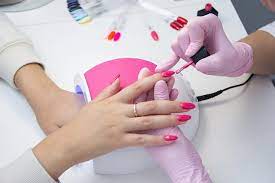
Introduction about Nail Technician
Nail technicians, often referred to as manicurists or pedicurists, are professionals who specialize in the art and science of nail care. They play a crucial role in helping people maintain healthy, attractive nails while also providing a relaxing and pampering experience. In this article, we will explore the world of nail technicians, their responsibilities, the skills required, and the opportunities this profession offers.
What Does a Nail Technician Do?
Nail technicians are skilled individuals who offer a wide range of nail care services. These services include manicures, pedicures, nail extensions, nail art, and more. They are experts at beautifying and maintaining the health of clients' nails.
Nail Care Services
Manicures and pedicures are the bread and butter of nail technicians. During a manicure, they trim, shape, and polish clients' fingernails, while pedicures involve the same process for toenails. Nail technicians often offer additional services such as nail art, acrylic or gel nail extensions, and even nail repair, enhancing the overall appearance and health of the nails.
Becoming a Nail Technician
To become a nail technician, one usually needs to complete a state-approved cosmetology or nail technician program. These programs provide comprehensive training in nail care, sanitation, and customer service.
Educational Requirements
The educational requirements for nail technicians vary by state, but most programs cover nail anatomy, hygiene, safety procedures, and the art of nail design. Additionally, aspiring nail technicians must complete a specific number of training hours and pass a state licensing exam.
Skills Required
Nail technicians require a unique set of skills to excel in their profession. First and foremost, they need to have a strong sense of creativity and an impeccable attention to detail.
Creativity and Attention to Detail
Creating intricate nail designs and ensuring the symmetry and precision of each nail is an art in itself. Nail technicians must also stay up-to-date with the latest nail trends and techniques to offer clients fresh and innovative designs.
Nail Technician Tools
Nail technicians work with a variety of tools and equipment, including nail files, clippers, cuticle pushers, UV lamps, and an array of nail polishes and gels. These tools are essential for providing high-quality nail care services.
Work Environment
Nail technicians primarily work in nail salons and spas, providing services to clients seeking nail care and relaxation.
Nail Salons and Spas
Nail salons and spas are serene places where clients can unwind while their nails receive professional care. The environment is vital to creating a positive and tranquil experience for clients.
Day in the Life of a Nail Technician
A typical day for a nail technician involves working with clients, managing appointments, and ensuring a clean and sanitized workspace.
Client Interactions
Nail technicians spend a significant amount of time interacting with clients, understanding their preferences, and offering personalized nail care services.
Career Opportunities
Nail technicians can explore various career opportunities beyond working in salons.
Freelancing and Self-Employment
Many experienced nail technicians choose to freelance or start their nail care businesses, giving them greater flexibility and the potential to earn a higher income.
Industry Trends
The nail care industry is constantly evolving, with new techniques, nail products, and design trends emerging regularly.
Earnings and Salary
Earnings for nail technicians can vary, but many earn a combination of hourly wages and tips, making it a potentially lucrative profession.
Job Satisfaction
Nail technicians often find their work rewarding as they help clients feel more confident and beautiful.
Challenges Faced
This profession comes with its own set of challenges, including dealing with difficult clients and maintaining strict hygiene standards.
Importance of Nail Technicians
Nail technicians play a vital role in enhancing the personal grooming and self-esteem of their clients.
Nail Technician Etiquette
Nail technicians should always maintain a high level of professionalism, cleanliness, and courtesy while serving clients.
How can I apply for admission to Nail Technician Program
To apply for admission to a Nail Technician Program, you can follow these general steps:
Research and Choose a Program: Start by researching nail technician programs in your area. Look for accredited schools or institutions that offer comprehensive training in nail care and manicure/pedicure services.
Check Admission Requirements: Each program may have specific admission requirements, so it's essential to review them. Common requirements include a high school diploma or GED, a minimum age limit, and proof of English language proficiency.
Complete the Application: Once you've chosen a program, complete the application form provided by the school or institution. You'll typically need to provide personal information, educational history, and contact details.
Submit Transcripts: If required, submit your high school transcripts or equivalent documentation. Some programs may also ask for previous academic records.
Financial Aid: If you require financial assistance, explore your options for scholarships, grants, or student loans. Many schools have financial aid offices to guide you through the process.
Pay Application Fee: Some programs may charge an application fee. Ensure you pay this fee as part of the application process.
Interview: In some cases, you might be required to attend an interview as part of the admission process. This is an opportunity for the school to learn more about your interest in becoming a nail technician.
Entrance Exam: Depending on the program, you might need to take an entrance exam or assessment to evaluate your skills and knowledge.
Background Check: Some programs may require a background check for safety and security purposes.
Submit Required Documents: Ensure you submit all necessary documents, including your application form, transcripts, and any other requested materials.
Wait for Admission Decision: After submitting your application, you'll need to wait for the admission committee to review your application and make a decision.
Acceptance and Registration: If you're accepted into the program, you'll receive an acceptance letter. Follow the instructions provided in the letter to confirm your acceptance and register for classes.
Enroll in Courses: Once you're registered, you can enroll in the nail technician courses. These courses will cover a wide range of topics related to nail care and design.
Attend Orientation: Attend any orientation sessions provided by the school to get acquainted with the program, instructors, and campus facilities.
Pay Tuition and Fees: Ensure you meet the deadlines for paying tuition and other associated fees.
Start Your Nail Technician Training: Once you've completed these steps, you'll officially begin your nail technician program. Be prepared to learn and practice a variety of skills, from basic nail care to advanced nail art techniques.
What is the eligibility for Nail Technician
The eligibility requirements for becoming a Nail Technician can vary by location and educational institution, but here are some common eligibility criteria that you may encounter:
Age Requirement: Typically, you must be at least 16 years old to enroll in a nail technician program. Some programs may have a higher age requirement.
Educational Background: Most nail technician programs require a high school diploma or its equivalent, such as a General Education Development (GED) certificate. Some programs may accept students who are in the process of obtaining their high school diploma.
English Language Proficiency: Since nail technician programs often involve communication with clients, you may be required to demonstrate proficiency in the English language. This could involve taking an English proficiency test or providing proof of English language education.
Criminal Background Check: Some programs and states may require a criminal background check to ensure the safety and trustworthiness of individuals working in the beauty industry.
Health and Sanitation Standards: You should be in good health and able to follow strict sanitation and hygiene standards, as nail technicians are responsible for the well-being of their clients.
Cosmetology Board Requirements: In many places, nail technicians are regulated by the state's cosmetology board or a similar governing body. You may need to meet the specific requirements set by these boards, which can include completing a state-approved nail technician program and passing a licensing exam.
Physical Dexterity: Nail technicians require a good level of manual dexterity, as their work involves precise and detailed tasks, such as nail shaping, cuticle care, and nail art.
Passing an Entrance Exam: Some nail technician programs may require you to pass an entrance exam or assessment to evaluate your skills and knowledge before admission.
Financial Requirements: Be prepared to meet the financial obligations associated with the program, which can include tuition, fees, and supplies.
How long does it takes to complete a Nail Technician program
The duration of a Nail Technician program can vary depending on several factors, including the specific program, the state or country's licensing requirements, and whether you choose a full-time or part-time schedule. On average, it takes anywhere from a few weeks to several months to complete a Nail Technician program. Here are some key factors that influence the program's duration:
State or Country Requirements: The length of a Nail Technician program may be influenced by the licensing requirements set by your state or country's regulatory body. In some regions, the required number of training hours is relatively short, while in others, it may be more extensive.
Full-Time vs. Part-Time: Many nail technician programs offer flexible scheduling options. Full-time programs typically have a shorter duration, often ranging from a few weeks to a couple of months. Part-time programs, on the other hand, can take longer to complete since you attend classes on a part-time basis, which might be evenings or weekends.
Accelerated Programs: Some nail technician schools offer accelerated or intensive programs that allow you to complete your training more quickly. These programs may have longer daily hours and require full-time commitment.
Training Hours: The number of training hours required can vary. In some places, you may need 200-300 training hours, while in others, it could be closer to 600-800 hours or more.
Online vs. On-Site Programs: Some institutions offer online nail technician programs, which can provide more flexibility in terms of timing. These programs may also vary in duration, depending on the pace at which you complete the coursework.
Practical Training: Practical training is a crucial part of a nail technician program. You'll need to complete a certain number of hands-on practice hours to acquire the necessary skills. The time you spend on practical training can extend the program's duration.
What are potential career opportunities after Nail Technician
After completing a Nail Technician program and becoming a licensed nail technician, you'll have various career opportunities to explore in the beauty and wellness industry. Here are some potential career paths and opportunities:
Nail Technician in a Salon or Spa: Many nail technicians work in nail salons, beauty spas, or wellness centers. They provide nail care services such as manicures, pedicures, nail extensions, and nail art to clients. This is the most common career path for nail technicians.
Freelance Nail Technician: Some nail technicians choose to work independently as freelancers. They may offer mobile nail services, work from home, or rent space in established salons to build their clientele.
Nail Salon Owner: If you have entrepreneurial aspirations, you can open your nail salon. This allows you to manage your business, set your pricing, and create a unique atmosphere for your clients.
Educator or Instructor: Experienced nail technicians can become educators or instructors at beauty schools or vocational institutions. They teach aspiring nail technicians the skills and techniques needed to succeed in the industry.
Nail Product Sales Representative: With in-depth knowledge of nail products and techniques, some nail technicians transition into sales roles, representing and promoting nail care product lines to salons and professionals.
Nail Artist: As a nail artist, you can specialize in creating intricate and creative nail designs. This path often involves participating in nail art competitions and working on high-fashion shoots or runway shows.
Spa Manager or Supervisor: Experienced nail technicians may take on managerial roles within spas or salons, overseeing the operations and staff.
Nail Technician in the Entertainment Industry: Some nail technicians work in the entertainment industry, providing nail services to actors, models, and celebrities for photo shoots, film, television, and events.
Manicure and Pedicure Specialist: You can focus on becoming an expert in manicures and pedicures, developing specialized skills in nail shaping, cuticle care, and nail art for those who prefer a dedicated specialist.
Product Development and Research: Knowledge of nail care products and techniques can lead to careers in product development and research for nail care companies. You can help create new products or improve existing ones.
Blogger or Influencer: With a strong online presence and a passion for nail care, you can become a nail care blogger or influencer, sharing your expertise, tutorials, and product reviews with a broad audience.
Nail Technician for Special Events: Some nail technicians specialize in providing nail services for special events, such as weddings or corporate functions, offering on-site services.
Consultant: Nail technicians can also work as consultants, advising salons and spas on nail care practices, hygiene, and product selection.
Nail Technician Cruise Ship Jobs: For those who enjoy travel, cruise ships often employ nail technicians to provide services to passengers on board.
Brand Ambassador: Work as a brand ambassador for nail care product brands, representing and promoting their products at trade shows and events.
Syllabus of Nail Technician
The syllabus for a Nail Technician program can vary depending on the specific school, program, and the regulatory requirements of the state or country in which you are studying. However, here's a general overview of what you might expect to learn in a Nail Technician program, typically divided into semesters:
Semester 1
Introduction to Nail Technology
Overview of the nail care industry
History of nail care
Professional ethics and client communication
Nail Anatomy and Physiology
Study of nail structure and growth
Common nail disorders and diseases
Nail Care Tools and Equipment
Identification and use of nail care tools
Safety and sanitation practices
Manicures
Basic manicure techniques
Hand and nail massage
Pedicures
Basic pedicure techniques
Foot and leg massage
Sanitation and Infection Control
Infection prevention and control measures
Safe practices for equipment and tools
Semester 2
Nail Extensions
Application of tips and forms
Acrylic and gel nail extensions
Nail Art and Design
Nail art techniques, including nail painting and decoration
Advanced nail design concepts
Nail Polish Application
Techniques for applying nail polish, including traditional and gel polish
Client Consultation
Client assessment and consultation
Record-keeping and appointment scheduling
Nail Disorders and Diseases
In-depth study of nail disorders, diseases, and infections
Identifying and addressing common issues
Salon Management
Customer service and interpersonal skills
Business management and marketing
Semester 3
Advanced Nail Techniques
Advanced techniques in acrylics, gels, and other artificial nail systems
Sculpting and shaping techniques
Nail Product Chemistry
Understanding the chemistry of nail care products
Product selection and usage
State Regulations and Licensing
Review of state regulations for nail technicians
Licensing requirements and examination preparation
Client Retention and Marketing
Building a client base
Marketing and promoting nail services
Professional Development
Personal and professional development in the nail care industry
Continuing education options
Semester 4
Practical Experience
Practical training in a salon or spa setting
Real-world experience providing nail care services to clients
Nail Care Trends
Staying current with industry trends and innovations
Exploring new nail care techniques and technologies
Final Examination
Preparation for the final examination
Practical and written assessment of nail care skills and knowledge
Graduation and Licensing
Completing the program and meeting all requirements for graduation
Applying for and obtaining a Nail Technician license
Internship opportunities after completing Nail Technician
After completing a Nail Technician program and obtaining your license, pursuing an internship or gaining practical experience can be highly beneficial for furthering your career in the beauty and wellness industry. Here are some internship opportunities and avenues to consider:
Salon or Spa Internship: Many salons and spas offer internship or apprenticeship programs for newly licensed nail technicians. These opportunities allow you to work alongside experienced professionals, gain hands-on experience, and build your clientele.
Nail Product Company Internship: Some nail product manufacturers or distributors offer internships to provide insights into the industry. Interning with these companies can help you learn about the latest nail care products and technologies.
Nail Art and Design Studios: If you have a passion for nail art, consider interning at a specialized nail art and design studio. You can learn advanced techniques and artistic skills to create unique and intricate nail designs.
Fashion Shows and Events: Interning as a backstage nail technician at fashion shows, photo shoots, or other special events can provide exposure to high-profile clients and unique nail art opportunities.
Educational Institutions: Some beauty schools or institutions hire recent graduates as teaching assistants or interns to help instruct and guide students in training. This experience can deepen your understanding of nail care techniques and theory.
Nail Care Workshops and Seminars: Attend workshops and seminars led by experienced nail technicians or nail product companies. These events often provide hands-on experience and networking opportunities.
Mobile Nail Technician Internship: Collaborate with a mobile nail technician who offers on-site services to clients. You can assist in serving clients at their location, gaining experience in different settings.
Spa or Wellness Center Internship: If you're interested in the wellness aspect of nail care, intern at a spa or wellness center. You can learn about holistic approaches to nail care and relaxation techniques.
Nail Technician Cruise Ship Jobs: Some cruise lines hire nail technicians as interns to provide services to passengers on board, offering a unique and adventurous experience.
Beauty Retailer Internship: Interning at a beauty retailer that sells nail care products can help you gain insights into product sales, customer service, and product knowledge.
Scholorship and grants for Nail Technician
While scholarships and grants for Nail Technician programs may not be as common as those for traditional academic pursuits, there are still opportunities available to help you with the cost of your education. Here are some potential sources of financial assistance for aspiring Nail Technicians:
Cosmetology and Beauty Schools: Many cosmetology and beauty schools offer scholarships or grants specifically for their programs, including Nail Technician courses. Contact the schools you are interested in to inquire about available financial aid options.
Professional Associations: Some professional associations related to the beauty and nail care industry offer scholarships to students pursuing a career in nail technology. Examples include the Professional Beauty Association (PBA) and the National-Interstate Council of State Boards of Cosmetology (NIC).
State and Local Programs: Check with your state's department of education or workforce development for potential financial aid programs or grants available for vocational and technical education, which may include Nail Technician programs.
Federally Funded Programs: The U.S. Department of Education's Federal Student Aid program provides financial assistance to eligible students pursuing vocational and technical education. You can apply for federal grants, including the Pell Grant, to help cover the cost of your Nail Technician program.
Beauty Product Manufacturers: Some beauty product manufacturers and suppliers offer scholarships and grants to students studying cosmetology and related fields. These companies may have an interest in supporting the next generation of beauty professionals.
Local Beauty Salons and Spas: In some cases, local salons or spas may offer scholarships or financial assistance to individuals interested in training to become a nail technician. They may be willing to invest in your education in exchange for your commitment to work for them after you complete your program.
Community Foundations: Check with community foundations in your area, as they sometimes offer scholarships for vocational and technical training, including Nail Technician programs.
Women's Organizations: Some organizations, like Soroptimist International, offer scholarships to women pursuing vocational or technical education, which can include cosmetology and nail technology.
Online Scholarship Databases: Explore online scholarship databases and search for awards related to cosmetology, nail technology, or vocational education. Websites like Fastweb and Scholarships.com can be valuable resources.
Financial Aid from the School: Speak to the admissions or financial aid office of the Nail Technician program you're interested in. They may be aware of scholarship opportunities or have information on how to apply for financial aid.
Conclusion
Nail technicians are skilled professionals who contribute to the beauty and well-being of their clients. They offer a diverse range of nail care services, shaping and styling nails while also creating unique nail art designs. This profession is marked by its constant evolution, offering a promising and rewarding career path for those with a passion for creativity and attention to detail.
FAQ on Nail Technician
What is a Nail Technician?
A Nail Technician is a professional trained in the care and beautification of nails. They provide services like manicures, pedicures, nail extensions, and nail art.
How do I become a Nail Technician?
To become a Nail Technician, you typically need to complete a state-approved nail technician program, accumulate a specific number of training hours, and pass a licensing exam.
What are the skills required to be a successful Nail Technician?
Key skills include attention to detail, creativity, communication, customer service, and knowledge of nail care techniques and products.
Is a license required to work as a Nail Technician?
Yes, most states and countries require Nail Technicians to obtain a license to practice professionally. Licensing requirements vary, but they typically involve completing an approved program and passing an exam.
What services do Nail Technicians offer?
Nail Technicians offer a range of services, including manicures, pedicures, acrylic or gel nail extensions, nail art, and nail repair.
How long does it take to complete a Nail Technician program?
The duration of a Nail Technician program can vary but typically takes a few weeks to several months, depending on factors such as full-time or part-time study and state regulations.
What is the average income of a Nail Technician?
The income of a Nail Technician varies based on factors like location, experience, and clientele. On average, they earn a combination of hourly wages and tips.
Are there opportunities for self-employment as a Nail Technician?
Yes, many Nail Technicians choose to work independently, either by freelancing or opening their own nail salons.
What are the common challenges faced by Nail Technicians?
Challenges include dealing with difficult clients, maintaining hygiene standards, and staying up-to-date with evolving nail care trends.
Are there opportunities for career advancement as a Nail Technician?
Yes, experienced Nail Technicians can pursue careers in education, salon management, product sales, or specialize in areas like nail art or advanced nail techniques.
What's the importance of sanitation and hygiene in nail care?
Maintaining strict sanitation and hygiene practices is crucial to prevent the spread of infections and ensure the health and safety of clients.
Can I work as a Nail Technician for special events, like weddings?
Yes, many Nail Technicians offer services for special events, including weddings, providing beautiful and personalized nail designs for brides and their parties.
How can I stay updated on the latest nail care trends and techniques?
To stay current, you can attend workshops, seminars, and nail care trade shows. Following industry publications and online resources is also helpful.
Can men become Nail Technicians too?
Absolutely! Nail care is not limited by gender, and many male Nail Technicians have successful careers in the industry.
What's the role of a Nail Technician in the beauty and wellness industry?
Nail Technicians contribute to personal grooming, self-esteem, and relaxation by providing nail care services and artistic nail designs. They play a vital role in the beauty and wellness industry.
How Shiksha Hub helps you in
-
 Student Counsellors
 -
 Career Counseling
 -
 Research
 -
 24/7 Support
 -
 Scholarships
 -
 Community