Posted by Admin on 15-07-2023 in Shiksha hub
PFT, Introduction, Admission, Registration, Eligibility, Duration, Fees, Syllabus 2024
Introduction about PFT
Pulmonary Function Tests, commonly referred to as PFTs, are a group of non-invasive diagnostic procedures aimed at assessing the functionality of the respiratory system. These tests are crucial in understanding how well your lungs work, providing valuable insights into your lung health. In this article, we will delve into the world of PFTs, exploring their significance, various types, and the role they play in diagnosing and managing respiratory conditions.
Understanding PFT
PFTs are a set of tests used to evaluate the lungs' ability to exchange oxygen and carbon dioxide efficiently. They help determine if there are any issues affecting the airways, lung tissue, or the chest wall that may impede the normal flow of air. These tests are especially useful in diagnosing conditions like asthma, chronic obstructive pulmonary disease (COPD), and interstitial lung disease.
The Importance of Pulmonary Function Tests
PFTs are invaluable in assessing lung health and function. They can identify the presence of lung diseases at an early stage, even before noticeable symptoms manifest. This early detection is crucial for effective treatment and management.
Types of PFTs
There are several types of PFTs, each serving a unique purpose in assessing lung function:
Spirometry
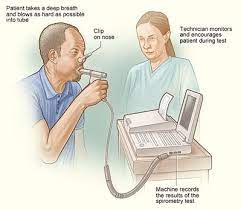
Spirometry is one of the most common PFTs. It measures how much air you can inhale and exhale and how quickly you can do so. It is a fundamental test in diagnosing and managing respiratory diseases like asthma.
Lung Volume Tests
These tests assess the total lung capacity and the amount of air left in your lungs after a forced exhale. They help in identifying restrictive lung diseases.
Diffusion Capacity Test
This test measures how effectively oxygen is transferred from the lungs to the bloodstream. It is useful in diagnosing conditions that affect this vital gas exchange.
Peak Flow Test
The peak flow test measures the maximum speed at which you can exhale. It is often used by asthma patients to monitor their condition.
Preparing for a PFT
Before undergoing a PFT, there are certain preparations you should consider. It's essential to follow any instructions provided by your healthcare provider to ensure accurate results. Typically, you may be advised not to eat a heavy meal before the test and to avoid smoking or strenuous exercise.
How PFTs Are Conducted
During a PFT, you will be asked to breathe into a device called a spirometer. This device records your lung function, and the results are analyzed by a healthcare professional. The test is painless and usually takes about 15-20 minutes to complete.
Interpreting PFT Results
Once the test is completed, your healthcare provider will interpret the results. They will compare your results to established norms and look for any abnormalities or irregularities. These results help in determining the presence and severity of lung conditions.
Common Uses of PFTs
PFTs are employed in various scenarios:
Evaluating respiratory symptoms
Assessing lung function before surgery
Monitoring the effectiveness of treatment
Evaluating the impact of environmental factors on lung health
PFTs in Disease Diagnosis
PFTs play a crucial role in diagnosing lung diseases, such as:
Asthma
Chronic obstructive pulmonary disease (COPD)
Pulmonary fibrosis
Lung infections
Allergies
PFTs in Disease Management
In addition to diagnosis, PFTs are used to monitor the progress of lung diseases and the effectiveness of treatment. They provide valuable data that guides healthcare providers in adjusting treatment plans.
Limitations of PFTs
While PFTs are highly valuable, they do have some limitations. They may not provide a definitive diagnosis in isolation, and other tests and clinical evaluations may be necessary. The accuracy of PFT results can also be affected by factors such as effort and cooperation during the test.
Benefits of Regular PFTs
Regular PFTs are essential for individuals with respiratory conditions, as they help in early detection and ongoing monitoring. By identifying issues at an early stage, PFTs can lead to better disease management and improved quality of life.
FAQs About PFTs
Are PFTs painful?
No, PFTs are not painful. They are non-invasive and involve simple breathing tests.
How long does a PFT take to complete?
Typically, a PFT takes about 15-20 minutes to complete.
Do I need a referral to get a PFT?
In most cases, a healthcare provider will refer you for a PFT if it is deemed necessary based on your symptoms or medical history.
Are PFTs safe during pregnancy?
PFTs are generally considered safe during pregnancy, but it's essential to inform your healthcare provider if you are pregnant or think you might be.
Can I eat before a PFT?
It is advisable not to eat a heavy meal immediately before a PFT, as it may affect the results.
How can I apply for admission to PFT Program
To apply for admission to a Pulmonary Function Testing (PFT) Program, you'll need to follow a set of steps. Here's a guide on how to go about it:
Research PFT Programs: Start by researching PFT programs offered by various educational institutions or medical training centers. Look for programs that are accredited and have a good reputation.
Check Admission Requirements: Each program may have specific admission requirements. Common requirements include a high school diploma or equivalent, completion of prerequisite courses, and sometimes, prior healthcare experience.
Meet Prerequisite Requirements: If the program has prerequisite courses, ensure that you have successfully completed them. These courses might include subjects like anatomy, physiology, and medical terminology.
Prepare Required Documents: Most programs will require you to submit certain documents. These typically include:
High school transcripts or diploma
College transcripts (if applicable)
Letters of recommendation
Personal statement or essay
Resume or CV
Take Standardized Tests: Some PFT programs may require you to take standardized tests such as the SAT or ACT. Make sure to check the program's admission requirements for specific test information.
Submit Your Application: Fill out the program's application form completely and accurately. Make sure to pay close attention to deadlines, as missing them may affect your chances of admission.
Interview (if required): Some programs may require an interview as part of the admission process. Prepare for this by reviewing common interview questions and practicing your responses.
Pay Application Fees: Many programs require an application fee to process your application. Be sure to include the required payment along with your application.
Wait for Admission Decision: After submitting your application and completing all necessary steps, you'll need to wait for the program to review your materials and make an admission decision.
Acceptance and Enrollment: If you receive an acceptance letter, congratulations! Follow the instructions in the acceptance letter to secure your spot in the program. This may include paying a deposit or enrolling in specific classes.
Financial Aid and Scholarships: If you need financial assistance, explore scholarship opportunities, grants, and financial aid options to help cover the cost of your PFT program.
Orientation and Program Start: Attend any orientation sessions provided by the program, and be prepared to start your PFT studies on the designated start date.
What is the eligibility for PFT
Eligibility requirements for a Pulmonary Function Testing (PFT) program or certification can vary depending on the institution, organization, or country where you plan to pursue it. However, there are some general eligibility criteria that are commonly applied:
Educational Background:
High School Diploma or Equivalent: Most PFT programs require applicants to have a high school diploma or GED (General Educational Development) certificate.
Prerequisite Courses:
Some programs may require completion of prerequisite courses in subjects such as anatomy, physiology, biology, chemistry, or medical terminology. These courses provide foundational knowledge for understanding the respiratory system and are essential for success in a PFT program.
Healthcare Experience (Optional):
While not always mandatory, having prior healthcare experience, such as working as a respiratory therapy technician or in a related field, can be advantageous and may improve your chances of admission.
Basic Skills:
Proficiency in basic skills, such as math and communication, is important, as PFT technicians need to perform calculations and effectively communicate with patients.
Physical Requirements:
PFT technicians often need to stand for extended periods, move equipment, and assist patients with various physical abilities. Being in good physical health is beneficial for this profession.
Criminal Background Check:
Many programs and employers may require a criminal background check as part of the application process due to the sensitive nature of healthcare settings.
Technical Skills:
Familiarity with basic computer skills may be necessary, as PFT technicians often use software to record and analyze data.
Certification (Optional):
Some individuals may pursue PFT certification through organizations like the National Board for Respiratory Care (NBRC) to enhance their qualifications and job prospects. Certification requirements typically include the completion of an accredited PFT program.
How long does it takes to complete a PFT program
The duration of a Pulmonary Function Testing (PFT) program can vary depending on several factors, including the level of the program and the institution offering it. Here's a general overview of the time it takes to complete different types of PFT programs:
Certificate or Diploma Programs:
Certificate or diploma programs in PFT typically take around 6 months to 1 year to complete. These programs are often designed for individuals who already have a background in healthcare and want to specialize in PFT.
Associate's Degree Programs:
Associate's degree programs in Respiratory Therapy, which may include PFT training, usually take 2 years to complete. These programs are suitable for those who are starting their healthcare education from scratch.
Bachelor's Degree Programs:
Bachelor's degree programs in Respiratory Therapy or a related field may take 4 years to complete. These programs often provide a more comprehensive education in respiratory care, which includes PFT training as part of the curriculum.
Certification Programs:
If you're pursuing PFT certification through organizations like the National Board for Respiratory Care (NBRC), the educational requirements typically involve graduating from an accredited PFT program. The time to achieve certification can vary, but it's often an additional step after completing your PFT education.
Continuing Education and Specialization:
For healthcare professionals who want to further specialize in PFT or stay updated on the latest advancements, there are shorter continuing education courses and workshops available that can be completed in a matter of days or weeks.
What are potential career opportunities after PFT
Completing a Pulmonary Function Testing (PFT) program opens up various career opportunities in the field of respiratory care and pulmonary diagnostics. Here are some potential career opportunities you can explore after obtaining PFT training:
Pulmonary Function Technologist (PFT Tech):
PFT techs are responsible for conducting and interpreting pulmonary function tests to assess lung health. They work in hospitals, clinics, and pulmonary function laboratories, assisting physicians in diagnosing and managing respiratory conditions.
Respiratory Therapist:
Respiratory therapists work with patients of all ages to treat and manage respiratory conditions such as asthma, chronic obstructive pulmonary disease (COPD), and respiratory distress. They administer breathing treatments, conduct PFTs, and provide patient education.
Cardiopulmonary Rehabilitation Specialist:
These specialists work with patients who have heart and lung conditions. They create and supervise exercise and rehabilitation programs to improve cardiovascular and pulmonary health.
Sleep Technologist:
Sleep technologists assist in diagnosing and treating sleep disorders like sleep apnea. They conduct sleep studies and monitor patients during sleep, helping to identify the cause of sleep-related problems.
Research Assistant or Coordinator:
If you have an interest in research, you can work as a research assistant or coordinator in respiratory and pulmonary studies, assisting in clinical trials and data collection.
Educator or Instructor:
With further education, you can become an educator in a PFT program, teaching the next generation of PFT technicians, respiratory therapists, and healthcare professionals.
Sales and Application Specialist:
Some PFT techs transition into roles in medical equipment sales, where they assist healthcare facilities in selecting and using PFT-related equipment and technology.
Quality Assurance Specialist:
Quality assurance specialists ensure that PFT procedures and equipment meet the required standards. They may work in healthcare facilities or equipment manufacturing companies.
Management and Supervisory Roles:
With experience, you can move into supervisory or managerial positions in healthcare settings, overseeing PFT departments and staff.
Home Healthcare Provider:
Some PFT techs provide home-based care for patients who require ongoing monitoring of their respiratory conditions.
Consultant:
Experienced PFT professionals may become consultants, providing expertise and guidance to healthcare facilities on best practices in pulmonary diagnostics.
Telemedicine and Remote Monitoring:
In the era of telemedicine, PFT techs can be involved in remote monitoring of patients' lung health and conducting virtual PFTs.
Syllabus of PFT
The syllabus of a Pulmonary Function Testing (PFT) program is typically structured to provide students with a comprehensive understanding of respiratory care and the skills needed to perform PFTs. The specific topics and courses covered can vary by institution, but here's a general overview of what a PFT program's syllabus might look like, organized by semesters:
Semester 1: Introduction to Respiratory Care and Basic Sciences
Introduction to Respiratory Care
Medical Terminology
Anatomy and Physiology of the Respiratory System
Patient Assessment
Cardiopulmonary Anatomy and Physiology
Infection Control
Semester 2: Basic Clinical Skills
Patient Interaction and Communication
Cardiopulmonary Pharmacology
Medical Gas Therapy
Infection Control and Prevention
Clinical Simulation
Semester 3: Principles of Mechanical Ventilation
Respiratory Therapy Equipment
Mechanical Ventilation
Arterial Blood Gas Analysis
Pulmonary Diagnostics
Clinical Practice
Semester 4: Advanced Respiratory Care
Neonatal and Pediatric Respiratory Care
Adult Critical Care
Advanced Cardiopulmonary Pathophysiology
Pulmonary Rehabilitation
Clinical Practice
Semester 5: Special Topics in Respiratory Care
Sleep Medicine and Sleep Disorders
Home Care and Long-Term Ventilation
Pulmonary Function Testing (PFT)
Research in Respiratory Care
Clinical Practice and Advanced Simulations
Semester 6: Professional Development and Preparation for Certification
Ethics in Healthcare
Healthcare Management and Leadership
Professional Development and Licensure
Preparing for Certification Exams (e.g., NBRC)
Clinical Practice and Clinical Case Studies
Internship opportunities after completing PFT
After completing a Pulmonary Function Testing (PFT) program, there are various internship opportunities available that can help you gain hands-on experience and further develop your skills in the field of respiratory care. These internships are essential for transitioning from a student to a professional PFT technician or respiratory therapist. Here are some common internship opportunities:
Clinical Internship:
Many PFT programs include a clinical internship as part of their curriculum. During this internship, you'll work in healthcare settings, such as hospitals, clinics, and pulmonary function laboratories, under the guidance of experienced PFT techs or respiratory therapists. You'll perform PFT tests on real patients, learn how to interpret results, and gain practical experience in respiratory care.
Hospital Internship:
Hospitals often offer internships or externships for PFT graduates. These internships provide exposure to a wide range of respiratory conditions and patient populations. You may work in various departments, including critical care units, emergency departments, and general wards.
Specialty Clinics:
Interning at specialty clinics that focus on specific respiratory conditions, such as asthma or sleep disorders, allows you to gain expertise in these areas. These internships can be particularly valuable if you have a specific interest in a particular respiratory field.
Home Healthcare Agencies:
Some PFT techs intern with home healthcare agencies, where they visit patients in their homes to conduct PFT tests, monitor equipment, and provide education on managing respiratory conditions in a home setting.
Pediatric Care Centers:
If you're interested in working with children, consider interning at pediatric care centers. This allows you to gain experience in assessing and treating respiratory issues in pediatric patients.
Long-Term Care Facilities:
Long-term care facilities and nursing homes often have residents with chronic respiratory conditions. An internship in such a setting can help you understand the unique needs of these patients.
Pulmonary Rehabilitation Programs:
Interning in pulmonary rehabilitation programs is an excellent opportunity to work with patients who have chronic lung diseases. You'll assist in creating and implementing exercise and treatment plans to improve patients' respiratory health.
Telehealth and Remote Monitoring:
With the rise of telehealth, there are internship opportunities in remote monitoring and telemedicine. You may assist in conducting virtual PFTs and monitoring patients' lung health from a distance.
Research Internships:
If you have an interest in respiratory research, consider interning with research institutions or clinical trials related to pulmonary diagnostics. You can be involved in data collection, analysis, and research projects.
Durable Medical Equipment Companies:
Some companies that manufacture or provide respiratory care equipment offer internships for PFT techs to gain experience in equipment maintenance, calibration, and client support.
Scholorship and grants for PFT
Scholarships and grants are valuable resources that can help ease the financial burden of pursuing a Pulmonary Function Testing (PFT) program or other educational endeavors in respiratory care. Here are some scholarship and grant opportunities that you can explore:
American Association for Respiratory Care (AARC) Scholarships:
The AARC offers several scholarships for students pursuing degrees or certifications in respiratory care, which may include PFT programs. These scholarships are typically awarded to AARC members.
NBRC/AMP Scholarships:
The National Board for Respiratory Care (NBRC) and Applied Measurement Professionals (AMP) offer scholarships for respiratory therapy students. These scholarships can support your PFT education and certification.
State and Local Respiratory Care Associations:
Many state and local respiratory care associations provide scholarships for students pursuing respiratory care programs, including PFT. Check with the association in your area for available opportunities.
Medical Equipment Manufacturers:
Companies that manufacture respiratory care equipment, such as ventilators and PFT devices, may offer scholarships or grants to students in the field. These scholarships are often related to specific brands or products.
Professional Organizations:
Other professional organizations related to healthcare, respiratory care, or specific diseases like asthma or COPD may offer scholarships or grants to support education and research in these areas.
College and University Scholarships:
Many educational institutions that offer PFT programs have their own scholarships and grants for students in respiratory care. Inquire with the financial aid office at your chosen institution.
Federal Financial Aid (FAFSA):
Completing the Free Application for Federal Student Aid (FAFSA) can help you access federal grants and financial aid programs, including Pell Grants and subsidized or unsubsidized student loans.
Private Foundations:
Some private foundations and non-profit organizations offer scholarships and grants to students pursuing healthcare and medical careers, including respiratory care.
Diversity Scholarships:
Various organizations offer scholarships to underrepresented minority students in healthcare fields, promoting diversity in respiratory care.
Military Scholarships:
If you are a member of the military or a veteran, there may be scholarship opportunities through military-related programs like the GI Bill or Yellow Ribbon Program.
Employer Tuition Assistance:
If you are already working in a healthcare facility, check with your employer to see if they offer tuition assistance or reimbursement for further education in respiratory care.
Conclusion
Pulmonary Function Tests are a vital tool in the assessment of lung health. They provide crucial information for diagnosing and managing respiratory conditions. Whether you are experiencing respiratory symptoms or simply want to monitor your lung health, PFTs offer valuable insights. So, don't hesitate to consult with your healthcare provider and consider getting a PFT to ensure the well-being of your respiratory system.
FAQ on PFT
What is a Pulmonary Function Test (PFT)?
A PFT is a group of non-invasive diagnostic tests that assess how well your lungs function. It measures various parameters to help diagnose and manage respiratory conditions.
Why are PFTs performed?
PFTs are performed to diagnose lung diseases, assess lung function before surgery, monitor the effectiveness of treatment, and evaluate the impact of environmental factors on lung health.
How are PFTs conducted?
PFTs involve breathing into a device called a spirometer, which records lung function. Other tests may involve inhaling or exhaling forcefully and measuring various lung capacities and volumes.
Are PFTs painful or invasive?
No, PFTs are non-invasive and not painful. They involve simple breathing tests and do not require needles or invasive procedures.
What conditions can PFTs diagnose or monitor?
PFTs can diagnose and monitor conditions such as asthma, chronic obstructive pulmonary disease (COPD), pulmonary fibrosis, lung infections, and allergies.
How long does a PFT take to complete?
Typically, a PFT takes about 15-20 minutes to complete, although this can vary depending on the specific tests being performed.
Is there any preparation required before a PFT?
Yes, some preparation may be necessary. Patients are often advised not to eat a heavy meal immediately before the test, and smoking or strenuous exercise should be avoided.
Can anyone get a PFT?
PFTs are typically performed when a healthcare provider deems them necessary based on a patient's symptoms, medical history, or specific risk factors.
Are PFTs safe during pregnancy?
PFTs are generally considered safe during pregnancy, but it's important to inform your healthcare provider if you are pregnant or think you might be.
What do the results of a PFT indicate?
PFT results are compared to established norms and help determine the presence and severity of lung conditions. They provide valuable information for diagnosis and treatment planning.
Can I get PFTs done at home?
While some home spirometry devices are available, they are typically used under the guidance of a healthcare professional. Most PFTs are conducted in clinical settings.
Can children and the elderly have PFTs?
PFTs can be performed on individuals of all ages, including children and the elderly, to assess and diagnose respiratory conditions.
Are PFT results always conclusive for diagnosis?
PFT results are an essential part of the diagnostic process, but they may not always provide a definitive diagnosis on their own. Other tests and clinical evaluations may be needed.
Are PFTs covered by insurance?
PFTs are often covered by health insurance, but coverage can vary depending on the specific insurance plan and the medical necessity of the test.
Can PFT results change over time?
Yes, PFT results can change over time due to various factors, including disease progression, treatment, and changes in lung health.
How Shiksha Hub helps you in
-
 Student Counsellors
 -
 Career Counseling
 -
 Research
 -
 24/7 Support
 -
 Scholarships
 -
 Community