Posted by Admin on 07-07-2023 in Shiksha hub
PG Diploma in Actuarial Sciences Introduction, Admission, Registration, Eligibility, Duration, Fees, Syllabus 2024
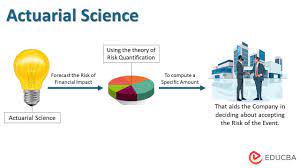
Introduction about PG Diploma in Actuarial Sciences
In the world of finance and risk management, the field of actuarial science plays a crucial role. It is the science that deals with analyzing and managing risks, particularly in the insurance and finance sectors. To become an expert in this field, many individuals opt for a PG Diploma in Actuarial Sciences. In this article, we will delve into the details of what this program entails, its significance, and how it can shape a promising career in the financial world.
What is Actuarial Science?
Before we dive into the PG Diploma, let's first understand what actuarial science is. Actuarial science is a discipline that combines mathematics, statistics, economics, and finance to assess and manage risks in various industries, but it's most prominently used in the insurance sector. Actuaries use complex mathematical models to predict and evaluate the financial impact of uncertain future events, especially those related to insurance and pension programs.
The Importance of Actuaries
Actuaries are highly sought after in the business world for their expertise in risk assessment. They are instrumental in making critical financial decisions, especially for insurance companies. Actuaries help companies determine insurance premiums, design insurance policies, and manage investment portfolios to ensure financial stability.
PG Diploma in Actuarial Sciences: An Overview
The PG Diploma in Actuarial Sciences is a postgraduate program that provides in-depth knowledge and practical skills in actuarial science. This program is designed for individuals who aspire to become actuaries and play a pivotal role in the risk management industry.
How can I apply for admission to PG Diploma in Actuarial Sciences Program?
To apply for admission to a PG Diploma in Actuarial Sciences program, you need to follow a set of standard procedures. Here's a step-by-step guide on how to apply:
Research and Choose a Program: Begin by researching different institutions that offer PG Diploma programs in Actuarial Sciences. Look for programs that align with your career goals, have a strong curriculum, and are recognized in the field.
Check Eligibility Requirements: Review the eligibility criteria for the program you are interested in. Typically, you'll need a bachelor's degree in mathematics, statistics, economics, or a related field. Some institutions may have specific entrance exam requirements.
Collect Required Documents: Prepare all the necessary documents for your application. These typically include:
Academic transcripts
Letters of recommendation
Statement of purpose
Resume or curriculum vitae
Entrance exam scores (if required)
Passport-sized photographs
Proof of identity
Complete the Application Form: Visit the institution's official website and locate the application form for the PG Diploma in Actuarial Sciences program. Fill out the application form accurately and ensure that all information is correct.
Application Fee: Pay the application fee, which is usually non-refundable. The fee amount may vary from one institution to another, so check the program's website for details.
Submit Your Application: Submit your completed application form and all required documents to the institution by the specified deadline. Most institutions offer online submission options, making it convenient for applicants.
Entrance Exams (if required): If the program requires entrance exams, make sure to register and prepare for them well in advance. Take the exams on the designated dates and achieve the required scores.
Interview (if required): Some institutions may conduct interviews as part of the admission process. Be prepared to discuss your academic and career aspirations.
Wait for Admission Decision: After submitting your application, you'll need to wait for the admission committee's decision. This may take some time, so be patient.
Acceptance and Enrollment: If you receive an admission offer, carefully review the terms and conditions of acceptance. If you decide to enroll, follow the provided instructions for confirming your admission and paying any required fees.
Visa (for International Students): If you are an international student, you may need to apply for a student visa to study in the host country. Check the visa requirements and apply accordingly.
Financial Planning: Plan your finances for tuition, living expenses, and any additional costs associated with the program.
Orientation: Once you're enrolled, participate in orientation programs offered by the institution to get acquainted with the campus and the program's specifics.
Remember that the application process may vary from one institution to another, so it's essential to visit the specific program's website and carefully follow their instructions. Additionally, ensure that you meet all deadlines and provide accurate and complete information to enhance your chances of successful admission to the PG Diploma in Actuarial Sciences program.
What is the eligibility for PG Diploma in Actuarial Sciences?
The eligibility criteria for a PG Diploma in Actuarial Sciences program typically include the following requirements:
Educational Qualifications: Candidates should have completed a bachelor's degree from a recognized institution. While many programs prefer candidates with a background in mathematics, related fields such as statistics, economics, and finance are also generally accepted.
Minimum Percentage: Most institutions require candidates to have a minimum percentage or GPA in their undergraduate degree. This percentage may vary from one institution to another but is often in the range of 50% to 60%.
Entrance Exams (if required): Some institutions may require candidates to take specific entrance exams to assess their aptitude for the program. These exams may include the GRE (Graduate Record Examination) or institution-specific tests.
English Language Proficiency (for International Students): If you are an international student and your native language is not English, you may be required to demonstrate proficiency in English by providing TOEFL (Test of English as a Foreign Language) or IELTS (International English Language Testing System) scores.
Letters of Recommendation: Candidates may need to provide letters of recommendation from professors or professionals who can vouch for their academic and personal qualities.
Statement of Purpose (SOP): An SOP is a written document where candidates explain their reasons for pursuing the PG Diploma in Actuarial Sciences. It should include information about their career goals, aspirations, and how the program aligns with their interests.
Resume or Curriculum Vitae (CV): A resume or CV detailing your academic and professional experiences is often required.
Entrance Interview (if required): Some institutions may conduct interviews as part of the admission process to assess a candidate's suitability for the program.
Other Specific Requirements: Certain institutions may have unique eligibility criteria, so it's essential to review the program's official website or contact the admissions office for precise details.
It's crucial to note that eligibility criteria can vary from one institution to another, so it's important to check the specific requirements of the PG Diploma in Actuarial Sciences program you are interested in. Meeting these eligibility requirements is the first step in securing admission to this program, which can be a rewarding path to a career in actuarial science.
How long does it takes to complete a PG Diploma in Actuarial Sciences program?
The duration of a PG Diploma in Actuarial Sciences program can vary depending on the institution offering the program and the specific curriculum they have designed. However, in general, these programs typically take approximately one to two years to complete.
Here are some key factors that can influence the duration:
Institutional Policies: Different universities or colleges may offer programs with varying lengths. It's essential to check the specific program details on the institution's website to confirm the duration.
Full-time vs. Part-time: Some institutions may offer both full-time and part-time options. Full-time programs are often completed in one year, while part-time programs may extend to two years or longer to accommodate students who are working or have other commitments.
Course Load: The number of courses you take each semester or term can impact the program's duration. Some programs may offer more flexibility in choosing the course load, allowing you to finish faster or take your time.
Prerequisite Courses: If you have a background that doesn't align perfectly with actuarial science, you may need to complete prerequisite courses before starting the core program. These prerequisites can add to the total duration.
Internship or Co-op: Some programs may include internships or co-op experiences as part of the curriculum. These practical experiences may extend the overall program length.
Thesis or Capstone Project: If the program requires a thesis or a significant capstone project, it may take longer to complete the program.
To determine the specific duration of the PG Diploma in Actuarial Sciences program you are interested in, it's recommended to visit the institution's official website or contact their admissions or academic departments. They can provide you with detailed information on the program's structure, including its duration and any options for flexibility in terms of course load and scheduling.
What are potential career opportunities after PG Diploma in Actuarial Sciences?
After completing a PG Diploma in Actuarial Sciences, graduates have access to a wide range of career opportunities in the fields of finance, insurance, risk management, and more. Here are some potential career options:
Actuary: The most direct career path for actuarial science graduates is to become an actuary. Actuaries play a crucial role in assessing and managing risks for insurance companies, pension funds, and other financial institutions. They use complex mathematical models to make informed decisions about pricing, underwriting, and investment strategies.
Data Analyst: Actuaries possess strong analytical and data analysis skills. As data analysts, they can work in various industries, using their expertise to interpret data and make data-driven decisions. This role is not limited to the financial sector and can be found in fields such as healthcare, marketing, and technology.
Risk Manager: Risk managers are responsible for identifying and mitigating risks within organizations. Graduates with a PG Diploma in Actuarial Sciences are well-equipped to take on this role, helping companies minimize potential losses and ensure financial stability.
Financial Consultant: With their deep understanding of financial concepts and risk assessment, actuarial science graduates can work as financial consultants. They offer advice to individuals and organizations on making informed financial decisions, managing investments, and planning for the future.
Investment Analyst: Investment analysts assess the performance of investments and provide recommendations for optimizing investment portfolios. Actuaries with a strong background in financial mathematics are well-suited for this role.
Underwriter: Underwriters evaluate insurance applications and determine the level of risk associated with insuring an individual or entity. They set insurance premiums and terms. Actuaries can excel in this role due to their risk assessment skills.
Insurance Product Manager: These professionals are responsible for designing and managing insurance products. Actuaries can use their expertise to create innovative insurance products that meet market demands while maintaining profitability.
Pension Fund Manager: Actuarial science graduates can work as pension fund managers, overseeing the investment and administration of pension funds to ensure retirees receive their benefits as promised.
Teaching and Research: Some graduates choose to enter academia and work as professors or researchers in actuarial science or related fields, contributing to the advancement of knowledge in the discipline.
Government Positions: Actuaries are in demand in government agencies and regulatory bodies, where they contribute to the development and oversight of insurance and financial policies.
Risk Modeling Specialist: These professionals build and maintain risk models for organizations, helping them assess and manage financial risks effectively.
Insurance Regulator: Working as an insurance regulator, actuarial science graduates help enforce compliance with insurance laws and regulations, ensuring the stability and fairness of the insurance industry.
Healthcare Actuary: Some actuaries specialize in the healthcare sector, assessing the risks associated with healthcare programs, insurance, and costs, helping healthcare organizations make informed decisions.
Consulting Firms: Actuaries are often sought after by consulting firms, where they provide expertise in risk assessment and financial analysis to a diverse range of clients.
The career prospects for actuarial science graduates are diverse and promising. The demand for professionals who can assess and manage risks is on the rise in today's complex financial landscape, making a PG Diploma in Actuarial Sciences a valuable qualification for those interested in this field.
Syllabus of PG Diploma in Actuarial Sciences
The syllabus of a PG Diploma in Actuarial Sciences program can vary from one institution to another. However, I can provide a general outline of the typical subjects and topics that are often covered in a semester-wise structure:
Semester 1
Mathematical Foundations:
Calculus
Linear Algebra
Probability Theory
Statistics
Financial Mathematics:
Time Value of Money
Discounted Cash Flow
Annuities and Perpetuities
Bond Valuation
Introduction to Actuarial Science:
Basics of Actuarial Science
Actuarial Models and Assumptions
Risk Management Concepts
Statistical Methods:
Descriptive Statistics
Probability Distributions
Sampling Theory
Hypothesis Testing
Semester 2
Life Insurance and Actuarial Models:
Life Insurance Products
Mortality and Survival Models
Life Insurance Reserves
Premium Calculation
General Insurance and Risk Models:
General Insurance Products
Risk Models and Analysis
Pricing and Reserving
Actuarial Economics:
Microeconomics and Macroeconomics
Economic Concepts in Actuarial Science
Time Series Analysis
Professional Ethics and Standards:
Code of Ethics for Actuaries
Ethical Dilemmas in Actuarial Practice
Regulatory Framework
Semester 3
Advanced Actuarial Models:
Advanced Life Insurance Models
Advanced General Insurance Models
Solvency and Risk Capital
Financial Risk Management:
Interest Rate Risk
Credit Risk
Market Risk
Derivatives and Hedging
Stochastic Processes:
Markov Chains
Poisson Processes
Brownian Motion
Applications in Actuarial Science
Professional Development and Communication:
Communication Skills
Professional Development in Actuarial Practice
Preparing for Actuarial Exams
Semester 4
Actuarial Software and Tools:
Excel for Actuaries
Actuarial Software Applications
Data Analysis and Visualization
Case Studies and Practicum:
Practical Applications of Actuarial Concepts
Real-world Case Studies
Preparing and Presenting Actuarial Reports
Regulatory Compliance and Reporting:
Regulatory Requirements for Insurance Companies
Financial Reporting Standards
Auditing and Compliance
Research Project or Internship:
Conducting Actuarial Research
Internship in Actuarial Practice
Thesis or Project Presentation
Please note that the specific subjects and their order may vary based on the institution and the program's curriculum. Some programs may offer elective courses or specialization options, allowing students to tailor their studies to their career goals. It's essential to check the detailed syllabus of the specific PG Diploma in Actuarial Sciences program you are interested in, as well as any changes or updates made by the institution.
Internship opportunities after completing PG Diploma in Actuarial Sciences?
Completing a PG Diploma in Actuarial Sciences opens up various internship opportunities that can help you gain practical experience and enhance your career prospects. Here are some potential internship opportunities:
Insurance Companies: Many insurance companies offer actuarial internships. As an actuarial intern, you may work on pricing insurance policies, analyzing data, and assisting with the development of actuarial models.
Consulting Firms: Actuarial consulting firms provide services to a wide range of clients. Interning at such firms allows you to gain exposure to diverse projects, including risk assessment, mergers and acquisitions, and employee benefits.
Pension Funds and Investment Firms: Interning with pension funds or investment firms can provide valuable experience in managing investment portfolios and assessing the financial health of retirement plans.
Government Agencies: Government bodies, such as regulatory agencies, may offer internships in actuarial and financial roles. These internships often involve monitoring and regulating the insurance and financial industries.
Healthcare Organizations: Actuaries play a crucial role in healthcare, analyzing data related to healthcare costs, insurance plans, and risk management. Internships with healthcare providers or insurers can provide insights into this sector.
Risk Management Departments: Many organizations have risk management departments that focus on identifying and mitigating risks. Interning in such departments can help you understand how risk is managed in various industries.
Actuarial Software Companies: Interning with companies that develop actuarial software can provide experience in using specialized tools and software for actuarial modeling and analysis.
Reinsurance Companies: Reinsurance companies offer coverage to primary insurers. Interning with a reinsurance company can provide insight into the reinsurance industry and how it interacts with primary insurers.
Non-Profit Organizations: Some non-profit organizations may have actuarial roles, particularly in the areas of social insurance and public policy. Interning with such organizations can be rewarding and socially impactful.
Educational Institutions: Some universities and research institutions may offer internships or research assistant positions in actuarial science, allowing you to collaborate on research projects or gain teaching experience.
Actuarial Societies and Associations: Actuarial societies often have internship programs or volunteer opportunities that can help you network with experienced actuaries and stay updated on industry trends.
When searching for internships, consider factors such as the location, the type of work, and the potential for mentorship and professional development. Additionally, actuarial societies, career services at your educational institution, and online job boards are valuable resources for finding internship opportunities in your area of interest. Gaining practical experience through internships is an excellent way to apply your knowledge, build a professional network, and increase your chances of securing a full-time position in the actuarial field.
Scholarship and grants for PG Diploma in Actuarial Sciences?
Scholarships and grants can significantly help ease the financial burden of pursuing a PG Diploma in Actuarial Sciences. While the availability of financial aid may vary by institution, country, and individual circumstances, here are some common sources of funding:
Institutional Scholarships: Many universities and colleges offer scholarships specifically for students pursuing actuarial science or related programs. These scholarships may be merit-based, need-based, or a combination of both. It's essential to check with the institution you plan to attend for details on available scholarships.
Government Scholarships: Depending on your country of study, government scholarship programs may be available to support students pursuing higher education. These scholarships are often based on academic merit or financial need and can help cover tuition and living expenses.
Private Scholarships: Various private organizations, foundations, and corporations offer scholarships to students pursuing actuarial studies. These scholarships can be industry-specific or open to students with strong academic records. Organizations like the Society of Actuaries (SOA) and the Casualty Actuarial Society (CAS) often provide scholarships to actuarial science students.
Professional Associations: Actuarial societies and associations may offer scholarships and grants to students who are pursuing actuarial careers. These organizations are dedicated to supporting the actuarial profession and its future practitioners.
Employer Sponsorship: If you are already employed or have a job offer in the actuarial field, inquire about employer-sponsored scholarships or tuition reimbursement programs. Some employers offer financial support to employees pursuing further education in actuarial science.
Financial Aid Offices: Your university or college's financial aid office can provide information about scholarships, grants, and other forms of financial assistance available to students. They can help you navigate the application process and identify opportunities that match your qualifications.
Online Scholarship Databases: There are various online scholarship databases and search engines that allow you to search for scholarships based on your academic background, field of study, and other criteria. Websites like Fastweb, Scholarships.com, and Cappex are valuable resources for finding scholarships.
External Scholarships: Some organizations and foundations that are not directly related to the actuarial field may still offer scholarships for higher education. Look for opportunities in your community or region.
When applying for scholarships and grants, pay attention to application deadlines, eligibility criteria, and any required documents, such as essays, letters of recommendation, and transcripts. Be sure to tailor your applications to highlight your academic achievements, leadership qualities, and any actuarial-related experiences or interests.
Remember that scholarships and grants are highly competitive, so it's essential to apply to multiple opportunities to increase your chances of receiving financial assistance. Additionally, maintaining strong academic performance and actively participating in extracurricular activities related to actuarial science can enhance your scholarship prospects.
Conclusion
The PG Diploma in Actuarial Sciences opens doors to a promising career in the world of finance and risk management. With a comprehensive curriculum and practical training, graduates are well-prepared to take on key roles in insurance, finance, and risk assessment. The demand for actuaries is on the rise, making this field a lucrative and fulfilling choice for those who are passionate about math, statistics, and financial analysis.
FAQ,s
What is a PG Diploma in Actuarial Sciences?
A PG Diploma in Actuarial Sciences is a postgraduate program that provides advanced education and training in the field of actuarial science, which involves assessing and managing risks, particularly in the insurance and finance sectors.
What are the prerequisites for enrolling in this program?
Typically, candidates need a bachelor's degree in mathematics, statistics, economics, or a related field. Some institutions may require specific entrance exams or additional prerequisites.
How long does it take to complete the PG Diploma in Actuarial Sciences?
The program's duration can vary, but it usually takes one to two years to complete. The specific length may depend on the institution and whether you choose a full-time or part-time program.
What career opportunities are available after completing this program?
Graduates can pursue careers as actuaries, data analysts, risk managers, financial consultants, and more in the finance, insurance, and risk management sectors. The program equips them with the skills to make data-driven financial decisions.
Are scholarships available for this program?
Yes, scholarships and grants are often available for students pursuing a PG Diploma in Actuarial Sciences. These can come from institutions, government programs, private organizations, and professional associations.
What topics are covered in the program's curriculum?
The curriculum typically includes mathematical foundations, financial mathematics, actuarial models, risk management, professional ethics, and more. Students learn advanced mathematical and statistical concepts, financial analysis, and risk assessment techniques.
Are internships or practical experiences part of the program?
Many programs include internships, co-op experiences, or practicum opportunities to provide students with real-world exposure to actuarial practice and help them apply their knowledge in practical settings.
Can international students enroll in this program?
Yes, many institutions welcome international students. However, international applicants may need to provide proof of English language proficiency and meet specific visa requirements.
Do I need professional certification after completing the PG Diploma?
While professional certification is not mandatory, many graduates pursue certification offered by actuarial societies to enhance their career prospects and professional credibility.
What is the demand for actuaries in today's job market?
The demand for actuaries is on the rise, especially in insurance and finance sectors. Actuaries are essential for assessing and managing risks in an increasingly complex financial world.
How Shiksha Hub helps you in
-
 Student Counsellors
 -
 Career Counseling
 -
 Research
 -
 24/7 Support
 -
 Scholarships
 -
 Community