Posted by Admin on 14-07-2023 in Shiksha hub
P.G. Diploma In Aquaculture, Introduction, Admission, Registration, Eligibility, Duration, Fees, Syllabus 2024
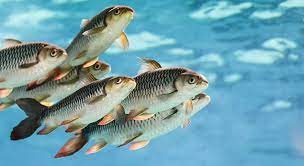
Introduction about P.G. Diploma In Aquaculture
The Post Graduate Diploma in Aquaculture (P.G. Diploma in Aquaculture) is a specialized program designed to provide in-depth knowledge and practical skills in the field of aquaculture. Aquaculture, also known as aquafarming, involves the cultivation of aquatic organisms such as fish, crustaceans, mollusks, and aquatic plants in controlled environments. This diploma program is tailored to equip students with a comprehensive understanding of the principles, techniques, and management practices essential for successful aquaculture operations.
The curriculum typically covers a range of topics including aquaculture biology, water quality management, breeding and genetics of aquatic species, nutrition, disease management, and sustainable aquaculture practices. Students are exposed to both theoretical concepts and hands-on experiences, fostering a holistic approach to the challenges and opportunities within the aquaculture industry.
As the demand for seafood continues to rise globally, aquaculture plays a crucial role in meeting this demand sustainably. Graduates of the P.G. Diploma in Aquaculture are well-prepared to contribute to the industry by implementing best practices, addressing environmental concerns, and promoting the responsible and efficient production of aquatic products. This program serves as a stepping stone for individuals aspiring to pursue careers in aquaculture management, research, and development, or those seeking entrepreneurial opportunities in the rapidly evolving field of aquaculture.
How can I apply for admission to P.G. Diploma In Aquaculture Program
To apply for admission to the P.G. Diploma in Aquaculture program, you typically need to follow these general steps:
Research and Choose a Program:
Explore different institutions that offer the P.G. Diploma in Aquaculture.
Consider factors such as the program curriculum, faculty, facilities, and reputation.
Check Eligibility Criteria:
Review the admission requirements and ensure that you meet the eligibility criteria.
Eligibility criteria may include educational qualifications, relevant work experience, and sometimes specific entrance exams.
Collect Necessary Documents:
Gather all required documents, such as academic transcripts, letters of recommendation, a statement of purpose, and any other documents specified by the institution.
Online Application:
Visit the official website of the institution offering the P.G. Diploma in Aquaculture.
Locate the admissions section and follow the instructions to fill out the online application form.
Upload Documents:
Scan and upload all the required documents as part of the online application process.
Ensure that the documents are clear and meet the specified format and size requirements.
Application Fee:
Pay the application fee, if applicable. This fee is usually required to process your application and is non-refundable.
Submit Application:
After completing the online application and uploading the necessary documents, submit your application through the designated online portal.
Admission Test/Interview (if required):
Some institutions may require applicants to take an admission test or attend an interview. Be prepared for any additional assessments as specified by the institution.
Check Application Status:
Periodically check the status of your application through the institution's admission portal.
Admission Decision:
Once the admission committee reviews your application, you will be notified of the admission decision. This communication may come through email or the institution's online portal.
Acceptance and Enrollment:
If accepted, follow the instructions to confirm your acceptance and complete the enrollment process, which may involve submitting additional documents and paying any required fees.
It's important to note that the specific application process may vary among institutions offering the P.G. Diploma in Aquaculture. Therefore, carefully review the admission guidelines provided by the institution to which you are applying. Additionally, contacting the admission office for clarification and guidance is always a good practice.
What is the eligibility for P.G. Diploma In Aquaculture
The eligibility criteria for a P.G. Diploma in Aquaculture may vary among institutions, but here are common requirements that individuals typically need to meet:
Educational Qualifications:
Candidates should have a bachelor's degree in a relevant field from a recognized university or institution.
The specific field of study may vary but is often related to biology, fisheries science, agriculture, veterinary science, or a similar discipline.
Minimum Percentage/Grade:
Many institutions set a minimum percentage or grade requirement for the undergraduate degree. This requirement can vary, so applicants should check the specific criteria of the institution they are applying to.
Entrance Exams (if applicable):
Some institutions may require candidates to take and qualify in a specific entrance examination relevant to aquaculture or related fields.
Work Experience (if applicable):
Certain programs may prefer or require applicants to have relevant work experience in aquaculture or a related field. This requirement varies among institutions.
English Language Proficiency:
For international applicants or in programs where the medium of instruction is English, proof of English language proficiency through tests like TOEFL or IELTS may be required.
Letters of Recommendation:
Submission of letters of recommendation from academic or professional references may be part of the application process.
Statement of Purpose (SOP):
Many institutions require applicants to submit a statement of purpose outlining their academic and professional goals, as well as their reasons for pursuing a P.G. Diploma in Aquaculture.
Interview (if applicable):
Some institutions may conduct interviews to assess the candidate's suitability for the program.
It's important for prospective applicants to carefully review the specific eligibility criteria outlined by the institution offering the P.G. Diploma in Aquaculture. The criteria can vary, and institutions may have additional requirements beyond those mentioned here. Checking with the admissions office of the specific institution is recommended to ensure accurate and up-to-date information.
How long does it takes to complete a P.G. Diploma In Aquaculture program
The duration of a P.G. Diploma in Aquaculture program can vary depending on the institution and the specific curriculum they offer. However, these programs typically range from 6 months to 2 years.
Short-Term Programs (6 months to 1 year):
Some institutions may offer accelerated or intensive programs that can be completed in a shorter duration, typically ranging from 6 months to 1 year. These programs often focus on providing essential skills and knowledge for entry-level positions in the aquaculture industry.
Standard Duration (1 to 2 years):
The standard duration for many P.G. Diploma in Aquaculture programs is 1 to 2 years. These programs often include a more comprehensive curriculum, covering a wide range of topics related to aquaculture, biology, management, and sustainability.
The duration can also be influenced by factors such as part-time or full-time enrollment, the inclusion of internships or practical training components, and any additional research or thesis requirements.
Prospective students should carefully review the program details provided by the specific institution they are interested in to determine the exact duration of the P.G. Diploma in Aquaculture program they plan to pursue. Additionally, institutions may have flexibility in their program structures, so it's advisable to contact the academic department or admissions office for the most accurate and up-to-date information.
What are potential career opportunities after P.G. Diploma In Aquaculture
A Post Graduate Diploma in Aquaculture opens up a range of career opportunities in the rapidly growing aquaculture industry. Graduates with this qualification are equipped with the knowledge and skills necessary to contribute to various aspects of aquaculture management, research, and development. Here are some potential career opportunities:
Aquaculture Farm Manager:
Manage and oversee the daily operations of aquaculture farms, including the production of fish, shellfish, or aquatic plants. This role involves ensuring proper water quality, feeding, and overall health of the cultured organisms.
Aquaculture Researcher:
Engage in scientific research to improve aquaculture practices, develop new technologies, and address challenges related to breeding, nutrition, disease prevention, and sustainability.
Aquaculture Consultant:
Provide expert advice to aquaculture businesses on best practices, sustainability, and efficiency. Consultants may work independently or for consulting firms, assisting farms in optimizing their operations.
Aquaculture Extension Officer:
Work with government agencies, NGOs, or extension services to disseminate information and provide training to aquaculturists, promoting sustainable practices and addressing challenges faced by the industry.
Aquatic Health Specialist:
Focus on monitoring and maintaining the health of aquatic organisms in aquaculture settings. This role may involve disease prevention, diagnostics, and the development of health management protocols.
Fisheries Manager:
Manage and regulate fisheries to ensure sustainable harvesting practices. This role may involve working with government agencies, environmental organizations, or private companies to balance ecological concerns with economic interests.
Aquaculture Entrepreneur:
Start and manage your own aquaculture business, which could involve fish farming, shrimp farming, or the cultivation of other aquatic organisms. Entrepreneurs may focus on niche markets or innovative technologies.
Quality Control Officer:
Monitor and ensure the quality of aquaculture products, including adherence to food safety standards and regulations. Quality control officers may work for processing plants, export companies, or regulatory agencies.
Environmental Compliance Specialist:
Address and mitigate the environmental impact of aquaculture activities. Specialists in this field work to ensure that aquaculture operations follow environmental regulations and sustainable practices.
Educator or Trainer:
Teach aquaculture-related courses at educational institutions or provide training programs for aquaculturists, extension workers, and industry professionals.
Syllabus of P.G. Diploma In Aquaculture
|
Semester |
Course Code |
Course Title |
Credits |
Description |
|
1 |
AQUA 501 |
Principles of Aquaculture |
3 |
Introduction to basic principles and practices of aquaculture. |
|
1 |
AQUA 502 |
Aquatic Ecology and Environmental Management |
3 |
Study of aquatic ecosystems and their management in aquaculture. |
|
1 |
AQUA 503 |
Fish Biology and Physiology |
3 |
Understanding the biology and physiology of fish species relevant to aquaculture. |
|
1 |
AQUA 504 |
Water Quality Management in Aquaculture |
3 |
Techniques and strategies for maintaining optimal water quality in aquaculture systems. |
|
1 |
AQUA 505 |
Aquaculture Pond Construction and Management |
3 |
Design, construction, and management of aquaculture ponds. |
|
2 |
AQUA 506 |
Fish Nutrition and Feed Technology |
3 |
Principles of fish nutrition and formulation of aquafeeds. |
|
2 |
AQUA 507 |
Aquatic Pathology and Health Management |
3 |
Identification, prevention, and treatment of diseases in aquaculture. |
|
2 |
AQUA 508 |
Genetics and Breeding in Aquaculture |
3 |
Understanding genetics and selective breeding in aquaculture. |
|
2 |
AQUA 509 |
Aquaculture Economics and Marketing |
3 |
Economic aspects, marketing strategies, and business planning in aquaculture. |
|
2 |
AQUA 510 |
Research Methodology in Aquaculture |
3 |
Introduction to research methods and experimental design in aquaculture. |
|
3 |
AQUA 511 |
Integrated Aquaculture Systems |
3 |
Study of integrated approaches to aquaculture for sustainable production. |
|
3 |
AQUA 512 |
Aquaculture Policy and Governance |
3 |
Analysis of policies and governance structures relevant to aquaculture. |
|
3 |
AQUA 513 |
Remote Sensing and GIS in Aquaculture |
3 |
Application of remote sensing and GIS in aquaculture planning and management. |
|
3 |
AQUA 514 |
Entrepreneurship in Aquaculture |
3 |
Development of entrepreneurial skills in the aquaculture sector. |
|
3 |
AQUA 515 |
Internship/Project Work |
6 |
Practical training and hands-on experience in aquaculture operations. |
Internship opportunities after completing P.G. Diploma In Aquaculture
After completing a P.G. Diploma in Aquaculture, individuals can explore various internship opportunities to gain hands-on experience and further enhance their practical skills in the field. Here are some potential internship opportunities:
Aquaculture Farms:
Many aquaculture farms offer internship programs where individuals can work directly with farm managers to gain practical experience in daily operations, including feeding, water quality management, and health monitoring of aquatic organisms.
Research Institutions:
Internships at research institutions or laboratories provide exposure to ongoing aquaculture research projects. This could involve assisting researchers in data collection, experimentation, and analysis.
Government Agencies:
Government departments related to fisheries and aquaculture often offer internships. Interns may be involved in policy research, data collection, and fieldwork related to the management and regulation of aquaculture activities.
Aquaculture Consultancies:
Consulting firms specializing in aquaculture may offer internship opportunities. Interns could work on projects related to feasibility studies, environmental impact assessments, or farm management consulting.
Aquaculture Equipment Manufacturers:
Companies that produce equipment and technology for aquaculture may have internship programs where individuals can gain experience in the design, production, and maintenance of aquaculture systems.
Fisheries Management Organizations:
Internships with fisheries management organizations provide exposure to the broader aspects of fisheries and aquaculture management, including regulatory compliance and sustainability initiatives.
Aquaculture Extension Services:
Extension services, both governmental and non-governmental, may offer internships focused on community outreach and education. This could involve conducting training sessions for local aquaculturists or participating in awareness programs.
Seafood Processing Companies:
Internships with seafood processing companies allow individuals to understand the post-harvest aspects of aquaculture, including processing, packaging, and quality control of seafood products.
Environmental NGOs:
Non-governmental organizations (NGOs) focused on environmental conservation may have internship opportunities related to sustainable aquaculture practices and environmental impact assessments.
Aquaculture Startups:
Interning with aquaculture startups provides exposure to the entrepreneurial side of the industry. Interns may be involved in business development, marketing, and the implementation of innovative technologies.
When seeking internship opportunities, individuals should actively network with professionals in the aquaculture industry, attend industry events, and explore job boards or internship programs offered by academic institutions and industry organizations. Additionally, contacting career services at the institution where the P.G. Diploma was obtained may provide valuable guidance on available internship opportunities.
Scholorship and grants for P.G. Diploma In Aquaculture
Institutional Scholarships:
Many educational institutions offering the P.G. Diploma in Aquaculture have their own scholarship programs. These scholarships may be merit-based, need-based, or a combination of both. Check with the institution's financial aid or scholarship office for details.
Government Scholarships:
Government agencies at the national or regional level may offer scholarships or grants for students pursuing studies in aquaculture. Check with relevant departments of fisheries, agriculture, or education for available programs.
Industry Associations and Foundations:
Organizations related to aquaculture, fisheries, and marine sciences may offer scholarships to support students in these fields. Examples include the World Aquaculture Society or regional aquaculture associations.
Research Grants:
If the P.G. Diploma program includes a research component, students may explore research grants offered by government agencies, non-profit organizations, or industry partners. These grants can support research projects or fieldwork.
Corporate Sponsorships:
Some aquaculture companies or seafood industry corporations may sponsor students through scholarship programs. This is especially true if there is a connection between the company's interests and the student's field of study.
Nonprofit Organizations:
Nonprofit organizations focused on environmental conservation, sustainable development, or aquaculture research may provide scholarships or grants. Look for organizations that align with your academic and career goals.
International Scholarships:
For international students, there are often scholarships available through government programs, international organizations, or educational institutions. Check with the relevant international offices or scholarship departments.
Online Scholarship Platforms:
Explore online scholarship platforms that aggregate information on various scholarship opportunities. Websites like Scholarship.com or Fastweb allow students to search for scholarships based on their academic and personal profiles.
Employer Sponsorship:
If you are currently working in the aquaculture or related industry, inquire with your employer about potential sponsorship or financial support for further education.
Community and Civic Organizations:
Local community groups, civic organizations, or foundations may have scholarship programs that support education in various fields, including aquaculture.
Conclusion
In conclusion, the pursuit of a P.G. Diploma in Aquaculture offers individuals a specialized and comprehensive education in the principles, practices, and management of aquaculture. This dynamic field, at the intersection of biology, economics, and sustainability, provides graduates with a skill set poised to meet the growing demands of the global seafood industry.
FAQ P.G. Diploma In Aquaculture
What is a P.G. Diploma in Aquaculture?
A P.G. Diploma in Aquaculture is a postgraduate level program that provides specialized education and training in the principles, practices, and management of aquaculture, including the cultivation of fish, crustaceans, and other aquatic organisms.
What are the eligibility criteria for admission?
Eligibility criteria may vary, but typically, candidates need a bachelor's degree in a relevant field such as biology, fisheries science, agriculture, or veterinary science. Some programs may also require specific entrance exams or work experience.
How long does it take to complete the program?
The duration of a P.G. Diploma in Aquaculture program varies, ranging from 6 months to 2 years. The duration depends on the institution, curriculum, and whether the program is pursued on a full-time or part-time basis.
What subjects are covered in the program?
Subjects covered often include Principles of Aquaculture, Aquatic Biology, Water Quality Management, Aquaculture Economics, and Sustainable Aquaculture Practices. The curriculum may also include practical training and a research project.
What career opportunities are available after completing the program?
Graduates can explore careers as Aquaculture Farm Managers, Researchers, Consultants, Fisheries Managers, and more. The program prepares individuals for roles in farm management, research, consultancy, and entrepreneurship within the aquaculture industry.
Are there internship opportunities?
Yes, many programs include internships or practical training components. Graduates can seek internships at aquaculture farms, research institutions, government agencies, and industry organizations to gain hands-on experience.
Are there scholarships available for the program?
Scholarships and grants are often available from various sources, including educational institutions, government bodies, industry associations, and foundations. Eligibility criteria and application processes vary, so it's advisable to explore multiple avenues.
Can international students apply for the program?
Yes, many institutions welcome international students for P.G. Diploma in Aquaculture programs. International students may also be eligible for scholarships and should check with the respective institution for specific admission requirements.
How can I apply for admission?
To apply for admission, prospective students should typically visit the official website of the institution offering the program, complete the online application form, submit required documents, and pay any applicable application fees.
Is work experience required for admission?
While work experience is not always a strict requirement, some programs may prefer or require applicants to have relevant work experience in aquaculture or a related field. Eligibility criteria vary among institutions.
How Shiksha Hub helps you in
-
 Student Counsellors
 -
 Career Counseling
 -
 Research
 -
 24/7 Support
 -
 Scholarships
 -
 Community