Posted by Admin on 07-07-2023 in Shiksha hub
PG Diploma in Biotechnology Introduction, Admission, Registration, Eligibility, Duration, Fees, Syllabus 2024
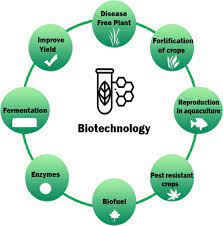
Introduction about PG Diploma in Biotechnology
Understanding the Significance of PG Diploma in Biotechnology
In the fast-paced world of scientific advancements, biotechnology stands at the forefront, offering solutions to some of the most pressing global challenges. One of the stepping stones to a successful career in this field is obtaining a Postgraduate Diploma in Biotechnology, often referred to as PG Diploma in Biotechnology.
Exploring the Basics of Biotechnology
Before diving into the specifics of PG Diploma in Biotechnology, it's crucial to grasp the fundamental concepts of biotechnology itself. Biotechnology is a multidisciplinary field that integrates biological sciences with technology to develop innovative products and services. It has a profound impact on various industries, including healthcare, agriculture, environmental conservation, and more.
What Sets PG Diploma in Biotechnology Apart?
The PG Diploma in Biotechnology is a specialized program designed to equip students with in-depth knowledge and practical skills necessary to excel in this dynamic field. It's a postgraduate-level qualification that offers a concise yet comprehensive curriculum focused on biotechnology.
Who Should Consider Pursuing PG Diploma in Biotechnology?
This program is an ideal choice for recent graduates with a background in life sciences, microbiology, genetics, or related fields. It's also suitable for professionals looking to upskill and enhance their career prospects in biotechnology.
Curriculum and Course Structure
The PG Diploma in Biotechnology typically covers a range of topics, including molecular biology, genetic engineering, cell culture technology, bioinformatics, and more. Students are exposed to both theoretical knowledge and practical applications, making them industry-ready.
How can I apply for admission to PG Diploma in Biotechnology Program?
To apply for admission to a PG Diploma in Biotechnology program, you need to follow these general steps:
Research Institutions: First, research the universities or colleges that offer PG Diploma in Biotechnology programs. Look for institutions that align with your academic and career goals.
Check Eligibility: Review the admission requirements and ensure you meet the eligibility criteria. Typically, you should have a background in life sciences, microbiology, genetics, or related fields. Some institutions may require specific prerequisite courses.
Collect Documents: Gather all the necessary documents, which may include:
Academic transcripts from your previous education.
Letters of recommendation (usually 2-3).
Statement of Purpose (SOP) outlining your interest in biotechnology and your career goals.
Curriculum Vitae (CV) or resume.
Passport-sized photographs.
Identity and address proof.
Entrance Exams (if applicable): Some institutions may require you to take an entrance exam, such as the Graduate Record Examination (GRE) or a specific test for biotechnology programs. Be prepared to schedule and take these exams if needed.
Application Form: Visit the institution's official website and complete the online application form. Provide accurate and up-to-date information.
Pay Application Fee: Pay the application fee, which varies from one institution to another. Ensure you make the payment as per the guidelines provided by the institution.
Submission: Upload all the required documents, including transcripts, letters of recommendation, SOP, and your CV, as part of your online application.
Interview (if applicable): Some institutions may require an interview as part of the selection process. Be prepared to discuss your academic and career aspirations.
Submit Application: Review your application to ensure all documents and information are complete and accurate. Submit your application before the specified deadline.
Track Application Status: Keep track of your application status. Many institutions provide an online portal where you can check the progress of your application.
Acceptance: If you are accepted into the program, you will receive an admission offer letter. Follow the instructions provided in the letter for enrollment and payment of fees.
Visa (for International Students): If you are an international student, you will need to apply for a student visa to study in the respective country. Ensure you complete the necessary visa application procedures in a timely manner.
Enroll and Start Classes: Once you complete all the formalities, enroll in the PG Diploma in Biotechnology program and commence your studies.
Please note that the specific admission process may vary from one institution to another. It's essential to visit the official websites of the institutions you are interested in and carefully follow their application guidelines and deadlines. Good luck with your application!
What is the eligibility for PG Diploma in Biotechnology?
The eligibility criteria for a PG Diploma in Biotechnology program may vary slightly from one institution to another. However, here are the general eligibility requirements that are commonly expected for admission to such programs:
Educational Background: Applicants should typically have a bachelor's degree in a related field. This often includes:
Bachelor of Science (B.Sc.) in Life Sciences
Bachelor of Science (B.Sc.) in Microbiology
Bachelor of Science (B.Sc.) in Genetics
Bachelor of Science (B.Sc.) in Biotechnology
Bachelor of Science (B.Sc.) in Biochemistry
Other related bachelor's degrees in the biological sciences.
Academic Performance: Most institutions require applicants to have a strong academic record in their undergraduate studies. This may involve meeting a minimum Grade Point Average (GPA) or a specific percentage score as determined by the institution.
Prerequisite Courses: Some institutions may require applicants to have completed specific prerequisite courses during their bachelor's degree. These courses may include subjects such as biology, chemistry, genetics, and microbiology. The specific prerequisites can vary, so it's important to check with the institution.
Letters of Recommendation: Applicants are often asked to provide 2-3 letters of recommendation from academic or professional sources who can attest to their qualifications and potential for success in the program.
Statement of Purpose (SOP): Many institutions require applicants to submit a Statement of Purpose (SOP) that outlines their reasons for pursuing a PG Diploma in Biotechnology, their career goals, and their motivation for studying in this field.
Entrance Exams (if applicable): Some institutions may require applicants to take standardized tests, such as the Graduate Record Examination (GRE) or specific tests related to biotechnology. The specific exam requirements, if any, should be verified with the institution.
Language Proficiency: For international students, proof of English language proficiency is often required. This can be demonstrated through standardized tests like TOEFL or IELTS.
Work Experience (if applicable): Some institutions may prefer applicants with relevant work experience, but this requirement varies.
It's important to note that eligibility criteria can differ from one institution to another. Therefore, it is advisable to visit the official websites of the universities or colleges where you intend to apply for the PG Diploma in Biotechnology program. The institution's admission page will provide detailed information about the specific eligibility requirements, application deadlines, and other admission-related details.
How long does it takes to complete a PG Diploma in Biotechnology program?
The duration of a PG Diploma in Biotechnology program can vary depending on the institution offering the program and its specific curriculum. However, on average, these programs typically take one to two years to complete. Here's a breakdown of the timeframes you might encounter:
One-Year Programs: Some institutions offer accelerated PG Diploma programs that can be completed in one year. These programs are often quite intensive and require full-time study.
Two-Year Programs: Many PG Diploma in Biotechnology programs have a standard duration of two years. This allows for a more comprehensive curriculum and may include opportunities for internships or research projects.
Part-Time and Online Programs: For students who are working professionals or have other commitments, some institutions offer part-time or online PG Diploma programs. The duration of these programs can vary and may extend beyond two years to accommodate part-time study.
Flexible Timing: In some cases, institutions offer flexibility in the program's duration. This means you may have the option to choose a study pace that suits your schedule, which could result in a slightly longer or shorter completion time.
It's important to check the specific program details and duration offered by the institution you are interested in. The program's website or admissions office should provide clear information on the program's structure, including its duration and any options for flexibility. Keep in mind that the actual time it takes to complete the program can also depend on your ability to meet course requirements and any additional research or project work you undertake during your studies.
What are potential career opportunities after PG Diploma in Biotechnology ?
A PG Diploma in Biotechnology opens up a wide range of potential career opportunities in various sectors. Graduates of this program are equipped with specialized knowledge and practical skills, making them valuable assets in the field of biotechnology. Here are some potential career opportunities after completing a PG Diploma in Biotechnology:
Research Scientist: As a research scientist, you can work in laboratories, biotech companies, or research institutions. Your role involves conducting experiments, analyzing data, and contributing to scientific discoveries in the field of biotechnology.
Biotechnologist: Biotechnologists are involved in developing and implementing biotechnological applications in various industries, such as healthcare, agriculture, and environmental conservation. They work on processes like genetic engineering and fermentation technology.
Quality Control Analyst: Quality control analysts ensure that biotechnological products and processes meet quality standards and regulations. They perform tests, inspections, and evaluations to maintain product quality and safety.
Lab Manager: Lab managers oversee the day-to-day operations of a laboratory, including equipment maintenance, staff management, and resource allocation. They play a crucial role in maintaining a well-functioning laboratory environment.
Biomedical Engineer: Biomedical engineers use biotechnological principles to design medical equipment, devices, and healthcare systems. They contribute to the development of innovative medical technologies.
Clinical Research Associate: Clinical research associates work in the pharmaceutical and healthcare industries, managing and monitoring clinical trials. They ensure that research studies comply with regulations and are conducted safely and effectively.
Regulatory Affairs Specialist: Regulatory affairs specialists ensure that biotechnological products and processes comply with government regulations and industry standards. They facilitate the approval and market entry of biotech products.
Bioinformatics Specialist: Bioinformatics specialists use computational tools and techniques to analyze biological data, particularly in genomics and proteomics research. They help in deciphering complex biological information.
Pharmaceutical Sales Representative: Graduates can work as sales representatives for biotech and pharmaceutical companies, promoting and selling biotechnological products and medicines to healthcare professionals.
Entrepreneur: Some individuals choose to start their own biotechnology-related businesses, such as biotech startups, contract research organizations (CROs), or consulting firms.
Teaching and Academia: With a PG Diploma in Biotechnology, you can pursue a career in academia, becoming a lecturer, instructor, or researcher in universities or educational institutions.
Consultant: Biotechnology consultants offer their expertise to organizations, assisting them in making informed decisions, optimizing processes, and implementing biotechnological solutions.
Environmental Biotechnologist: Environmental biotechnologists work on projects related to environmental protection and sustainable practices. They may be involved in waste management, pollution control, and ecological restoration.
Food and Beverage Scientist: Some graduates choose to work in the food and beverage industry, developing and improving products using biotechnological methods, such as food preservation and flavor enhancement.
Genetic Counselor: Genetic counselors provide information and support to individuals and families with genetic conditions. They help interpret genetic information and make informed decisions.
The field of biotechnology continues to evolve, offering a wide array of career opportunities with the potential for growth and impact. Graduates with a PG Diploma in Biotechnology are well-positioned to contribute to advancements in science, healthcare, agriculture, and environmental sustainability.
Syllabus of PG Diploma in Biotechnology
The syllabus of a PG Diploma in Biotechnology program may vary depending on the institution offering the program. However, I can provide a general overview of the typical topics covered in a PG Diploma in Biotechnology program, divided into semester-wise subjects. Keep in mind that the specific courses and their order may vary from one institution to another. Below is a sample structure:
Semester 1:
Cell Biology: This course covers the fundamental principles of cell structure and function, cellular processes, and organelles. It provides the basis for understanding biotechnological applications at the cellular level.
Molecular Biology: Students learn about DNA, RNA, gene expression, and the techniques used in molecular biology research, including PCR and DNA sequencing.
Biochemistry: This course explores the biochemical principles underlying biotechnological processes, including enzyme kinetics, metabolic pathways, and protein structure.
Biostatistics: Students are introduced to statistical methods used in biotechnological research, data analysis, and experimental design.
Semester 2:
Genetic Engineering: This course delves into genetic manipulation techniques, gene cloning, and the creation of genetically modified organisms (GMOs).
Immunology: Students study the immune system, immune responses, and their significance in biotechnology, including vaccine development and immunotherapies.
Bioprocess Engineering: This course covers the design and optimization of biotechnological processes, including fermentation, downstream processing, and scale-up.
Biotechnology Ethics and Regulatory Affairs: This subject explores the ethical and regulatory considerations in biotechnology, including biosafety, intellectual property, and industry compliance.
Semester 3:
Cell Culture Technology: Students learn about cell culture techniques, tissue engineering, and the production of therapeutic proteins through cell lines.
Bioinformatics: This course introduces the use of computer-based tools and databases for analyzing biological data, including genomics and proteomics.
Biopharmaceuticals: Students explore the development of biopharmaceuticals, including monoclonal antibodies, vaccines, and bioprocessing methods specific to the pharmaceutical industry.
Project Work/Internship: This semester often includes a project or internship component where students apply their knowledge and skills in a real-world biotechnology setting.
Semester 4:
Biotechnology in Agriculture: This course focuses on the use of biotechnology in crop improvement, genetically modified crops, and agricultural biotechnology applications.
Environmental Biotechnology: Students study the application of biotechnology in environmental protection, waste management, and sustainable practices.
Seminar and Presentation: In this final semester, students may be required to present their research findings or project work and engage in discussions.
Dissertation/Thesis: The program may conclude with a dissertation or thesis project, allowing students to conduct in-depth research on a biotechnology-related topic of their choice.
Please note that the specific courses and their content can vary from one institution to another. It's essential to consult the official website of the institution where you intend to pursue the PG Diploma in Biotechnology for the most accurate and up-to-date information on the program's syllabus.
Internship opportunities after completing PG Diploma in Biotechnology ?
Completing a PG Diploma in Biotechnology can open up several exciting internship opportunities in various sectors of the biotechnology industry. Internships provide valuable hands-on experience and allow you to apply the knowledge and skills gained during your academic program. Here are some potential internship opportunities after completing a PG Diploma in Biotechnology:
Research Internship: Many universities, research institutions, and biotech companies offer research internships. You can work on cutting-edge projects related to molecular biology, genetics, cell culture, or other biotechnology fields.
Pharmaceutical Industry: Major pharmaceutical companies often provide internships in areas like drug development, quality control, and regulatory affairs. These opportunities can expose you to the processes involved in bringing pharmaceutical products to market.
Biotechnology Startups: Startups in the biotech sector are known for their innovation and offer internships in various roles, including research and development, product development, and laboratory management.
Clinical Trials and CROs: Clinical Research Organizations (CROs) and organizations conducting clinical trials often hire interns to assist with data collection, monitoring, and compliance-related tasks.
Agricultural Biotechnology: Internships in this sector can involve working with genetically modified crops, crop improvement, and sustainable agriculture practices.
Environmental Biotechnology: Companies specializing in environmental biotechnology may offer internships related to waste management, pollution control, and ecological restoration projects.
Biopharmaceuticals: Internships in biopharmaceutical companies allow you to gain experience in the production of biopharmaceuticals, including monoclonal antibodies and therapeutic proteins.
Bioprocess Engineering: These internships focus on optimizing biotechnological processes, including fermentation, downstream processing, and scale-up.
Bioinformatics: Bioinformatics internships involve data analysis, software development, and database management in the context of genomics and proteomics research.
Regulatory Affairs: Internships in regulatory affairs departments provide insights into compliance, quality assurance, and interactions with regulatory authorities.
Government Research Institutions: Government research institutions and agencies often offer internships related to biotechnology research and policy development.
Academic Institutions: Some PG Diploma holders choose to intern in academic settings, assisting professors with research projects or gaining teaching experience.
When seeking internship opportunities, it's important to consider your career goals and interests. Look for positions that align with your desired specialization and offer opportunities for skill development. Networking, attending career fairs, and leveraging your academic institution's career services can also help you discover and secure relevant internships.
Internships not only provide practical experience but also serve as a stepping stone to potential full-time employment in your chosen field of biotechnology.
Scholarship and grants for PG Diploma in Biotechnology ?
Scholarships and grants for a PG Diploma in Biotechnology can provide financial assistance to students pursuing their postgraduate studies in this field. These funding opportunities can help cover tuition fees, living expenses, and other educational costs. Here are some common sources of scholarships and grants for PG Diploma in Biotechnology programs:
University Scholarships: Many universities and colleges offer scholarships specifically for postgraduate students, including those pursuing a PG Diploma in Biotechnology. These scholarships may be merit-based or need-based.
Government Scholarships: In some countries, the government provides scholarships and grants to students pursuing higher education, including postgraduate diplomas. These awards are often based on academic performance and financial need.
Biotechnology Industry Scholarships: Biotechnology companies and organizations may offer scholarships to students interested in pursuing a career in the biotech industry. These scholarships may come with opportunities for internships or research projects.
Research Fellowships: Students who plan to engage in research as part of their PG Diploma program may be eligible for research fellowships, which can cover research expenses and stipends.
Nonprofit Organizations: Various nonprofit organizations and foundations offer scholarships and grants to support students in the field of biotechnology. These organizations often have specific criteria and focus areas.
Professional Associations: Biotechnology-related professional associations may provide scholarships to students pursuing postgraduate studies. These awards are often linked to membership in the association.
Diversity and Inclusion Scholarships: Some scholarships are specifically designed to support students from underrepresented backgrounds, including women, minorities, and individuals with disabilities, in the biotechnology field.
Country-Specific Scholarships: Depending on your home country, you may be eligible for government-sponsored scholarships or grants for studying abroad. These awards can help cover the costs of studying in a foreign country.
Corporate Sponsorships: Some corporations and biotech companies offer sponsorship or scholarship programs to support students studying biotechnology. These may be tied to future employment opportunities with the company.
Educational Loans and Financial Aid: While not scholarships or grants, educational loans and financial aid programs can help cover the costs of your PG Diploma program. Be sure to explore loan options and consider financial aid offered by your educational institution.
When searching for scholarships and grants, it's essential to research specific eligibility criteria, application deadlines, and required documentation for each opportunity. Additionally, consider applying for multiple scholarships to increase your chances of securing financial assistance.
Your PG Diploma program's department or the university's financial aid office can be valuable resources for finding scholarship and grant opportunities that are relevant to your field of study. Additionally, online scholarship databases and search engines can help you identify funding sources that match your qualifications and goals.
Conclusion
In a world where biotechnology plays a vital role in solving global challenges, a PG Diploma in Biotechnology can be your ticket to a fulfilling and impactful career. This program offers specialized knowledge, industry-relevant skills, and exciting career prospects. It's a journey into the fascinating world of biotechnology, where you can contribute to innovations that shape the future.
FAQ,s
What is a PG Diploma in Biotechnology?
A PG Diploma in Biotechnology is a postgraduate-level program that offers specialized education and practical training in the field of biotechnology. It equips students with the knowledge and skills required to work in various biotech sectors.
What are the eligibility criteria for enrolling in a PG Diploma in Biotechnology program?
Eligibility criteria may vary by institution, but typically, applicants should have a bachelor's degree in a related field, such as life sciences or microbiology. Some programs may have specific prerequisite course requirements.
How long does it take to complete a PG Diploma in Biotechnology program?
The program's duration varies, with most programs spanning one to two years. Some institutions offer flexible study options, allowing part-time or online study.
What career opportunities are available after completing a PG Diploma in Biotechnology?
Graduates can pursue careers in research, pharmaceuticals, biotech companies, agriculture, healthcare, and environmental biotechnology. Job roles include research scientist, biotechnologist, quality control analyst, and more.
Are there internship opportunities after completing the PG Diploma in Biotechnology?
Yes, internships are common and offer hands-on experience in various biotech sectors. Internship opportunities can be found in research institutions, biotech companies, pharmaceuticals, and more.
Are there scholarships and grants available for PG Diploma in Biotechnology students?
Yes, students can apply for scholarships and grants offered by universities, government agencies, biotech companies, nonprofit organizations, and professional associations. Eligibility criteria and application deadlines vary.
What is the difference between a PG Diploma in Biotechnology and a Master's in Biotechnology?
A PG Diploma is a shorter program that typically lasts one to two years and offers specialized training. A Master's in Biotechnology is a more extensive, research-oriented program that typically takes two years or more to complete.
Can international students pursue a PG Diploma in Biotechnology?
Yes, many institutions welcome international students for PG Diploma programs. International students should meet the specific admission and visa requirements of the host country.
What are the key subjects covered in a PG Diploma in Biotechnology program?
Common subjects include cell biology, molecular biology, genetic engineering, biochemistry, bioprocess engineering, bioinformatics, and more.
How can I apply for admission to a PG Diploma in Biotechnology program?
The application process typically involves researching institutions, meeting eligibility requirements, completing an online application form, submitting required documents, and paying the application fee. Some programs may require entrance exams or interviews.
How Shiksha Hub helps you in
-
 Student Counsellors
 -
 Career Counseling
 -
 Research
 -
 24/7 Support
 -
 Scholarships
 -
 Community