Posted by Admin on 14-07-2023 in Shiksha hub
PG Diploma In Direction & Screenwriting, Introduction, Admission, Registration, Eligibility, Duration, Fees, Syllabus 2024
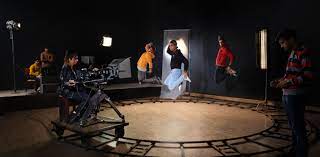
Introduction about PG Diploma In Direction & Screenwriting
PG DIPLOMA IN DIRECTION & SCREENWRITING: Shaping Tomorrow's Filmmakers
In the dynamic world of filmmaking, creativity and storytelling are at the heart of every successful production. For aspiring filmmakers and screenwriters, a PG Diploma in Direction & Screenwriting offers a unique opportunity to hone their skills and embark on a rewarding journey in the film industry.
What is a PG Diploma in Direction & Screenwriting?
A PG Diploma in Direction & Screenwriting is a specialized program designed to provide aspiring filmmakers and screenwriters with comprehensive training and knowledge. This diploma equips students with the skills and insights needed to excel in the world of cinema, television, and digital media.
Benefits of Pursuing a PG Diploma in Direction & Screenwriting
Enhanced Skill Set: Students develop a strong foundation in storytelling, screenplay writing, and directing techniques.
Industry-Relevant Education: The curriculum is tailored to meet the evolving needs of the film and television industry.
Hands-On Experience: Practical exercises and projects allow students to apply what they've learned.
Networking Opportunities: Connect with industry professionals and build invaluable contacts.
Career Advancement: Opens doors to various roles in film and television production.
Curriculum Overview
The curriculum of a PG Diploma in Direction & Screenwriting typically covers:
Screenwriting: Learning the art of creating compelling and engaging stories for the screen.
Direction: Mastering the techniques of visual storytelling and film direction.
Cinematography: Understanding the camera and its role in storytelling.
Editing: Post-production skills for shaping the final product.
Film Analysis: Gaining insights by studying classic and contemporary films.
The Importance of Storytelling
In the world of cinema, storytelling is king. The ability to craft a narrative that engages, entertains, and resonates with the audience is essential. A PG Diploma in Direction & Screenwriting emphasizes the significance of storytelling in filmmaking.
Career Opportunities
Graduates of PG Diploma programs in Direction & Screenwriting can pursue diverse careers, including:
Screenwriter: Crafting scripts for movies, TV shows, and web series.
Director: Bringing scripts to life by overseeing the production process.
Cinematographer: Capturing the visual elements of a story.
Editor: Shaping the final narrative during post-production.
Assistant Director: Assisting the director and ensuring a smooth production process.
Top Institutions Offering PG Diploma Programs
Several prestigious institutions worldwide offer PG Diploma programs in Direction & Screenwriting. Some of the renowned ones include:
University of Southern California (USC) School of Cinematic Arts
New York Film Academy (NYFA)
National Film and Television School (NFTS), UK
American Film Institute (AFI)
Loyola Marymount University (LMU) School of Film and Television
Admission Requirements
Admission requirements may vary from one institution to another but typically include:
A bachelor's degree or its equivalent.
A strong portfolio or writing sample.
Letters of recommendation.
Statement of purpose.
Standardized test scores (e.g., GRE, TOEFL/IELTS for international students).
Application Process
The application process generally involves the following steps:
Research: Identify the institutions and programs that align with your career goals.
Prepare Documents: Gather your academic transcripts, writing samples, and other required documents.
Online Application: Complete the online application form for your chosen institution.
Interviews and Portfolios: Some programs may require interviews and portfolio submissions.
Notification: Await the admission decision.
Scholarships and Financial Aid
Many institutions offer scholarships and financial aid to support talented and deserving students. These opportunities can significantly reduce the financial burden of pursuing a PG Diploma in Direction & Screenwriting.
Industry Connections and Networking
During your program, you will have the chance to network with industry professionals, attend workshops, and gain insights into the industry's inner workings. These connections can be invaluable for your future career.
Alumni Success Stories
Take inspiration from the success stories of alumni who have gone on to make their mark in the film industry. These stories demonstrate the potential and opportunities that a PG Diploma in Direction & Screenwriting can offer.
How can I apply for admission to PG Diploma In Direction & Screenwriting Program
Applying for admission to a PG Diploma in Direction & Screenwriting program is a significant step toward a career in filmmaking. Here is a step-by-step guide on how to apply for such a program:
Research and Choose Your Program: Begin by researching PG Diploma in Direction & Screenwriting programs offered by various institutions. Look for programs that align with your career goals, curriculum preferences, and location. Make a list of the institutions that interest you.
Check Admission Requirements: Each program may have specific admission requirements. Common requirements include a bachelor's degree or its equivalent, a strong portfolio or writing sample, letters of recommendation, a statement of purpose, and standardized test scores like the GRE (for some programs) or TOEFL/IELTS for international students. Review the admission criteria for each program you're considering.
Prepare Required Documents: Gather all the necessary documents well in advance. These may include:
Academic transcripts from your previous education.
Writing samples or a portfolio showcasing your storytelling and writing skills.
Letters of recommendation from professors or professionals who can attest to your qualifications.
A well-crafted statement of purpose explaining your interest in the program and your career aspirations.
Standardized test scores if required.
Online Application: Visit the websites of the institutions you've shortlisted and locate their online application portals. Create an account if necessary and fill out the online application form. Be thorough and accurate when entering your personal and academic information.
Interviews and Portfolio Submission: Some programs may require interviews or the submission of a portfolio in addition to the online application. Be prepared to showcase your passion for filmmaking and your abilities during these processes.
Application Fee: Be aware that most institutions charge an application fee. Ensure you make the necessary payments as part of the application process.
Application Deadlines: Note the application deadlines for each program you're applying to. Missing a deadline can jeopardize your chances of admission.
Notification: After submitting your applications, you'll have to wait for the admission decision. This period can vary by institution but is typically a few weeks to a couple of months. Be patient and, in the meantime, continue to prepare for your next steps.
Acceptance and Enrollment: If you receive an acceptance letter, follow the instructions provided by the institution to secure your spot in the program. This may include confirming your enrollment, paying any necessary fees, and registering for classes.
Prepare for the Program: Before the program begins, make sure you're ready. If you're an international student, take care of visa requirements and accommodation. Familiarize yourself with the program's curriculum, and connect with your future professors and peers on social media or through program-specific communication channels.
What is the eligibility for PG Diploma In Direction & Screenwriting
The eligibility criteria for a PG Diploma in Direction & Screenwriting may vary from one institution to another, but I can provide a general guideline of common eligibility requirements:
Bachelor's Degree: Typically, candidates are required to have completed a bachelor's degree in any field from a recognized institution. This ensures that applicants have a foundational education.
Academic Performance: Many programs may have a minimum academic performance requirement, often stated as a minimum GPA (Grade Point Average). The specific GPA requirement can vary, but a competitive academic record is usually expected.
Language Proficiency: If you're an international student or non-native English speaker, you may be required to demonstrate your English language proficiency by providing scores from standardized tests like TOEFL (Test of English as a Foreign Language) or IELTS (International English Language Testing System).
Portfolio or Writing Sample: A key requirement for admission is a portfolio or a writing sample that showcases your storytelling and writing skills. This is a crucial component of your application and demonstrates your creative abilities.
Letters of Recommendation: Many programs request letters of recommendation from individuals who can vouch for your qualifications, such as professors or professionals who can speak to your potential in the field of direction and screenwriting.
Statement of Purpose: You may be asked to submit a statement of purpose that outlines your reasons for pursuing the program, your career aspirations, and how the program aligns with your goals.
Interview (Optional): Some programs may conduct interviews with applicants to assess their passion for filmmaking and suitability for the program. This interview can be in person or conducted online.
Standardized Tests (GRE, etc.): In some cases, programs may require standardized test scores, such as the GRE (Graduate Record Examination). However, not all programs necessitate these scores, so it's essential to check the specific requirements of the program you're interested in.
Work Experience (Optional): While not always mandatory, some programs may consider relevant work experience in the film or media industry as an additional asset when evaluating applications.
How long does it takes to complete a PG Diploma In Direction & Screenwriting program
The duration of a PG Diploma in Direction & Screenwriting program can vary depending on the institution and the specific curriculum they offer. However, in general, these programs are designed to be completed in one to two years. Here's a breakdown of the typical duration options:
One-Year Programs: Some institutions offer intensive one-year PG Diploma programs in Direction & Screenwriting. These programs are often highly focused and require students to dedicate a significant amount of time and effort to complete the coursework within a shorter timeframe.
Two-Year Programs: Other institutions may offer a more comprehensive two-year PG Diploma program. These programs provide a more extended period for students to delve deeply into the art and craft of direction and screenwriting. The longer duration allows for a more in-depth exploration of the subject matter and often includes practical experiences and internships.
The choice between a one-year or two-year program depends on your individual preferences, career goals, and the specific offerings of the institutions you are considering. Some students prefer the intensity of a one-year program to fast-track their education, while others may opt for the extended duration of a two-year program to gain a more comprehensive understanding of the field.
What are potential career opportunities after PG Diploma In Direction & Screenwriting
A PG Diploma in Direction & Screenwriting opens up a wide range of exciting career opportunities in the film and television industry. Graduates with expertise in direction and screenwriting are in demand due to their crucial roles in storytelling and content creation. Here are some potential career opportunities you can pursue after completing a PG Diploma in Direction & Screenwriting:
Screenwriter: As a screenwriter, you'll be responsible for creating the script for movies, TV shows, web series, or documentaries. You'll craft engaging narratives, develop characters, and write dialogue to bring stories to life.
Director: Directors are at the helm of the filmmaking process. They work closely with actors, cinematographers, and other crew members to interpret the script and bring it to the screen. Directors are responsible for visualizing the story and making creative decisions.
Cinematographer (Director of Photography): Cinematographers are in charge of the visual aspects of a production. They work with cameras, lighting, and composition to capture the desired look and feel of the film or TV show. Cinematographers play a vital role in conveying the story visually.
Film Editor: Film editors work in post-production, shaping the final narrative of a project. They assemble footage, add special effects, and ensure that the story flows smoothly. Editors have a significant influence on the overall impact of the film.
Assistant Director: Assistant directors (ADs) assist the director in coordinating the production process. They help manage the schedule, liaise with the crew, and ensure the set runs smoothly. ADs are essential for the efficiency of a production.
Producer: Producers oversee various aspects of film or TV production, from fundraising and budgeting to hiring key personnel and managing the project. They play a pivotal role in bringing a project to fruition.
Showrunner: In the realm of television, a showrunner is responsible for overseeing the day-to-day operations of a TV series. They work closely with writers, directors, and the production team to maintain the creative vision of the show.
Content Creator: With the rise of digital platforms and streaming services, content creators have the opportunity to produce web series, short films, and other digital content. This role allows for creative independence and the potential to reach a wide audience online.
Teaching and Education: Some graduates choose to share their knowledge and passion by becoming educators in film schools or through workshops. Teaching allows you to pass on your expertise to aspiring filmmakers.
Freelance Writer or Director: Many individuals opt for a freelance career, working on a project-by-project basis. This provides flexibility and the opportunity to collaborate with different teams and genres.
Film Critic or Analyst: If you have a deep understanding of filmmaking and storytelling, you can pursue a career as a film critic, reviewer, or industry analyst, sharing your insights with audiences through various media channels.
Film Festival Programmer: Film festivals are always seeking individuals with expertise in selecting and curating films for their events. As a programmer, you play a vital role in showcasing talent from around the world.
Syllabus of PG Diploma In Direction & Screenwriting
The syllabus for a PG Diploma in Direction & Screenwriting program may vary from one institution to another, and specific courses and their order can differ. However, I can provide a general overview of what you might expect to study semester-wise in such a program:
Please note that the semester-wise breakdown is a general guideline, and institutions may have variations in their curriculum.
Semester 1: Foundation
Introduction to Filmmaking: An overview of the filmmaking process, including pre-production, production, and post-production.
Screenwriting Fundamentals: Introduction to screenplay structure, character development, and storytelling techniques.
Film History and Theory: Study of the history of cinema and important film movements.
Film Analysis: Analysis of classic and contemporary films to understand storytelling techniques.
Visual Storytelling: Techniques for visually conveying a narrative through cinematography and composition.
Introduction to Directing: Basics of directing, including working with actors and crew.
Semester 2: Advanced Techniques
Advanced Screenwriting: In-depth exploration of screenwriting, including character arcs and plot development.
Directing for Film: Advanced directing techniques, including working with actors and visual storytelling.
Cinematography: Practical and theoretical aspects of cinematography, camera work, and lighting.
Production Management: Understanding the logistics and management of a film or TV production.
Editing and Post-Production: Techniques for editing, sound design, and post-production processes.
Script Analysis: In-depth analysis of scripts, breaking down story structure and character development.
Semester 3: Specialization
Screenwriting Specialization: Focusing on writing for specific genres, such as drama, comedy, or thriller.
Direction Specialization: Advanced directing techniques for different genres and styles of filmmaking.
Film Genre Studies: Exploration of various film genres and their conventions.
Professional Project: Students often work on a major project, such as a short film or screenplay, to apply their skills.
Film Festivals and Marketing: Understanding how to market and promote films, as well as submitting to film festivals.
Independent Filmmaking: Exploring the world of independent filmmaking, including funding and distribution.
Semester 4: Capstone and Practical Experience
Thesis Project: The culmination of the program, where students work on a significant project, often a short film or a feature-length screenplay.
Internship (Optional): Some programs offer the opportunity for students to gain practical experience by interning with film or television production companies.
Portfolio Development: Preparing a professional portfolio showcasing your best work.
Career Planning: Guidance on career options and job opportunities in the film and television industry.
Internship opportunities after completing PG Diploma In Direction & Screenwriting
After completing a PG Diploma in Direction & Screenwriting, there are various internship opportunities available in the film and television industry that can help you gain practical experience, build your portfolio, and network with industry professionals. Here are some internship possibilities:
Production Companies: Many production companies offer internships to aspiring directors and screenwriters. These internships often involve assisting with various aspects of film and TV production, from pre-production to post-production.
Film Studios: Major film studios and independent studios may provide internship programs where you can work on real film and television projects, giving you firsthand experience in the industry.
Television Networks: TV networks and channels often offer internships in various departments, including script development, production, and post-production.
Film Festivals: Interning with film festivals can provide you with insights into the world of film programming and event management. You may help curate film selections and coordinate festival activities.
Entertainment Agencies: Talent agencies and entertainment companies may offer internships where you can learn about the representation of writers, directors, and actors in the industry.
Screenwriting Workshops: Some screenwriting workshops and organizations offer internships to help manage and coordinate their programs. This can be a valuable experience if you're interested in script development and education.
Advertising Agencies: Advertising agencies often hire interns with creative skills to work on video production and commercial scripts. This experience can enhance your storytelling abilities.
Film and TV Sets: Securing an internship on a film or TV set allows you to observe the production process up close. You can gain insights into directing, script supervision, and other aspects of filmmaking.
Film Funding and Distribution Companies: Companies involved in film financing and distribution may offer internships to those interested in the business side of the industry.
Online Streaming Platforms: With the rise of streaming services, internships with platforms like Netflix, Amazon Prime Video, or Hulu can provide you with an understanding of content development and distribution.
Post-Production Houses: Interning at post-production facilities can give you hands-on experience in editing, sound design, and visual effects, which are crucial skills for directors and screenwriters.
Film Education Institutions: Some film schools and universities hire recent graduates as teaching assistants or interns to work with faculty or assist in classrooms.
Scholorship and grants for PG Diploma In Direction & Screenwriting
Scholarships and grants can be invaluable in supporting your pursuit of a PG Diploma in Direction & Screenwriting, as they can help offset the cost of tuition and related expenses. While the availability of scholarships and grants may vary from one institution to another, here are some common sources of financial assistance:
Institutional Scholarships: Many film schools and universities offer scholarships specifically for students pursuing degrees or diplomas in filmmaking, including direction and screenwriting. These scholarships may be merit-based or need-based.
Departmental Scholarships: The film or media department within an institution may have its own scholarships or grants for outstanding students. These can be based on academic achievement, creative potential, or contributions to the department.
Film Industry Organizations: Various organizations and foundations related to the film and television industry offer scholarships to support aspiring filmmakers and screenwriters. Examples include the Academy of Motion Picture Arts and Sciences and the Sundance Institute.
Film Festivals: Some film festivals provide grants and fellowships to emerging filmmakers and screenwriters. These opportunities may include mentorship and funding for your projects.
Government Grants: In some countries, government agencies provide grants and financial assistance to students pursuing education in the arts and filmmaking. Check with your country's relevant agencies for available programs.
Nonprofit Organizations: There are nonprofit organizations dedicated to supporting emerging filmmakers and writers. Research organizations in your area that offer financial assistance and resources.
Professional Associations: Filmmaking associations, such as the Writers Guild of America (WGA) or the Directors Guild of America (DGA), may offer scholarships or assistance to members or students pursuing careers in the industry.
Film School Scholarships: Some film schools have their own scholarship programs. These awards may be based on academic achievement, creative talent, or a combination of factors.
Diversity Scholarships: Several institutions and organizations actively promote diversity in the film industry by offering scholarships and grants to underrepresented groups. These opportunities aim to increase inclusivity in filmmaking.
International Scholarships: If you're an international student, investigate scholarships specifically designed for foreign students pursuing film and media studies in a particular country.
To find relevant scholarships and grants for your PG Diploma in Direction & Screenwriting, it's essential to research the specific institutions and programs you're interested in. Explore their websites, contact their financial aid offices, and inquire about available financial assistance opportunities. Additionally, consider using scholarship search engines and online databases to identify potential sources of funding that align with your educational and career goals.
Conclusion
A PG Diploma in Direction & Screenwriting is your ticket to an exciting and fulfilling career in the world of filmmaking. The knowledge and skills you acquire will set you on a path to creating captivating stories that resonate with audiences.
FAQ PG Diploma In Direction & Screenwriting
What is a PG Diploma in Direction & Screenwriting?
A PG Diploma in Direction & Screenwriting is a specialized program designed to provide comprehensive training in the art of storytelling, film direction, and screenwriting for aspiring filmmakers and screenwriters.
What are the career opportunities after completing this program?
Graduates can pursue careers as screenwriters, directors, cinematographers, film editors, and in various roles within the film and television industry.
How long does it take to complete a PG Diploma in Direction & Screenwriting?
The duration of the program typically ranges from one to two years, depending on the institution and program structure.
What are the eligibility requirements for this program?
Eligibility criteria may include a bachelor's degree, academic performance, language proficiency (for international students), and the submission of a portfolio or writing sample.
Are scholarships and grants available for this program?
Many institutions, film organizations, and foundations offer scholarships and grants to support students pursuing a PG Diploma in Direction & Screenwriting. It's advisable to research and apply for relevant opportunities.
What topics are covered in the curriculum of this program?
The curriculum typically includes courses in screenwriting, direction, cinematography, film analysis, editing, and various other subjects related to filmmaking and storytelling.
Are internships offered as part of the program?
Some programs include internship opportunities, allowing students to gain practical experience and industry exposure. However, this varies by institution.
Can international students apply for this program?
Yes, many institutions accept international students. Language proficiency requirements may apply, and international students should also consider visa and accommodation arrangements.
What is the cost of a PG Diploma in Direction & Screenwriting?
Tuition costs vary widely by institution and country. It's essential to research the specific programs you're interested in and consider the associated expenses.
Is this program suitable for individuals with no prior filmmaking experience?
Yes, the program is designed to accommodate both beginners and individuals with prior experience in filmmaking. It provides foundational knowledge and advanced training, making it accessible to a broad range of students.
How Shiksha Hub helps you in
-
 Student Counsellors
 -
 Career Counseling
 -
 Research
 -
 24/7 Support
 -
 Scholarships
 -
 Community