Posted by Admin on 08-09-2023 in Shiksha hub
PG Diploma in Early Childhood Education Introduction, Admission, Registration, Eligibility, Duration, Fees, Syllabus 2024
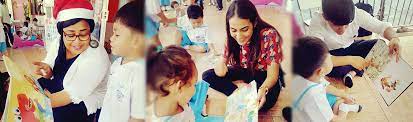
Introduction about PG Diploma In Early Childhood Education
A Postgraduate Diploma in Early Childhood Education (PG Diploma in ECE) is a specialized program designed to equip individuals with the knowledge, skills, and competencies needed to work effectively in the field of early childhood education. This program focuses on the critical developmental stages of young children, typically from birth to eight years old, and emphasizes the importance of providing them with a nurturing and stimulating learning environment.
Throughout the course of this diploma, participants delve into various aspects of early childhood education, including child psychology, pedagogical approaches, curriculum development, and the application of effective teaching methodologies. The curriculum is tailored to address the unique needs and challenges faced by educators and caregivers working with young children.
Key areas of study often include child development theories, early learning theories, assessment and evaluation techniques, as well as strategies for creating inclusive and culturally sensitive learning environments. Additionally, the program may cover topics related to health and safety, special needs education, and family involvement in early childhood education.
Graduates of a PG Diploma in Early Childhood Education are prepared to play pivotal roles in shaping the educational experiences of young learners. They may find employment opportunities in various settings such as preschools, daycare centers, kindergartens, early intervention programs, and community organizations focused on early childhood development.
This diploma not only fosters a deep understanding of child development but also encourages the application of evidence-based practices, ensuring that educators are equipped to provide high-quality learning experiences that promote holistic growth in young children. Overall, a PG Diploma in Early Childhood Education serves as a valuable credential for those seeking a fulfilling career in the field of early childhood education.
How can I apply for admission to PG Diploma In Early Childhood Education
To apply for admission to a PG Diploma in Early Childhood Education program, you will typically need to follow these steps:
Research and Choose a Program:
Begin by researching institutions or universities that offer PG Diploma programs in Early Childhood Education. Look for programs that align with your interests, location preferences, and career goals.
Review Admission Requirements:
Each program may have specific admission requirements. Common requirements include a completed application form, academic transcripts, letters of recommendation, a resume or CV, and sometimes a statement of purpose.
Prepare Required Documents:
Gather all the necessary documents such as your academic transcripts, letters of recommendation, resume or CV, and any other materials specified by the program.
Fill Out the Application Form:
Complete the official application form provided by the institution. This form may be available online through the institution's website.
Write a Statement of Purpose (if required):
Some programs may ask for a statement of purpose or personal statement. This is your opportunity to explain why you are interested in the program and how it aligns with your career goals.
Submit Application Fee:
Some institutions require an application fee to process your application. Ensure you pay this fee as specified in the application instructions.
Submit Application:
Send in your completed application form along with all required documents. This can usually be done electronically through the institution's application portal.
Check for Additional Requirements:
Some programs may require additional steps, such as an entrance exam, an interview, or a portfolio submission. Be sure to follow all instructions provided by the program.
Monitor Application Status:
Keep track of your application status. Many institutions provide an online portal where you can check the status of your application.
Respond to Offers:
If you receive an offer of admission, carefully review the terms and deadlines for acceptance. You may need to confirm your acceptance by a certain date and pay any required deposits.
Complete Enrollment Procedures:
Once you accept the offer, follow any further instructions provided by the institution, such as registering for classes, submitting financial documents, or attending orientation.
What is the eligibility for PG Diploma In Early Childhood Education
The eligibility criteria for a PG Diploma in Early Childhood Education may vary depending on the institution and the specific program. However, here are some common eligibility requirements:
Educational Qualifications:
Candidates typically need a Bachelor's degree in any discipline from a recognized university or institution. Some programs may specify a minimum percentage or grade requirement in the undergraduate degree.
Age Limit:
There is usually no specific age limit for admission to a PG Diploma in Early Childhood Education. However, candidates should meet the educational qualifications mentioned by the institution.
Relevant Work Experience (if applicable):
Some programs may require or prefer candidates to have prior experience working with young children or in the field of education. This could include roles in preschools, daycares, kindergartens, or related settings.
Entrance Examinations:
Certain institutions may conduct entrance exams to assess the aptitude and knowledge of candidates in areas related to early childhood education. These exams may be a part of the admission process.
English Language Proficiency:
If English is not your first language, you may need to provide proof of proficiency through standardized tests like TOEFL or IELTS.
Letters of Recommendation:
Some programs may require letters of recommendation from academic or professional references to assess your suitability for the program.
Statement of Purpose (SOP):
A statement of purpose or personal statement may be required to understand your motivation for pursuing the program and how it aligns with your career goals.
Interview (if applicable):
In some cases, institutions may conduct interviews as part of the admission process to further evaluate the candidate's suitability for the program.
Specific Prerequisites:
Some programs may have specific prerequisite courses or knowledge areas that applicants should have studied at the undergraduate level.
How long does it takes to complete a PG Diploma In Early Childhood Education
The duration to complete a PG Diploma in Early Childhood Education typically ranges from 6 months to 1 year. However, this can vary depending on the specific program and institution offering the diploma.
Here is a breakdown of the usual timeframes:
6-Month Programs:
Some institutions offer accelerated PG Diploma programs that can be completed in as little as 6 months. These programs are often intensive and may require full-time commitment.
9-Month Programs:
Many PG Diploma programs in Early Childhood Education are designed to be completed within 9 months. These programs provide a comprehensive curriculum and allow students to gain in-depth knowledge and practical experience in the field.
1-Year Programs:
The most common duration for a PG Diploma in Early Childhood Education is one year. This allows for a balanced approach to coursework, practical training, and any required internships or projects.
It's worth noting that some programs may offer part-time or flexible study options, which can extend the duration for students who prefer a more gradual approach or have other commitments.
Additionally, the program duration may also be influenced by factors such as the inclusion of internships, research projects, or specializations within the curriculum. It's important to carefully review the specific program details provided by the institution to understand the exact duration and any additional requirements for completion.
What are potential career opportunities after PG Diploma In Early Childhood Education
After completing a PG Diploma in Early Childhood Education, graduates have a wide range of career opportunities in the field of early childhood education and development. Some potential career paths include:
Preschool Teacher:
Work in preschools, nursery schools, or early childhood education centers to provide foundational education and care to young children.
Childcare Center Director:
Manage and oversee the daily operations of childcare centers, ensuring compliance with regulations and providing a safe and enriching environment for children.
Early Intervention Specialist:
Work with children who have developmental delays or disabilities, providing targeted support and interventions to help them reach their full potential.
Child Life Specialist:
Assist children and families in healthcare settings, helping them cope with medical procedures and promoting emotional well-being during challenging times.
Parent Educator:
Provide guidance and resources to parents and caregivers on topics related to child development, parenting skills, and early education.
Curriculum Developer:
Create educational materials, lesson plans, and learning resources tailored to the unique needs and abilities of young learners.
Educational Consultant:
Offer expertise and guidance to educational institutions, organizations, or government agencies on best practices in early childhood education.
Special Education Teacher Assistant:
Support special education teachers in providing individualized instruction and support to children with diverse learning needs.
Child Development Researcher:
Conduct research in academia, government agencies, or non-profit organizations to advance knowledge in the field of early childhood development.
Community Outreach Coordinator:
Collaborate with community organizations to organize events, workshops, and programs that promote early childhood education and family engagement.
Child Advocate:
Work with non-profit organizations or government agencies to advocate for policies and programs that benefit the well-being and education of young children.
Private Tutor:
Provide personalized instruction to young learners, addressing specific academic or developmental needs.
Entrepreneur in Early Education:
Start your own daycare center, preschool, or educational program to create a nurturing learning environment for children.
Syllabus of PG Diploma In Early Childhood Education
The specific syllabus for a PG Diploma in Early Childhood Education can vary depending on the institution offering the program. However, I can provide a sample outline of a semester-wise syllabus that is commonly followed in such programs:
Semester 1: Foundations of Early Childhood Education
Child Development Theories
Overview of major theories (Piaget, Vygotsky, Erikson, etc.)
Application of theories in educational settings
Developmental Milestones
Physical, cognitive, social, and emotional development from infancy to early childhood
Curriculum Design for Young Learners
Age-appropriate learning activities and materials
Play-based learning approaches
Observation and Assessment in Early Childhood
Techniques for observing and assessing children's development
Use of assessment data for curriculum planning
Inclusive Education
Strategies for supporting diverse learners
Adapting curriculum for children with special needs
Semester 2: Pedagogical Practices in Early Childhood Education
Early Literacy and Language Development
Literacy-rich environments and activities
Language acquisition and development stages
Mathematics and Science for Young Children
Hands-on math and science activities
Inquiry-based learning approaches
Art, Music, and Creative Expression
Encouraging creativity and self-expression in young children
Artistic development stages
Social and Emotional Development
Strategies for fostering social skills and emotional well-being
Dealing with challenging behaviors
Health and Safety in Early Childhood Settings
Creating safe environments for young children
Promoting healthy habits and nutrition
Semester 3: Practical Training and Application
Internship or Practicum Experience
Hands-on experience in an early childhood education setting
Applying knowledge and skills in a real-world context
Professional Development and Ethics
Ethical considerations in early childhood education
Continuing education and professional growth opportunities
Family and Community Engagement
Building positive relationships with families
Involving the community in early education initiatives
Research Project or Thesis (Optional)
Conducting a research study related to early childhood education
Internship opportunities after completing PG Diploma In Early Childhood Education
After completing a PG Diploma in Early Childhood Education, there are various internship opportunities available in the field. These internships provide valuable hands-on experience and a chance to apply the knowledge gained during the program. Here are some potential internship opportunities:
Preschools and Daycares:
Many preschools and daycares offer internship positions where you can work alongside experienced educators and gain practical experience in managing and teaching young children.
Early Intervention Programs:
Interning with early intervention programs allows you to work with children who have developmental delays or disabilities. You'll learn about specialized intervention techniques and strategies.
Childcare Centers:
Childcare centers often offer internships for individuals interested in early childhood education. This can provide exposure to different age groups and teaching environments.
Special Education Settings:
Interning in special education classrooms or programs provides valuable experience in working with children who have diverse learning needs.
Community Centers and NGOs:
Some community centers and non-governmental organizations (NGOs) have early childhood education initiatives that offer internship opportunities. This may involve organizing educational activities or events for young children.
Parent-Child Programs:
Interning with programs that focus on parent-child interactions and early education can provide insights into family dynamics and effective parenting strategies.
Research Projects in Early Childhood Education:
Some institutions or research organizations may offer internships focused on early childhood education research, allowing you to contribute to ongoing studies in the field.
Government Agencies and Education Departments:
Some government agencies or education departments may have internship programs related to early childhood education policies, curriculum development, or program evaluation.
Child Life Programs in Hospitals:
If you're interested in child life specialist roles, interning in hospitals or healthcare settings can provide experience in supporting children and families during medical procedures.
Private Educational Companies or Publishing Houses:
Some private educational companies or publishing houses may offer internships in curriculum development, educational materials creation, or educational consulting.
Community Outreach and Early Education Initiatives:
Interning with organizations focused on community outreach and early education initiatives can involve organizing workshops, seminars, or awareness campaigns.
When seeking internships, it's important to research and reach out to potential organizations or institutions that align with your interests and career goals. Additionally, networking with professionals in the field and utilizing career services provided by your educational institution can help you identify and secure internship opportunities.
Scholorship and grants for PG Diploma In Early Childhood Education
Scholarships and grants for a PG Diploma in Early Childhood Education can be an excellent way to offset the costs of your education. Here are some potential sources of financial assistance:
Institutional Scholarships:
Many educational institutions offer their own scholarships based on academic merit, financial need, or specific criteria related to early childhood education. Check with the institution you're interested in for available opportunities.
Government Scholarships and Grants:
Government agencies, both at the national and local levels, may offer scholarships or grants for students pursuing education in fields like early childhood education. These can be based on academic performance, financial need, or specific demographics.
Professional Associations:
Organizations related to early childhood education often offer scholarships to support students pursuing this field. Examples include the National Association for the Education of Young Children (NAEYC) and the Association for Childhood Education International (ACEI).
Private Foundations and Non-Profit Organizations:
Various private foundations and non-profit organizations may provide scholarships or grants for students in early childhood education. Examples include the P.E.O. Sisterhood and the Child Care Access Means Parents in School (CCAMPIS) program.
Employer Sponsorship or Reimbursement:
If you are currently employed in a relevant field or work for an organization that supports professional development, inquire about employer-sponsored education benefits or reimbursement programs.
State and Local Programs:
Some states or local governments have specific programs or grants to support students pursuing degrees or diplomas in high-demand fields like early childhood education.
Online Scholarship Search Engines:
Utilize scholarship search engines like Fastweb, Scholarships.com, and College Board's Scholarship Search to find scholarships that match your profile and interests.
Community Foundations:
Community foundations often provide scholarships for local students pursuing higher education. Research foundations in your area to see if they offer scholarships in early childhood education.
Specific Demographic Scholarships:
Some scholarships are specifically targeted towards underrepresented groups, such as women in education, minorities, or students with disabilities.
Grants for Research or Special Projects:
If you're interested in conducting research or special projects in early childhood education, look for grants offered by research institutions, foundations, or government agencies.
When applying for scholarships and grants, be sure to carefully review the eligibility criteria, application deadlines, and required documentation. Additionally, consider applying for multiple opportunities to increase your chances of receiving financial assistance for your PG Diploma in Early Childhood Education.
FAQs
What is a PG Diploma in Early Childhood Education?
A PG Diploma in Early Childhood Education is a specialized postgraduate program that provides in-depth knowledge and practical skills in the field of early childhood education. It focuses on the development and education of children from birth to eight years old.
What are the eligibility criteria for admission?
Eligibility criteria may vary by institution, but typically, candidates need a Bachelor's degree in any discipline from a recognized university. Some programs may also require relevant work experience or additional qualifications.
How long does it take to complete the program?
The duration of a PG Diploma in Early Childhood Education is typically 6 months to 1 year, depending on the specific program and institution.
What will I learn in this program?
The program covers a range of topics including child development theories, curriculum design, assessment techniques, pedagogical approaches, and inclusive education. It also emphasizes practical training and observation in early childhood settings.
Are there internship opportunities included in the program?
Many programs incorporate an internship or practicum component where students gain hands-on experience in early childhood education settings. This provides valuable practical exposure to working with young children.
What career opportunities are available after completing the program?
Graduates can pursue careers as preschool teachers, childcare center directors, early intervention specialists, child life specialists, curriculum developers, and more. They can also work in areas related to research and policy in early childhood education.
Are there scholarships or financial aid options available?
Yes, there are various scholarships, grants, and financial aid options available for students pursuing a PG Diploma in Early Childhood Education. These can be offered by institutions, government agencies, professional associations, and private foundations.
Can I pursue further studies after completing this diploma?
Yes, after completing a PG Diploma in Early Childhood Education, you may choose to pursue further studies such as a Master's degree in Early Childhood Education or related fields to enhance your expertise and career prospects.
Is there a demand for professionals in early childhood education?
Yes, there is a growing demand for qualified professionals in the field of early childhood education. As awareness of the importance of early childhood education increases, so does the need for skilled educators and caregivers.
How can I apply for admission to a PG Diploma in Early Childhood Education program?
The application process typically involves filling out an application form, providing academic transcripts, letters of recommendation, a resume or CV, and any other specified materials. It's important to check the specific requirements of the institution offering the program.
How Shiksha Hub helps you in
-
 Student Counsellors
 -
 Career Counseling
 -
 Research
 -
 24/7 Support
 -
 Scholarships
 -
 Community