Posted by Admin on 14-07-2023 in Shiksha hub
PG Diploma In Electric Vehicles, Introduction, Admission, Registration, Eligibility, Duration, Fees, Syllabus 2024
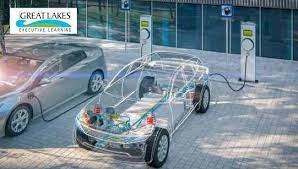
Introduction about PG Diploma In Electric Vehicles
In the age of sustainability and technological innovation, the automotive industry is experiencing a transformative shift towards electric vehicles (EVs). As the demand for cleaner and more eco-friendly transportation options continues to rise, it has created an exciting opportunity for professionals to specialize in the field of electric vehicles. One such avenue to gain expertise in this burgeoning industry is through a PG Diploma in Electric Vehicles.
Defining PG Diploma in Electric Vehicles
A Postgraduate Diploma in Electric Vehicles is a specialized program designed to equip students with in-depth knowledge and skills related to electric vehicle technology. This diploma is ideal for individuals seeking a career in the electric vehicle sector, from engineers to business professionals. It serves as a bridge to the rapidly evolving EV industry, providing students with a strong foundation in various aspects of electric vehicles.
The Growing Demand
The significance of electric vehicles cannot be understated in today's world. With the growing concern for environmental conservation and the need to reduce carbon emissions, electric vehicles have gained immense popularity. As governments worldwide offer incentives and set ambitious goals for EV adoption, the demand for skilled professionals in this field is on the rise.
Key Benefits
Pursuing a PG Diploma in Electric Vehicles offers several advantages. Students can expect to:
Gain expertise in the latest EV technologies and trends.
Enhance their career prospects in a rapidly expanding industry.
Contribute to a more sustainable and eco-friendly future.
Develop a competitive edge in the job market.
Curriculum Overview
The program typically covers a wide range of topics, including:
Electric vehicle design and engineering.
Battery technology and energy management.
Charging infrastructure and network management.
Environmental and policy aspects of electric vehicles.
Career Opportunities
Graduates of a PG Diploma in Electric Vehicles can explore various career opportunities. These include roles in electric vehicle manufacturing, research and development, project management, and even entrepreneurship in the EV sector.
Entry Requirements
To enroll in a PG Diploma program, applicants usually need a bachelor's degree in a related field. However, some programs may consider professionals with industry experience.
Application Process
The application process typically involves submitting academic transcripts, a statement of purpose, and letters of recommendation. Be sure to check the specific requirements of the institution you're applying to.
Duration and Fee
The duration of PG Diploma programs in Electric Vehicles can vary but is usually between 1 to 2 years. Tuition fees can also differ, so it's advisable to research and compare programs to find the one that suits your budget and timeline.
Accreditation
It's essential to choose a program accredited by recognized authorities or institutions. Accreditation ensures that the program meets specific quality standards, making your diploma more valuable to potential employers.
Industry Partnerships
Many PG Diploma programs in Electric Vehicles collaborate with leading EV companies. These partnerships can provide students with practical exposure and networking opportunities in the industry.
Student Testimonials
To get a better understanding of the program, consider reading testimonials from past or current students. Their real experiences can offer valuable insights into what to expect.
How can I apply for admission to PG Diploma In Electric Vehicles Program
Applying for admission to a PG Diploma in Electric Vehicles program involves several steps. Here's a guide on how to apply:
Research Programs: Start by researching PG Diploma programs in Electric Vehicles. Look for reputable institutions that offer this program. You can use online search engines or educational websites to find suitable options.
Review Eligibility Requirements: Check the admission criteria for each program. Typically, you'll need a bachelor's degree in a related field, such as engineering, science, or technology. Some programs may also consider professionals with industry experience.
Prepare Required Documents: Gather the necessary documents for your application. Common documents include:
Academic transcripts: You'll need transcripts from your previous educational institutions.
Statement of Purpose (SOP): Write a compelling SOP explaining your interest in the program and your career goals.
Letters of Recommendation: Obtain letters of recommendation from professors or professionals who can vouch for your qualifications and potential.
Resume or CV: Provide an up-to-date resume showcasing your academic and professional background.
Check Application Deadlines: Ensure you are aware of the application deadlines for the programs you're interested in. Missing a deadline could result in your application not being considered.
Online Application: Most institutions have an online application portal. Create an account or log in if you already have one. Fill out the application form, including personal information, academic history, and program preferences.
Application Fee: Pay the application fee, if applicable. Some institutions charge a fee to process your application. Make the payment as instructed on the application portal.
Submit Documents: Upload the required documents, including your academic transcripts, SOP, letters of recommendation, and resume, to the application portal.
Interview (if required): Some programs may require an interview as part of the admission process. Be prepared to discuss your qualifications and goals.
Wait for Admission Decision: After submitting your application, wait for the admission committee to review your materials. The time it takes to receive a decision can vary, but you'll typically be notified by email.
Acceptance and Enrollment: If you receive an acceptance letter, follow the instructions to confirm your enrollment. This may involve paying a deposit or providing additional documentation.
Financial Aid and Scholarships: Explore financial aid options and scholarships. Many institutions offer assistance to eligible students, so be sure to check for available opportunities.
Visa (for International Students): If you are an international student, you will need to apply for a student visa to study in your chosen country. Check the specific visa requirements and application process for that country.
Preparation: Once you are admitted, start preparing for your PG Diploma program. This may include finding accommodation, arranging finances, and understanding the course schedule.
What is the eligibility for PG Diploma In Electric Vehicles
The eligibility criteria for a PG Diploma in Electric Vehicles program can vary slightly from one institution to another. However, here are the typical eligibility requirements you can expect:
Educational Background: Most programs require candidates to have a bachelor's degree in a related field. This field is often in the areas of engineering, technology, science, or a closely related discipline. Specific majors or qualifications may be specified by the institution, so it's essential to review their requirements carefully.
Academic Performance: Applicants are generally expected to have a strong academic record. A minimum GPA (Grade Point Average) requirement may be set by the institution, which can vary from one program to another. A competitive GPA can enhance your chances of admission.
Work Experience (optional): While some PG Diploma programs do not require work experience, others may consider it an asset. Relevant work experience in areas like automotive engineering, electric vehicle technology, or a related field can strengthen your application. Check the specific program's admission guidelines to see if work experience is recommended or required.
English Language Proficiency: If your primary language is not English, you may be required to demonstrate proficiency in the English language. This can be done through standardized tests such as IELTS, TOEFL, or other equivalent exams. The specific English language proficiency requirements can vary by institution.
Letters of Recommendation: Many institutions ask for letters of recommendation as part of the application process. These letters should come from individuals who can vouch for your qualifications and potential. Professors, employers, or industry professionals are commonly chosen as recommenders.
Statement of Purpose (SOP): Applicants are often required to submit a Statement of Purpose (SOP) that outlines their motivations, career goals, and reasons for pursuing the PG Diploma in Electric Vehicles. A well-crafted SOP can significantly impact your application's success.
Entrance Exams (if applicable): Some institutions may require applicants to take specific entrance exams or aptitude tests. These exams are designed to assess your knowledge and readiness for the program. Make sure to check whether the program you're interested in has such a requirement.
Interview (if required): In some cases, institutions may conduct interviews as part of the admission process. The interview helps the admission committee assess your qualifications and suitability for the program. Be prepared to discuss your background and goals during the interview.
How long does it takes to complete a PG Diploma In Electric Vehicles program
The duration of a PG Diploma in Electric Vehicles program can vary depending on the institution and the specific curriculum they offer. However, on average, these programs are designed to be completed in approximately 1 to 2 years. Here's a breakdown of the typical duration options:
One-Year PG Diploma: Some institutions offer an intensive one-year PG Diploma program in Electric Vehicles. These programs are often structured for students who want to acquire specialized knowledge quickly and enter the job market sooner.
Two-Year PG Diploma: A more common option is the two-year PG Diploma program. This allows for a more comprehensive study of electric vehicle technology and related subjects. It may include a more extensive curriculum and opportunities for practical experience.
The exact duration can also be influenced by factors such as the number of credits or courses required to complete the program and whether it includes an internship or research project. Additionally, some institutions may offer part-time or online options, which can extend the duration to accommodate the schedules of working professionals.
What are potential career opportunities after PG Diploma In Electric Vehicles
Completing a PG Diploma in Electric Vehicles opens up various exciting career opportunities in the rapidly growing electric vehicle (EV) industry. Here are some potential career paths and job opportunities that graduates with this qualification can pursue:
Electric Vehicle Engineer: As an EV engineer, you can work on designing, developing, and testing electric vehicles, including their components like batteries, motors, and control systems. You may also be involved in improving vehicle efficiency and safety.
EV Battery Specialist: Specializing in EV batteries involves research and development of advanced battery technologies, including lithium-ion and solid-state batteries. This role is crucial for enhancing the performance and range of electric vehicles.
Charging Infrastructure Manager: Managing charging infrastructure networks is essential for the growth of EV adoption. This role involves overseeing the installation, maintenance, and expansion of charging stations, both in urban areas and along highways.
EV Systems Analyst: EV systems analysts focus on optimizing electric vehicle systems and energy management. They work on improving the efficiency of electric vehicles and enhancing their environmental impact.
Electric Vehicle Technician: EV technicians are responsible for servicing and maintaining electric vehicles. This role includes diagnostics, repair, and regular maintenance of electric cars, ensuring they remain in excellent working condition.
EV Fleet Manager: Many businesses are transitioning to electric vehicle fleets for transportation and delivery services. EV fleet managers oversee the deployment, maintenance, and efficient operation of electric vehicles within their organizations.
EV Sales and Marketing Specialist: As the demand for electric vehicles grows, there is a need for professionals who can market and sell these eco-friendly vehicles. This role involves promoting EVs, educating consumers, and working with dealerships.
Research and Development (R&D) Engineer: R&D engineers in the EV industry focus on innovation and creating new technologies. They are involved in developing cutting-edge EV components and systems.
Sustainability Consultant: Sustainability consultants help organizations transition to eco-friendly practices, which may include adopting electric vehicles as part of their transportation solutions.
Energy Analyst: Energy analysts assess and manage the energy consumption and efficiency of electric vehicles. They play a role in optimizing energy use and reducing the carbon footprint of electric vehicle fleets.
Environmental Policy Advisor: Working in the public sector or with NGOs, environmental policy advisors help shape government regulations and policies related to electric vehicles and sustainable transportation.
Start-Up Entrepreneur: With the knowledge gained from a PG Diploma, you may choose to start your own electric vehicle-related business, such as EV charging solutions, EV maintenance services, or sustainable transportation consulting.
Academic and Research Positions: Some graduates opt for careers in academia or research, contributing to the advancement of knowledge in the field of electric vehicles and sustainable transportation.
Electric Vehicle Safety Specialist: Safety specialists in the EV industry focus on ensuring the safety of electric vehicles, passengers, and pedestrians. They work on safety standards and protocols.
Syllabus of PG Diploma In Electric Vehicles
The syllabus of a PG Diploma in Electric Vehicles program is typically divided into various semesters or modules, each covering different aspects of electric vehicle technology and related subjects. The specific syllabus can vary by institution and program, but here's a general semester-wise breakdown that provides an overview of what you might expect to study in such a program:
Semester 1:
Introduction to Electric Vehicles (EVs)
History and evolution of electric vehicles.
Types of electric vehicles: BEVs, PHEVs, and FCEVs.
The significance of EVs in reducing carbon emissions.
EV Components and Systems
Electric motors and controllers.
Battery technologies and management systems.
Power electronics and inverters.
EV Design and Manufacturing
Vehicle architecture and design considerations.
EV manufacturing processes and technologies.
Quality control and safety measures in EV production.
Charging Infrastructure
Charging station types and classifications.
Charging standards and protocols.
Installation and maintenance of charging stations.
Semester 2:
Battery Technology
Lithium-ion battery technology.
Advanced battery chemistries.
Battery safety and thermal management.
EV Powertrain
Powertrain configurations in electric vehicles.
Transmission systems in EVs.
Regenerative braking and energy recovery.
EV Control Systems
Vehicle control unit (VCU) and onboard diagnostics.
Integration of various EV components.
Software and firmware development for EVs.
Semester 3:
EV Energy Management
Energy-efficient driving techniques.
Range estimation and optimization.
Energy consumption modeling and analysis.
Charging and Infrastructure Management
Smart charging solutions.
Managing EV charging networks.
Grid integration and vehicle-to-grid (V2G) technology.
Environmental and Policy Aspects
Environmental impact assessment of electric vehicles.
Government incentives and policies promoting EV adoption.
Sustainable transportation planning.
Semester 4:
Electric Vehicle Testing and Certification
Testing procedures and standards for EVs.
Safety and performance testing.
Regulatory compliance and certification processes.
Advanced Topics in Electric Vehicles
Emerging trends and technologies in the EV industry.
Case studies of innovative electric vehicle projects.
Electric vehicle market analysis and future predictions.
Capstone Project
A hands-on project that applies the knowledge and skills gained throughout the program.
Research, design, and implementation of an electric vehicle-related project.
Internship opportunities after completing PG Diploma In Electric Vehicles
Completing a PG Diploma in Electric Vehicles can open the door to a wide range of internship opportunities in the growing electric vehicle (EV) industry. Internships provide valuable hands-on experience and the chance to apply the knowledge and skills gained during your program. Here are some potential internship opportunities:
EV Manufacturers: Many electric vehicle manufacturers, both established companies and startups, offer internships. You can work on various aspects of EV production, such as assembly, quality control, or research and development.
Charging Infrastructure Companies: Interning with companies that focus on EV charging infrastructure allows you to gain experience in the installation, maintenance, and management of charging stations. You may also be involved in software development for charging networks.
Energy and Utility Companies: Energy companies often have divisions dedicated to electric vehicle solutions. Interning with them can provide insight into energy management, grid integration, and the relationship between EVs and renewable energy.
Automotive Research Centers: Research institutions and automotive research centers conduct studies related to electric vehicle technology. Interns can contribute to projects focused on battery research, energy efficiency, and vehicle performance.
Environmental Organizations: Environmental organizations and NGOs may offer internships focused on sustainable transportation and EV advocacy. You can work on campaigns to promote electric vehicles and sustainable mobility.
Government Agencies: Some government agencies and departments are involved in EV policy, regulation, and incentives. Interning with these organizations can provide insights into the development of supportive policies and regulations for the EV industry.
EV Startups: Many startups are entering the electric vehicle market, focusing on innovative technologies and solutions. Interning with a startup can offer a dynamic and entrepreneurial experience.
Fleet Management Companies: Companies that manage electric vehicle fleets for businesses and organizations often require interns to assist with fleet operations, maintenance, and data analysis.
Electric Vehicle Testing Facilities: Testing facilities and laboratories that specialize in electric vehicle safety, performance, and certification may offer internships in areas such as vehicle testing, data analysis, and compliance.
Consulting Firms: Consulting firms specializing in the automotive and sustainability sectors may have internships related to market analysis, EV adoption strategies, and sustainability consulting.
Automotive Dealerships: Dealerships that sell electric vehicles often offer internships in sales and customer service, providing insights into the sales process and customer education about EVs.
EV Component Manufacturers: Companies that produce components for electric vehicles, such as batteries, motors, or charging equipment, may have internships focused on component design, testing, or quality control.
Ride-Sharing and Mobility Services: Companies offering electric ride-sharing or mobility services may provide internships in areas like driver management, fleet maintenance, and customer experience.
Scholorship and grants for PG Diploma In Electric Vehicles
Scholarships and grants can be a valuable source of financial support for students pursuing a PG Diploma in Electric Vehicles. While the availability of scholarships may vary by institution and country, here are some common types of financial aid you can explore:
Institution-Specific Scholarships: Many educational institutions offering PG Diploma programs have their own scholarship programs. These scholarships may be merit-based or need-based and are often awarded to students with exceptional academic records or specific qualifications.
Government Scholarships: In some countries, government agencies provide scholarships or grants for students pursuing higher education in areas related to sustainability, environmental sciences, or clean energy technologies. Check with the relevant government departments or education ministries for information on such opportunities.
Industry Scholarships: Some companies and organizations in the electric vehicle industry offer scholarships or financial assistance to students pursuing programs related to electric vehicles. These scholarships often come with the expectation that the recipient may work for the sponsoring organization upon graduation.
Nonprofit Organizations and Foundations: Various nonprofit organizations and foundations focus on supporting students in fields related to sustainability and clean energy. These organizations may offer scholarships to individuals committed to making a positive impact in the electric vehicle sector.
Professional Associations: Industry-specific associations and professional organizations may provide scholarships or grants to students pursuing careers in electric vehicle technology. Joining these organizations and exploring their scholarship opportunities can be beneficial.
Diversity Scholarships: Some scholarships are targeted toward underrepresented groups, such as women or minority students, to promote diversity in the field of electric vehicles. These scholarships aim to create a more inclusive workforce.
Research and Project Grants: If you are involved in research or projects related to electric vehicles, you can seek grants to support your work. These grants may be offered by research institutions, universities, or governmental organizations.
International Scholarships: If you plan to study electric vehicles abroad, investigate international scholarships provided by foreign governments, universities, or international organizations. These scholarships can help cover tuition and living expenses.
Community and Local Scholarships: Some local organizations, including community groups and businesses, offer scholarships to students residing in specific regions. These scholarships may be less competitive and can provide valuable financial support.
Conclusion
In conclusion, a PG Diploma in Electric Vehicles is a fantastic opportunity to become part of the green revolution. As the electric vehicle industry continues to grow, the need for skilled professionals is on the rise. This diploma equips you with the knowledge and expertise to make a meaningful contribution to a more sustainable and environmentally friendly future.
FAQ PG Diploma In Electric Vehicles
What is a PG Diploma in Electric Vehicles?
A PG Diploma in Electric Vehicles is a specialized program that provides in-depth knowledge and skills related to electric vehicle technology. It equips students with the expertise needed to work in the electric vehicle industry.
What are the eligibility criteria for this program?
Eligibility criteria can vary by institution, but it generally requires a bachelor's degree in a related field, such as engineering, science, or technology. Some programs may also consider industry experience.
How long does it take to complete a PG Diploma in Electric Vehicles?
The duration typically ranges from 1 to 2 years, depending on the institution and program structure.
What are the potential career opportunities after completing this program?
Graduates can pursue careers as electric vehicle engineers, battery specialists, charging infrastructure managers, and more. They can work in research, development, manufacturing, and sustainability roles within the electric vehicle industry.
Are there internship opportunities for PG Diploma students in the electric vehicle industry?
Yes, there are internship opportunities with electric vehicle manufacturers, charging infrastructure companies, research centers, and various organizations within the electric vehicle sector. Internships provide practical experience and networking opportunities.
Are there scholarships or grants available for PG Diploma in Electric Vehicles programs?
Yes, scholarships and grants are available, including institution-specific scholarships, government scholarships, industry-sponsored scholarships, and more. Students are encouraged to explore these financial aid options.
How can I apply for admission to a PG Diploma in Electric Vehicles program?
To apply for admission, research programs, review eligibility requirements, prepare required documents (transcripts, SOP, letters of recommendation), submit an online application, pay any application fees, and follow specific instructions provided by the institution.
What is the curriculum of a PG Diploma in Electric Vehicles program like?
The curriculum typically covers topics such as electric vehicle components, battery technology, charging infrastructure, energy management, and environmental aspects. It may also include a capstone project.
How can I find the best PG Diploma program in Electric Vehicles that suits my career goals?
Research accredited institutions, check their curriculum, read student reviews, and consider factors like location, faculty expertise, and industry partnerships to find a program that aligns with your career goals.
What are the advantages of pursuing a PG Diploma in Electric Vehicles?
The program provides specialized knowledge in a high-demand industry, enhances career prospects, contributes to sustainability, and equips graduates with skills for a rapidly evolving field.
How Shiksha Hub helps you in
-
 Student Counsellors
 -
 Career Counseling
 -
 Research
 -
 24/7 Support
 -
 Scholarships
 -
 Community