Posted by Admin on 14-07-2023 in Shiksha hub
PG Diploma In Farm Management, Introduction, Admission, Registration, Eligibility, Duration, Fees, Syllabus 2024
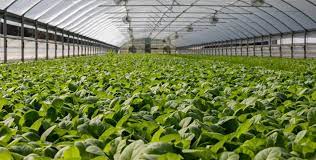
Introduction about PG Diploma In Farm Management
The PG Diploma in Farm Management is a specialized postgraduate program designed to equip individuals with the knowledge and skills necessary for effective management of agricultural enterprises. This comprehensive diploma focuses on various aspects of farm management, including crop production, livestock management, financial planning, marketing strategies, and sustainable agricultural practices.
The program is structured to cater to the evolving needs of the agricultural sector, integrating modern management principles with traditional farming practices. Participants in the PG Diploma in Farm Management gain insights into the latest advancements in agricultural technology, agribusiness, and rural development, enabling them to make informed decisions for optimizing farm productivity and profitability.
Throughout the course, students are exposed to a diverse curriculum that covers topics such as agricultural economics, resource management, farm machinery and technology, risk assessment, and agro-industrial management. Practical training and fieldwork are often integral components, allowing participants to apply theoretical knowledge in real-world agricultural settings.
Upon successful completion of the PG Diploma in Farm Management, graduates are well-prepared for careers in farm management, agribusiness consultancy, agricultural extension services, and various roles within the broader agricultural industry. The program not only fosters technical expertise but also instills a strategic and sustainable approach to farming practices, contributing to the overall development and viability of the agricultural sector.
How can I apply for admission to PG Diploma In Farm Management Program
To apply for admission to the PG Diploma in Farm Management program, follow these general steps:
Research Programs: Start by researching institutions that offer the PG Diploma in Farm Management. Look for universities, agricultural colleges, or institutions renowned for their agricultural programs.
Check Eligibility Criteria: Review the eligibility criteria for the program at your chosen institution. Ensure that you meet the academic requirements, as well as any other prerequisites specified.
Prepare Required Documents: Gather all necessary documents for the application process. Typical requirements may include:
Academic transcripts
Letters of recommendation
Statement of purpose
Resume or curriculum vitae (CV)
Proof of language proficiency (if applicable)
Application form, duly filled
Entrance Exams (if required): Some institutions may require you to take specific entrance exams. Check whether the program you are applying to has any such requirements and prepare accordingly.
Online Application: Most institutions have an online application system. Visit the official website of the chosen institution and navigate to the admissions section. Follow the instructions to complete the online application form.
Application Fee: Pay the application fee, if applicable. Ensure that you are aware of the payment methods accepted by the institution.
Submission of Application: Submit your completed application along with all required documents before the specified deadline. Double-check that all information is accurate and complete.
Wait for Admission Decision: After submitting your application, wait for the admission committee to review your materials. This process may take some time, so be patient.
Interview (if required): Some institutions may require an interview as part of the admission process. Prepare for this by reviewing common interview questions and presenting yourself professionally.
Acceptance and Enrollment: If you receive an offer of admission, carefully read the acceptance letter and follow the instructions for enrollment. This may involve submitting additional documents, paying tuition fees, and registering for classes.
Orientation: Attend any orientation sessions offered by the institution to familiarize yourself with the program, campus facilities, and other important information.
What is the eligibility for PG Diploma In Farm Management
The eligibility criteria for a PG Diploma in Farm Management can vary slightly depending on the institution offering the program. However, here are some common eligibility requirements you might encounter:
Educational Qualifications:
Applicants typically need a bachelor's degree in agriculture or a related field from a recognized university or institution.
A background in a relevant discipline such as agricultural sciences, horticulture, agronomy, or agribusiness may also be accepted.
Minimum Percentage or Grade:
Some institutions may specify a minimum percentage or grade in the qualifying degree. This requirement varies, but it is often in the range of 50% or above.
Entrance Exam:
Certain institutions may require candidates to appear for an entrance examination specific to the field of agriculture or agribusiness. Performance in this exam may be a factor in the selection process.
Work Experience (if applicable):
Some programs may prefer or require applicants to have relevant work experience in the agricultural sector. This could be in the form of internships, research projects, or employment in agricultural-related roles.
Letters of Recommendation:
Submission of letters of recommendation from academic or professional sources may be part of the application process.
Statement of Purpose (SOP):
A statement of purpose outlining your motivation, career goals, and why you are interested in pursuing a PG Diploma in Farm Management may be required.
Language Proficiency:
For international applicants or in programs where the medium of instruction is not the applicant's first language, proof of English language proficiency through tests like TOEFL or IELTS might be necessary.
Age Limit (if applicable):
Some institutions may have an age limit for admission to postgraduate programs. Ensure that you meet any age-related criteria specified by the institution.
How long does it takes to complete a PG Diploma In Farm Management program
The duration of a PG Diploma in Farm Management program can vary depending on the institution and the specific curriculum they offer. Typically, these programs are designed to be completed in one to two years of full-time study. The exact duration may be influenced by factors such as the credit requirements, the inclusion of internships or practical training, and the structure of the academic calendar.
In a standard scenario:
One-Year Program:
Some institutions offer an accelerated PG Diploma in Farm Management that can be completed in one academic year. This format is often intensive and may not include long breaks between semesters.
Two-Year Program:
Many institutions structure their PG Diploma programs over two years, allowing for a more balanced and in-depth exploration of the curriculum. This format may also accommodate part-time students or those with other commitments.
It's important to carefully review the program details provided by the specific institution offering the PG Diploma in Farm Management. Additionally, some programs may provide flexibility in the form of part-time or online study options, which could impact the overall duration based on the student's pace of progress.
As program durations can vary, prospective students should refer to the official program documentation, contact the admissions office, or check the institution's website for the most accurate and up-to-date information regarding the duration of the PG Diploma in Farm Management program they are interested in.
What are potential career opportunities after PG Diploma In Farm Management
Completing a PG Diploma in Farm Management opens up a range of career opportunities in the agricultural sector. Graduates with this qualification possess a combination of managerial, technical, and practical skills that are highly valued in various agricultural and agribusiness settings. Here are some potential career opportunities:
Farm Manager:
Graduates can pursue roles as farm managers, overseeing day-to-day operations, crop production, livestock management, and implementing efficient farming practices.
Agribusiness Consultant:
Agribusiness consultants provide expert advice to farmers and agricultural businesses on areas such as crop selection, resource optimization, market trends, and sustainable practices.
Agricultural Extension Officer:
Extension officers work with farmers to disseminate knowledge, introduce new technologies, and provide support to enhance agricultural productivity and sustainability.
Agricultural Marketing Specialist:
Professionals in this role focus on developing and implementing marketing strategies for agricultural products, connecting farmers with markets, and ensuring optimal pricing.
Supply Chain Manager:
Graduates can explore roles in supply chain management, ensuring the efficient movement of agricultural products from farm to market while minimizing waste and optimizing distribution.
Research and Development (R&D) in Agriculture:
Opportunities exist in research institutions, agricultural laboratories, and agribusiness companies, where individuals can contribute to developing new technologies, crop varieties, and sustainable farming practices.
Agri-Finance Specialist:
Professionals in this field work with financial institutions or agricultural cooperatives, providing financial advice and services to farmers, facilitating loans, and managing investment portfolios.
Environmental and Sustainability Analyst:
With a focus on sustainable farming practices, graduates may work as analysts assessing the environmental impact of agricultural activities and implementing strategies for sustainable resource use.
Government Agricultural Officer:
Employment opportunities exist within government agricultural departments where individuals contribute to policy development, regulation enforcement, and the promotion of sustainable agricultural practices.
Entrepreneurship in Agriculture:
Graduates can start their own agricultural ventures, such as organic farming, agri-tourism, or specialty crop production, leveraging their management skills and knowledge gained during the diploma program.
These career opportunities highlight the diverse paths available to individuals with a PG Diploma in Farm Management. The agricultural sector is broad, and graduates may find roles that align with their specific interests and expertise within this dynamic industry.
Syllabus of PG Diploma In Farm Management
|
Semester |
Subjects/Courses |
|
Semester 1 |
- Principles of Farm Management |
|
- Agricultural Economics and Marketing |
|
|
- Crop Production and Management |
|
|
- Livestock Management and Animal Husbandry |
|
|
- Agricultural Extension and Communication |
|
|
- Agribusiness Management |
|
|
- Practical Training/Fieldwork |
|
|
Semester 2 |
- Resource Management in Agriculture |
|
- Agricultural Policy and Rural Development |
|
|
- Agroecology and Sustainable Farming Practices |
|
|
- Farm Machinery and Technology |
|
|
- Risk Assessment and Management in Agriculture |
|
|
- Agri-Finance and Financial Planning |
|
|
- Project Work/Internship |
Internship opportunities after completing PG Diploma In Farm Management
After completing a PG Diploma in Farm Management, individuals have various internship opportunities in the agricultural sector. These internships provide practical, hands-on experience and can significantly enhance the skills and knowledge gained during the academic program. Here are some potential internship opportunities:
Farm Management Intern:
Work directly on a farm, gaining practical experience in day-to-day operations, crop planning, livestock management, and overall farm administration.
Agribusiness Intern:
Internships with agribusinesses or agricultural cooperatives allow individuals to understand the business side of agriculture, including marketing, supply chain management, and financial planning.
Research Intern in Agriculture:
Collaborate with research institutions or agricultural laboratories, participating in ongoing projects related to crop improvement, sustainable practices, or agricultural technology.
Agricultural Extension Intern:
Join extension services to work closely with farmers, providing on-site assistance, implementing new technologies, and promoting best practices in agriculture.
Agri-Tourism Intern:
Explore opportunities in agri-tourism, where individuals can intern on farms that offer educational and recreational experiences to visitors.
Government Agricultural Internship:
Some government agricultural departments or agencies may offer internships focusing on policy development, regulatory compliance, and agricultural development projects.
Environmental and Sustainability Intern:
Internships in this area involve working on projects related to sustainable agriculture, environmental impact assessment, and the implementation of eco-friendly farming practices.
Agri-Finance Intern:
Gain experience in financial institutions or agricultural lending organizations, assisting with financial planning, loan assessment, and investment analysis for agricultural projects.
Supply Chain Management Intern:
Internships in supply chain management involve working with organizations that handle the distribution and logistics of agricultural products, ensuring efficient and timely delivery to markets.
Entrepreneurial Internship:
Individuals interested in starting their own agricultural venture can intern with successful agri-entrepreneurs to learn about business development, market positioning, and overcoming challenges in agricultural entrepreneurship.
Scholorship and grants for PG Diploma In Farm Management
Scholarships and grants for a PG Diploma in Farm Management can provide financial assistance to students pursuing higher education in agriculture. While specific opportunities may vary by region and institution, here are some general types of scholarships and grants that students may explore:
Institutional Scholarships:
Many universities and agricultural institutions offer merit-based scholarships to outstanding students. These scholarships may be based on academic achievements, leadership qualities, or specific criteria set by the institution.
Government Scholarships:
Governments and agricultural departments often provide scholarships to support students pursuing education in agriculture. These scholarships may be need-based or tied to specific agricultural development goals.
Industry-Specific Scholarships:
Agricultural organizations, agribusinesses, and industry associations may offer scholarships to students pursuing farm management. These scholarships might be linked to future employment with the sponsoring organization or a commitment to contribute to the agricultural industry.
Research Grants:
Students interested in agricultural research may explore grants provided by research institutions, non-profit organizations, or government agencies. These grants can support research projects related to farm management and sustainable agriculture.
Community and Non-Profit Organizations:
Local community organizations, non-profits, and foundations may offer scholarships or grants to students with a commitment to agricultural development and community engagement.
International Scholarships:
Students planning to pursue a PG Diploma in Farm Management in a different country may explore international scholarships offered by governments, universities, or organizations that support global education initiatives.
Corporate Sponsorships:
Agricultural companies and agribusinesses may provide sponsorships or scholarships to students pursuing farm management, especially if there is a potential for collaboration or future employment.
Professional Associations:
Agricultural and agribusiness associations often offer scholarships to students entering the field. These scholarships may be tied to membership in the association and active participation in industry-related activities.
Philanthropic Foundations:
Some philanthropic foundations focus on supporting education and agriculture. Students can research foundations that align with their goals and values to explore potential scholarship opportunities.
Online Scholarship Platforms:
Utilize online scholarship platforms that aggregate scholarship opportunities for various fields, including agriculture. Websites like scholarship portals, government scholarship databases, and educational funding platforms can be valuable resources.
Conclusion
In conclusion, pursuing a PG Diploma in Farm Management opens doors to a diverse range of career opportunities within the agricultural sector. This specialized program equips individuals with the necessary skills and knowledge to navigate the complexities of modern farming, combining traditional practices with contemporary management principles.
FAQ PG Diploma In Farm Management
What is a PG Diploma in Farm Management?
A PG Diploma in Farm Management is a postgraduate program designed to provide individuals with comprehensive knowledge and skills in the management of agricultural enterprises. It covers various aspects such as crop production, livestock management, agribusiness, and sustainable farming practices.
How long does it take to complete the program?
The duration of the program varies but is typically one to two years, depending on the institution and the specific curriculum.
What are the eligibility criteria for admission?
Eligibility criteria often include a bachelor's degree in agriculture or a related field, a minimum percentage or grade, and, in some cases, relevant work experience. Specific requirements may vary by institution.
What career opportunities are available after completing the PG Diploma?
Graduates can pursue careers as farm managers, agribusiness consultants, agricultural extension officers, agricultural marketing specialists, and more. The program opens doors to various roles within the agricultural sector.
Are there internship opportunities after completing the program?
Yes, many institutions incorporate internships or practical training into the program, providing opportunities for hands-on experience on farms, in research institutions, agribusinesses, or government agencies.
Are there scholarships or grants available for the PG Diploma in Farm Management?
Yes, various scholarships and grants are available, including those offered by institutions, governments, industry associations, and philanthropic foundations. Eligible students are encouraged to explore these opportunities to support their education.
What does the curriculum typically include?
The curriculum often includes subjects such as Principles of Farm Management, Agricultural Economics, Crop Production, Livestock Management, Agribusiness Management, and Sustainable Farming Practices. Specific courses may vary by institution.
Can I pursue this program internationally?
Yes, many institutions around the world offer PG Diplomas in Farm Management. Students interested in international programs should check the specific admission requirements of the institutions they are interested in.
How do I apply for admission?
The application process typically involves submitting an online application form, academic transcripts, letters of recommendation, a statement of purpose, and any other documents specified by the institution. Application procedures may vary, so it's essential to check the requirements of the specific institution.
What is the importance of a PG Diploma in Farm Management in today's agricultural landscape?
With the increasing complexity of modern agriculture, a PG Diploma in Farm Management is crucial for individuals to acquire the skills needed to manage farms efficiently and sustainably. The program addresses the evolving needs of the agricultural sector, contributing to the development and viability of the industry.
How Shiksha Hub helps you in
-
 Student Counsellors
 -
 Career Counseling
 -
 Research
 -
 24/7 Support
 -
 Scholarships
 -
 Community