Posted by Admin on 14-07-2023 in Shiksha hub
PG Diploma In Hotel Management, Introduction, Admission, Registration, Eligibility, Duration, Fees, Syllabus 2024
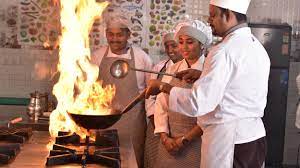
Introduction about PG Diploma In Hotel Management
If you have a passion for the hospitality industry and aspire to work in top-tier hotels and resorts, pursuing a Post Graduate Diploma in Hotel Management is an excellent choice. This article will guide you through the intricacies of this program, its significance, and what it entails.
The Importance of Hotel Management
Hotel management plays a pivotal role in the success of any hospitality establishment. It encompasses various aspects, including guest services, operations, marketing, and finance. Professionals in this field are responsible for ensuring guests have a memorable experience, which directly impacts the reputation and profitability of a hotel.
Eligibility Criteria
To enroll in a PG Diploma in Hotel Management, candidates generally need a bachelor's degree in any discipline. Additionally, they should have good communication skills and a passion for customer service. Different institutions may have specific prerequisites, so it's essential to check the requirements of the program you're interested in.
Course Duration
The duration of the program typically ranges from 1 to 2 years, depending on the institution and the curriculum's depth. Many institutes offer flexible options to accommodate the needs of working professionals.
Curriculum Overview
The curriculum for a PG Diploma in Hotel Management is designed to provide students with a comprehensive understanding of the industry. It covers subjects such as food and beverage management, accommodation operations, revenue management, and marketing. Practical training and internships are an integral part of the program.
Specializations
Students often have the opportunity to choose specializations within hotel management, such as culinary arts, event management, or tourism. These specializations allow them to focus on their areas of interest and expertise.
Admission Process
The admission process may include a written test, personal interview, and group discussion. It's advisable to start the application process well in advance, as these programs can be competitive.
Career Opportunities
Graduates of a PG Diploma in Hotel Management can explore various career paths. They can work in hotels, restaurants, cruise ships, event management companies, and more. The skills and knowledge gained in the program are highly transferable.
Salary Potential
The salary in the hotel management industry varies depending on the role, location, and the reputation of the establishment. Entry-level positions may start with a modest salary, but with experience and expertise, professionals can earn lucrative incomes.
Advantages of PG Diploma in Hotel Management
One of the significant advantages of pursuing a PG Diploma in Hotel Management is the practical exposure it provides. Students gain hands-on experience through internships, making them industry-ready. Additionally, this program opens doors to global career opportunities.
Top Institutes Offering the Program
Several renowned institutions worldwide offer PG Diploma in Hotel Management. Some of the top ones include the Institute of Hotel Management (IHM), Cornell University, and Les Roches International School of Hotel Management.
Student Testimonials
It's always helpful to hear from those who have experienced the program firsthand. Here are some testimonials from PG Diploma in Hotel Management graduates:
"This program transformed my passion into a career. The practical training and guidance from experienced faculty were invaluable."
"I got the opportunity to work in some of the world's best hotels, thanks to the exposure I gained during this program."
"The skills and knowledge I acquired here have opened doors to endless possibilities in the hospitality industry."
Challenges Faced in the Industry
Working in the hotel management industry can be demanding. Professionals often deal with long working hours, handling demanding guests, and managing high-pressure situations. However, these challenges can be outweighed by the rewards the industry offers.
Future Trends
The hospitality industry is continually evolving. Trends such as sustainable tourism, technology integration, and personalized guest experiences are shaping the future. Staying updated with these trends is essential for success in the field.
How can I apply for admission to PG Diploma In Hotel Management Program
To apply for admission to a PG Diploma in Hotel Management program, follow these steps:
Research Institutions: Start by researching institutions that offer PG Diploma in Hotel Management. Look for reputable colleges or universities that match your preferences in terms of location, curriculum, and facilities.
Check Eligibility: Review the eligibility criteria of the program at your chosen institutions. Typically, you will need a bachelor's degree in any discipline. Ensure you meet the academic and any other specific requirements mentioned by the institution.
Collect Documents: Prepare the necessary documents, which usually include:
Academic transcripts and certificates.
Passport-sized photographs.
Proof of identity (such as a passport or driver's license).
Letters of recommendation, if required.
A well-crafted statement of purpose (SOP), highlighting your motivation and goals.
Entrance Exams: Some institutions may require you to take an entrance exam. Research which exams are needed, their format, and when and where they are held. Prepare and register accordingly.
Application Forms: Visit the institution's official website and fill out the application form. Follow the guidelines and ensure that you provide accurate and complete information.
Application Fee: Pay the application fee as per the institution's instructions. This fee often covers the processing of your application.
Submit Application: After completing the application form and making the payment, submit it online, or as per the institution's specified submission process. Keep a copy of your submitted application for your records.
Interview and Group Discussion: If the institution requires an interview or group discussion, prepare for it by understanding common interview questions and group discussion topics in hotel management.
Check for Notifications: Keep an eye on your email and the institution's admission portal for updates on the status of your application, interview dates, or other important information.
Prepare for Interview: If you are selected for an interview, prepare by reviewing your SOP, understanding the program, and practicing common interview questions.
Acceptance and Enrollment: If you receive an acceptance letter, carefully read the terms and conditions. Pay the necessary fees and complete the enrollment process within the specified timeline.
Visa and Accommodation: If you are an international student, apply for a student visa and arrange for accommodation as per the institution's recommendations.
Orientation: Attend the orientation program at the institution to familiarize yourself with the campus, faculty, and fellow students.
What is the eligibility for PG Diploma In Hotel Management
The eligibility criteria for a PG Diploma in Hotel Management may vary slightly depending on the institution offering the program. However, here is a general overview of the typical eligibility requirements for such a program:
Educational Qualification: Applicants should have completed a bachelor's degree in any discipline from a recognized university or institution. The field of the bachelor's degree is usually not restricted, meaning you can have a degree in various subjects.
Academic Performance: Many institutions have a minimum academic performance requirement, often specified as a minimum percentage or grade point average (GPA). This requirement can vary between institutions, so it's important to check the specific eligibility criteria of the institution you are interested in.
Language Proficiency: Proficiency in the English language is essential for international students. Most institutions require non-native English speakers to provide proof of English language proficiency through standardized tests like IELTS or TOEFL. The required score may vary between institutions.
Entrance Exam: Some institutions may conduct an entrance examination or test to evaluate the aptitude and knowledge of applicants. The format and content of the entrance exam can differ, so you should check with the specific institution for details.
Work Experience (Optional): While not always mandatory, some institutions may prefer or require applicants to have prior work experience in the hospitality or related industry. This can be an advantage during the admission process.
Interview/GD (Group Discussion): In certain cases, institutions may require applicants to participate in an interview or group discussion as part of the selection process. This is to assess communication skills, personality, and motivation.
Statement of Purpose (SOP): Many institutions request a well-written Statement of Purpose (SOP) as part of the application. The SOP is an opportunity for you to express your motivation, career goals, and why you want to pursue the PG Diploma in Hotel Management.
Letters of Recommendation: Some institutions may ask for letters of recommendation from teachers, employers, or other individuals who can vouch for your qualifications and character.
How long does it takes to complete a PG Diploma In Hotel Management program
The duration of a PG Diploma in Hotel Management program typically ranges from 1 year to 2 years, but it can vary depending on the institution and the specific curriculum they offer. Here is a general overview of the typical durations for such programs:
One-Year Program: Some institutions offer an intensive one-year PG Diploma in Hotel Management. These programs are designed for students who wish to complete their studies quickly and enter the workforce sooner. They often have a rigorous schedule with a focus on essential skills and knowledge.
Two-Year Program: Many institutions provide a more comprehensive two-year PG Diploma in Hotel Management. These programs offer a more in-depth exploration of the subject matter and often include opportunities for internships, specializations, and practical training. The longer duration allows for a more well-rounded education.
Flexible Options: Some institutions may also offer flexible options, allowing students to choose the program's duration based on their specific needs. This can include part-time or online programs that can be completed over an extended period.
What are potential career opportunities after PG Diploma In Hotel Management
After completing a PG Diploma in Hotel Management, graduates have a wide range of potential career opportunities in the hospitality and hotel industry. The diploma equips them with the skills and knowledge needed to excel in various roles. Here are some potential career opportunities:
Hotel Manager: Hotel managers oversee the daily operations of hotels, resorts, or other lodging establishments. They are responsible for guest satisfaction, staff management, budgeting, and overall hotel performance.
Food and Beverage Manager: These professionals manage the food and beverage departments of hotels and restaurants. They ensure high-quality dining experiences, from menu planning to service delivery.
Event Manager: Event managers specialize in planning and executing events, conferences, weddings, and other functions hosted by hotels or event management companies.
Front Office Manager: Front office managers handle guest reservations, check-ins, and check-outs. They are responsible for providing excellent customer service and managing the reception area.
Revenue Manager: Revenue managers focus on maximizing the hotel's revenue by optimizing room rates and occupancy. They use data and analysis to make pricing decisions.
Sales and Marketing Manager: Sales and marketing managers are responsible for promoting the hotel's services, attracting guests, and managing advertising and promotional campaigns.
Culinary Professional: Graduates can pursue careers as chefs, sous chefs, or kitchen managers in hotel kitchens. They are responsible for menu planning, food preparation, and kitchen staff supervision.
Tourism Manager: Tourism managers work with hotels and travel agencies to create and promote travel packages, tours, and itineraries to attract tourists.
Hospitality Consultant: Consultants provide expert advice to hotels and hospitality businesses on improving operations, guest experiences, and profitability.
Entrepreneur: Some graduates choose to start their own hotel or restaurant businesses, utilizing the knowledge and skills gained during the program.
Guest Relations Manager: Guest relations managers focus on ensuring that guests have a pleasant and memorable stay by addressing their needs and concerns.
Human Resources Manager: HR managers in the hotel industry are responsible for recruiting, training, and managing the hotel's staff.
Quality Assurance Manager: These professionals ensure that the hotel maintains high-quality standards and adheres to safety and hygiene regulations.
Facilities Manager: Facilities managers oversee the maintenance and operations of a hotel's physical infrastructure and amenities.
Travel Agent: Graduates can work as travel agents, helping clients plan and book trips, accommodations, and activities.
Syllabus of PG Diploma In Hotel Management
The syllabus of a PG Diploma in Hotel Management program can vary from one institution to another. However, I can provide you with a general overview of a typical syllabus organized semester-wise in a table format:
Semester 1
|
Subject |
Description |
|
Principles of Hotel Management |
Introduction to the hotel industry, its history, and key concepts. |
|
Front Office Management |
Operations, reservations, check-ins, and check-outs. |
|
Food and Beverage Management |
Food production, restaurant operations, and service standards. |
|
Housekeeping Management |
Housekeeping operations, maintenance, and hygiene. |
|
Food Hygiene and Safety |
Principles of food safety, sanitation, and health regulations. |
|
Communication Skills |
Development of effective communication skills for the hospitality industry. |
|
Internship/Practical Training |
Hands-on experience in hotel operations. |
Semester 2
|
Subject |
Description |
|
Accounting for Hospitality |
Financial management, budgeting, and cost control. |
|
Marketing and Sales |
Marketing strategies, sales techniques, and customer relationship management. |
|
Human Resource Management |
Recruitment, training, staff management, and labor laws. |
|
Hotel Information Systems |
Introduction to hotel management software and technology. |
|
Event Management |
Planning and execution of events, banquets, and conferences. |
|
Culinary Arts |
Food preparation techniques, culinary skills, and menu planning. |
|
Internship/Practical Training |
Continued practical experience in a different department. |
Semester 3
|
Subject |
Description |
|
Financial Management |
Advanced financial analysis, revenue management, and yield strategies. |
|
Strategic Management |
Strategic planning, industry trends, and competitive analysis. |
|
Entrepreneurship in Hospitality |
Creating and managing hospitality businesses. |
|
Specialization Electives |
Depending on the program, students may choose electives in areas such as event management, culinary arts, or tourism. |
|
Research Project |
Independent research project on a hotel management-related topic. |
|
Internship/Practical Training |
Specialized training based on chosen electives or interests. |
Internship opportunities after completing PG Diploma In Hotel Management
Completing a PG Diploma in Hotel Management opens the door to various internship opportunities in the hospitality and hotel industry. Internships are a crucial part of this program, as they provide students with practical experience and a chance to apply the knowledge they have gained. Here are some internship opportunities that graduates can explore:
Hotel Chains: Many renowned hotel chains offer internship programs for hotel management students. These internships can cover various departments, including front office, food and beverage, housekeeping, and management.
Resorts and Spas: Resorts and spa facilities often provide internship opportunities, allowing students to work in a leisure-oriented environment. Interns may assist in guest services, recreational activities, or spa management.
Restaurants and Fine Dining: Internships in restaurants and fine dining establishments offer students exposure to culinary arts, food preparation, menu planning, and restaurant management.
Event Management Companies: Event management firms often hire interns to assist in planning and executing events, conferences, weddings, and other functions. This provides hands-on experience in event coordination.
Travel Agencies: Interning with travel agencies allows students to understand the travel and tourism industry. They can work on travel itineraries, bookings, and customer service.
Cruise Lines: Cruise lines offer internships in various departments, including guest services, culinary arts, and entertainment. Interns get to experience the unique challenges of working on a cruise ship.
Catering Services: Catering companies provide opportunities for students to gain experience in food preparation, catering operations, and large-scale event management.
Boutique Hotels: Smaller boutique hotels can provide a more intimate internship experience, where students can work closely with guests and experience the inner workings of the establishment.
Online Travel Platforms: Some online travel and booking platforms offer internships related to hotel and hospitality management. This can involve data analysis, marketing, and customer relations.
Tourism Boards: Government or private tourism boards may have internship programs focused on promoting tourism destinations. This can involve marketing, research, and event planning.
Corporate Hospitality: Large corporations often have in-house hospitality and guest services departments. Interns can work in corporate guest relations, event planning, and travel management.
Non-Profit Organizations: Some non-profit organizations focus on hospitality and provide opportunities for students to contribute to community service and charitable events.
Scholorship and grants for PG Diploma In Hotel Management
Scholarships and grants for a PG Diploma in Hotel Management are available to help students ease the financial burden of their education. These financial aid opportunities can come from various sources, including institutions, government bodies, and private organizations. Here are some options to consider:
Institutional Scholarships: Many universities and institutions offering PG Diploma in Hotel Management programs provide scholarships and grants to outstanding students. These scholarships may be based on academic performance, leadership, or financial need.
Government Scholarships: Government bodies at the national, state, or local levels may offer scholarships and grants for students pursuing higher education. These can be need-based or merit-based.
Industry-Specific Scholarships: Some scholarships are offered by hotel industry associations, hospitality organizations, or companies. These scholarships are often designed to support students who are committed to a career in the hospitality industry.
Foundation Scholarships: Various private foundations and non-profit organizations offer scholarships to students pursuing hotel management or related fields. These scholarships can be based on various criteria, including academic achievements and community involvement.
Merit-Based Scholarships: Merit-based scholarships are typically awarded to students with excellent academic records or outstanding achievements in extracurricular activities.
Need-Based Scholarships: Need-based scholarships are awarded to students who demonstrate financial need. Eligibility is often determined through the Free Application for Federal Student Aid (FAFSA) or similar financial aid applications.
Minority Scholarships: Some scholarships are specifically designed to support minority students in their pursuit of higher education. These scholarships aim to promote diversity and inclusion in the field of hotel management.
International Scholarships: Institutions may offer scholarships to international students to encourage diversity on campus. These scholarships can help cover tuition and living expenses.
Employee Tuition Assistance: If you are already working in the hospitality industry, your employer may offer tuition assistance or reimbursement programs. Check with your employer's HR department for information on these benefits.
State and Provincial Scholarships: State or provincial governments may offer scholarships and grants to residents pursuing higher education. These opportunities vary by location.
Online Scholarship Search Engines: Numerous online platforms and websites, such as Fastweb, Scholarship.com, and Scholarships.com, provide databases of scholarships available to students. You can search for scholarships based on your interests and qualifications.
Community and Civic Organizations: Local community groups and civic organizations often provide scholarships to students who have demonstrated community involvement and leadership.
Conclusion
In conclusion, a PG Diploma in Hotel Management is a gateway to an exciting and rewarding career in the hospitality industry. It equips you with the skills, knowledge, and practical experience needed to excel in this dynamic field. So, if you're passionate about creating memorable guest experiences and are ready for a thrilling journey, this program is your perfect choice.
FAQ PG Diploma In Hotel Management
What is a PG Diploma in Hotel Management?
A PG Diploma in Hotel Management is a postgraduate program that provides in-depth knowledge and practical skills in managing and operating hotels, resorts, and other hospitality establishments.
Is a PG Diploma in Hotel Management the same as an MBA in Hotel Management?
No, they are different programs. A PG Diploma is a shorter, more focused program that offers specialized training in hotel management. An MBA in Hotel Management is a master's degree program with a broader business management focus.
What are the career prospects after completing a PG Diploma in Hotel Management?
Graduates can pursue careers as hotel managers, food and beverage managers, event managers, and more. The diploma opens doors to various roles in the hospitality industry.
Can I apply for a PG Diploma in Hotel Management with a non-hospitality background?
Yes, many programs accept candidates with bachelor's degrees in any discipline. However, specific admission requirements may vary by institution.
Are there internship opportunities during the program?
Yes, most PG Diploma programs include internships or practical training, providing students with hands-on experience in the hospitality industry.
What is the typical duration of a PG Diploma in Hotel Management program?
The duration can vary, but it is often 1 to 2 years, depending on the institution and program structure.
Are there scholarships available for PG Diploma in Hotel Management students?
Yes, various scholarships and grants are available from institutions, government bodies, and private organizations to support students pursuing hotel management education.
Is this program suitable for international students?
Yes, many institutions welcome international students and offer support services to help them adapt to the program and the local culture.
What are the essential skills required for success in hotel management?
Strong communication, leadership, problem-solving, and customer service skills are vital in the hotel management industry. Additionally, adaptability and a passion for hospitality are crucial.
Can I pursue further education after completing a PG Diploma in Hotel Management?
Yes, you can choose to continue your education by pursuing a master's degree in hotel management, business administration, or related fields to further enhance your qualifications and career prospects.
How Shiksha Hub helps you in
-
 Student Counsellors
 -
 Career Counseling
 -
 Research
 -
 24/7 Support
 -
 Scholarships
 -
 Community