Posted by Admin on 07-07-2023 in Shiksha hub
P.G. Diploma in Immunotechnology Introduction, Admission, Registration, Eligibility, Duration, Fees, Syllabus 2024
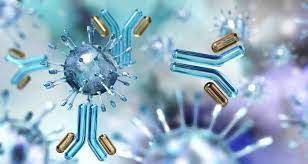
Introduction about P.G. Diploma in Immunotechnology
What is Immunotechnology?
Immunotechnology is a cutting-edge field that combines immunology and technology to develop innovative solutions for diagnosing and treating various diseases. It focuses on harnessing the power of the immune system to develop vaccines, therapeutic antibodies, and diagnostic tools. Immunotechnology plays a pivotal role in the field of biotechnology, contributing to advancements in healthcare and life sciences.
The Importance of Immunotechnology
In today's world, where infectious diseases and health challenges continue to evolve, Immunotechnology stands as a beacon of hope. It empowers us to combat diseases like cancer, autoimmune disorders, and infectious diseases effectively. With its ability to manipulate the immune system, it offers promising solutions to medical problems that were once considered insurmountable.
Challenges in Immunotechnology
Despite its immense potential, Immunotechnology faces challenges like ethical concerns regarding genetic modification, high development costs, and regulatory hurdles. As a graduate in this field, you'll play a vital role in addressing these challenges.
How can I apply for admission to P.G. Diploma in Immunotechnology Program?
To apply for admission to a P.G. Diploma in Immunotechnology program, you'll need to follow a set of steps typically outlined by the institution offering the program. Here's a general guide on how to apply:
Research Institutes: Start by researching institutions that offer P.G. Diploma in Immunotechnology programs. Look for reputable universities and colleges known for their biotechnology or life sciences programs.
Check Eligibility: Review the eligibility criteria for the specific program you're interested in. Generally, you will need a Bachelor's degree in a related field, such as Biotechnology, Microbiology, or Immunology. Some institutions may also require specific prerequisite courses or a minimum GPA.
Prepare Required Documents: Gather the necessary documents, which may include:
Academic transcripts and certificates from your previous educational institutions.
Letters of recommendation from professors, employers, or professionals who can attest to your qualifications.
Statement of Purpose (SOP) or a personal statement explaining your interest in Immunotechnology and your career goals.
Passport-sized photographs.
Proof of English proficiency if you're an international student (e.g., TOEFL or IELTS scores).
Entrance Exams: Some institutions may require you to take an entrance exam or provide scores from relevant standardized tests, such as the GRE or GMAT.
Online Application: Visit the institution's official website and find the online application portal for the specific program. Fill out the application form carefully, providing accurate information.
Application Fee: Pay the application fee, if applicable. The fee amount varies by institution.
Submit Documents: Upload or submit all required documents as part of your online application. Make sure you provide legible and authentic copies of your academic records and other supporting materials.
Interview (if required): Prepare for an interview if the institution includes this in their admission process. Practice answering questions about your background, goals, and interest in Immunotechnology.
Track Application Status: Monitor your application status through the institution's online portal. Some institutions provide updates on the status of your application.
Financial Aid: Explore scholarship and financial aid options, as many institutions offer assistance to qualified students. Submit any scholarship applications by the specified deadlines.
Admission Decision: Wait for the admission committee to review your application. Admission decisions typically take a few weeks to a few months, depending on the institution.
Acceptance and Enrollment: If you receive an acceptance letter, review the terms and conditions, including tuition fees and deadlines. Follow the provided instructions to confirm your enrollment and pay any necessary fees.
Visa Application (for International Students): If you are an international student, apply for a student visa in your home country. Ensure you have all the required documentation for visa processing.
Orientation: Attend the program's orientation session to get acquainted with the campus, faculty, and fellow students.
Remember that the specific application process may vary from one institution to another. It's crucial to thoroughly read the admission requirements and deadlines provided by the institution of your choice. Additionally, it's advisable to start the application process well in advance to meet all deadlines and ensure a smooth admission into the P.G. Diploma in Immunotechnology program.
What is the eligibility for P.G. Diploma in Immunotechnology?
The eligibility criteria for pursuing a P.G. Diploma in Immunotechnology may vary slightly from one institution to another. However, here are the typical eligibility requirements that most institutions would require:
Educational Background: Candidates should have a Bachelor's degree in a relevant field. Commonly accepted undergraduate degrees include:
Biotechnology
Microbiology
Immunology
Biochemistry
Life Sciences
Medical Sciences
Minimum GPA: Some institutions may specify a minimum Grade Point Average (GPA) that candidates must have achieved during their undergraduate studies. This GPA requirement varies among institutions but is typically around 3.0 on a 4.0 scale.
Prerequisite Courses: In some cases, institutions may require candidates to have completed specific prerequisite courses related to biology, immunology, or biotechnology as part of their undergraduate studies.
Entrance Exam Scores: Depending on the institution, candidates may be required to submit scores from standardized tests like the GRE (Graduate Record Examination) or GMAT (Graduate Management Admission Test). Some institutions may have their own entrance exams.
Letters of Recommendation: Applicants are often asked to provide letters of recommendation from professors, employers, or professionals who can vouch for their qualifications and potential for success in the program.
Statement of Purpose (SOP): Many institutions require applicants to submit a Statement of Purpose (SOP) or a personal statement explaining their interest in Immunotechnology, career goals, and why they wish to pursue this specific diploma program.
English Proficiency: For international students, proof of English proficiency is often required. This can be demonstrated through standardized tests like TOEFL (Test of English as a Foreign Language) or IELTS (International English Language Testing System).
It's important to note that each institution may have its own specific eligibility criteria, so it's advisable to check the admission requirements of the particular institution where you intend to apply. Be sure to thoroughly review the admission guidelines and requirements provided on the institution's official website and contact the admissions office if you have any questions or need further clarification regarding eligibility for the P.G. Diploma in Immunotechnology program.
How long does it takes to complete a P.G. Diploma in Immunotechnology program?
The duration of a P.G. Diploma in Immunotechnology program can vary depending on the institution and its specific curriculum. However, on average, these programs typically take between one to two years to complete. Here are some key points to consider regarding the program's duration:
One-Year Programs: Some institutions offer an intensive one-year P.G. Diploma in Immunotechnology. These programs are often designed for students who want to acquire specialized knowledge and skills quickly. They are typically more rigorous and require full-time commitment.
Two-Year Programs: Other institutions may offer a two-year P.G. Diploma in Immunotechnology. These programs may provide a more comprehensive and in-depth education, allowing students to explore the subject matter in greater detail. Two-year programs might include additional research or practical experience.
Part-Time Options: In some cases, institutions offer part-time or evening programs to accommodate working professionals or students who prefer a more flexible schedule. Part-time programs may extend beyond the typical one- or two-year timeframes.
Curriculum Variations: The specific courses and curriculum structure can influence the program's duration. Some programs might have more extensive coursework or research components that affect the time needed to complete the diploma.
Internships or Research Projects: Programs that include internships, research projects, or hands-on laboratory work may have longer durations to ensure that students have ample time to gain practical experience.
Thesis or Capstone Projects: Programs with a thesis or capstone project requirement typically take longer to complete, as students need time to conduct research and complete their final project.
To determine the exact duration of the P.G. Diploma in Immunotechnology program at a specific institution, it's essential to consult the institution's official website or contact their admissions office. They will provide detailed information about the program's structure, including the duration, course offerings, and any optional components that may affect the program's length. Your choice of program duration should align with your academic and career goals, as well as your availability to commit to full-time or part-time studies.
What are potential career opportunities after P.G. Diploma in Immunotechnology?
A P.G. Diploma in Immunotechnology opens up a wide range of exciting career opportunities in various sectors, including healthcare, biotechnology, pharmaceuticals, and research. Here are some potential career paths for graduates with a diploma in Immunotechnology:
Immunologist: As an immunologist, you can work in research and development, studying the immune system's functions and developing new therapies, vaccines, or treatments for diseases.
Biotechnologist: Biotechnologists in the field of Immunotechnology focus on utilizing immunological principles to develop biotechnological applications, including diagnostic tools, vaccines, and therapeutic products.
Clinical Research Associate (CRA): CRAs play a crucial role in the pharmaceutical and clinical research industries. They oversee and monitor clinical trials for new immunotherapies and ensure compliance with regulatory standards.
Medical Science Liaison (MSL): MSLs act as liaisons between medical professionals and pharmaceutical or biotechnology companies. They provide scientific expertise on products and therapies, aiding in informed decision-making.
Diagnostic Specialist: As a diagnostic specialist, you can contribute to the development and implementation of diagnostic tests for various diseases, using immunological techniques and markers.
Virologist: Specializing in viruses and their interactions with the immune system, virologists study viral diseases, vaccine development, and antiviral treatments.
Research Scientist: Research scientists in Immunotechnology are involved in experimental research, developing new immunotherapies, and advancing our understanding of the immune system.
Quality Control Analyst: Quality control professionals ensure the quality and safety of immunological products and therapies by conducting tests and inspections in compliance with regulatory standards.
Regulatory Affairs Specialist: These specialists help navigate the regulatory requirements for immunotherapeutic products, ensuring they meet safety and efficacy standards and gain approval for use.
Pharmaceutical Sales Representative: Sales representatives promote and sell immunological products and therapies to healthcare professionals and institutions.
Biomedical Scientist: Biomedical scientists work in clinical laboratories, diagnosing diseases and developing laboratory techniques for immunological testing.
Clinical Immunologist: Clinical immunologists diagnose and treat patients with immune-related disorders, such as autoimmune diseases and immunodeficiency disorders.
Medical Writer: Medical writers create content for medical publications, research reports, and pharmaceutical documents, translating complex scientific information into accessible materials.
Academic and Research Institutions: You can pursue teaching and research positions in universities, colleges, and research institutions, contributing to the academic community's knowledge of Immunotechnology.
Government Health Agencies: Government agencies, such as the Centers for Disease Control and Prevention (CDC) or the National Institutes of Health (NIH), employ professionals to work on immunological research, policy development, and public health initiatives.
These are just a few examples of the diverse career opportunities available to individuals with a P.G. Diploma in Immunotechnology. The field is dynamic and continues to evolve, offering a wide array of career paths in both the public and private sectors. Your choice of career can be influenced by your specific interests, skills, and the focus of your diploma program.
Syllabus of P.G. Diploma in Immunotechnology
The syllabus of a P.G. Diploma in Immunotechnology program may vary from one institution to another, and the specific courses offered may change over time to reflect the evolving field of Immunotechnology. However, here's a general outline of the syllabus, organized by semesters, that you might expect in such a program:
Semester 1:
Immunology Fundamentals
Introduction to immunology
Components of the immune system
Immune cell types and their functions
Immunological signaling pathways
Molecular Immunology
Study of immunoglobulins (antibodies)
Immune response at the molecular level
Antigen-antibody interactions
Cellular Immunology
Cellular components of the immune system
Cell-mediated immunity
Antigen presentation
Cytokines and their roles
Vaccine Development
Principles of vaccine design
Types of vaccines
Vaccine production and safety
Immunization programs
Research Methodology
Scientific research methods
Experimental design and data analysis
Literature review and research proposal development
Semester 2:
Monoclonal Antibodies
Monoclonal antibody production
Therapeutic applications of monoclonal antibodies
Monoclonal antibody engineering
Immunotherapeutics
Immunotherapy principles
Types of immunotherapies (e.g., checkpoint inhibitors, CAR-T cell therapy)
Clinical applications and challenges
Clinical Immunology
Immunological disorders and diseases
Diagnostic methods in clinical immunology
Management of immune-related conditions
Biotechnology Techniques
Laboratory techniques in Immunotechnology
Assays for immunological analysis
Cell culture and bioprocessing
Ethical Issues in Immunotechnology
Ethical considerations in research and clinical practice
Regulatory frameworks in immunotherapy and vaccine development
Semester 3 (Optional - Research or Practical Component):
Research Project or Internship
Conducting research in Immunotechnology
Practical experience in a laboratory or clinical setting
Thesis or research paper development
Semester 4 (Optional - Research or Practical Component):
Research Project or Internship (Continued)
Data collection and analysis
Presentation and defense of research findings
Internship opportunities after completing P.G. Diploma in Immunotechnology?
Completing a P.G. Diploma in Immunotechnology opens up various internship opportunities that can enhance your practical skills, provide real-world experience, and help you establish connections in the field. Here are some potential internship opportunities:
Biotechnology Companies: Many biotechnology companies offer internships in their research and development departments. These internships may involve working on projects related to immunotherapies, vaccine development, or diagnostic tools.
Pharmaceutical Firms: Pharmaceutical companies often provide internships in areas such as clinical research, drug development, and quality control, where you can gain hands-on experience in immunological applications.
Academic Research Labs: University research laboratories frequently offer internships for students interested in immunology and biotechnology. These positions allow you to contribute to ongoing research projects.
Hospitals and Clinical Settings: If you're interested in clinical immunology, you can intern at hospitals or clinical laboratories. This experience may involve diagnostic testing, patient care, and clinical research.
Government Agencies: Government health agencies, such as the Centers for Disease Control and Prevention (CDC) or the National Institutes of Health (NIH), offer internships focused on immunological research, public health initiatives, and policy development.
Nonprofit Organizations: Nonprofit organizations focused on health and disease research often have internship programs. These roles may involve public health campaigns, awareness initiatives, or advocacy.
Biomedical Laboratories: Laboratories specializing in biomedical research frequently provide internship opportunities for students looking to gain experience in advanced laboratory techniques and research.
Immunotherapy Startups: Emerging startups in the immunotherapy sector may offer internships in research and development, allowing you to contribute to innovative projects and gain a sense of entrepreneurship.
Diagnostic Laboratories: Clinical and diagnostic laboratories that specialize in immunological testing may offer internships focused on the practical aspects of immunodiagnostics.
Academic and Research Institutions: Internships at universities and research institutions may involve assisting faculty members with ongoing research projects, participating in clinical trials, or working in advanced laboratory settings.
When seeking internship opportunities, it's essential to:
Research organizations or companies aligned with your career goals and interests.
Prepare a well-structured resume and cover letter that highlights your qualifications and passion for immunology.
Network with professionals in the field, such as professors, mentors, or alumni who may provide valuable leads.
Utilize online job boards, university career centers, and industry-specific websites to search for internship openings.
Be proactive in applying to multiple internships to increase your chances of securing a position.
Internships can be invaluable in building your practical skills and knowledge, and they often serve as a stepping stone to potential full-time positions in your chosen field of Immunotechnology.
Scholarship and grants for P.G. Diploma in Immunotechnolog?
Scholarships and grants can significantly alleviate the financial burden of pursuing a P.G. Diploma in Immunotechnology. Here are some potential sources of financial aid you can explore:
Institutional Scholarships: Many universities and colleges that offer P.G. Diploma programs have their own scholarship programs for eligible students. Check the institution's official website or contact their financial aid office to inquire about scholarship opportunities.
Government Scholarships: Government agencies and ministries of education may offer scholarships and grants for students pursuing advanced degrees in scientific and medical fields. These opportunities may vary by country and region.
Private Foundations and Organizations: Various private organizations, foundations, and associations offer scholarships, grants, and fellowships for students in the life sciences and biotechnology fields. Research and identify organizations related to Immunotechnology that provide financial assistance.
Professional Associations: Professional organizations related to immunology and biotechnology may have scholarship programs for students pursuing postgraduate diplomas. These associations are also excellent for networking and staying updated in the field.
Corporate Sponsorships: Some biotechnology and pharmaceutical companies sponsor students' education in exchange for a commitment to work for them after graduation. Explore internship programs that may lead to sponsorship opportunities.
Research Grants: If you plan to focus on research during your diploma program, look for research grants and funding opportunities from government agencies, private foundations, and academic institutions.
Merit-Based Scholarships: Many scholarships are awarded based on academic excellence and achievements. Maintain a high GPA and demonstrate your commitment to Immunotechnology to increase your eligibility for merit-based scholarships.
Need-Based Financial Aid: Some institutions offer need-based financial aid programs. If you can demonstrate financial need, you may be eligible for grants, loans, or work-study programs.
Diversity Scholarships: Some organizations and universities prioritize diversity and may offer scholarships to students from underrepresented backgrounds or specific demographics.
International Scholarships: If you are an international student, research scholarships and grants available to international students pursuing education in your host country.
To find relevant scholarships and grants, consider the following steps:
Check the official websites of institutions and organizations.
Use scholarship search engines and databases to identify opportunities that match your profile and program.
Consult with the financial aid office at your institution for personalized assistance.
Reach out to professors, mentors, or advisors for recommendations and guidance on available scholarships.
It's essential to start your scholarship search well in advance, as application deadlines may vary. Be thorough and diligent in preparing your scholarship applications, highlighting your achievements and commitment to the field of Immunotechnology. Scholarships and grants can make your education more affordable and accessible.
Conclusion
Pursuing a P.G. Diploma in Immunotechnology can be a rewarding journey, offering a chance to make a significant impact on healthcare and biotechnology. As you embark on this educational path, you become part of a dynamic field with boundless opportunities for innovation and discovery.
FAQ,s
What is Immunotechnology?
Immunotechnology is a multidisciplinary field that combines immunology and technology to develop innovative solutions for diagnosing and treating diseases. It harnesses the power of the immune system for medical and biotechnological advancements.
What are the career prospects after completing a P.G. Diploma in Immunotechnology?
Graduates can pursue careers as immunologists, biotechnologists, clinical research associates, medical science liaisons, diagnostic specialists, and more. The field offers diverse opportunities in research, development, and clinical applications.
What are the eligibility criteria for admission to the program?
Typically, you need a Bachelor's degree in a related field such as Biotechnology, Microbiology, or Immunology. Some institutions may require specific prerequisite courses and standardized test scores.
How long does it take to complete a P.G. Diploma in Immunotechnology program?
The duration varies but usually ranges from one to two years. Some programs may offer part-time options or include research components that can extend the duration.
What are the key subjects covered in the curriculum?
The curriculum often includes courses such as immunology fundamentals, molecular immunology, vaccine development, monoclonal antibodies, and clinical immunology, among others. Specific courses may vary by institution.
Are there internship opportunities during the program?
Many programs offer optional internships or research components that allow students to gain practical experience in laboratories, clinical settings, or research institutions.
Are there scholarships and grants available for students pursuing this program?
Yes, students can apply for institutional scholarships, government scholarships, grants from private organizations, and research grants to help with their educational expenses.
How can I apply for admission to a P.G. Diploma in Immunotechnology program?
To apply, research institutions, review their specific admission requirements, prepare the required documents, complete the online application, and pay the application fee if applicable. Some programs may also require entrance exams or interviews.
What is the future scope of Immunotechnology?
The future of Immunotechnology is promising, with ongoing advancements in immunotherapies, personalized medicine, and diagnostic tools. The field continues to grow and offer opportunities for innovation.
Can I pursue further studies after completing the diploma?
Yes, graduates can consider pursuing advanced degrees such as a Master's or Ph.D. in related fields like immunology, biotechnology, or medical sciences to further their expertise and career opportunities.
How Shiksha Hub helps you in
-
 Student Counsellors
 -
 Career Counseling
 -
 Research
 -
 24/7 Support
 -
 Scholarships
 -
 Community