Posted by Admin on 14-07-2023 in Shiksha hub
PG Diploma In Implant, Introduction, Admission, Registration, Eligibility, Duration, Fees, Syllabus 2024
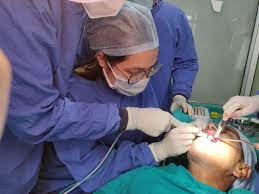
Introduction about PG Diploma In Implant
A Postgraduate Diploma in Implantology (PG Diploma in Implant) is a specialized academic program designed to provide advanced knowledge and practical skills in the field of dental implantology. This program is typically aimed at dental professionals, including dentists and oral surgeons, who seek to enhance their expertise in implant dentistry.
The curriculum of a PG Diploma in Implant program encompasses a comprehensive study of the theoretical principles, clinical techniques, and latest advancements in dental implantology. Participants undergo rigorous training that includes both didactic sessions and hands-on clinical experience, allowing them to develop proficiency in the planning, placement, and restoration of dental implants.
The program often covers essential topics such as implant biomechanics, patient assessment, treatment planning, surgical techniques, and prosthodontic aspects of implantology. Additionally, participants may gain insights into the management of complications and maintenance of implant-supported restorations.
By the end of the PG Diploma in Implant course, participants are expected to have acquired the necessary knowledge and skills to independently practice implant dentistry, incorporating evidence-based practices and adhering to ethical standards. This qualification not only equips dental professionals with specialized expertise but also enhances their ability to provide comprehensive and quality care to patients seeking dental implant treatments.
How can I apply for admission to PG Diploma In Implant Program
To apply for admission to a PG Diploma in Implant program, follow these general steps:
Research Programs: Start by researching institutions that offer PG Diploma in Implant programs. Look for reputable universities, dental schools, or specialized institutions known for their quality education in implantology.
Check Admission Requirements: Review the admission requirements for the specific program you are interested in. Typical requirements may include a Bachelor's degree in Dentistry or an equivalent qualification, along with relevant work experience. Some programs may also have specific prerequisites or language proficiency requirements.
Prepare Application Materials: Gather all required application materials, which may include:
Completed application form
Academic transcripts
Curriculum vitae (CV) or resume
Letters of recommendation
Statement of purpose or personal statement
Proof of language proficiency (if applicable)
Application fee
Entrance Exams: Some programs may require you to take entrance exams, such as the Graduate Record Examination (GRE) or Dental Admission Test (DAT). Check the program's admission guidelines to see if any standardized tests are required.
Submit Application: Complete and submit the application form along with all the required documents before the specified deadline. Ensure that your application is accurate, well-organized, and includes all necessary supporting materials.
Interview (if required): Some programs may conduct interviews as part of the selection process. Be prepared to discuss your academic background, professional experience, and your interest in pursuing a PG Diploma in Implant.
Financial Considerations: Explore scholarship opportunities or financial aid options that may be available for the program. Consider the overall cost of the program, including tuition, fees, and living expenses.
Wait for Admission Decision: Once you have submitted your application, patiently await the admission decision. This process may take some time, so be sure to check the application status regularly.
Acceptance and Enrollment: If accepted, carefully review the acceptance letter and follow the instructions for enrollment. This may include submitting additional documents, paying tuition fees, and attending an orientation program.
What is the eligibility for PG Diploma In Implant
The eligibility criteria for a PG Diploma in Implant program can vary among institutions, but generally, the following are common requirements:
Educational Qualification:
Applicants should typically hold a Bachelor's degree in Dentistry (BDS) from a recognized institution.
In some cases, an equivalent qualification in dentistry may be accepted.
Registration:
Candidates may be required to be registered with the appropriate dental council or licensing authority in their country.
Work Experience:
Some programs may prefer or require applicants to have relevant clinical experience in dentistry. This could vary, but a few years of post-graduate clinical experience may be a common requirement.
Entrance Exams:
Certain programs may require applicants to take specific entrance exams, such as the Graduate Record Examination (GRE) or Dental Admission Test (DAT). Check the program's admission guidelines to determine if any standardized tests are necessary.
Language Proficiency:
For international applicants, proof of English language proficiency may be required. Commonly accepted language proficiency tests include the TOEFL (Test of English as a Foreign Language) or IELTS (International English Language Testing System).
Letters of Recommendation:
Many programs ask for letters of recommendation from professors or professionals who can attest to the applicant's academic and/or clinical capabilities.
Statement of Purpose:
A well-written statement of purpose outlining the applicant's reasons for pursuing the PG Diploma in Implant, career goals, and relevant experiences may be required.
How long does it takes to complete a PG Diploma In Implant program
The duration of a PG Diploma in Implant program varies among institutions and can depend on factors such as the curriculum structure and the intensity of the program. Generally, these programs are designed to be completed within a relatively short time frame, typically ranging from 6 months to 1 year. The duration may be influenced by the number of courses or modules offered, the inclusion of clinical training, and whether the program is offered on a full-time or part-time basis.
It's important to check the specific details of the PG Diploma in Implant program offered by the institution of interest to get accurate information on the duration. Additionally, some programs may include practical clinical components, which could extend the overall length of the program.
Prospective students should review the curriculum, course schedule, and any additional requirements to understand the time commitment involved in completing the PG Diploma in Implant program at the particular institution they are considering.
What are potential career opportunities after PG Diploma In Implant
After completing a PG Diploma in Implant program, individuals can explore a range of career opportunities in the field of implant dentistry. Some potential career paths include:
Implantologist: Graduates may choose to become implantologists, specializing in the planning, placement, and restoration of dental implants. They may work in private practice or join dental clinics that focus on implant dentistry.
Prosthodontist: Prosthodontists specialize in the design and fitting of artificial replacements for teeth, including dental implants. A PG Diploma in Implant provides a strong foundation for those interested in pursuing a career as a prosthodontist.
Oral Surgeon: Oral surgeons with expertise in implantology can perform complex surgical procedures related to dental implants, including bone grafting and sinus lifts. This qualification enhances the skills of oral surgeons in the field of implant surgery.
Academic and Research Roles: Some individuals may choose to enter academia, conducting research in implantology or teaching at dental schools and institutions. A PG Diploma can serve as a stepping stone for those interested in pursuing advanced degrees such as a Master's or Ph.D. in the field.
Dental Consultant: Graduates may work as consultants for dental clinics or institutions, providing expert advice on implant cases, treatment planning, and offering professional opinions on complex dental situations.
Clinical Instructor: Individuals with a PG Diploma in Implant may take up roles as clinical instructors, guiding and supervising dental students or professionals in their practical training in implant dentistry.
Dental Practice Ownership: Some graduates choose to establish their own dental practice, specializing in implant dentistry. This allows them to provide comprehensive implant services to their patients.
Continuing Education and Training: There is also the opportunity to engage in continuous learning, attending workshops, seminars, and courses to stay updated with the latest advancements in implantology and related technologies.
Syllabus of PG Diploma In Implant
Semester 1: Foundation Courses in Implantology
|
Course Code |
Course Title |
Credits |
Description |
|
IMD 501 |
Fundamentals of Implant Dentistry |
3 |
Introduction to implantology principles and terminology |
|
IMD 502 |
Oral Anatomy and Implant Site Analysis |
4 |
Study of oral anatomy, bone structure, and implant sites |
|
IMD 503 |
Diagnostic Imaging in Implantology |
3 |
Radiographic techniques and interpretation in implantology |
|
IMD 504 |
Patient Assessment and Treatment Planning |
3 |
Evaluation of patient suitability for implant procedures |
Semester 2: Surgical Techniques and Clinical Training
|
Course Code |
Course Title |
Credits |
Description |
|
IMD 601 |
Surgical Principles in Implantology |
4 |
Techniques for implant placement and surgical procedures |
|
IMD 602 |
Complications and Risk Management |
3 |
Identification and management of complications |
|
IMD 603 |
Clinical Training I |
6 |
Hands-on training in implant surgery and placement |
Semester 3: Prosthodontics and Restorative Aspects
|
Course Code |
Course Title |
Credits |
Description |
|
IMD 701 |
Prosthodontic Principles in Implantology |
4 |
Design and fabrication of implant-supported restorations |
|
IMD 702 |
Occlusion and Articulation in Implant Dentistry |
3 |
Considerations for occlusion in implant restorations |
|
IMD 703 |
Clinical Training II |
6 |
Hands-on training in implant restorations and prosthodontics |
Semester 4: Advanced Topics and Electives
|
Course Code |
Course Title |
Credits |
Description |
|
IMD 801 |
Advanced Topics in Implantology |
3 |
Emerging trends, research, and advanced techniques |
|
IMD 802 |
Elective Course I |
3 |
Specialized elective course in implant-related field |
|
IMD 803 |
Elective Course II |
3 |
Another elective course in a specific area of interest |
|
IMD 804 |
Research Project or Internship |
6 |
Independent research or practical internship experience |
Internship opportunities after completing PG Diploma In Implant
After completing a PG Diploma in Implant, individuals may have various internship opportunities to further enhance their practical skills and gain real-world experience in implant dentistry. Internships provide a valuable bridge between academic learning and professional practice. Here are potential internship opportunities:
Dental Clinics and Implant Centers: Many dental clinics and specialized implant centers offer internship positions for recent graduates. Interns may work alongside experienced implantologists, gaining hands-on experience in patient assessments, treatment planning, and implant placement.
Hospital Dentistry Departments: Some individuals may choose to intern in hospital dentistry departments that offer implant services. This setting provides exposure to a diverse range of cases and collaborative work with other dental specialists.
Private Dental Practices: Joining a private dental practice that focuses on implant dentistry is another option. Interns may assist in various aspects of implant procedures, including surgical and restorative phases, under the supervision of experienced practitioners.
Prosthodontic Laboratories: Interning in prosthodontic laboratories that specialize in designing and fabricating implant-supported restorations can provide valuable insights into the prosthetic aspect of implant dentistry.
Research Institutions: Those interested in research may find internship opportunities in research institutions or universities with dental research departments. This allows individuals to engage in research projects related to implantology.
Pharmaceutical or Dental Supply Companies: Interning with companies that manufacture dental implants or related products can provide a different perspective. This could involve roles in product development, sales, or education.
Continuing Education Programs: Some individuals may intern or assist in organizing and conducting continuing education programs or workshops related to implant dentistry. This provides exposure to a broader dental community.
Global Health Initiatives: Participating in international health initiatives or outreach programs that focus on dental implant services can be a unique and fulfilling internship experience.
Teaching Assistant Positions: Individuals interested in academia may consider internship opportunities as teaching assistants in dental schools or institutions offering implantology courses. This involvement can provide teaching experience and exposure to the academic side of implant dentistry.
Scholorship and grants for PG Diploma In Implant
Securing scholarships and grants for a PG Diploma in Implant program can help alleviate the financial burden of education. While specific opportunities may vary, here are some general avenues to explore:
Institutional Scholarships: Many universities or dental institutions offering PG Diploma in Implant programs have their own scholarship programs. Check with the specific institution's financial aid office or website for information on available scholarships.
Professional Associations: Dental professional associations and organizations may offer scholarships or grants to individuals pursuing advanced education in implant dentistry. Examples include the American Academy of Implant Dentistry (AAID) or the International Congress of Oral Implantologists (ICOI).
Government Scholarships: Investigate government-sponsored scholarships or grants that support postgraduate education in the field of dentistry. These may be offered at the national, regional, or local level.
Industry Partnerships: Dental product manufacturers, pharmaceutical companies, or organizations in the dental industry sometimes provide scholarships or grants. Explore partnerships between educational institutions and industry stakeholders.
Research Grants: If the PG Diploma program includes a research component, individuals may be eligible for research grants from governmental agencies, foundations, or private organizations supporting dental research.
Dental Foundations: Some dental foundations focus on supporting dental education. Research and inquire about foundations that may offer scholarships for individuals pursuing advanced training in implant dentistry.
Merit-Based Scholarships: Some institutions offer merit-based scholarships to students with exceptional academic or professional achievements. Check with the admissions or financial aid office for information on merit-based opportunities.
International Scholarships: If pursuing the PG Diploma in Implant in a country other than your own, explore scholarship opportunities specifically available to international students.
Community and Nonprofit Organizations: Local community organizations or nonprofit groups may offer scholarships to individuals pursuing education in healthcare fields, including dentistry.
Financial Aid Office: Contact the financial aid office of the institution offering the PG Diploma program for guidance on available financial assistance, scholarships, or grants.
Conclusion
In conclusion, pursuing a PG Diploma in Implant Dentistry is a decisive step towards achieving excellence in the dynamic field of advanced dentistry. This specialized program equips individuals with a comprehensive understanding of implantology, from fundamental principles to intricate surgical techniques and prosthodontic applications.
FAQ PG Diploma In Implant
What is a PG Diploma in Implant? A PG Diploma in Implant is a postgraduate-level program designed to provide advanced knowledge and practical skills in the field of dental implantology. It focuses on the planning, placement, and restoration of dental implants.
Who is eligible for a PG Diploma in Implant? Typically, individuals with a Bachelor's degree in Dentistry (BDS) or an equivalent qualification are eligible. Some programs may also require relevant work experience and registration with the appropriate dental council.
How long does it take to complete the program? The duration varies but is generally between 6 months to 1 year. Factors influencing the duration include the curriculum structure, clinical training, and whether the program is full-time or part-time.
What courses are covered in the PG Diploma program? Courses may include Fundamentals of Implant Dentistry, Diagnostic Imaging, Surgical Techniques, Prosthodontics, and Advanced Topics in Implantology. The specific curriculum varies by institution.
Are there internship opportunities after completing the PG Diploma? Yes, graduates may have internship opportunities in dental clinics, hospitals, research institutions, and private practices. Internships provide hands-on experience in implant dentistry.
What career opportunities are available after completing the program? Graduates can pursue careers as implantologists, prosthodontists, oral surgeons, or engage in academia, research, and consulting. The PG Diploma opens doors to various roles in the field of implant dentistry.
Are there scholarships available for the PG Diploma in Implant? Yes, scholarships may be available through institutions, professional associations, government programs, industry partnerships, and dental foundations. Applicants should explore multiple sources for financial assistance.
Can international students apply for the PG Diploma program? Yes, many institutions accept international students. However, specific eligibility criteria, language proficiency requirements, and application processes may vary. Check with the respective institution for details.
How do I apply for admission? To apply, research institutions offering the PG Diploma, check admission requirements, prepare necessary documents, and submit an application by the specified deadline. Some programs may require entrance exams.
What is the scope of practice after completing a PG Diploma in Implant? Graduates can independently practice implant dentistry, including planning, placement, and restoration of dental implants. They may also engage in research, teaching, and specialized clinical roles.
How Shiksha Hub helps you in
-
 Student Counsellors
 -
 Career Counseling
 -
 Research
 -
 24/7 Support
 -
 Scholarships
 -
 Community